



- ICE is transferring three Socorro, Texas, warehouses totaling 826,000 square feet to the General Services Administration for potential sale.
- The federal government paid $123M for the properties in February after the seller had spent $79.3M developing the industrial buildings.
- The reversal reflects a broader shift away from warehouse conversions toward private prison operators as the government seeks more detention capacity.
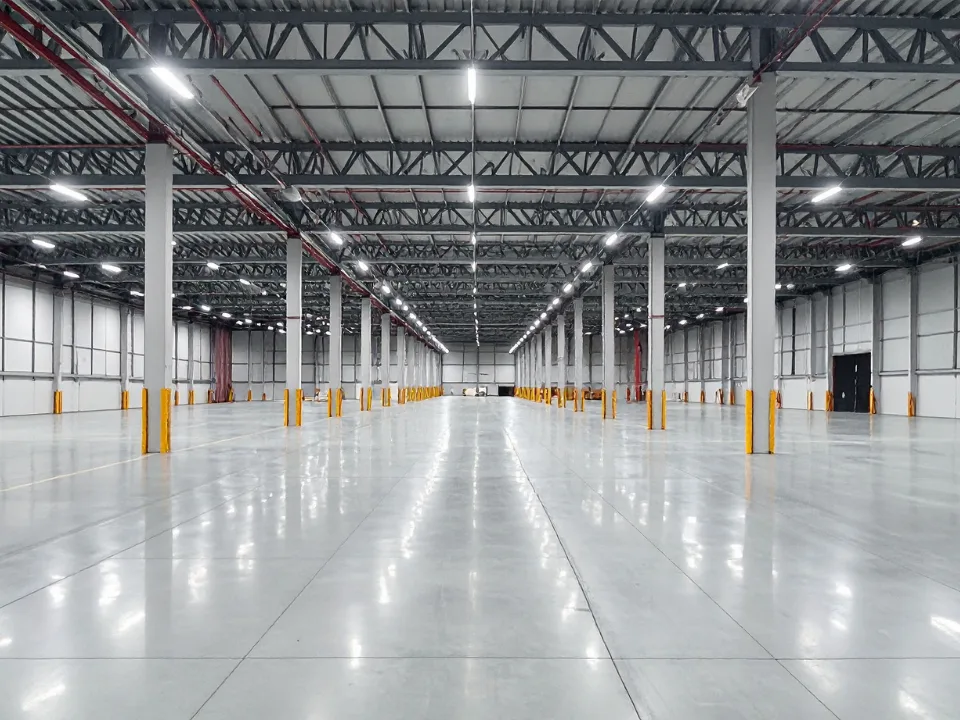
The federal government is preparing to sell three industrial properties in Socorro, Texas, after ICE abandoned plans to convert them into one of the country’s largest immigration detention centers, as reported by Bisnow. The properties, totaling 826,000 square feet, are being transferred to the General Services Administration as DHS changes course on its warehouse acquisition strategy.
The move adds another chapter to a costly federal effort to rapidly expand detention capacity. It also leaves the government with industrial assets that were acquired specifically for a use that local officials and residents strongly opposed.
Get Smarter About What Matters in Texas
Subscribe to our free newsletter covering the biggest commercial real estate stories across Texas — delivered in just 5 minutes.
How the Texas detention plan unraveled:
ICE paid $123M in February 2026 to an entity tied to St. Louis-based Flint Development for the three warehouses. The agency planned to convert the properties into an 8,500-bed detention complex in Socorro, a small city in El Paso County.
Flint originally developed the buildings for another purpose. According to El Paso Matters, the developer spent $79.3M to construct the warehouses, which were designed to store nuts harvested from nearby pecan orchards. The proposed conversion shows how far the federal government moved beyond traditional industrial uses during its warehouse-buying push.
The details:
Rep. Veronica Escobar, who represents El Paso’s 16th Congressional District, said DHS will transfer the properties to the GSA for disposition. Socorro residents opposed the detention plan, citing concerns about the city’s limited water, wastewater and other infrastructure.
The 8,500-bed complex would have created a massive detention operation in a relatively small community. Escobar said local officials raised those infrastructure concerns with DHS and ICE as they worked to stop the project.
The properties are part of a broader federal acquisition effort. DHS bought 11 industrial properties between December 2025 and April 2026, spending more than $1B. The agency used funding from the $45B allocated for immigration enforcement and detention under the 2025 One Big Beautiful Bill Act.
From warehouse conversions to private operators:
The Socorro properties reflect a broader reversal at DHS. Former Secretary Kristi Noem led the warehouse acquisition strategy, which aimed to add more than 90,000 detention beds nationwide by converting vacant industrial properties.
After President Donald Trump replaced Noem with former Oklahoma Sen. Markwayne Mullin in March 2026, DHS paused the program. The department also launched a review of how officials awarded the contracts.
By June 2026, DHS said it planned to sell seven of the 11 properties or transfer them to other federal agencies. The government has since shifted toward established private detention operators.
DHS agreed to pay Tennessee-based CoreCivic $2.2B for four facilities in California, Minnesota and Kansas. It also agreed to pay CoreCivic and The GEO Group $240M annually to reactivate shuttered facilities.
Why it matters:
The Texas warehouses highlight the financial and operational risks of using real estate to respond quickly to federal policy changes. The government bought specialized industrial properties for a conversion plan that it later abandoned. Now, federal agencies must determine whether they can sell the assets without taking a loss.
The reversal also matters to industrial owners and investors. Government demand can create opportunities for warehouse owners when agencies need space quickly. But Socorro shows how quickly that demand can disappear when political, infrastructure and procurement priorities shift.
Meanwhile, demand for detention capacity remains high. The Washington Post reported in August 2026 that ICE arrested more than 238,000 people during the first seven months of the year. That marked the highest total during Trump’s second administration.
What’s next:
The immediate question is how the GSA will market the Socorro properties. Private buyers may view the 826,000 square feet as traditional industrial inventory rather than as a failed detention project.
The federal government also must resolve the other six properties from its 11-site acquisition program as DHS carries out its June 2026 reversal.
For CRE investors, the bigger question is whether DHS will unwind additional warehouse purchases as its detention strategy evolves. The shift toward private operators suggests the government now favors purpose-built detention facilities over generic warehouses that require costly conversions.