






- The EPA wants to scrap a Clean Air Act rule requiring states to disclose data center pollution permits.
- The change would cover any facility emitting up to 250 tons of pollutants a year.
- The proposal has drawn pushback from 14 states and hundreds of advocacy groups.
EPA Targets Data Center Emissions Disclosure
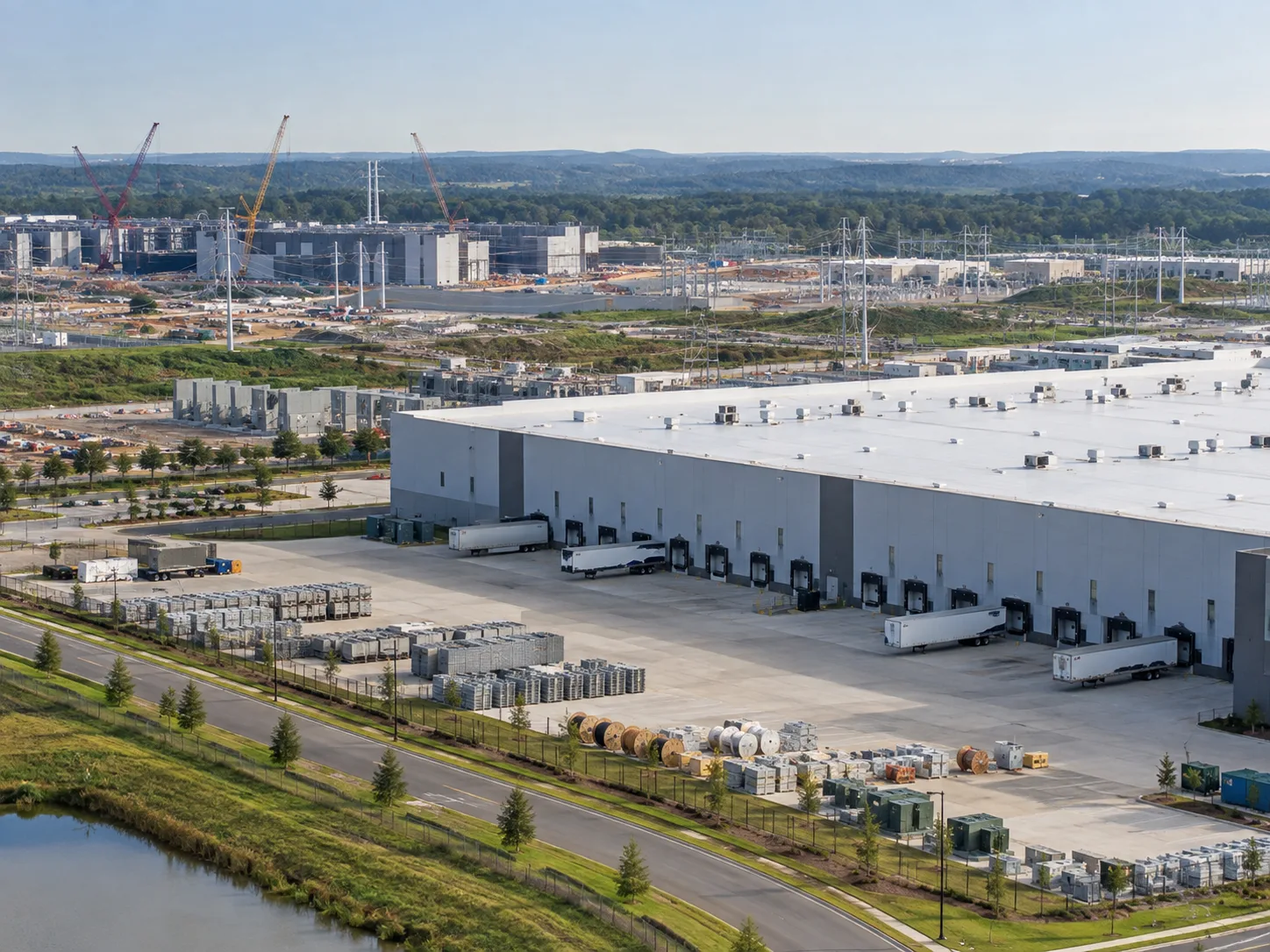
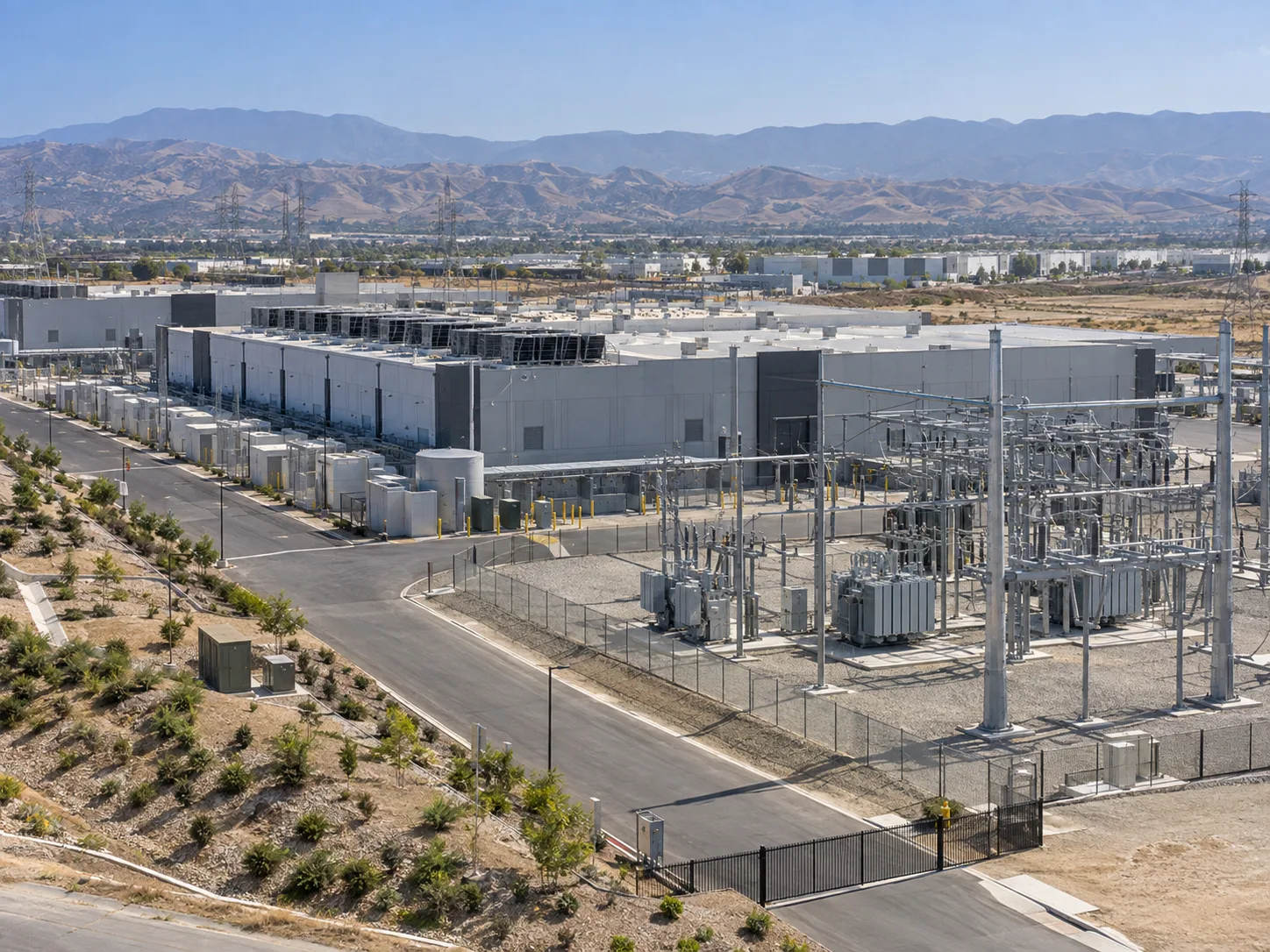
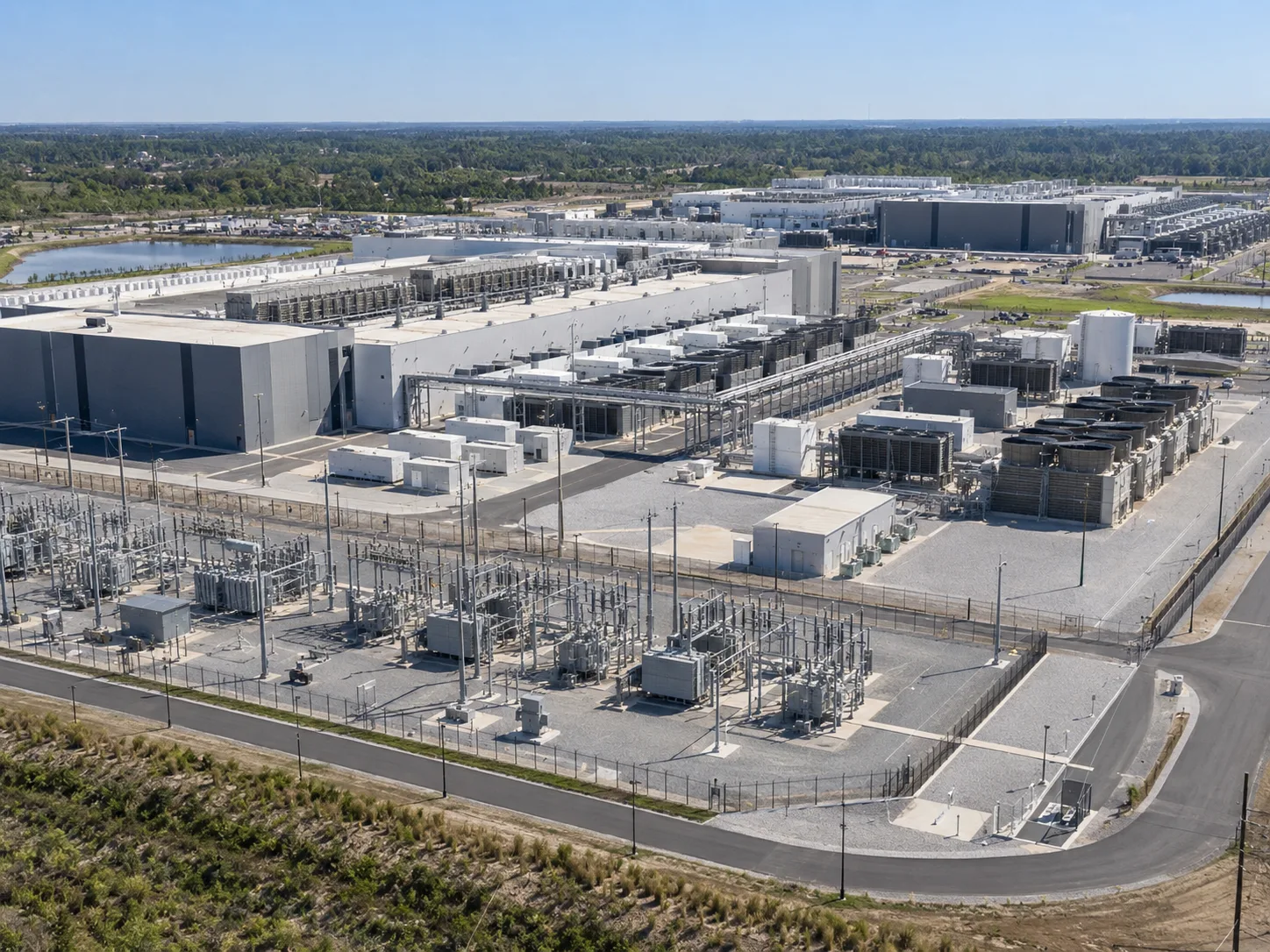
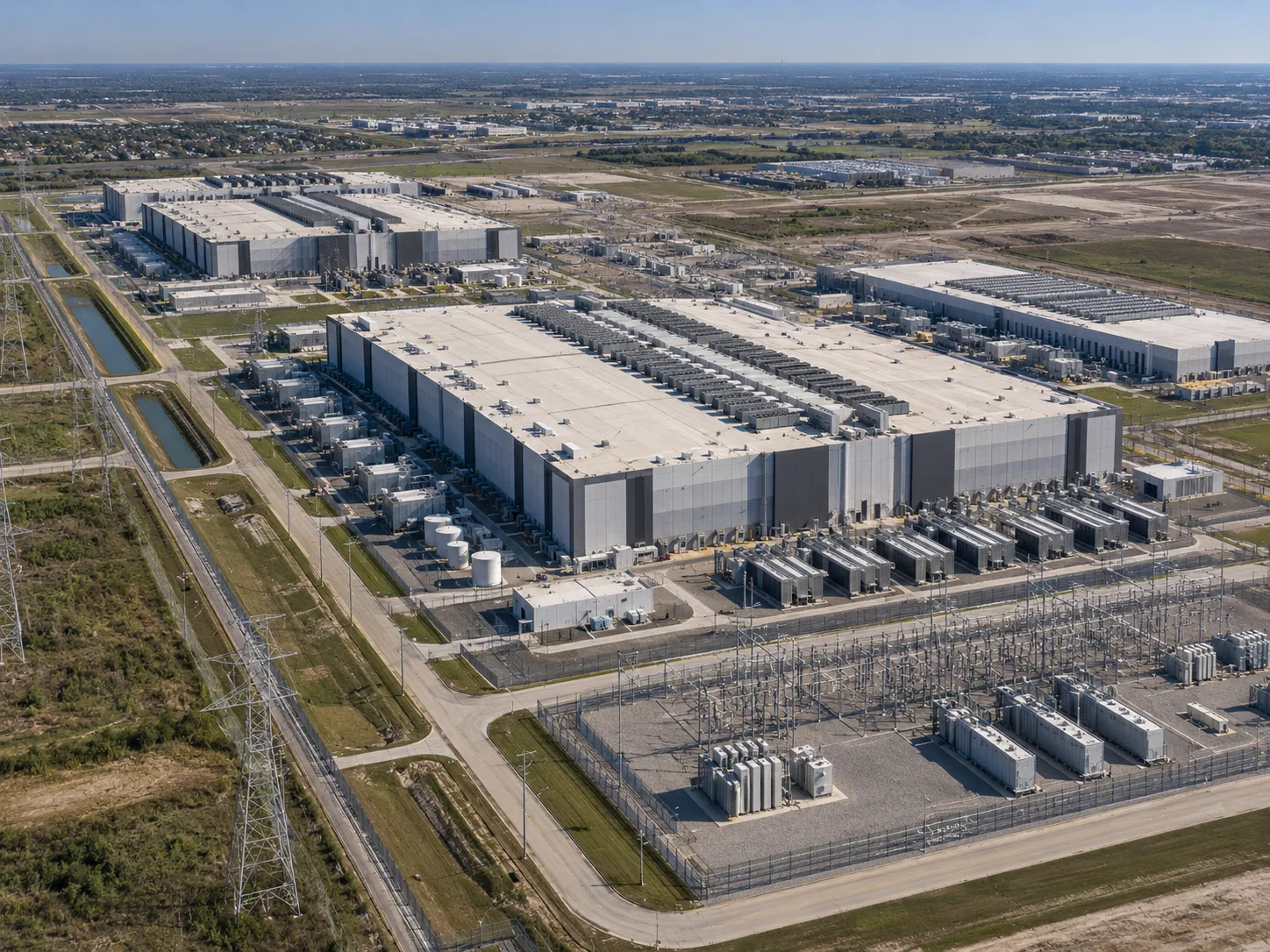
According to Bisnow, the Trump administration is moving to end federal transparency rules for data center emissions. The EPA has proposed scrapping a Clean Air Act requirement on air pollution permits. It forces states to publicly disclose permit applications from data centers and other minor polluters. The rule also mandates an extended public comment period. Removing it could make it harder for communities to learn how much pollution nearby facilities produce.
Get Smarter about what matters in CRE
Stay ahead of trends in commercial real estate with CRE Daily – the free newsletter delivering everything you need to start your day in just 5-minutes
What the Rule Change Would Do
The proposal reaches well beyond data centers. It would apply to any facility emitting up to 250 tons of pollutants yearly. That group spans steel mills to laundromats.
If finalized, reporting and public feedback rules would rest entirely with individual states. Local pushback is already shaping data center policy across several states. Some governors have promised strong disclosure, but others could scale it back or drop it. Fourteen states and hundreds of advocacy groups have already pushed back.
The Details
A former EPA air quality official told The Guardian that the plan abandons the agency’s commitment to transparency. The administration says the measure would not relax emissions standards or weaken protections. An EPA spokeswoman told The New York Times that states know local issues best. She said they should set their own timelines for public input. The agency framed the goal as faster permitting for economic development and energy dominance. President Trump has signed orders to speed AI data center construction, which he calls a national security priority.
Backup Generators Drive the Risk
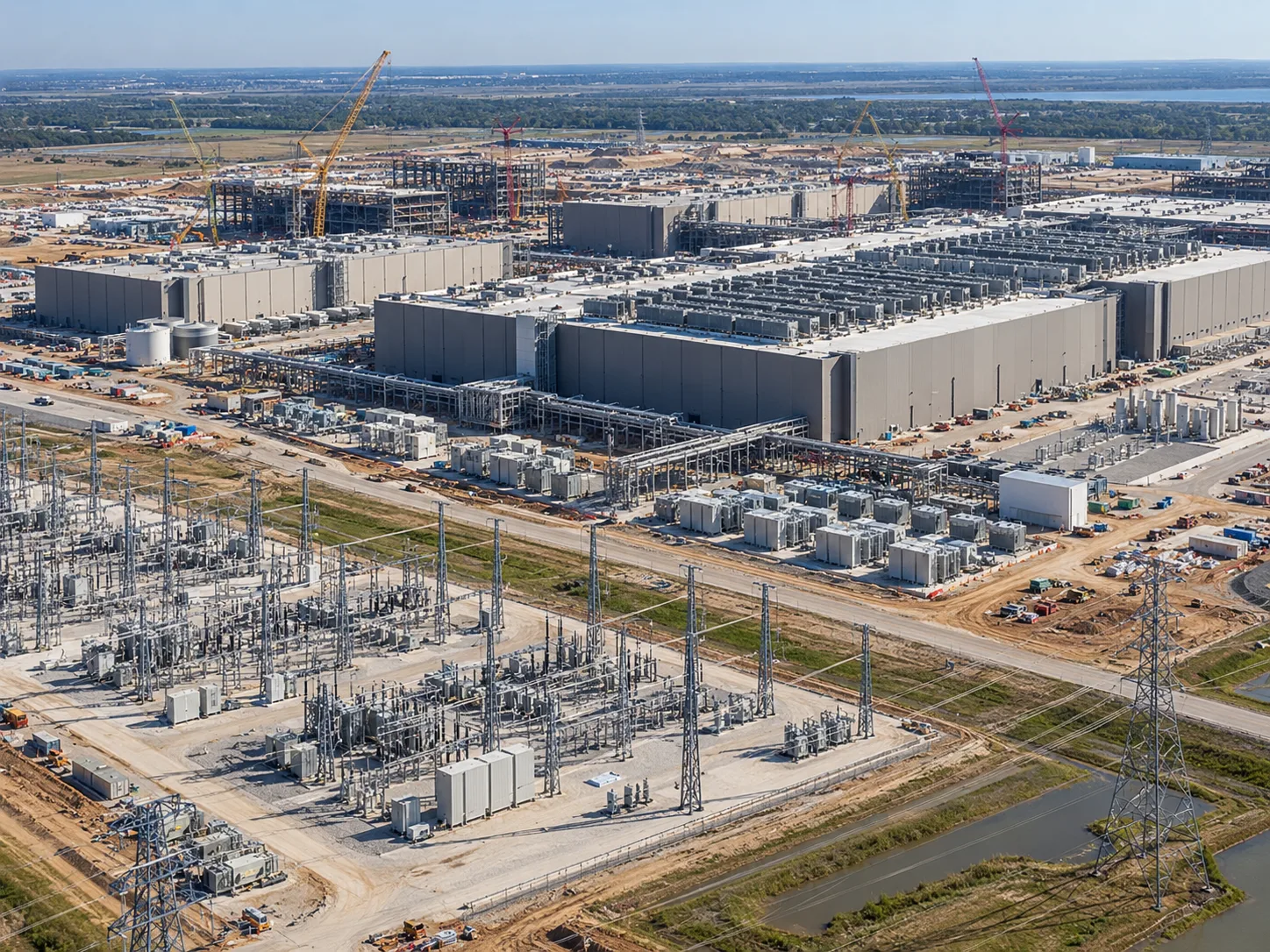
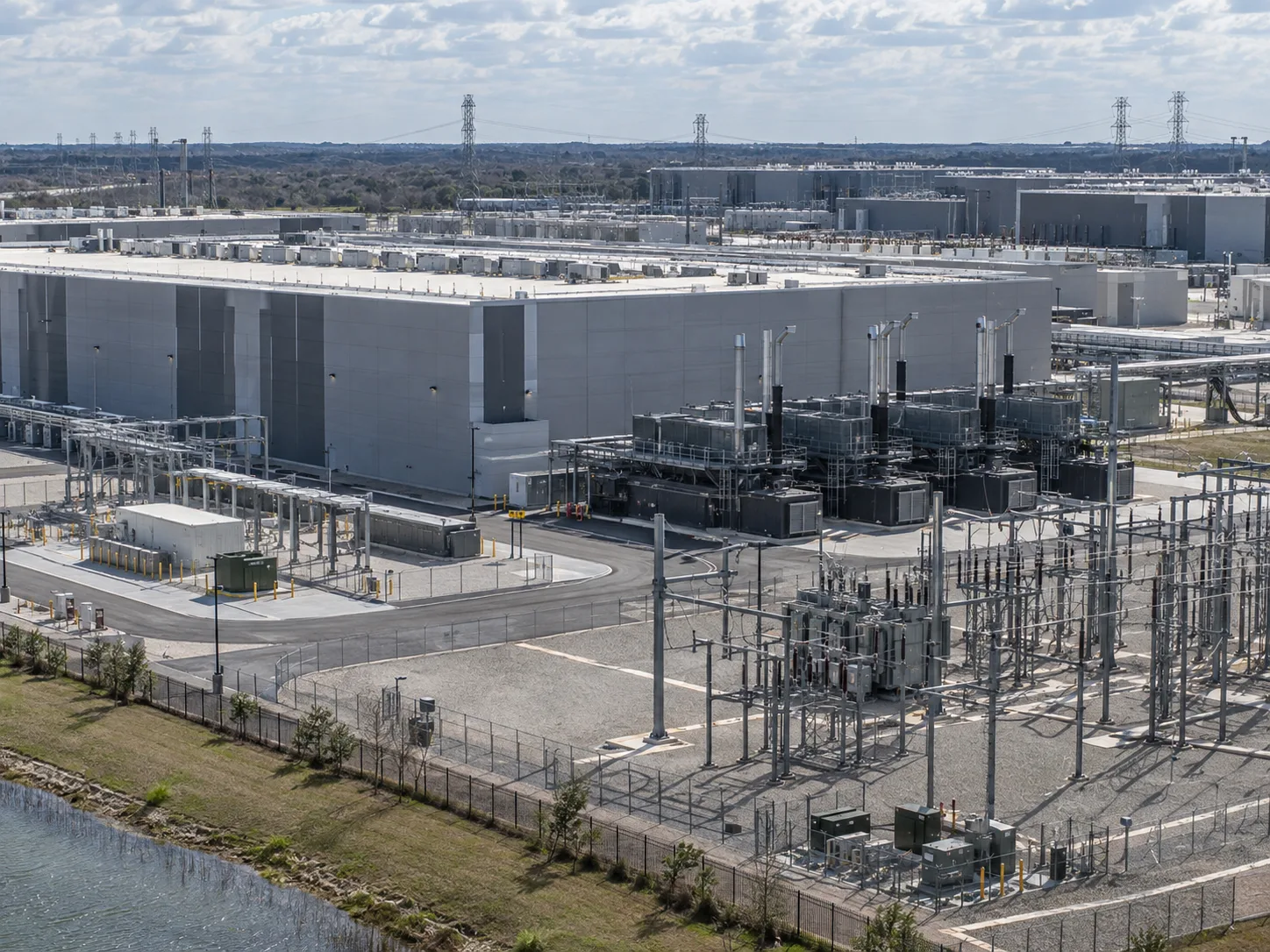
On-site emissions stay low for most data centers during normal operations. Many still need federal air permits for emergency backup generators, usually fueled by diesel or sometimes natural gas. A single large hyperscale campus can house generators producing hundreds of megawatts. These units run mainly during testing, but a long grid outage can turn them into a major pollution source. That happened during the 2021 Texas blackouts after Winter Storm Uri. More campuses now plan to generate their own power or buy it from co-developed plants, much of it gas.
Why It Matters
The proposal lands as data center emissions climb. A Bisnow investigation found emissions rose at three-quarters of the firms it reviewed, some doubling or tripling. Six hyperscalers alone released 171M tons of carbon in their latest reported year, 30M more than the prior year. That equals about 7M extra cars on the road or 70M barrels of oil burned. Not one company could clearly show it had cut emissions.
What’s Next
If the EPA finalizes the rule, disclosure and public comment would vary state by state. Data center development has become a central political issue heading into November’s midterm elections. The outcome could shape how much say residents have over new projects near them. Advocacy groups and state officials are likely to keep contesting the change.