






- Visits to 10 high-street corridors returned to year-over-year growth in July and stayed ahead through September, with each month posting its highest total in four years.
- The rebound followed a weak spring, including a 5.5% year-over-year drop in May, and part of September’s gain came from a Labor Day calendar shift.
- Family households made up roughly half of the corridors’ captured markets in July and August versus 46% to 47% in most months, suggesting appeal that extends beyond the holidays.
Placer.ai data show visits to America’s top high-street retail corridors this summer and early fall were the strongest in four years, GlobeSt reported.
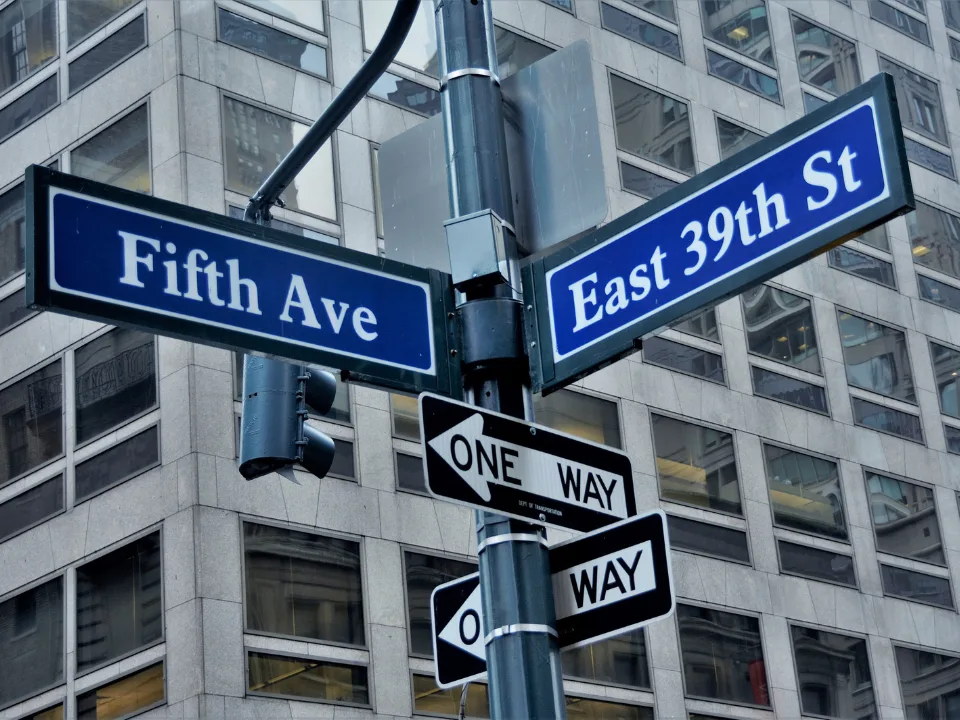
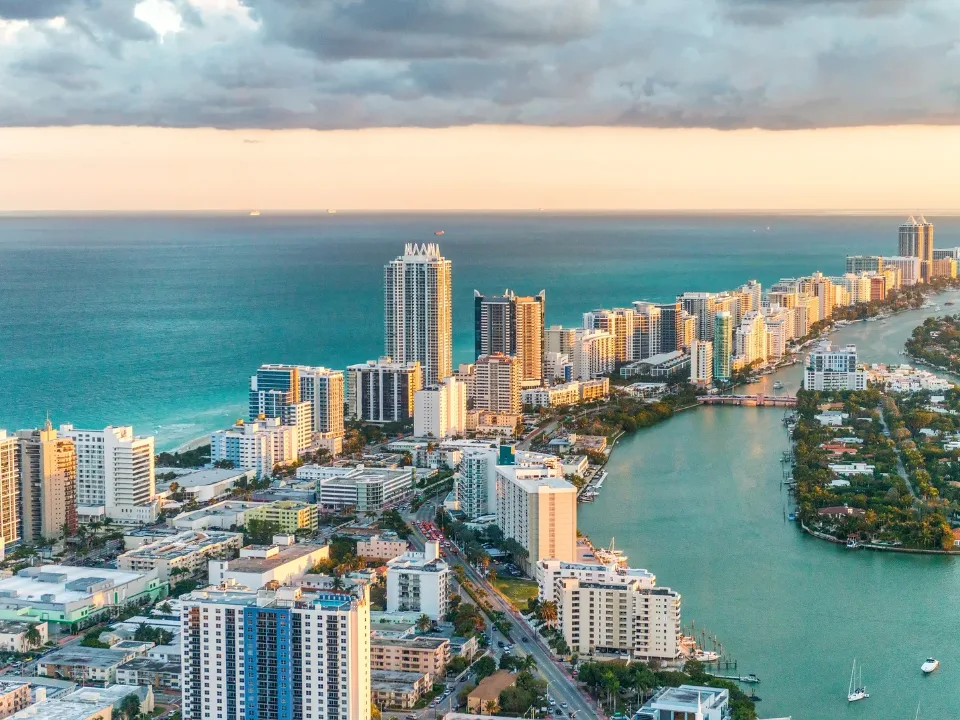
Among the 10 corridors studied are New York’s Fifth Avenue and SoHo, Beverly Hills’ Rodeo Drive, Chicago’s Michigan Avenue and Miami’s Design District.
Get Smarter about what matters in CRE
Stay ahead of trends in commercial real estate with CRE Daily – the free newsletter delivering everything you need to start your day in just 5-minutes
A Spring Slump Reverses
Traffic was off 5.5% from the prior year in May before the shortfall shrank in June and flipped to growth in July. Each month through September stayed above its 2025 level.
July, August and September also beat the same months in each of the previous three years. Seasonal lifts are normal, so the size of this one is the story.
One caveat: Placer.ai credited part of September’s jump to where Labor Day fell on the calendar. Since growth began two months earlier, the rebound looks broader than one holiday.
Families Gain Share
Family households were about half the corridors’ captured markets in July and August, against roughly 46% to 47% in most other months.
Holiday events explain the usual winter skew, from Fifth Avenue’s festivities to the lights near Rodeo Drive. Placer.ai suggested that family-oriented attractions and events in public spaces may now be producing a similar pull outside December.
The report doesn’t specify which investments are responsible.
Zoom Out
Other data fit. Colliers found retail vacancy ticked down to 4.3% in Q3, close to a record low, as absorption of 10.5 million SF was the best since 2023, CRE Daily reported.
Why It Matters
For investors, the data offers a new way to judge these streets: as destinations where food, entertainment and shared outdoor space pull visitors all year, rather than strings of stores.
Shoppers are also spending. CRE Daily reported that retail sales jumped 6% in August, lifting demand for retail property.
What’s Next
The holiday season is the next test. December is the corridors’ busiest month, though last year’s peak came in a little lower than the one before.
Placer.ai says this stronger lead-in gives the districts a chance to build on the recovery.