







- A dozen candidates endorsed by the Democratic Socialists of America won primaries for New York State Legislature seats, unseating moderate Democrats in left-leaning districts.
- Incoming lawmakers plan to push a commercial rent stabilization board, higher corporate taxes, a social housing authority, and a longer pause on new data centers.
- Real estate and business groups warn the agenda could accelerate corporate relocations, while a new statewide data center moratorium already has developers on edge.
A dozen candidates endorsed by the Democratic Socialists of America won primaries for New York State Legislature seats this summer, according to Commercial Observer, positioning the group for its biggest presence yet in Albany. The wins followed Mayor Zohran Mamdani-backed candidates’ congressional primary victories two months earlier and set up a fight over Albany real estate policy, from rents to corporate taxes to data centers, that could reshape New York’s commercial landscape starting next year.
Get Smarter About What Matters in New York
Subscribe to our free newsletter covering the biggest commercial real estate stories across the five boroughs — delivered in just 5 minutes.
How It Started
The DSA-endorsed candidates knocked out moderate incumbents in reliably left-leaning districts on pledges to raise taxes on wealthy individuals and build more public renewable energy. “Our volunteer army elected the biggest socialist slate in New York history, and we’re going to bring that power to Albany to fight for the agenda they ran on,” said Grace Mausser, NYC-DSA co-chair, in a statement. It caps a years-long organizing effort that has already helped expand tenant eviction protections and pass a state climate law targeting emissions reductions by 2050.
Albany Real Estate Policy in Focus
Top priorities include reviving a commercial rent stabilization bill from Brooklyn Assemblywoman Emily Gallagher and Brooklyn Sen. Julia Salazar that would create a nine-member mayoral-appointee board to set rent increases on new commercial leases and guarantee a 10-year lease renewal right. More than 15,000 city storefronts currently sit empty, with vacancies up nearly 30% since 2020 even as average rents fell just 6.5%, according to a 2026 report from advocacy group Small Business United. Lawmakers also plan to reintroduce a social housing bill creating a state authority to issue tax-exempt bonds for affordable housing construction, and Brooklyn Assemblywoman Phara Souffrant Forrest said she’ll adjust the bracket scaling on her Fair Share Act, which would add a 2% surcharge on income over $1 million.
On corporate taxes, Mayor Mamdani has already proposed raising New York City’s rate from 7.25% to 11.5% and adding a bracket for residents earning more than $1 million, an idea the DSA rallied behind in Albany even as it stalled in this year’s state budget talks against Gov. Hochul’s opposition. Instead, Hochul allowed a new pied-à-terre tax on second homes worth more than $5 million, which the Mamdani administration began rolling out this summer.
Zooming Out
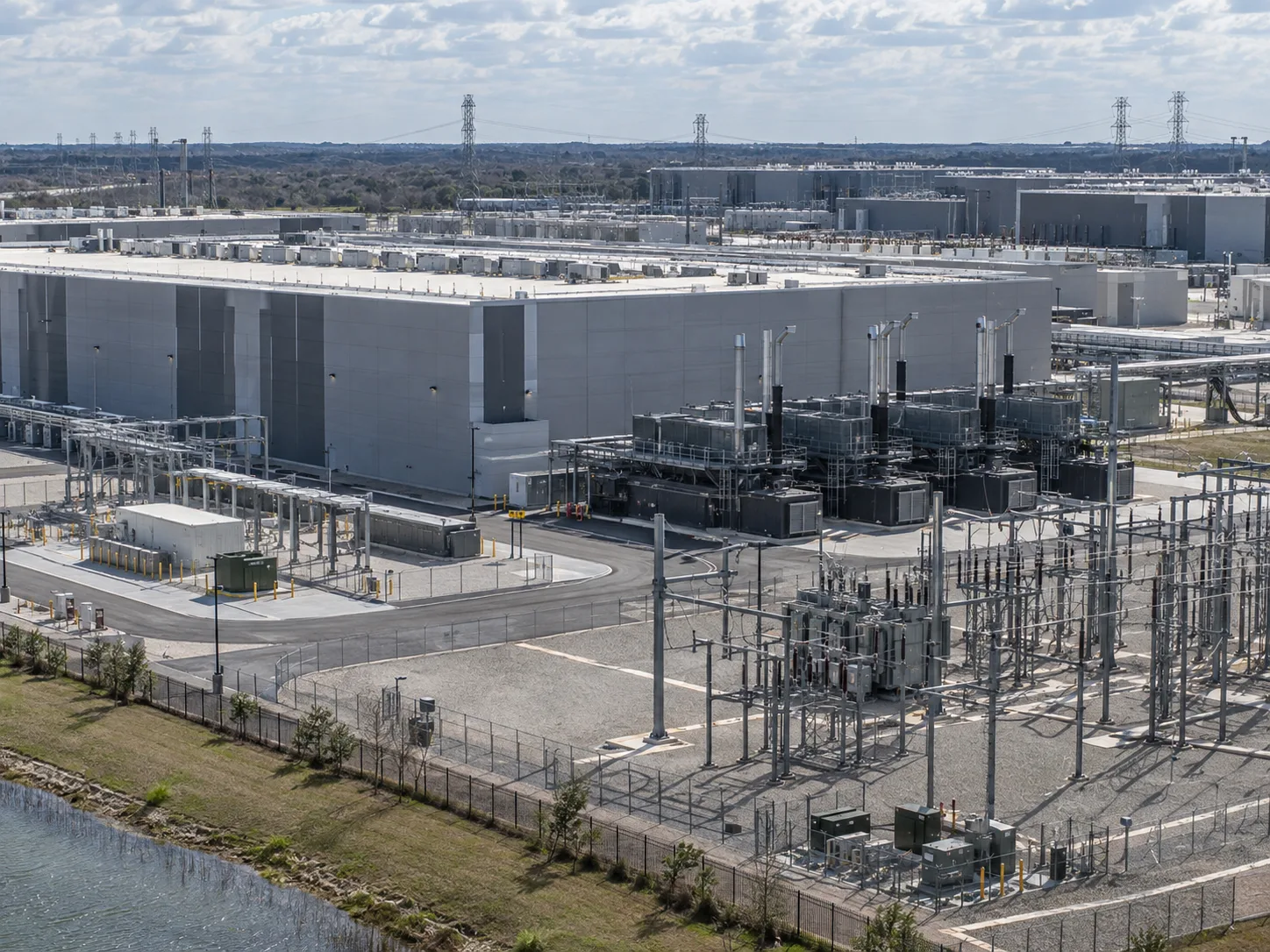
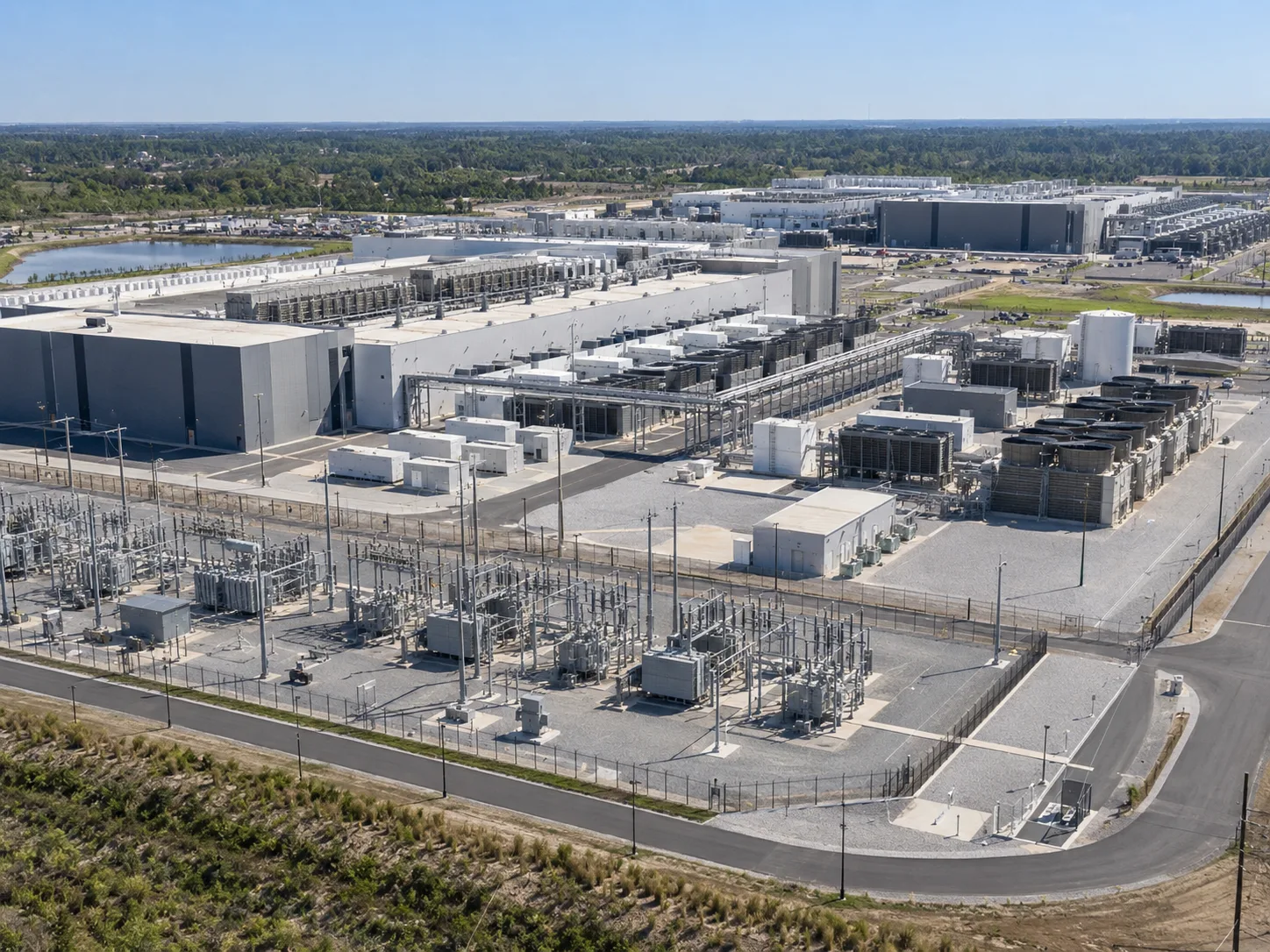
Data centers could be the fiercest fight of all. Gov. Kathy Hochul enacted the state’s first moratorium on permits for large new data centers in July and pledged to repeal sales tax exemptions for existing facilities, but Sen. Kristen Gonzalez and other DSA-aligned lawmakers want an even longer pause, citing grid strain. “If we acknowledge this energy crisis and that we’re on the brink of rolling blackouts, there is no way to bring on 30 new data center projects,” Gonzalez said. New state moratoriums on data centers have already emerged as a flashpoint nationally, pitting tech companies and building-trade unions against lawmakers worried about grid capacity. On rent stabilization, Barowitz Advisory principal Jordan Barowitz countered that “the idea that you want to lock in for perpetuity existing users is the antithesis of a growing city,” warning it could undermine the city’s retail corridors.
Why It Matters
Real estate leaders are bracing for a harder line after eight months of a Democratic Socialist mayor in City Hall. “These very policies have led to population loss, diminished representation and fewer electoral votes, and created the worst housing shortage in the city’s history,” said James Whelan, president of the Real Estate Board of New York. Yet Mamdani has also shown a willingness to work with industry, having recently tapped a developer for a business advisory council. Gov. Hochul remains skeptical of wealth taxes and controls the budget process, which could blunt the more aggressive proposals, but a commercial rent stabilization board and an extended data center moratorium would directly affect landlords’ underwriting and leasing strategy statewide.
What’s Next
The new legislative session begins in January, when lawmakers are expected to reintroduce the commercial rent stabilization bill, the social housing authority proposal, and expanded data center restrictions. Much hinges on Hochul’s re-election bid and whether a larger DSA bloc can move her from her historically anti-tax positioning.