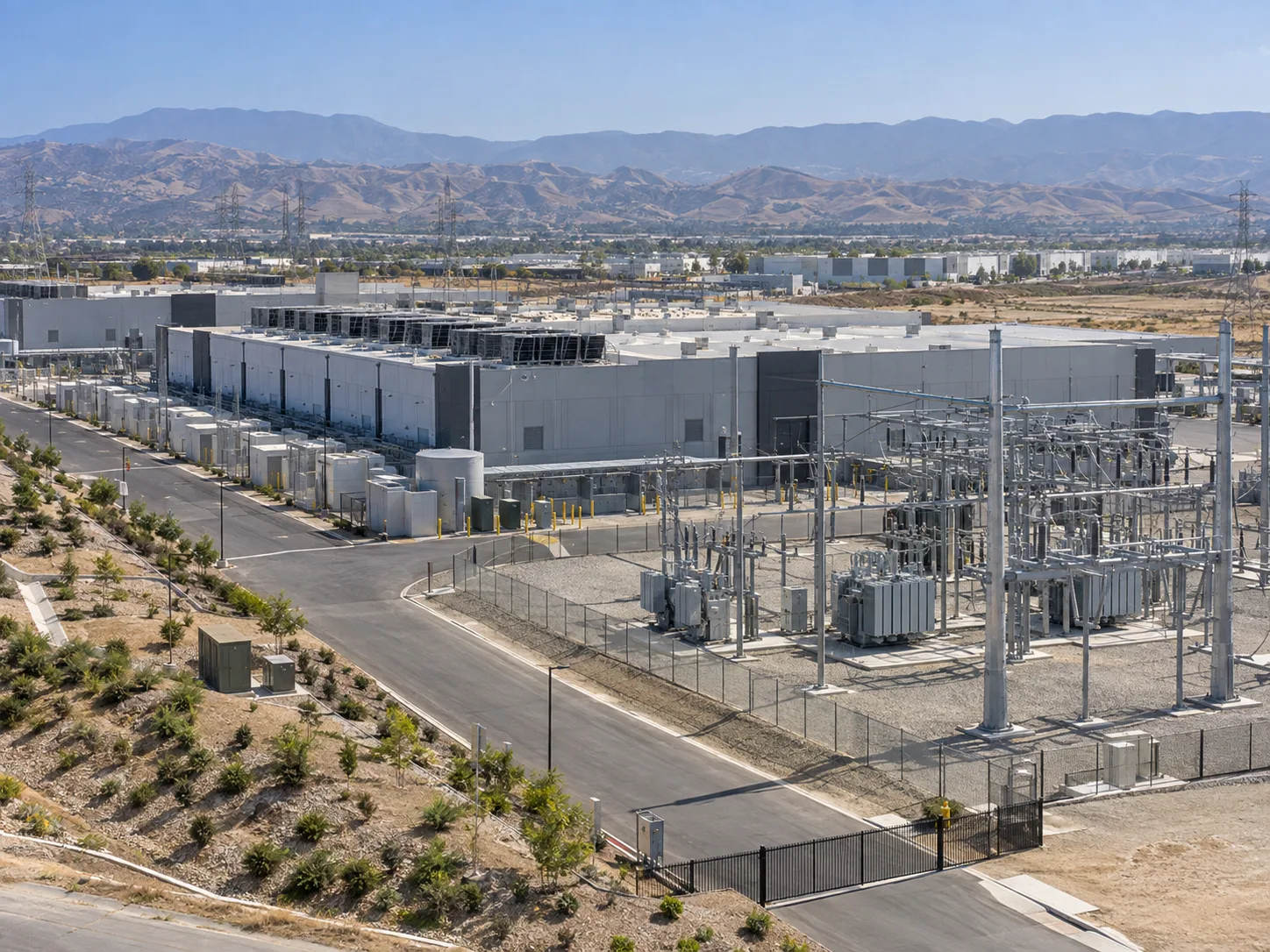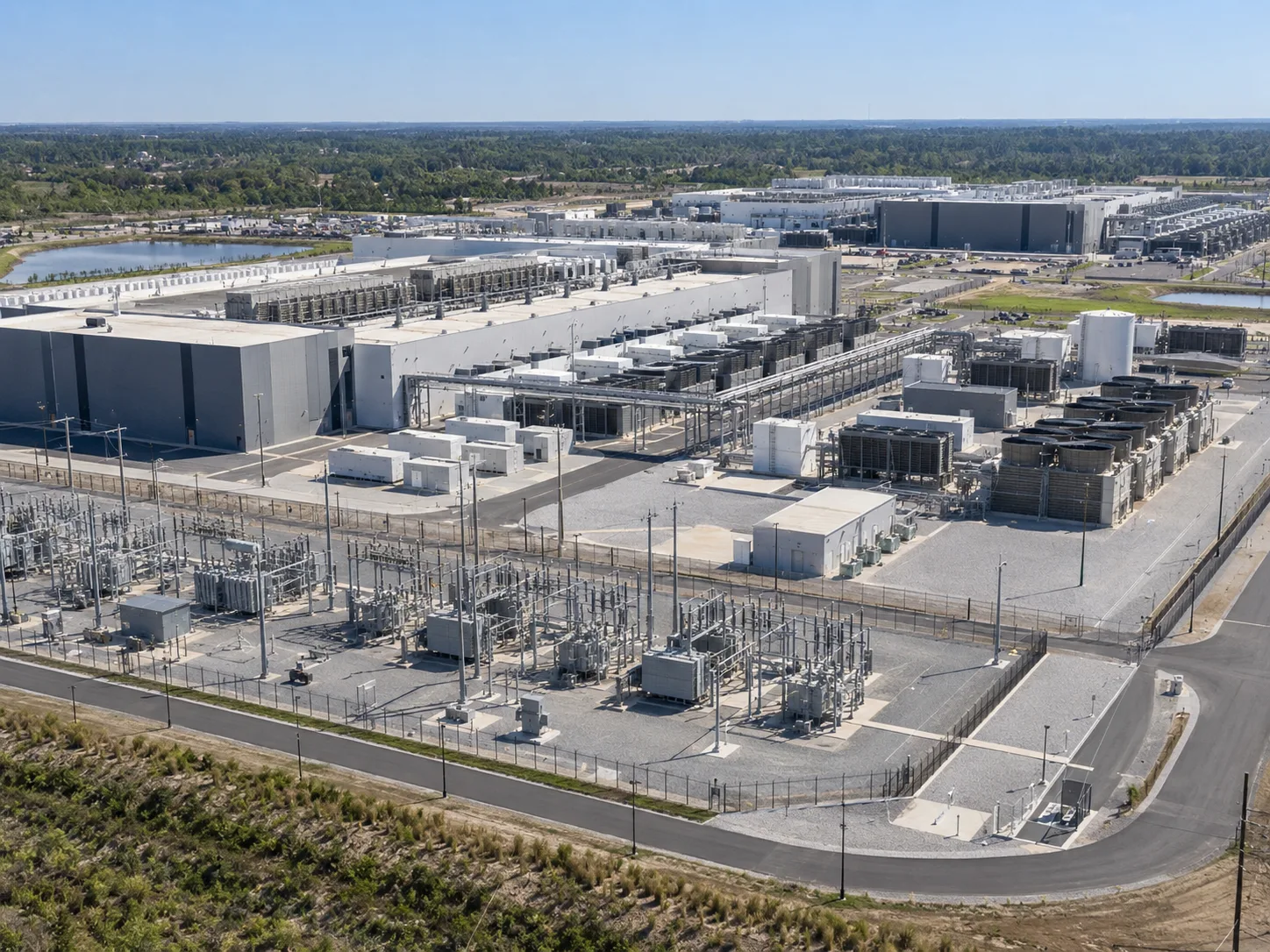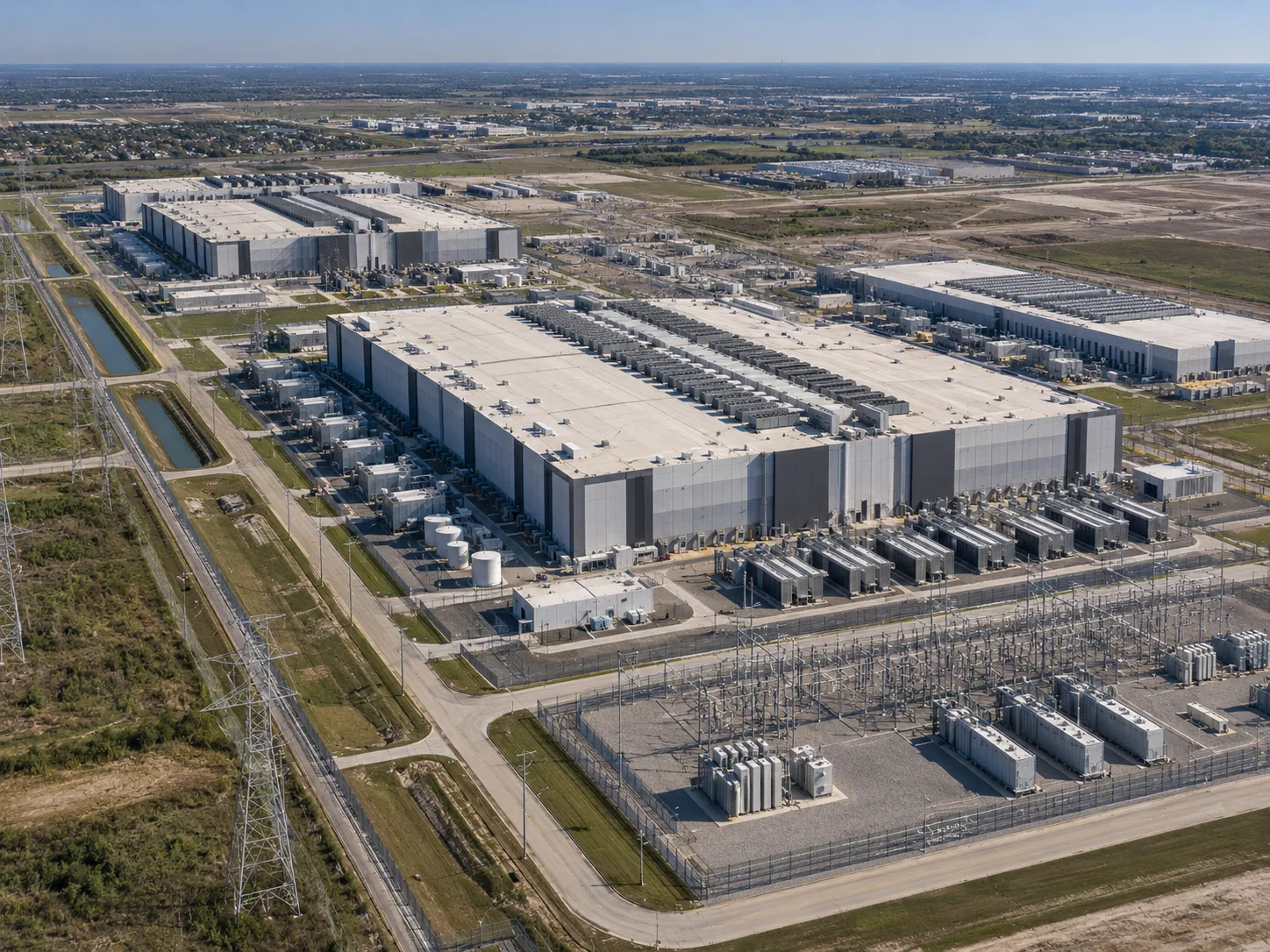





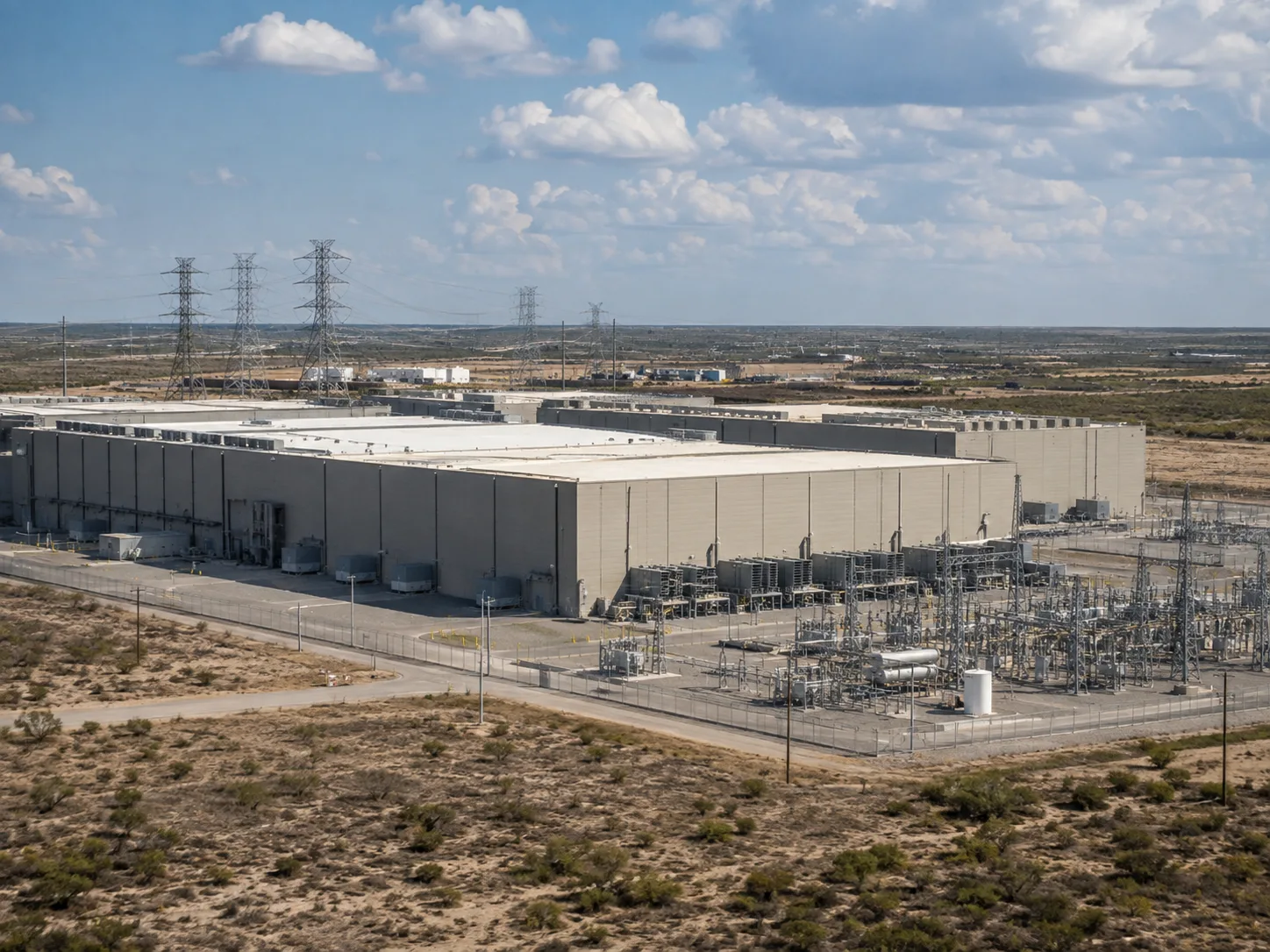



- Yardi Matrix says state and local resistance to data center construction has intensified over resource use, utility bills, tax breaks, and pollution.
- A Gallup poll found 70% of Americans would strongly or somewhat oppose a data center being built in their area.
- New York approved a one-year hyperscale moratorium, while Texas paused new approvals pending an audit of projects seeking grid connections.
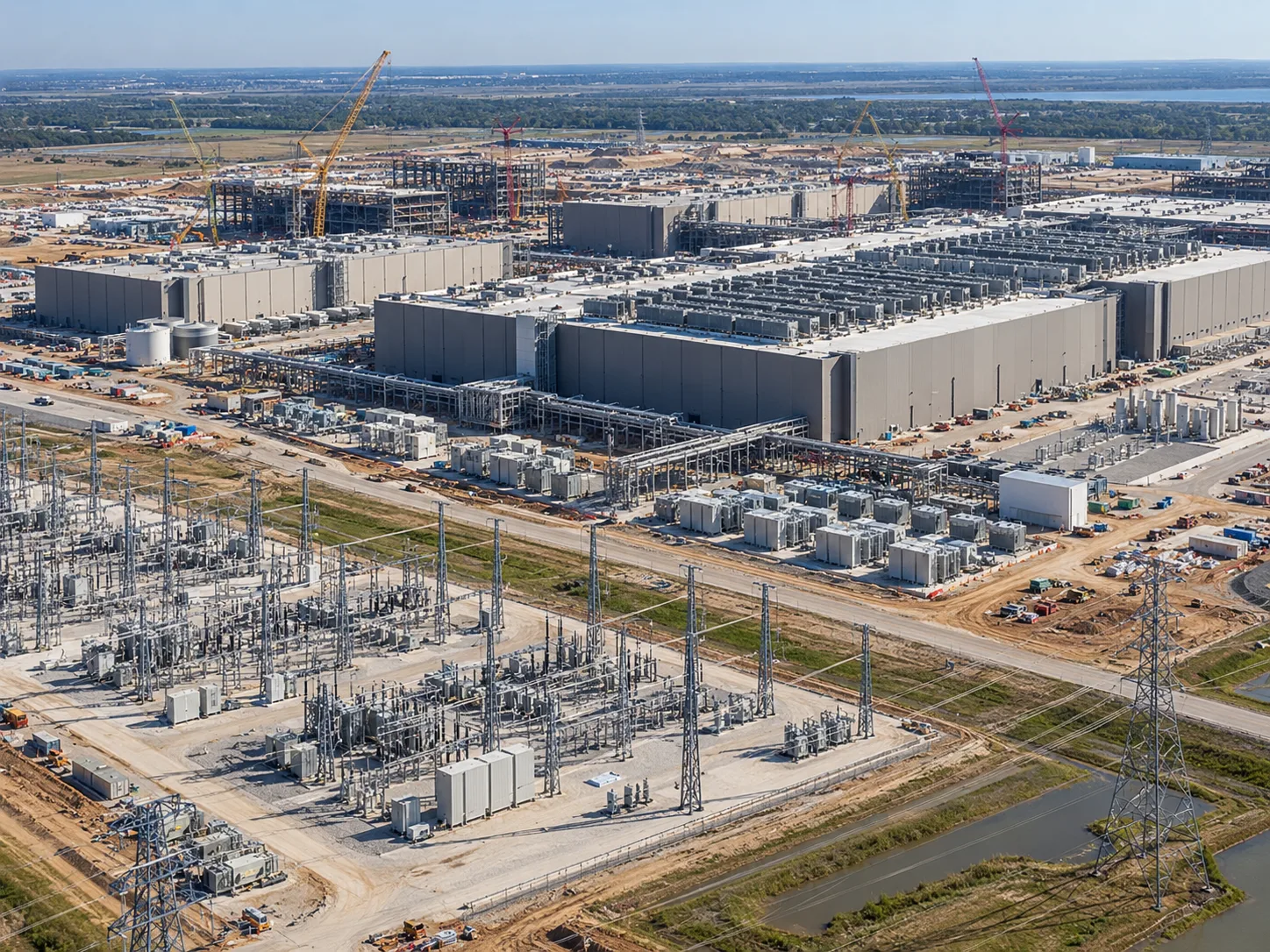
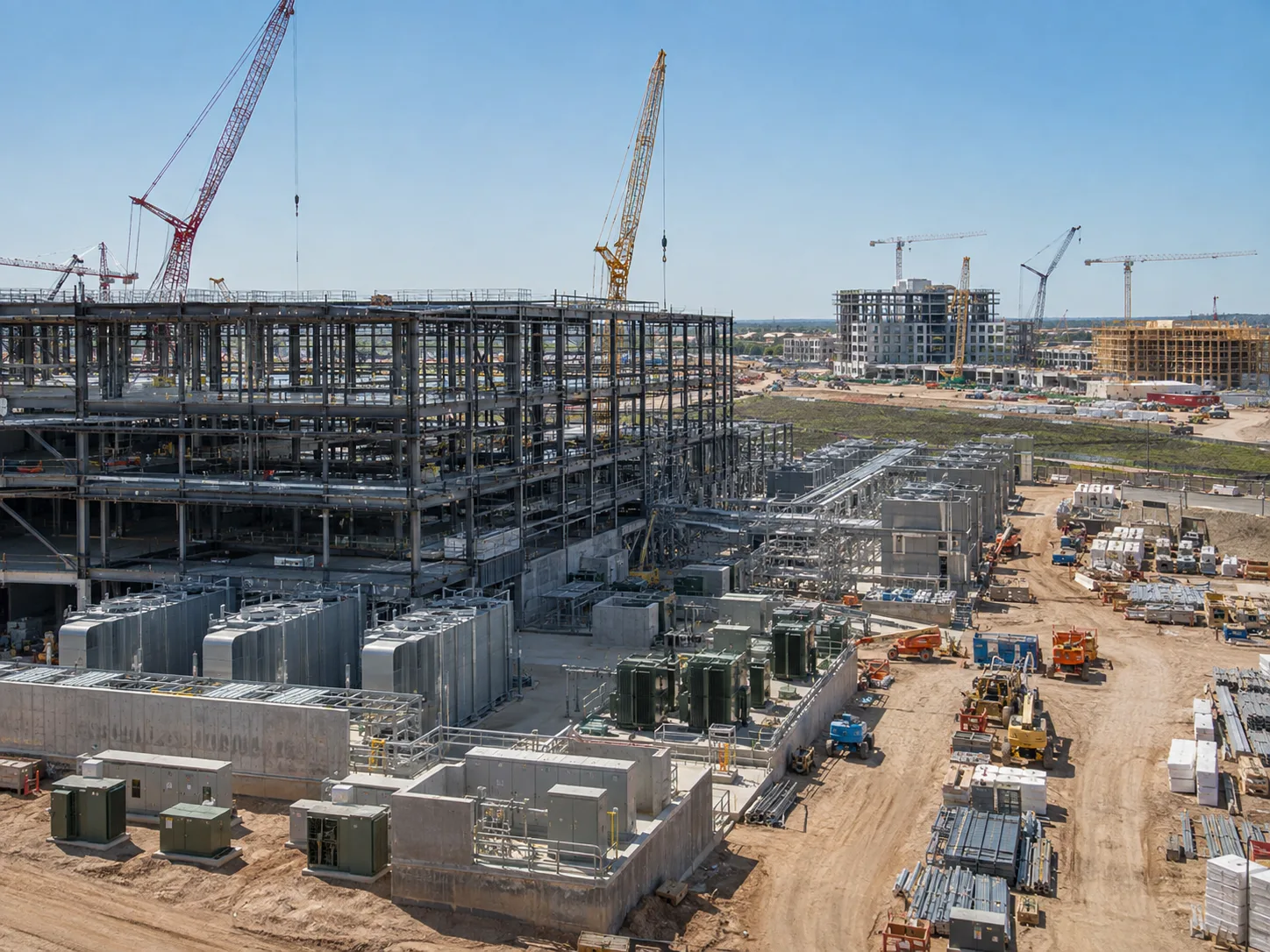
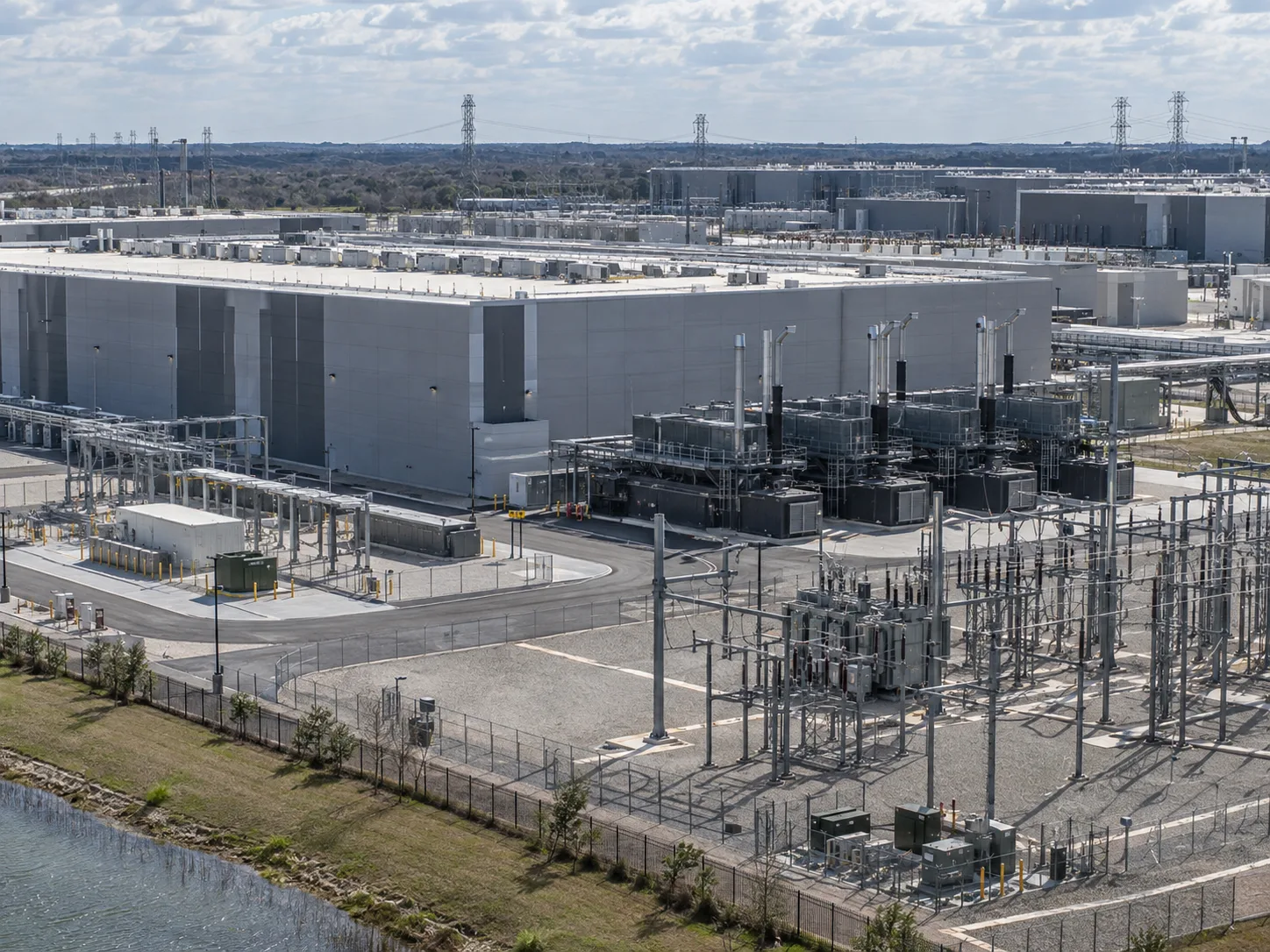
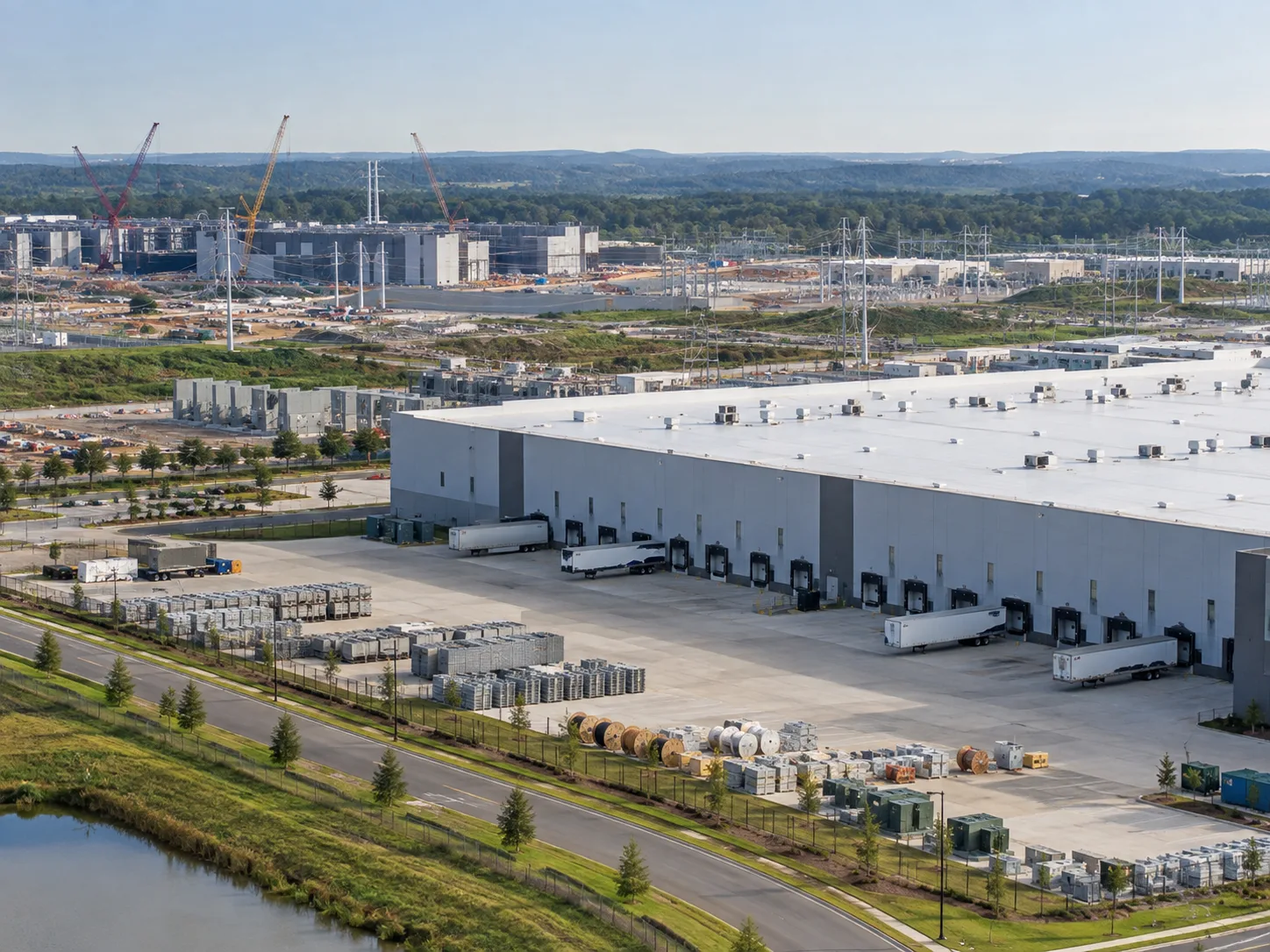
Data center development is facing stronger resistance from states, local officials, and residents. Yardi Matrix says concerns now include resource use, utility bills, tax incentives, and pollution. The backlash has reached Texas, which Yardi says has the nation’s largest construction pipeline.
Get Smarter about what matters in CRE
Stay ahead of trends in commercial real estate with CRE Daily – the free newsletter delivering everything you need to start your day in just 5-minutes
Data Center Development Meets Resistance
Opposition has moved from town halls into formal policy. New York Gov. Kathy Hochul approved a one-year moratorium on hyperscale data center development while regulators build a framework for industry impacts. Pennsylvania and Texas have also enacted or proposed moratoriums, according to Yardi Matrix. The resistance crosses political lines. Local officials have faced packed public meetings, electoral pressure, and abandoned projects after residents pushed back.
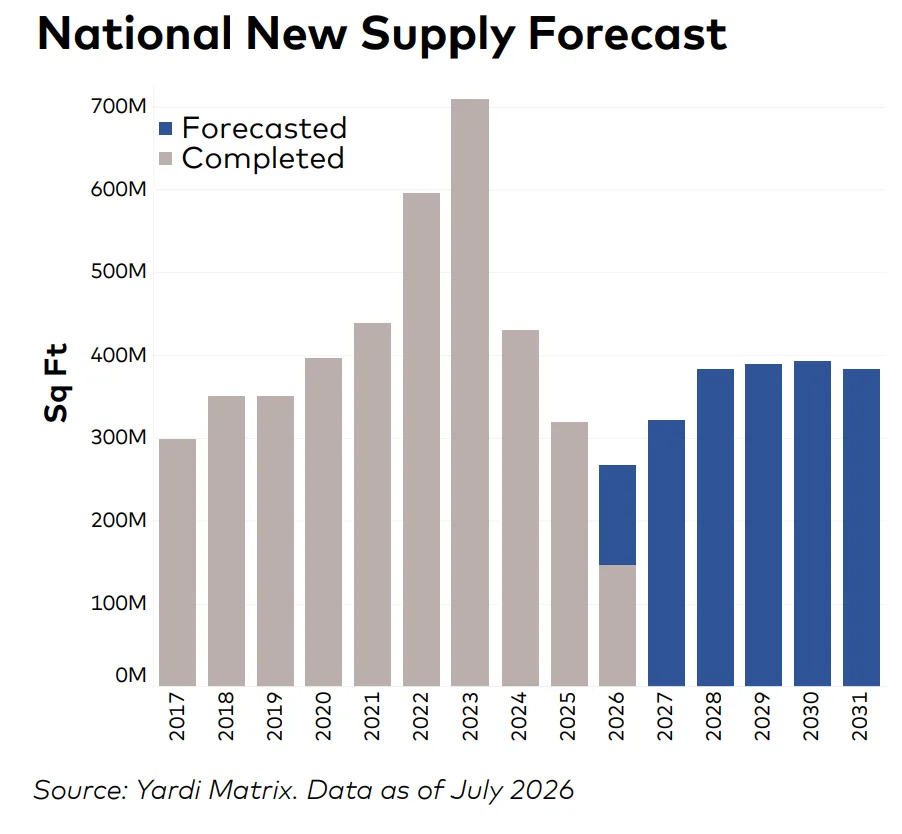
Texas Raises the Stakes
Texas is the clearest signal that permitting risk can reach even highly active markets. Gov. Greg Abbott directed a halt to new approvals until regulators complete a comprehensive audit of projects seeking electric-grid connections. Yardi Matrix says Texas has by far the nation’s largest data center construction pipeline. Abbott also cited a major information gap. Less than one-third of data centers responded to a survey designed to measure water and power usage.
Why It Matters
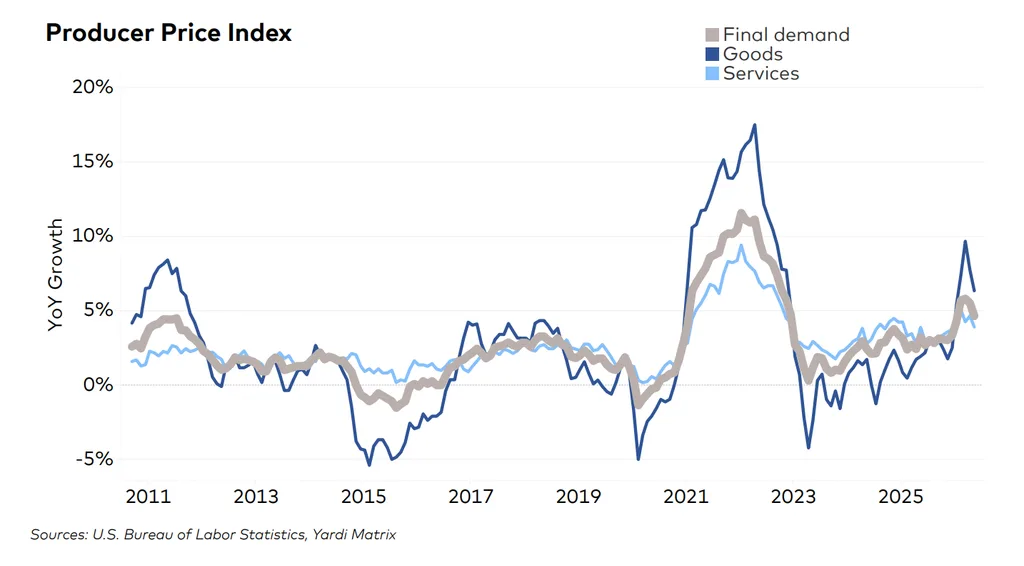
The current wave of data center moratoriums shows how quickly community resistance can become a development constraint. Gallup found that 70% of Americans would strongly or somewhat oppose a data center in their area. Yardi Matrix argues that limited disclosure around operating impacts has deepened public skepticism. For developers, approval risk now extends beyond power access and site control to local trust and transparency.
What’s Next
Yardi Matrix expects transparency to become fundamental to winning support for future projects. The report says communities rarely receive clear information about resource use and other facility impacts. Developers that provide better operating data could have a stronger case for responsible development. In markets pursuing audits or moratoriums, the next policy frameworks will shape how quickly new projects can move forward.