


NYC Rent Freeze Could Reshape Multifamily Lending Outlook
Fitch says the combination of revenue limits and higher expenses could create long-term challenges for owners and lenders.

Nina Dale
July 21, 2026
In partnership with

Good morning. New York's rent freeze is adding another layer of complexity to an already challenged multifamily market. While near-term CMBS risks remain limited, Fitch expects pressure to build as owners navigate higher costs and constrained revenue.
🎙️ This Week on No Cap: Josh Zegen, Co-Founder of Madison Realty Capital, shares how the firm built a $20B private credit platform, navigated market cycles, and is approaching today’s biggest real estate lending opportunities. (Thanks to our sponsor, Lennar Investor Marketplace)
Listen & subscribe: Apple Podcasts | Spotify | YouTube

IN PARTNERSHIP WITH ARBOR REALTY TRUST
Discover Arbor's Data-Driven CRE Insights

From in-depth research reports to impactful articles, Arbor Realty Trust and Chandan Economics partner to bring you exclusive thought leadership content about key trends shaping commercial real estate finance, including multifamily, single-family rentals, and affordable housing.
Stay on top of the markets by subscribing to receive first access to our reports, articles, and product news.
*This is a paid advertisement. Please see the full disclosure at the bottom of the newsletter.
Market Snapshot
|
||
|
||
|
||
|
||
|
||
|
Frozen Revenue
NYC Rent Freeze Raises Long-Term Risks for CMBS-Backed Multifamily Properties
New York City's rent freeze could provide tenant relief, but it is expected to increase financial pressure on rent-stabilized property owners and create new risks for the CMBS market.
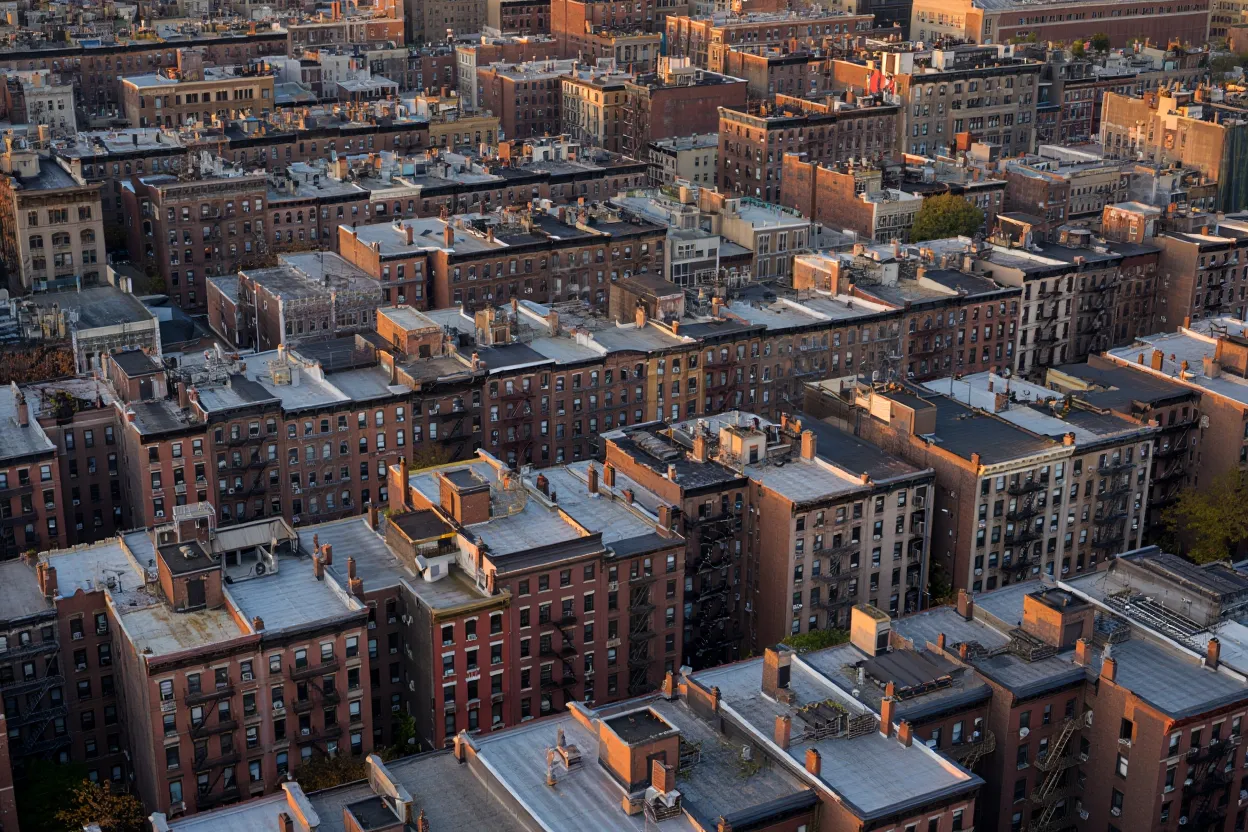
Impact on CMBS risk: Fitch Ratings warns that the rent freeze covering roughly 1 million stabilized apartments between Oct. 1, 2026, and Sept. 30, 2027, could increase credit risk as frozen revenue meets higher operating costs, elevated interest rates and tighter capital markets.
Most exposed properties: Older pre-1974 rent-stabilized buildings are considered the most vulnerable, accounting for about half of the city's stabilized housing stock. Properties with a mix of market-rate and stabilized units are expected to have more flexibility.

Rising costs pressure owners: Operating expenses for rent-stabilized assets have increased 31% since 2022, including a 5.3% year-over-year rise in the latest Rent Guidelines Board index. Fitch believes proposed relief measures, including insurance reductions and a $5 million loan program, may not fully offset the impact.
Potential fallout: Owners with weaker cash flow may delay repairs and renovations, while lenders could become more conservative when underwriting stabilized assets. Fitch expects higher special servicing activity and tighter financing conditions over the medium to long term.
Market gap: Rent-stabilized apartments average $1,603 per month, roughly 60% below market-rate units in high-demand submarkets, highlighting the financial challenge owners face when revenue growth is restricted.
➥ THE TAKEAWAY
A policy with long-term implications: While the immediate CMBS impact is expected to be limited, continued rent freezes could deepen pressure on older multifamily assets. Properties with diversified income streams may remain better positioned, while fully stabilized buildings could face greater refinancing and operational challenges.
Around New York
➥ New York construction unions are using the MetroLoft Pfizer conversion failure to push for stricter safety rules and broader union labor requirements across major development projects.
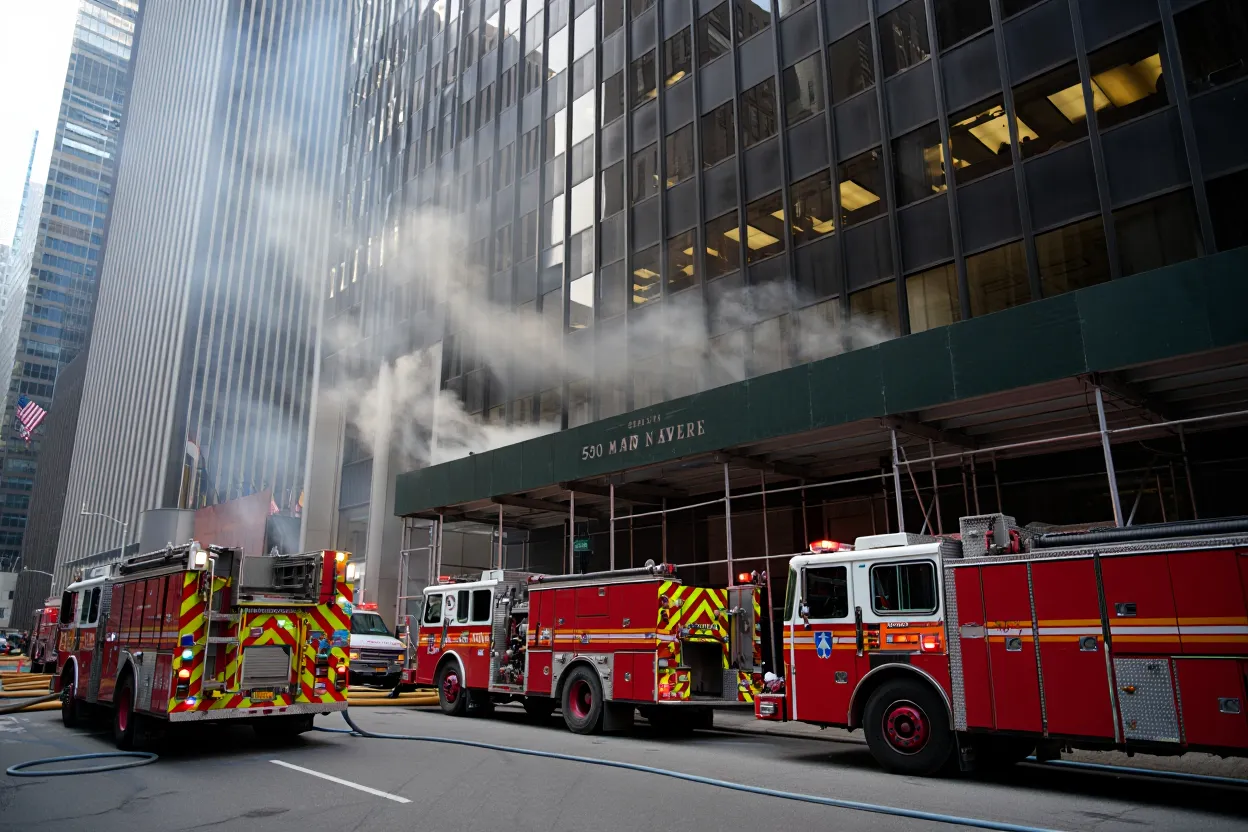
➥ A restaurant fire prompted the evacuation of Jefferies’ Manhattan HQ, displacing more than 200 people while the office tower remained undamaged.
➥ NYC unveiled housing reforms to strengthen enforcement against negligent landlords, expand tenant protections and tighten rental oversight.
➥ NYC hotels lead the nation in occupancy and new construction but remain below pre-pandemic levels as international travel and revenue continue to lag.
➥ A decade of inspections found widespread cooling tower violations in NYC, raising concerns over Legionella risks as officials respond to another outbreak.
Follow the Money
| RETAILNYC Prime New York retail availability fell to a record low in the second quarter, tightening supply and strengthening landlord leverage in the city’s top shopping corridors. |
| MARKETSNEW YORK Miami’s cost of living has surpassed greater New York’s, eroding the financial advantage that once drew high-income professionals to South Florida. |
| MULTIFAMILYEAST HARLEM New York City issued an RFP for a 140-unit mixed-use East Harlem project, advancing its plan to accelerate affordable housing development on city-owned land. |
| MULTIFAMILYBROOKLYN The New York City Council approved seven housing developments expected to deliver up to 3,250 new homes across the five boroughs, expanding housing capacity. |
| MULTIFAMILYHARLEM Mass Development secured a $45M construction loan to build a 72-unit condominium project with retail and community space in West Harlem, marking a major financing milestone. |
📈 CHART OF THE WEEK

-
📬 Newsletters: Stay ahead of the market with our national CRE Daily newsletter — or get hyper-local insights from CRE Daily Texas.
-
🎙️Podcast: No Cap by CRE Daily delivers an unfiltered look at the biggest trends—and the money game behind them.
-
🗓️ CRE Events Calendar: The largest searchable calendar of commercial real estate events—filter by city or sector.
-
📊 Market Reports: A centralized hub for brokerage research and market intelligence, all in one place.
-
📈 Fear & Greed Index: A fully interactive sentiment tracker on the pulse of CRE built in partnership with John Burns Research & Consulting.

You currently have 0 referrals, only 1 away from receiving Multifamily Stress Test Model.
What did you think of today's newsletter? |