



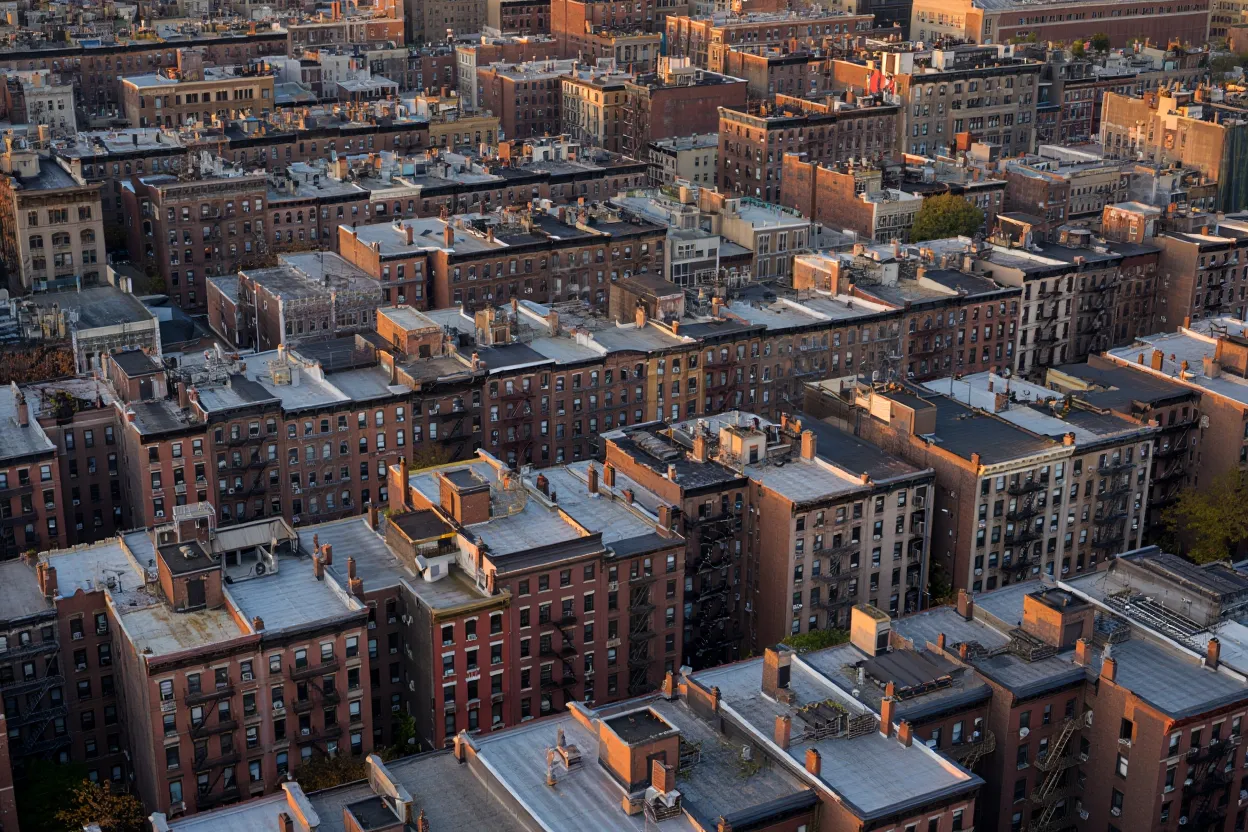
- Fitch Ratings warns that NYC’s rent freeze will heighten CMBS credit risk for rent-stabilized assets, especially pre-1974 properties.
- Owners face operating cost hikes of 5.3% year-over-year, while support measures like reduced insurance premiums are not expected to offset revenue constraints.
- The freeze signals more cautious underwriting, likely special servicing volume increases, and operational strain on NYC’s largest stabilized apartment segment.
New Fiscal Squeeze for Rent-Stabilized Landlords
New York City’s latest rent freeze targets roughly one million rent-stabilized apartments, putting new pressure on multifamily owners with commercial mortgage-backed securities (CMBS) exposure. As reported by Fitch Ratings and covered by Globe St, the Rent Guidelines Board voted to freeze rents for all stabilized renewals between October 2026 and September 2027. Landlords already navigating stricter capital markets and high interest rates must now contend with frozen revenue streams. Fitch said the risk is particularly acute for assets held under regulatory constraints, predicting mounting credit pressure for certain CMBS borrowers.
Pre-1974 buildings—which comprise about half of the city’s stabilized inventory—appear most exposed according to Fitch. They suffer from less revenue flexibility and higher operational challenges compared with buildings with a mix of market-rate apartments, which have more resilience. Though immediate risk to CMBS remains modest, Fitch foresees it increasing as the freeze persists.
Get Smarter About What Matters in New York
Subscribe to our free newsletter covering the biggest commercial real estate stories across the five boroughs — delivered in just 5 minutes.
Cost Pressures Outrun Support Measures
Operating costs for rent-stabilized properties rose 5.3% year over year, according to the Rent Guidelines Board’s Price Index. The board published the index in April 2026. Since 2022, owners have absorbed a 31% cumulative increase in expenses.
These cost increases outpace city efforts to ease the burden. Mayor Zohran Mamdani plans to cut insurance premiums for affordable housing operators by up to 30%. He also proposed a $5M loan pool for a one-time vacancy rent increase before the freeze. However, Fitch doubts these measures will offset rising costs and capped revenue. The agency expects struggling buildings to delay repairs and renovations. That could hurt unit quality and long-term habitability.
Elevated Default Risks for Older Stabilized Assets
Fitch says pre-1974 stabilized properties face the highest default risk. Rent growth has stalled, while operating expenses continue rising. In the same high-demand NYC submarkets, stabilized units average about $1,603 in monthly rent. That remains roughly 60% below comparable market-rate apartments.
Buildings with both market-rate and stabilized tenants have more financial flexibility. Fully stabilized buildings face much greater pressure over time. CMBS performance has not weakened sharply yet. Still, Fitch urges closer scrutiny as more loans near maturity. Many owners face uncertain refinancing prospects because net operating income has stalled or declined.
Why It Matters
The rent freeze reaches beyond individual properties. It reshapes how lenders and investors evaluate New York City’s multifamily market. Rent-stabilized owners face rising expenses and strict rent limits. According to the Rent Guidelines Board, insurance, taxes, and maintenance costs have exceeded allowed rent increases for four straight years. That trend continues squeezing operating margins. Many smaller landlords have also warned that prolonged rent limits threaten building upkeep and long-term financial viability.
The city has introduced insurance relief and vacancy-related rent increases. However, Fitch considers both measures too limited. The agency believes they cannot offset inflation or the structural pressures affecting the sector.
For capital markets, the outlook carries broad implications. As cash flow weakens, more CMBS loans could enter distress. Lenders already underwrite stabilized multifamily properties more conservatively. They also reduce loan proceeds and tighten covenants.
That trend could accelerate deferred maintenance and fewer renovations. Property conditions may deteriorate further as a result. Investors and servicers may also face more workouts and loan modifications. Meanwhile, the market will watch for additional rent freezes. More freezes would deepen these risks for brokers and investors.
What’s Next
The next year will test borrowers and city policy. The rent freeze takes effect in October 2026. Lenders and special servicers will closely monitor loan performance, especially among pre-1974 properties.
Fitch could revise its outlook if insurance relief or emergency loans prove more effective than expected. For now, the agency expects pressure to increase. Investors should prepare for a more volatile financing market. They should also expect greater uncertainty as Mayor Mamdani’s administration shapes future housing policy.