






- Third-quarter GDP grew 3.4% annualized and corporate investment rose 12.1%, yet 3.7% inflation, a near-5% 10-year Treasury and weak consumer sentiment keep pressure on commercial real estate.
- Industrial vacancy fell to 7.6%, office vacancy eased to 15.8% after 10 straight quarters of positive absorption, and multi-tenant retail vacancy held at 5.8% for a third quarter.
- Apartment vacancy splits by region, 5.7% in the Sun Belt versus 3.8% elsewhere, so performance now depends more on market, subtype and asset than on national averages.
Commercial real estate is holding up against mixed economic signals, according to Marcus & Millichap’s November research brief, with industrial, apartments and retail all showing pockets of strength.
Third-quarter GDP grew at a 3.4% annualized rate. Inflation, though, is running at 3.7% and the 10-year Treasury is near 5%.
Get Smarter about what matters in CRE
Stay ahead of trends in commercial real estate with CRE Daily – the free newsletter delivering everything you need to start your day in just 5-minutes
Mixed Macro Signals
The firm points to retail sales up 6.3% year over year and corporate investment up 12.1%, with ISM indexes signaling continued momentum.
On the other side, home sales are down 2.2% and consumer sentiment is hovering near record lows.
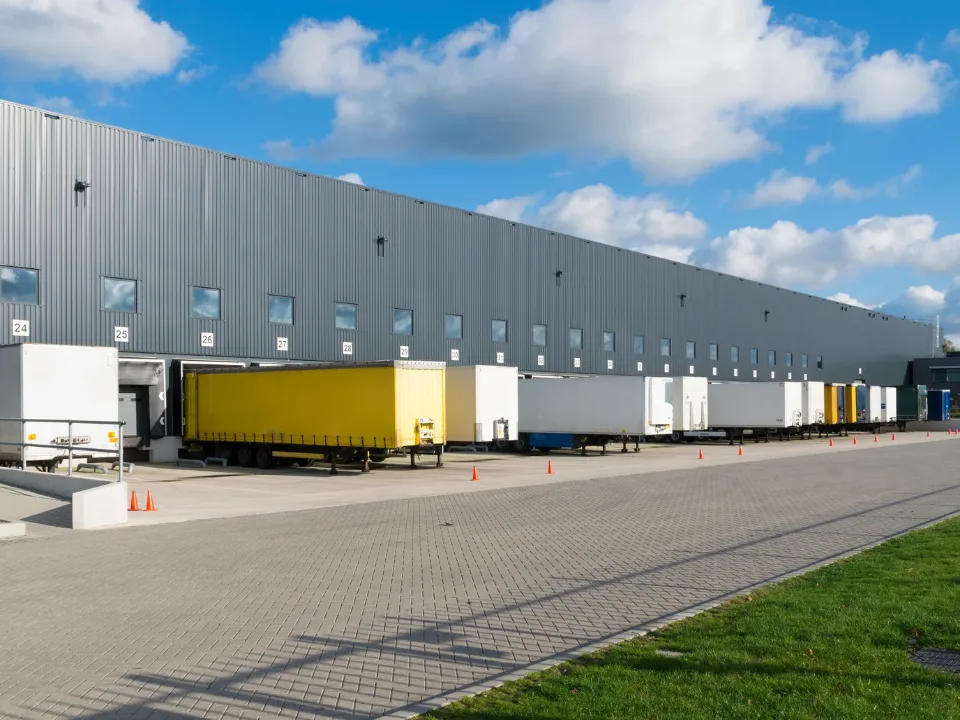
Industrial Keeps Tightening
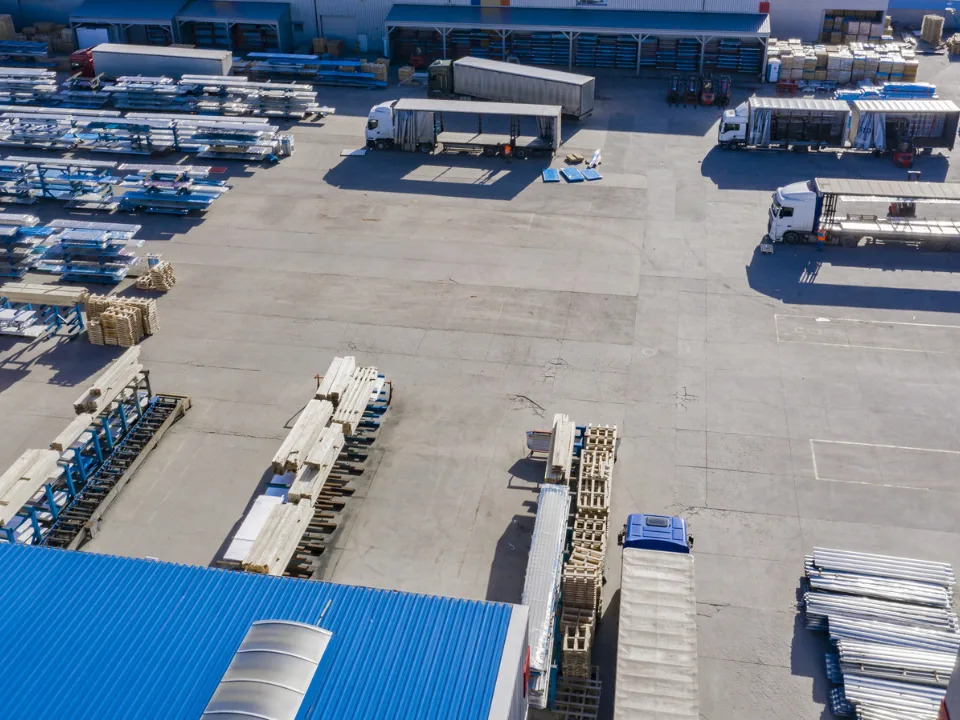
Industrial vacancy dropped to 7.6% in Q3 as demand firmed. New construction has dropped sharply since 2024, which helped rebalance supply and demand.
Large distribution warehouses lead the recovery, with vacancy in buildings of 750,000-plus square feet down 260 basis points in a year. Midwest metros dominate the low-vacancy list, led by Milwaukee, Minneapolis-St. Paul, Detroit, Cleveland and Cincinnati.
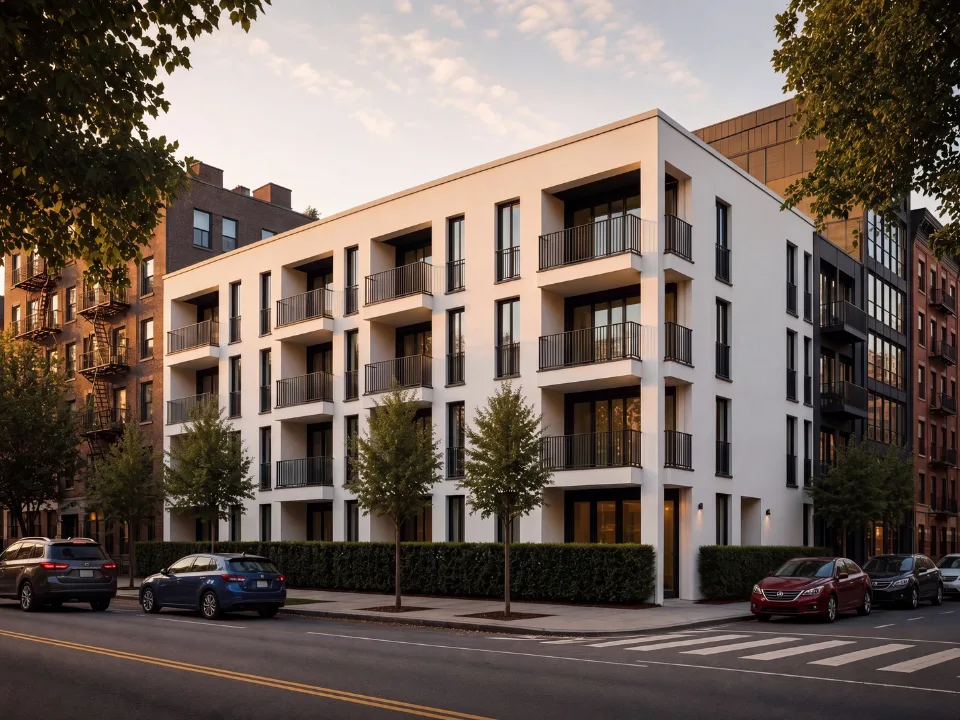
Apartments Split by Region
Stabilized apartment vacancy averaged 5.7% in the Sun Belt and 3.8% elsewhere. Counting properties still in lease-up, the gap is 7.3% versus 4.4%.
Apartments are tightest in Milwaukee, Detroit, San Jose and New York.
The firm’s separate multifamily data tells a similar story. Q3 sales hit their second-highest quarterly level in four years, and we reported that higher rates may still force sellers to cut prices.
Office and Retail Diverge
Office vacancy slipped to 15.8%, backed by 10 consecutive quarters of positive absorption. Weakness concentrates in older downtown buildings in slower-growing metros, while newer, amenity-rich space outperforms.
Multi-tenant retail vacancy held at 5.8% for a third straight quarter, up a mere 40 basis points over two years. New tenants keep backfilling vacated space, generally at higher rents, and major subtypes have converged near 4.9%.
Why It Matters
Fundamentals look steadier than the rate backdrop suggests, but pricing is the open question. CBRE has said cap rates could rise 40 to 60 basis points with the 10-year above 5%, with multifamily and industrial exposed most.
That is why Marcus & Millichap stresses selectivity: results vary widely by market, subtype and asset.
What’s Next
The data run through the third quarter of 2026. Watch whether the Treasury yield and inflation ease before sellers and buyers close the pricing gap.