



- Interior cities like Dayton, Providence, and Omaha are now considered the most landlord-friendly logistics markets, per Cresa’s 2026 Industrial Index.
- Tight supply, limited new construction, and steady demand are keeping vacancy rates low in these markets, supporting owners’ pricing power and rent stability.
- Coastal gateways face softening rents and increased vacancies after years of speculative building, underscoring a reversal in market leverage.
Supply-Side Discipline Pays Off
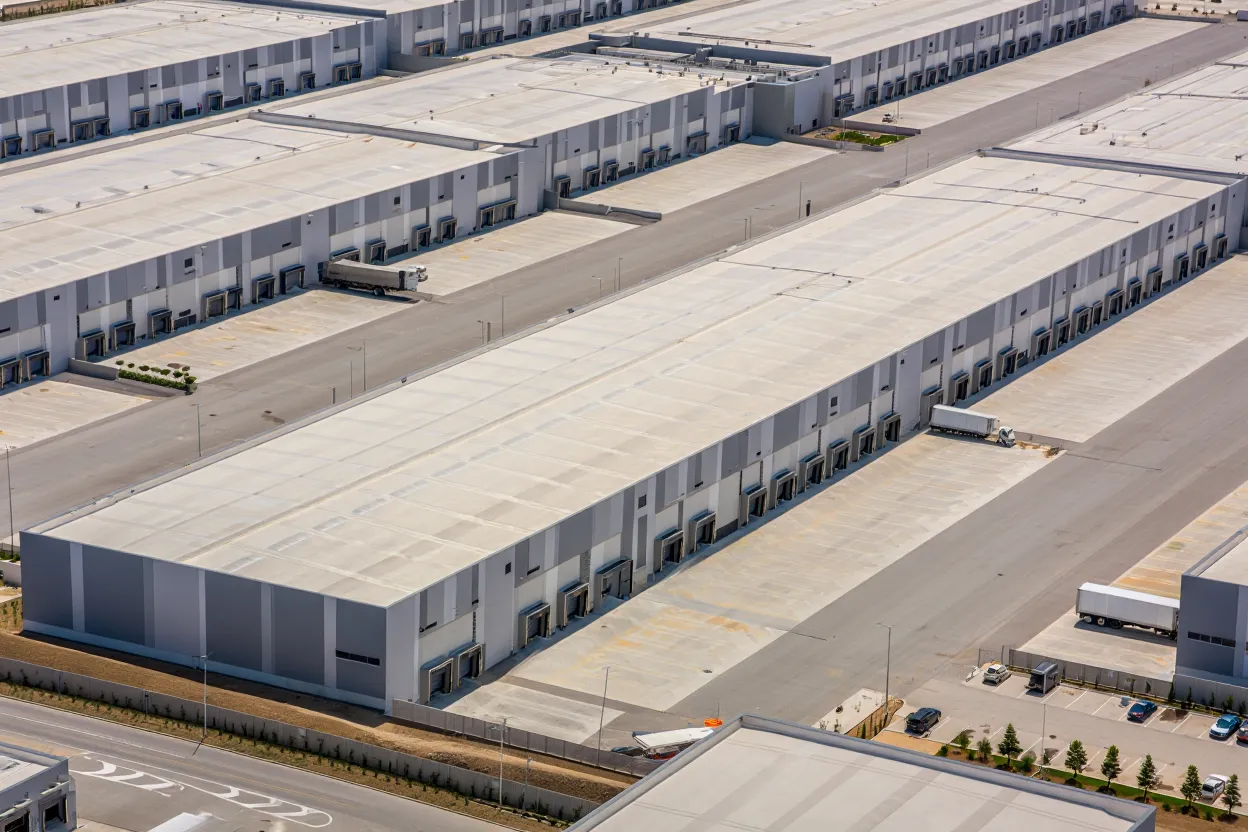
The prevailing narrative for industrial real estate has shifted inland. According to Globe St, which obtained an exclusive look at the Summer 2026 Cresa Industrial Index, top-tier leverage has migrated from coastal cities to secondary logistics markets such as Dayton, Providence, and Omaha. Unlike their port-adjacent peers, these cities largely sat out the speculative construction surge of the past several years. The result is a supply-demand balance that now tips toward landlords, as steady tenant demand meets exceptionally disciplined new deliveries. Historically overshadowed by bigger markets, these cities have become case studies in how measured supply can outlast the cycle’s hottest headlines. The industry is taking notice, adjusting investment and leasing strategies accordingly.
Get Smarter about what matters in CRE
Stay ahead of trends in commercial real estate with CRE Daily – the free newsletter delivering everything you need to start your day in just 5-minutes
The Details
Cresa’s 2026 Industrial Index highlights the metrics driving this inland shift. Omaha posts a 2.2% logistics vacancy rate, among the lowest in mid-sized US markets. Rent growth remains steady, while absorption stays strong.
Dayton and Providence also report tight vacancies and limited construction. Those conditions keep landlords in control during lease negotiations. Providence’s strength also mirrors its growing appeal beyond industrial real estate, with housing demand reinforcing the market’s broader momentum.
Akron also stands out. It combines healthy leasing activity with manageable new supply, strengthening landlord leverage.
Meanwhile, gateway markets continue to lose ground. Los Angeles and the Inland Empire face negative rent growth and rising sublease availability. New projects also lease more slowly. Cresa reports average quarterly rent growth of just 0.01% across major coastal markets.
Coastal Gateways Lose Their Edge
Industrial demand cooled after the pandemic. As a result, gateway markets now face the effects of aggressive development. Globe St reports higher vacancies and stronger tenant concessions across West Coast logistics hubs. Big-box properties face the greatest pressure.
Developers added too much space during the pandemic logistics boom. That wave left markets like Los Angeles with weaker fundamentals. Meanwhile, Providence and Dayton avoided the same correction by limiting new supply.
Cresa ranks several interior mid-sized markets among the nation’s most landlord-friendly. The shift reflects disciplined supply management, not a temporary cycle. Even Akron benefits from balanced construction and consistent tenant demand.
Why It Matters
This geographic power shift is a critical development for CRE investors and operators focused on industrial. For much of the past decade, capital and tenant demand primarily chased coastal scarcity, betting rents would rise indefinitely amidst chronic undersupply. Cresa’s 2026 index flips that logic: medium-sized, carefully managed interior markets now exhibit the strongest landlord leverage and rental growth prospects. Owners in Dayton, Providence, Omaha, and Akron are able to sustain or modestly grow rents without leaning heavily on concessions, a marked contrast to their coastal peers. According to the index, maintaining a balanced development pipeline has insulated these markets from whipsaw volatility.
The lesson for both institutional investors and corporate occupiers is clear. Portfolio strategy must adapt to new realities: coastal gateway cachet no longer guarantees outsized returns, and old assumptions about inland market pricing power no longer hold. Retailers and 3PLs recalibrating their footprint should reconsider the presumed negotiating leverage of secondary markets. Conversely, landlords in these areas may be positioned for outsized performance as the cycle matures. The data-driven analysis underscores a simple truth—restraint and local nuance often outlast broad-market hype in CRE.
What’s Next
All eyes now turn to how both owners and tenants will react to this late-cycle reset. Institutional investors are expected to continue diversifying beyond traditional gateways, seeking stability in well-managed heartland logistics hubs. Meanwhile, large occupiers will likely adjust site selection and negotiation tactics, acknowledging that the days of default concessions in interior markets may be over. Cresa’s findings suggest the trend could persist as long as new supply remains constrained and large gateways wrestle with excess inventory. For landlords and developers, disciplined pipeline management and local market intelligence will determine who retains leverage as the industrial cycle approaches its next phase.