




- Columbus is witnessing a surge of tech and advanced manufacturing investment, drawing comparisons to established tech centers.
- Major commitments include Intel’s $28B chip facility, defense contracts, and over 130 data centers operated by industry giants.
- Policy, partnerships, and incentives are accelerating growth, but rapid expansion is facing community resistance and regulatory scrutiny.
Columbus Accelerates as Tech and Manufacturing Hotspot
Columbus has shifted from Rust Belt afterthought to a Midwest powerhouse for advanced manufacturing and artificial intelligence. Globe St reports that cranes blanket the skyline as data centers, chip plants, and AI-focused startups reshape the city in ways reminiscent of the Bay Area’s tech boom over a decade ago. The infusion of both public and private capital is fueling a transformation that positions Columbus as the region’s leading magnet for tech-driven industry and real estate development.
Get Smarter about what matters in CRE
Stay ahead of trends in commercial real estate with CRE Daily – the free newsletter delivering everything you need to start your day in just 5-minutes
Tech Corridor Rethink: From Rust Belt to AI Hub
Columbus’s ascendance has roots in more than a decade of investment and coordination between educational institutions, government, and private enterprise. The Ohio Center for Advanced Technologies, backed by $9.5M in federal funds, and the Advanced Manufacturing Center of Excellence are producing a skilled workforce to support this growth. Proximity to top universities and regulatory advantages have helped attract and retain both capital and talent.
The Details
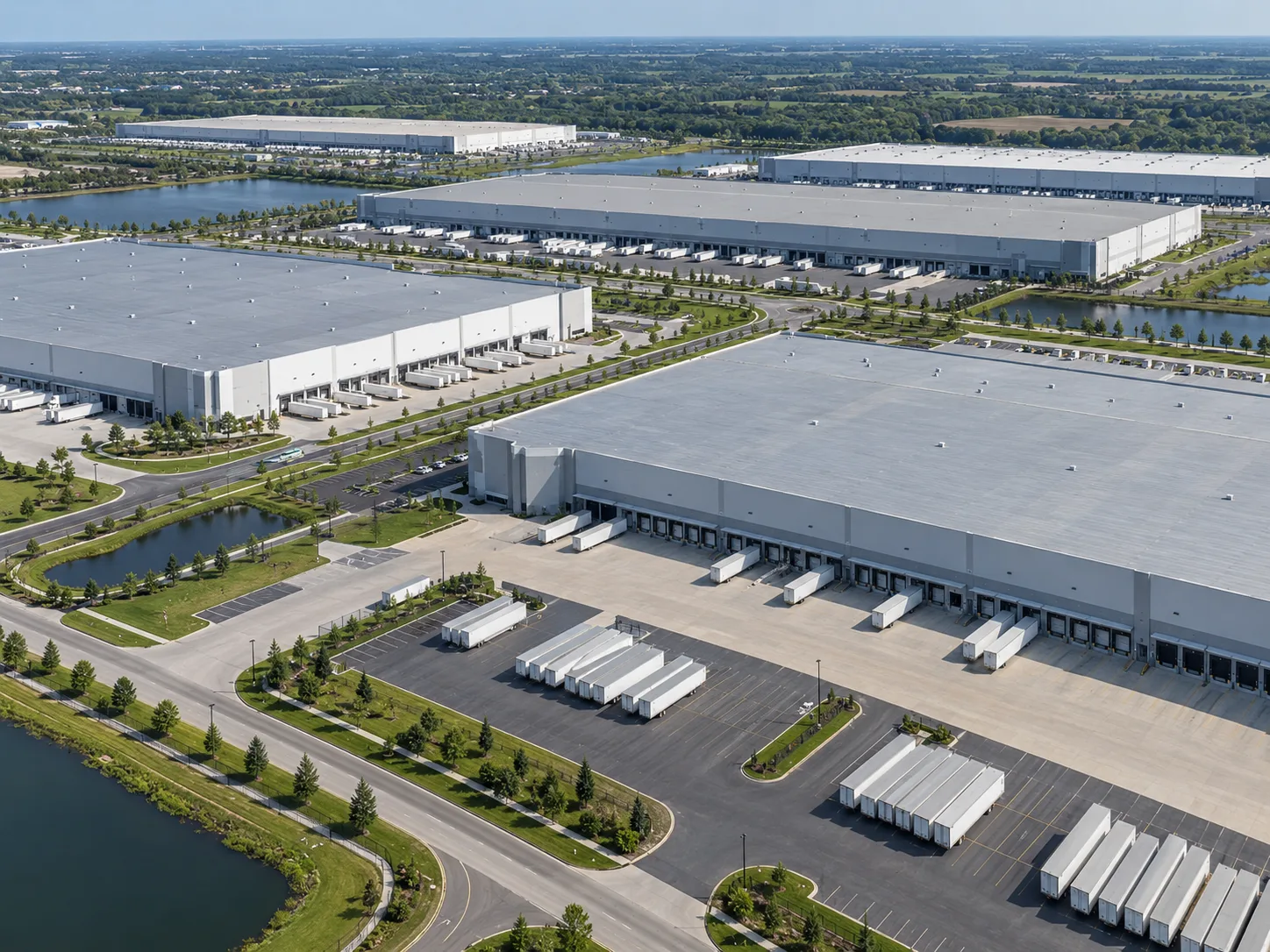
The city and surrounding region now host 138 data centers, with Microsoft, Amazon, Google, Meta, and Vantage among their operators, per Data Center Map. Intel’s $28B semiconductor fab is among the most significant US chip projects underway. Anduril secured $310M in state funds for a $1B factory creating 4,000 jobs, focusing on autonomous military drones. Meta and other tech giants are ramping up AI infrastructure, while local venture firms—including Mark Kvamme’s $647M fund—are channeling investment into Ohio-based startups like Eagle Wireless.
Policy Incentives Spark Capital Inflows
Federal initiatives like the CHIPS and Science Act have fueled billions in investment across the region. As a result, Columbus continues to strengthen its position as a hub for emerging industries. At the same time, local incentives help developers move projects forward faster. Grants, streamlined permitting, and lower taxes reduce costs and shorten timelines. Consequently, Columbus holds an advantage over peer metros that face regulatory hurdles and higher development expenses.
Why It Matters
Columbus’s transformation highlights how targeted public investment and policy can redirect the trajectory of established markets. According to Brookings, the CHIPS Act was a turning point, redirecting venture and corporate capital into cities like Columbus. That momentum is also showing up in housing development, with Columbus recently ranking among the nation’s leaders in multifamily permitting activity. The region now offers a blueprint for other Midwestern metros seeking to attract tech and advanced manufacturing jobs. The rise of 138 data centers alone signals critical infrastructure for the digital economy, with tangible opportunity for CRE professionals in data center and industrial development.
What’s Next
Stakeholders will be watching the pace of large-scale project delivery—and potential bottlenecks from regulatory or community pushback. With a statewide campaign emerging to restrict further data center expansion, the next phase of growth may be shaped by how local leaders balance development incentives with resident concerns. For now, Columbus continues to set the pace for Midwest tech and manufacturing investment.