

- Data centers have evolved from single-rack server rooms into multibuilding campuses, with a median of 250,000 SF per structure since 2020.
- AI-era server racks can draw 250 kilowatts, 10 times the late-1990s standard, and new campuses increasingly require their own on-site power plants.
- Opposition groups more than doubled to 833 across 49 states, making power availability and community buy-in central to data center site selection.
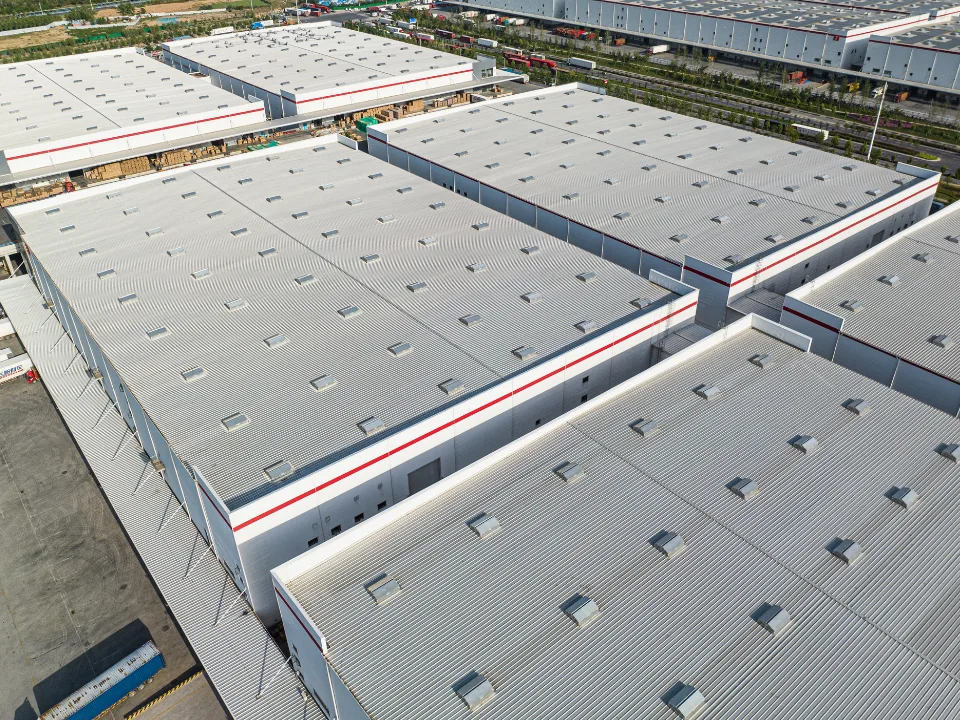
AI has transformed the data center from a backroom server closet into a sprawling, multibuilding major land user, according to CoStar News. Today’s data center campuses can span hundreds of acres, with power needs now measured in gigawatts.
That growth is colliding with mounting public pushback over power, water and land use, reshaping how and where developers can build.
Get Smarter about what matters in CRE
Stay ahead of trends in commercial real estate with CRE Daily – the free newsletter delivering everything you need to start your day in just 5-minutes
From Sabre to Server Farms
American Airlines and IBM built Sabre in 1960. The system is widely considered the first large-scale data center. It linked reservation desks nationwide. By the mid-1960s, Sabre handled 7,500 reservations an hour, according to IBM.
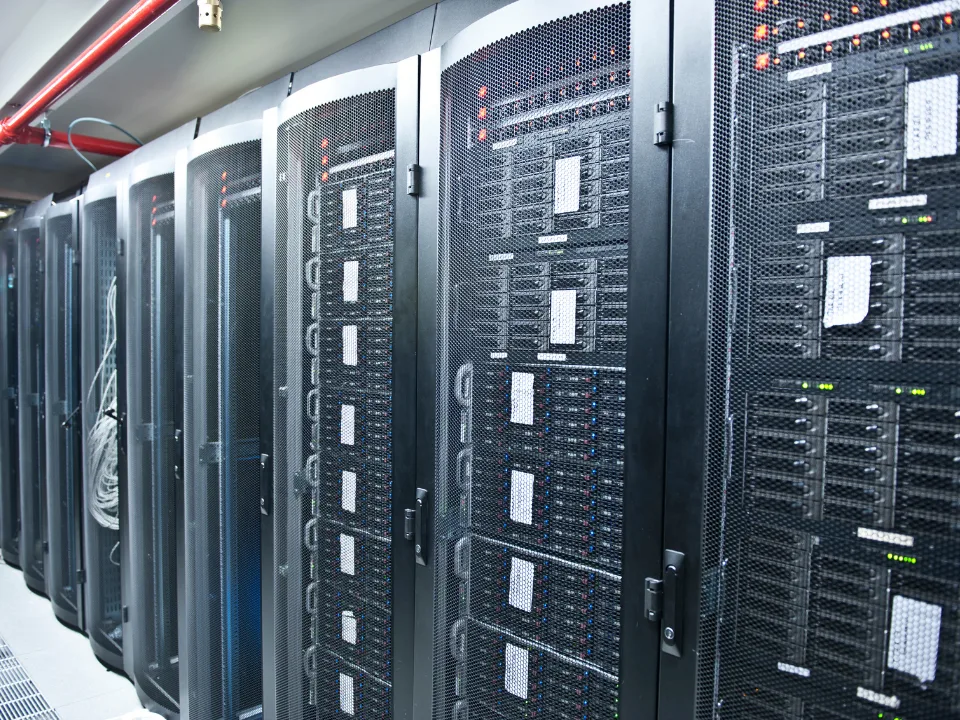
In the late 1990s, a business could often operate with one server rack. That rack drew about 25 kilowatts, enough to power roughly 25 homes. Today, cloud computing and AI require racks that can use 250 kilowatts each.
Northern Virginia saw this evolution early. Taylor Chess of Peterson Cos. recalled one of the region’s first facilities. The 15,000-SF building used roughly 6 megawatts. It sat next to AOL’s campus. Chess said data centers through the 2000s looked more like office buildings than today’s industrial boxes.
The Details
During the 2000s, data centers often shared multitenant buildings. By the 2010s, massive single-purpose facilities had become the norm.
Since 2020, campuses have expanded into multibuilding sites. According to data intelligence firm Aterio, each structure now has a median size of 250,000 SF.
Aterio CEO Sergio Toro told CoStar that building sizes have grown about 60% over the decades. Meanwhile, the number of chips per building has nearly quadrupled. Walbridge President John Rakolta III said developers considered 5- to 10-megawatt facilities large 20 years ago.
Modern facilities now follow a fairly standard layout. Data halls use hot and cold aisles for cooling. Raised floors carry power and cooling infrastructure. Separate power rooms provide battery and generator backup. A network operations center monitors the facility.
Data Center Campuses Move Into New Territory
Chess said a turning point came around 2018. AI development began to accelerate at that time.
Now, communities are seeing proposals that start at the top of the size range. Many target rural industrial areas with no history of data center development.
That shift reflects demand spreading into frontier markets beyond traditional hubs. In addition, projects increasingly need their own power plants. Big tech firms want to avoid relying entirely on regional grids.
The investment scale is unprecedented. Cumulative U.S. data center and AI spending could reach $10.3 trillion by 2032. That equals 3.6% of GDP per year. The figure exceeds the $6.35 trillion spent on railroads from 1870 to 1890 in today’s dollars, according to a Columbia University and Brookings Institution report.
Why It Matters
However, public support is slipping as campuses grow. Data Center Watch counted 833 groups opposing data centers across 49 states in early 2026. The research initiative from 10a Labs said that total more than doubled year over year.
More than 300 data center bills emerged during the first six weeks of 2026 alone. Meanwhile, dozens of states are considering moratoriums. That adds to the data center moratoriums already taking shape locally.
Chess described the entitlement environment as a hurricane.
Developers are responding where possible. Some are adopting water-recycling cooling systems and quieter fan technology. Others are pledging to cover electricity costs. Governments increasingly want projects to pay for added power needs.
What’s Next
Demand continues to grow. Matt Landek, CEO of Walbridge’s new L5 Mission Critical, said hyperscalers have signaled plans to double down on computing capacity. That could set up a race for available capacity.
Meanwhile, CBRE’s Pat Lynch said users will go where both space and power are available. Cushman & Wakefield’s Bo Bond added that communities often need to upgrade their utility systems to attract projects.
Ultimately, broader concerns about AI’s impact on jobs and the economy could shape the next phase of data center development.