




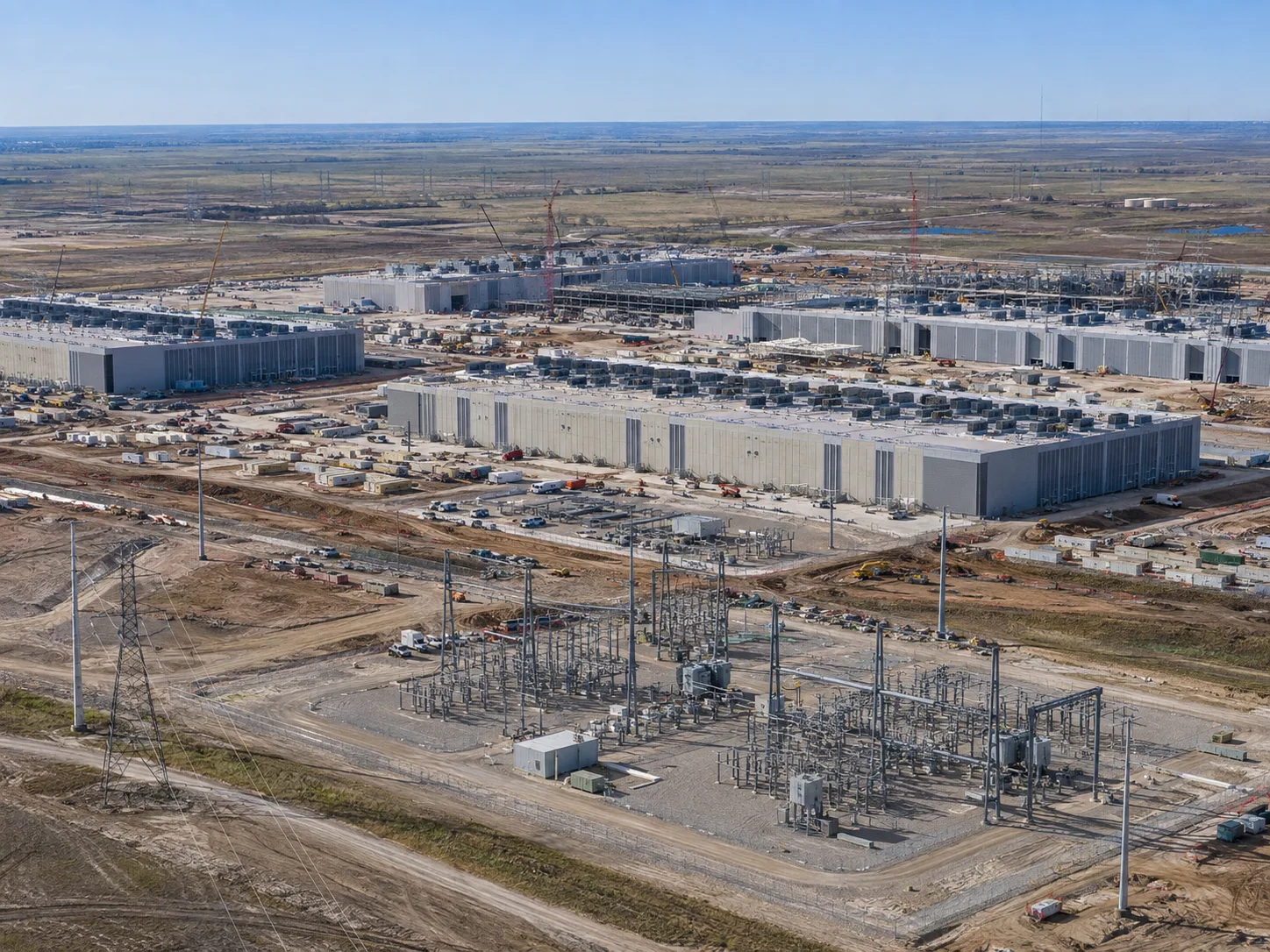



- North American data-center absorption reached 25 GW in the first half of 2026, double the year-earlier level and five times H1 2024.
- More than 66 GW is under construction, yet JLL reports vacancy at just 1% as hyperscalers and AI firms prelease new capacity.
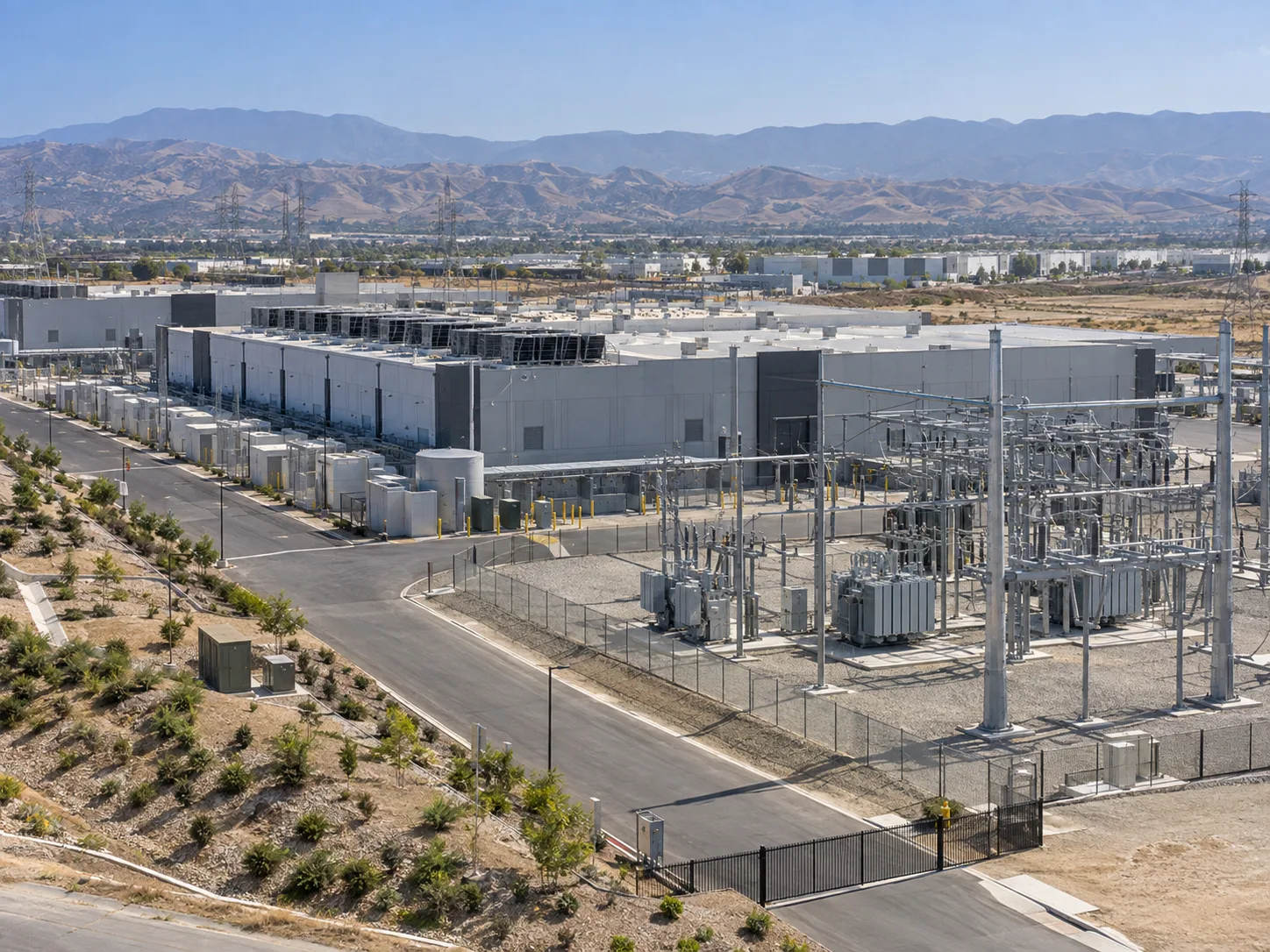
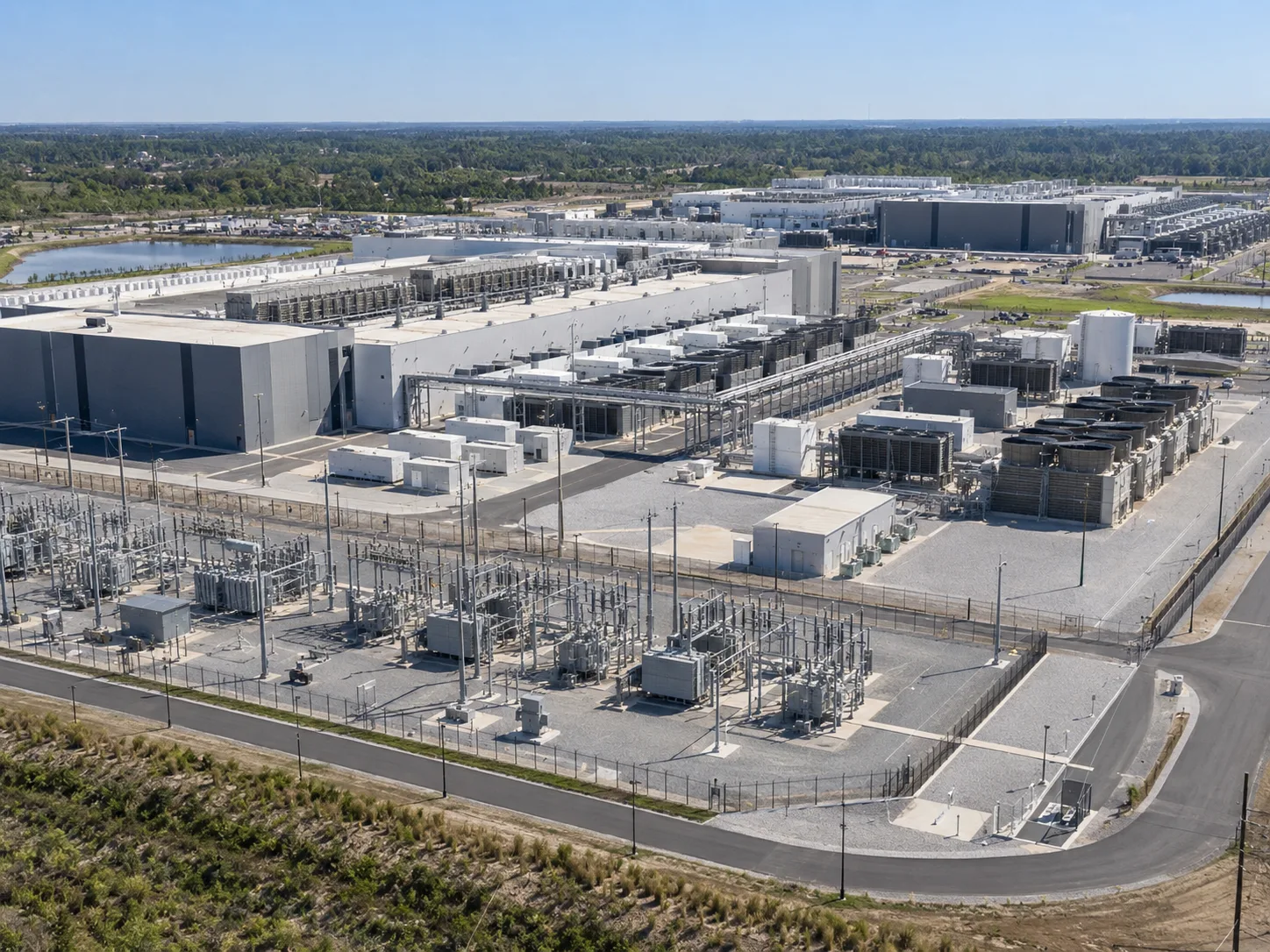
- Frontier markets now represent 77% of the construction pipeline, with Texas, Ohio, Louisiana, the Carolinas, and other power-rich regions gaining share.
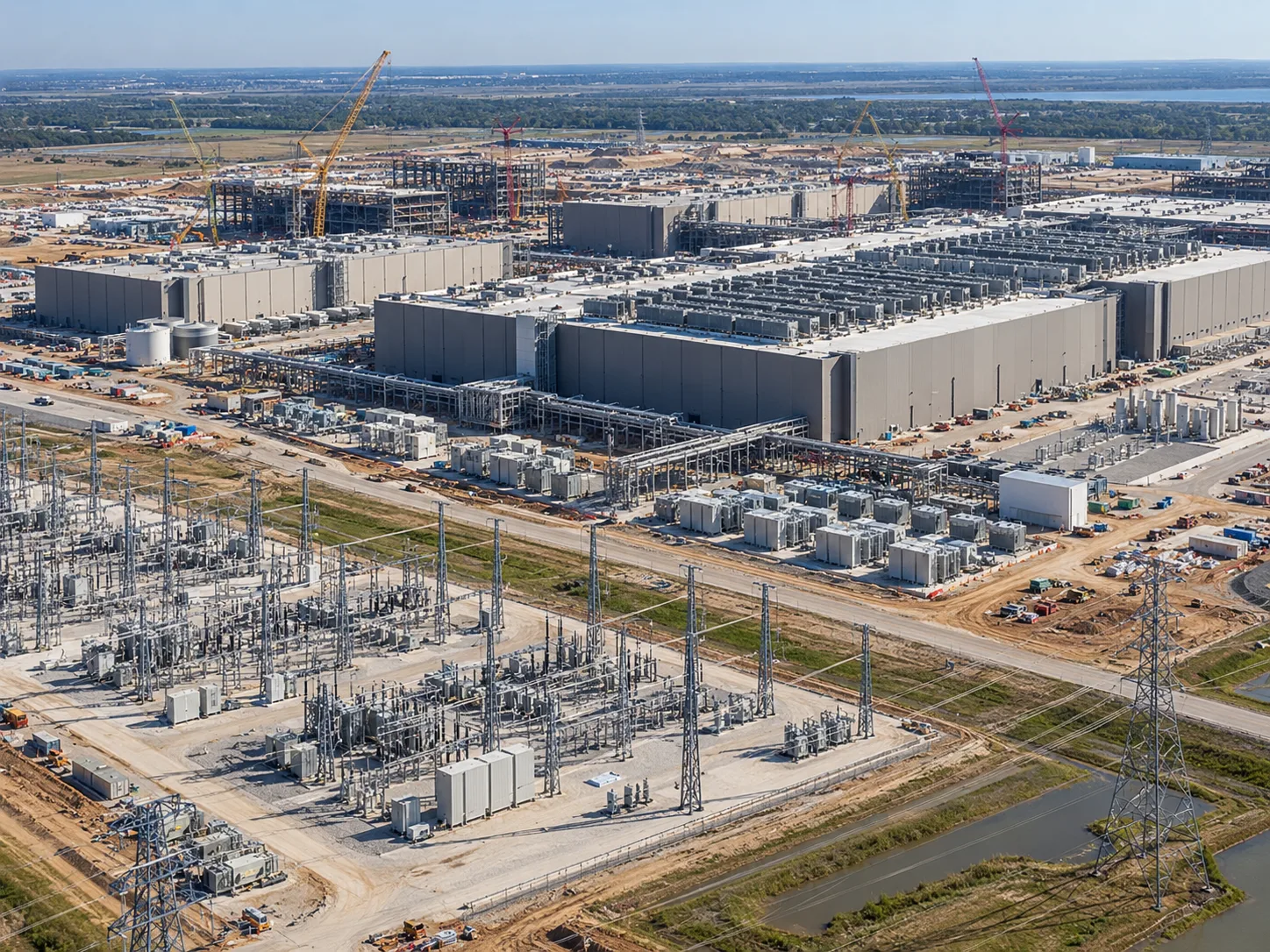
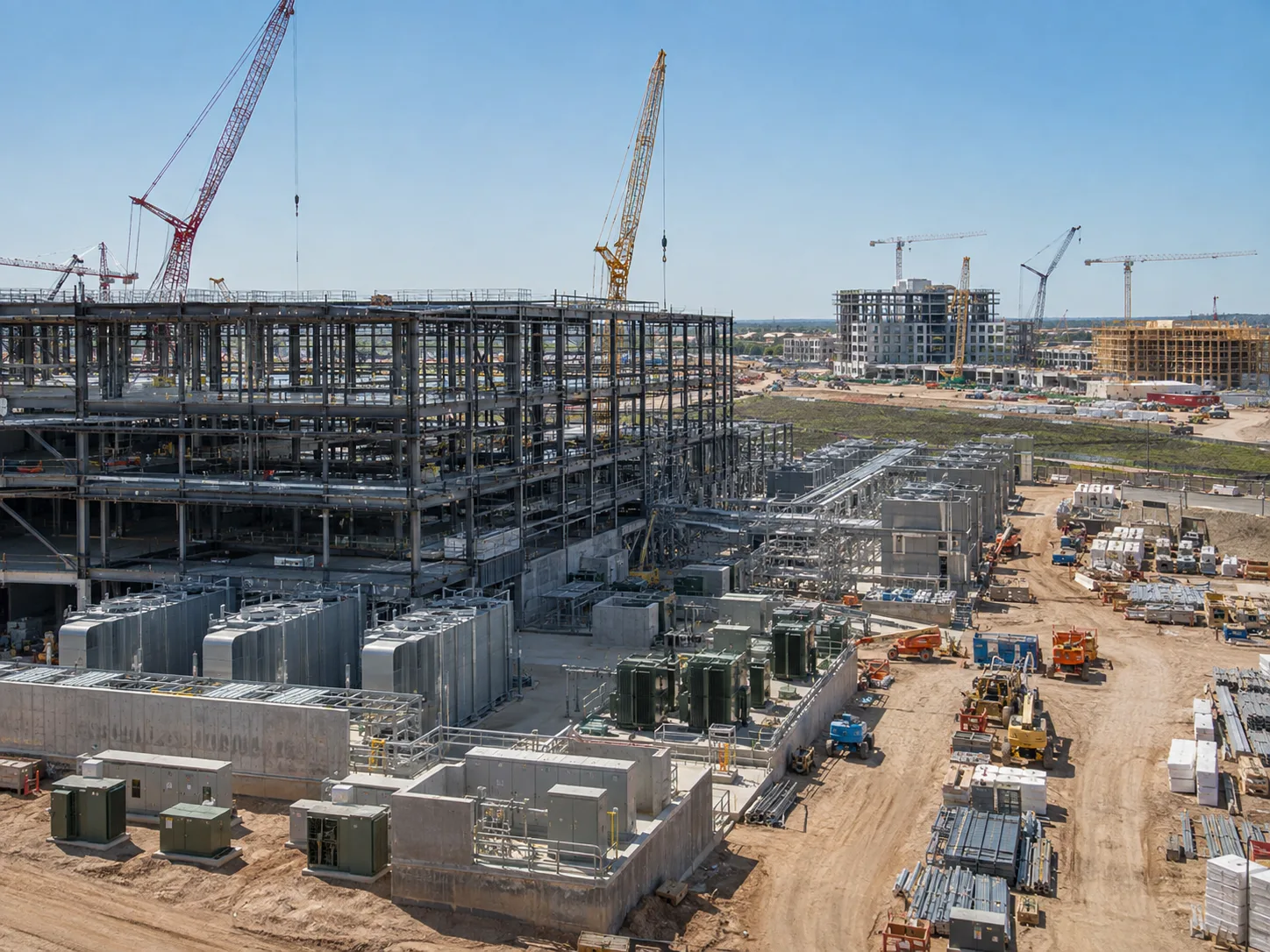
North American data-center demand is outrunning a record construction boom and redrawing the industry’s development map. Bisnow’s review of new JLL and CBRE data says first-half absorption reached 25 GW. That is double the prior-year level and five times H1 2024. More than 66 GW is under construction across North America. JLL says that pipeline is large enough to more than double existing inventory.
Get Smarter about what matters in CRE
Stay ahead of trends in commercial real estate with CRE Daily – the free newsletter delivering everything you need to start your day in just 5-minutes
Data Center Demand Outruns Construction
JLL describes the current pipeline as extraordinary. The 66 GW under construction represents more electricity demand than all of Germany. CBRE’s separate review of North America’s eight largest primary markets also found a record construction pipeline.
Capacity under construction in those primary markets rose 24.8% during the first six months of 2026. The total surpassed the previous record by more than 1 GW. The pipeline is now roughly 12 times larger than it was in 2021.
JLL’s market team said demand continues to exceed even industry expectations. The scale of the pipeline confirms how aggressively developers are responding, but the absorption figures show new supply is still arriving behind tenant requirements.
Vacancy Falls Despite Record Building
New capacity is being committed before delivery. JLL puts North American vacancy at just 1%. CBRE reports primary-market vacancy at 1.4%, down from 1.6% a year earlier. That is a record low.
Available supply is mostly limited to small, fragmented blocks. Large users often need dozens or hundreds of megawatts. CBRE says more than 80% of under-construction capacity in primary markets is already committed. Less than 1.5 GW remains available.
Preleasing explains why construction has not translated into more choice for large tenants. Most future capacity is spoken for long before completion, especially in the primary markets tracked by CBRE.
Frontier Markets Take the Pipeline
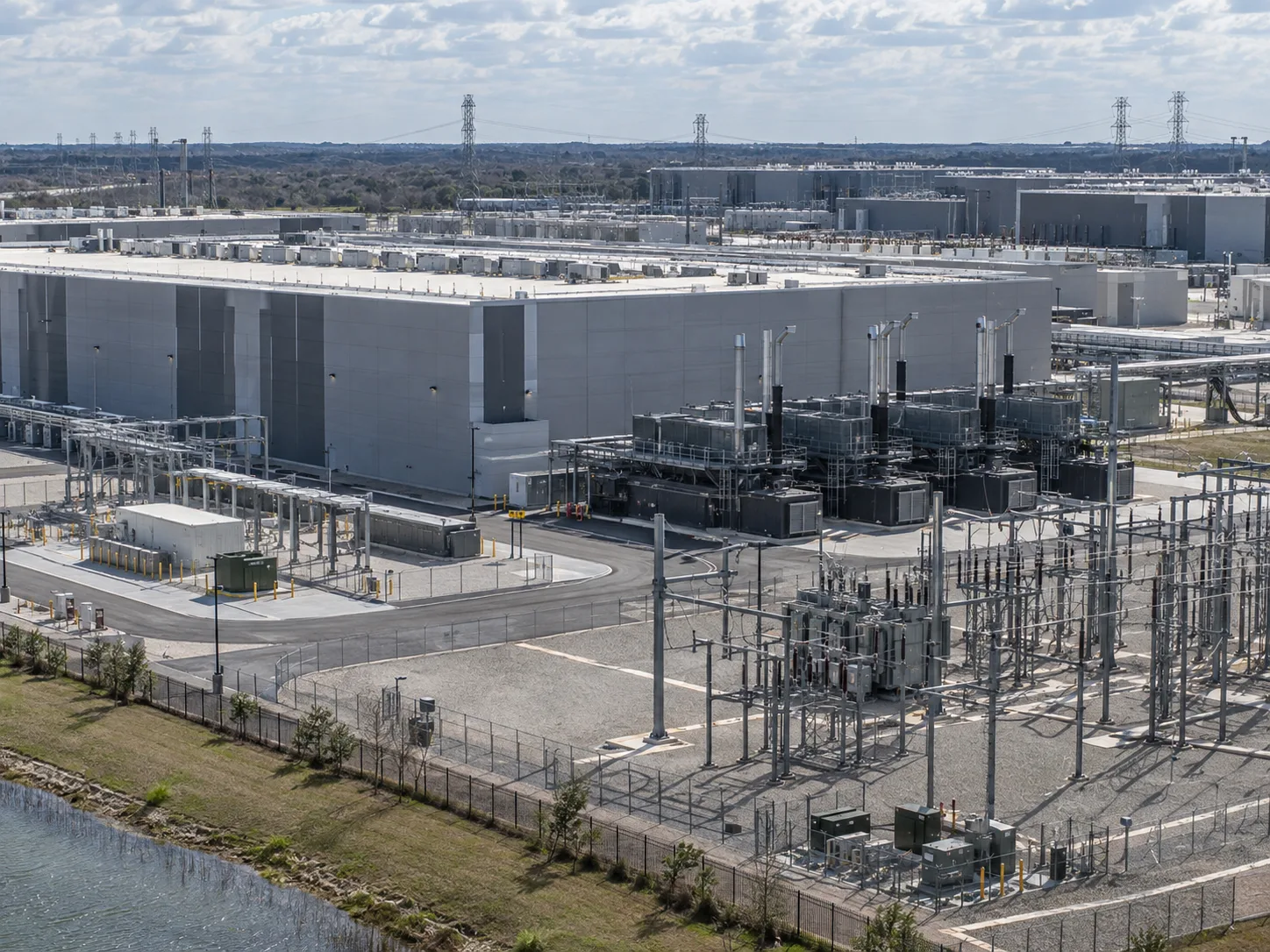
AI infrastructure demand is pulling more development toward energy-rich markets with large blocks of available power.
Traditional hubs are struggling with power availability, land constraints, permitting, and community resistance. Those barriers are pushing development into markets that had little data-center inventory a decade ago.
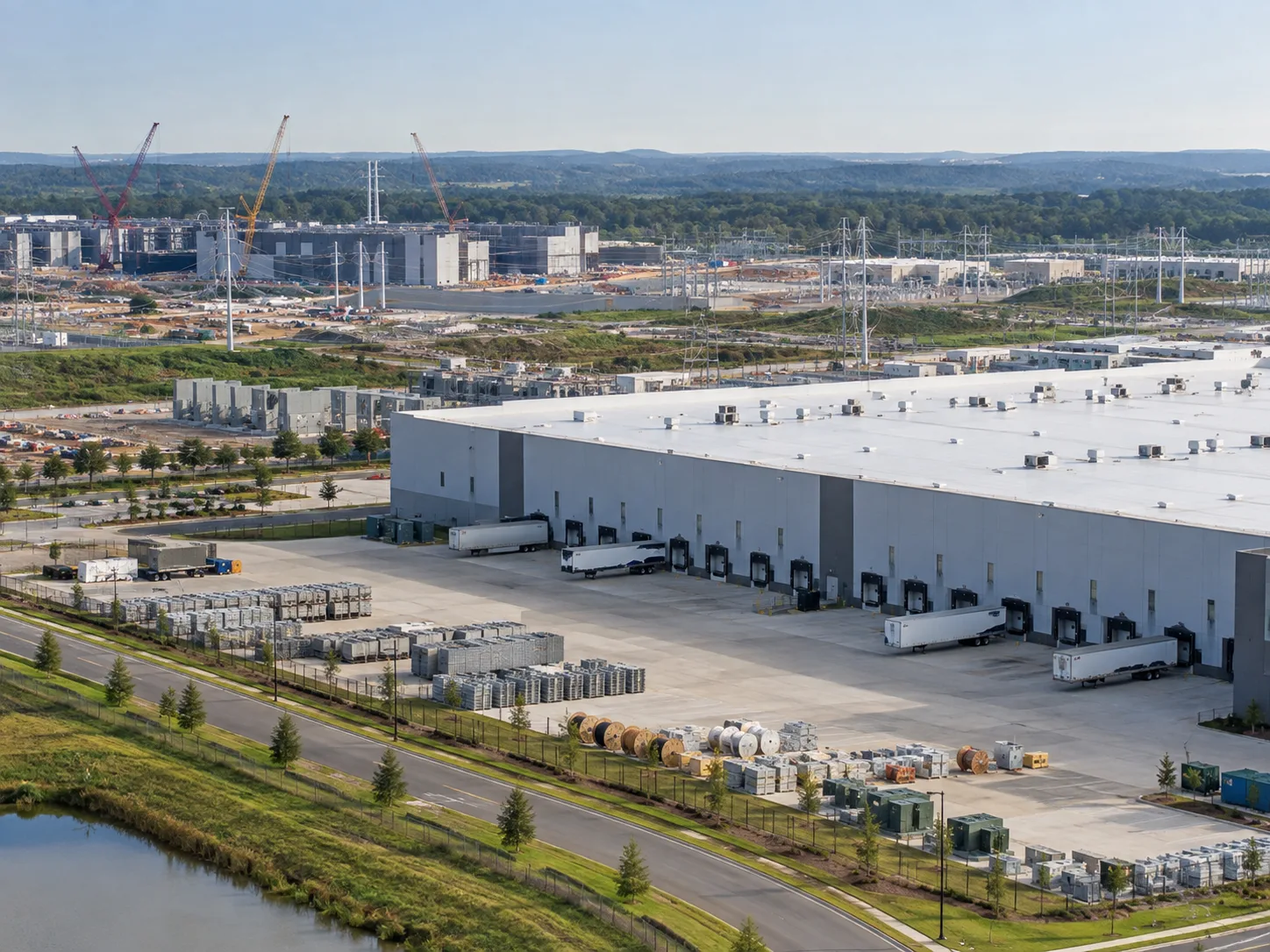
JLL says frontier markets now hold 77% of the North American construction pipeline. That is up from 64% in the second half of 2025. The firm highlighted West Texas, Ohio, Louisiana, and the Carolinas as markets attracting major investment.
The shift accelerated during the first half, moving a larger share of development away from Northern Virginia, Dallas, Silicon Valley, and Chicago. Power constraints and local opposition are making those established hubs harder to expand.
Texas and Atlanta Gain Ground
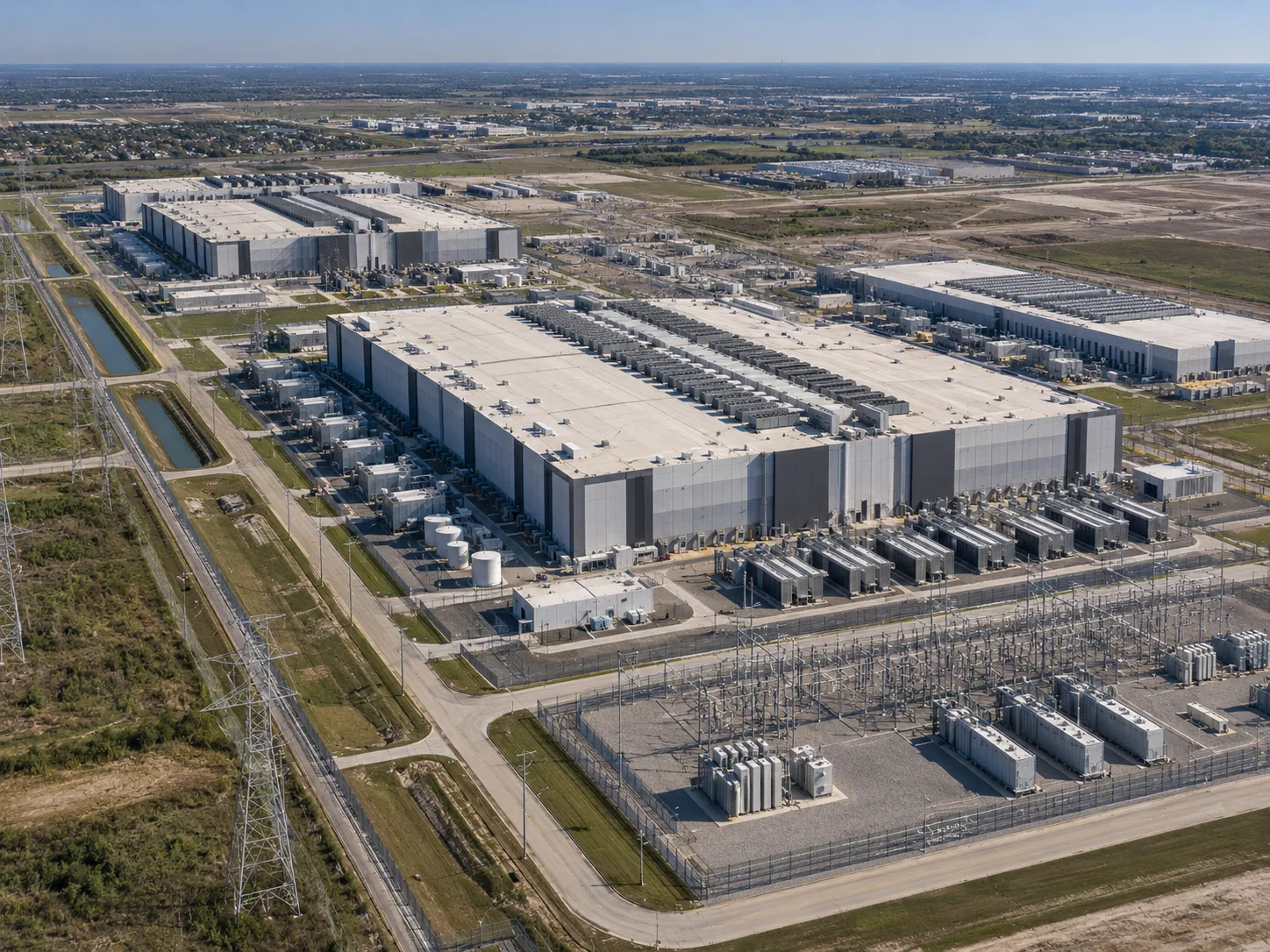
Texas is the largest beneficiary of the geographic shift. A JLL projection cited in the source says the state could overtake Virginia as the world’s largest data-center market by the end of the decade.
Among established markets, Atlanta moved ahead of Northern Virginia for the first time in first-half data-center construction. Development slowed in Northern Virginia as land constraints and permitting became more difficult.
That change is notable because Northern Virginia has long been the industry’s dominant hub. The first-half ranking shows how quickly site-selection constraints can redirect major projects toward markets with faster infrastructure delivery.
Power Availability Drives the Next Wave
CBRE expects power availability and infrastructure-delivery speed to remain the main site-selection drivers. Holly Lahd, a CBRE first vice president, said the next boomtowns could emerge in the Midwest and Mountain West.
Those regions offer a diverse utility mix. Developers can pursue multiple paths to secure the large power loads required for hyperscale projects.
CBRE also sees rural areas as potentially attractive because utilities can have different business models and different appetites for very large loads. That flexibility can help move projects forward when established hubs cannot provide power on the needed schedule.
The result is a market where record supply is still not enough to loosen vacancy. Hyperscalers and AI firms are absorbing capacity faster than developers can deliver it. The next construction wave is spreading into a broader group of power-rich markets.