


Commercial Mortgage Delinquencies Show a Split Market in Early 2026
MBA's latest data shows a mixed picture for commercial mortgage performance across capital sources.

Nina Dale
June 05, 2026
In partnership with

Good morning. The commercial mortgage market is showing signs of strain, but not everywhere. New MBA data reveals rising delinquencies in CMBS loans while banks, life companies, and agency lenders continue to post relatively healthy performance.
CRE Trivia 🧠
Which U.S. city became the first major American city in 2018 to eliminate single-family-only zoning citywide?
IN PARTNERSHIP WITH PACE LOAN GROUP
Do you need institutional capital without the red tape?

PLG, backed by over $20 billion in institutional capital, has funded 200+ C-PACE loans – all without the institutional red tape that slows down lenders.
Why? We originate, close, and fund. No smoke, no mirrors.
*This is a paid advertisement. Please see the full disclosure at the bottom of the newsletter.
Market Snapshot
|
|
||||
|
|
*Data as of 06/04/2026 market close.
Mixed Signals
Commercial Mortgage Delinquencies Show a Split Market in Early 2026
CRE loan performance remains largely stable, but rising stress in CMBS and agency portfolios signals ongoing refinancing and rate-related challenges.
CMBS stress persists: MBA's latest Commercial Delinquency Report found mixed results across major lending channels in the first quarter of 2026. While most investor groups reported relatively low delinquency rates, CMBS loans continued to show elevated distress levels.
At the end of Q1 2026:
-
CMBS: 7.28%, up 70 bps from Q4 2025
-
Banks and thrifts: 1.24%, up 1 bps
-
Fannie Mae: 0.78%, up 4 bps
-
Freddie Mac: 0.43%, down 1 bps
-
Life insurance companies: 0.38%, up 6 bps

The increase driver: According to MBA's Reggie Booker, higher borrowing costs, refinancing challenges, and weaker property fundamentals continue to pressure some borrowers, particularly in the CMBS market and, to a lesser extent, Fannie Mae's multifamily portfolio.
The biggest watchpoint: CMBS delinquencies rose to 7.28% in the first quarter, the highest rate among the major investor groups tracked by MBA, reflecting continued pressure from loan maturities, valuation challenges, and refinancing risk. MBA notes that delinquency rates are measured differently across lender types, with CMBS data including loans that are 30 days delinquent, in foreclosure, or classified as REO, making direct comparisons difficult.
Signs of resilience: Despite some signs of stress, overall commercial mortgage performance remains solid. Bank delinquencies were largely unchanged, Freddie Mac's rate declined slightly, and life company portfolios continued to post among the lowest delinquency rates, suggesting market challenges remain concentrated rather than widespread.
➥ THE TAKEAWAY
The great divide: The headline isn't widespread distress—it's growing divergence. Borrowers with strong assets and access to capital are holding up, while those facing refinancing hurdles are increasingly showing signs of strain.
✍️ Editor’s Picks
-
Capital raising: Don't let the bank setup stall your capital raise. InvestNext integrates a business account directly into your platform. Ready in one day. (sponsored)
-
Cap Mirage: Private real estate appraisals remain disconnected from higher-rate market conditions, keeping cap rates unusually low and potentially positioning REITs to outperform as valuations adjust.
-
Credit squeeze: Blackstone capped withdrawals from its flagship private credit fund after redemption requests surged, signaling mounting liquidity pressure across private markets.
-
Modern modeling: Institutional-grade CRE underwriting, forecasting, and investor reporting in one platform. Get advanced modeling, lender-ready reporting, and portfolio management—without the complexity or cost of enterprise software. (sponsored)
-
Yield drag: Rising Treasury yields and persistent inflation are slowing CRE’s recovery, forcing investors to temper expectations as borrowing costs remain elevated.
-
Rental bet: New Mountain Capital is reportedly acquiring property manager Asset Living for more than $2B, betting on the steady fee income and growth potential of the rental housing sector.
🏘️ MULTIFAMILY
-
Rent reset: U.S. apartment rents posted a modest seasonal gain in May, but soft demand, elevated supply and falling occupancy continue to limit pricing power and keep annual rent growth near flat levels.
-
Renter split: Housing shortages are driving affordability pressures lower on the income ladder, even as high-income renters continue to fuel demand growth.
-
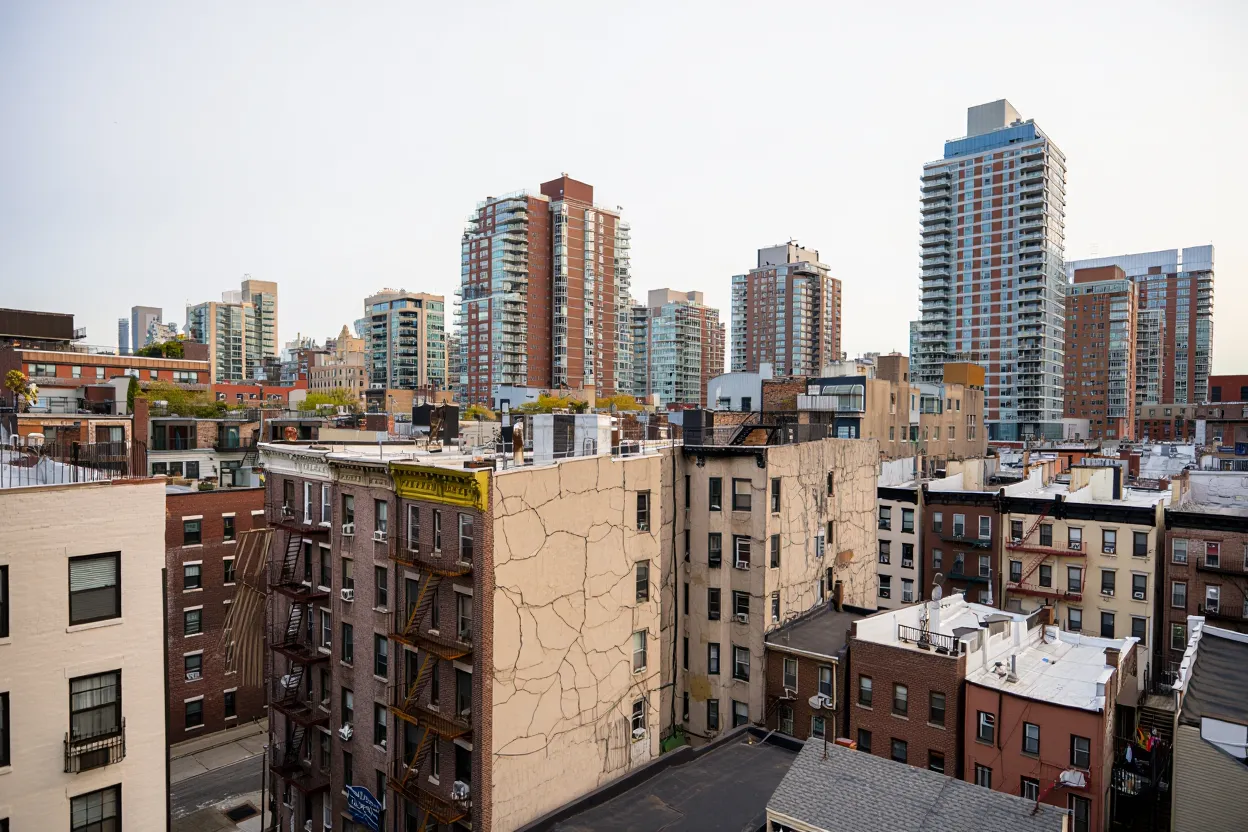
Bronx burn: A surge in fires at NY’s rent-stabilized buildings is raising concerns that aging properties, deferred maintenance and financial distress are putting tenants at greater risk.
🏭 Industrial
-
Power bottleneck: Data center construction is falling behind demand as power shortages and grid constraints slow projects, pushing Google to invest heavily in energy infrastructure to fuel its AI expansion.
-
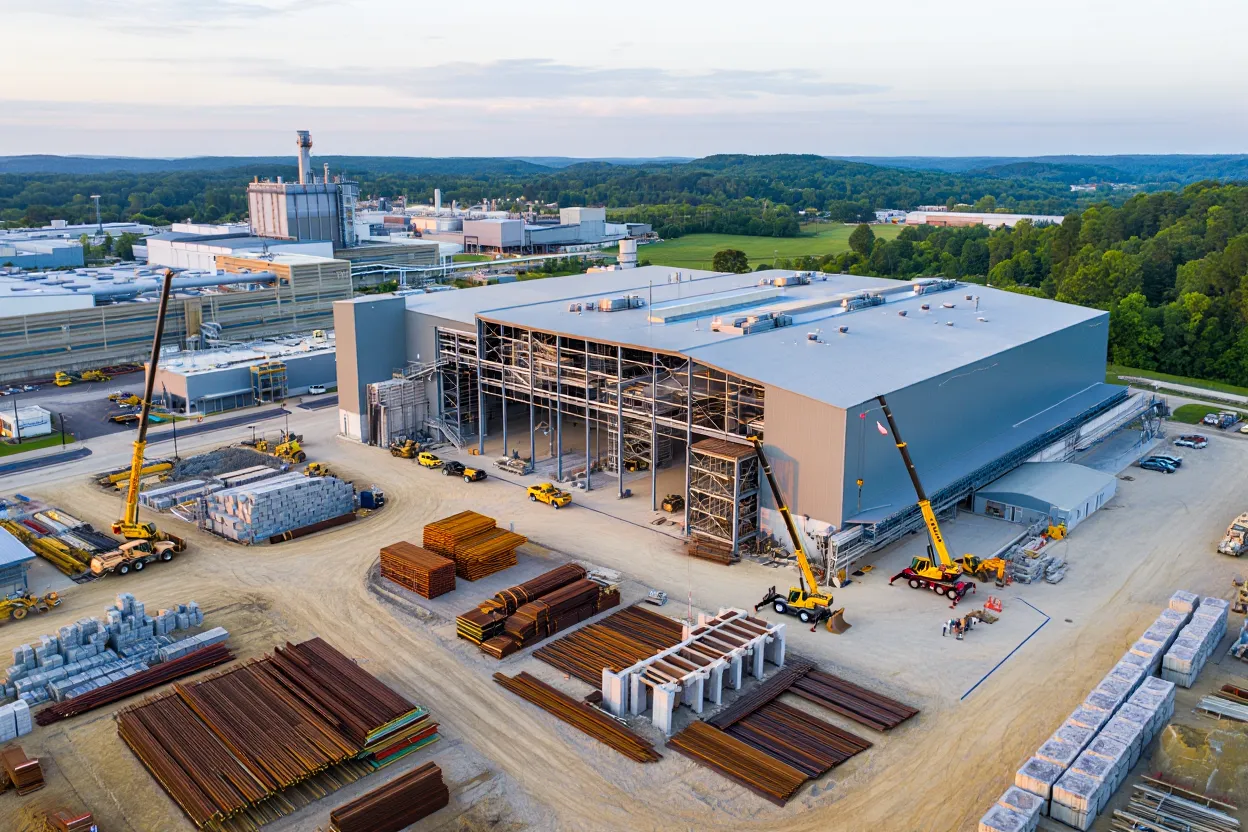
Magnet push: USA Rare Earth is investing $1.2B in a South Carolina magnet factory, expanding domestic supply chains for critical minerals with major backing from the U.S. government.
-
Data revolt: Monterey Park became the first U.S. city to permanently ban data centers after voters overwhelmingly approved a measure blocking future projects.
-
Small bay: Speed Bay Warehouse Solutions launched with $350M in backing to acquire small-bay industrial properties.
🏬 RETAIL
-
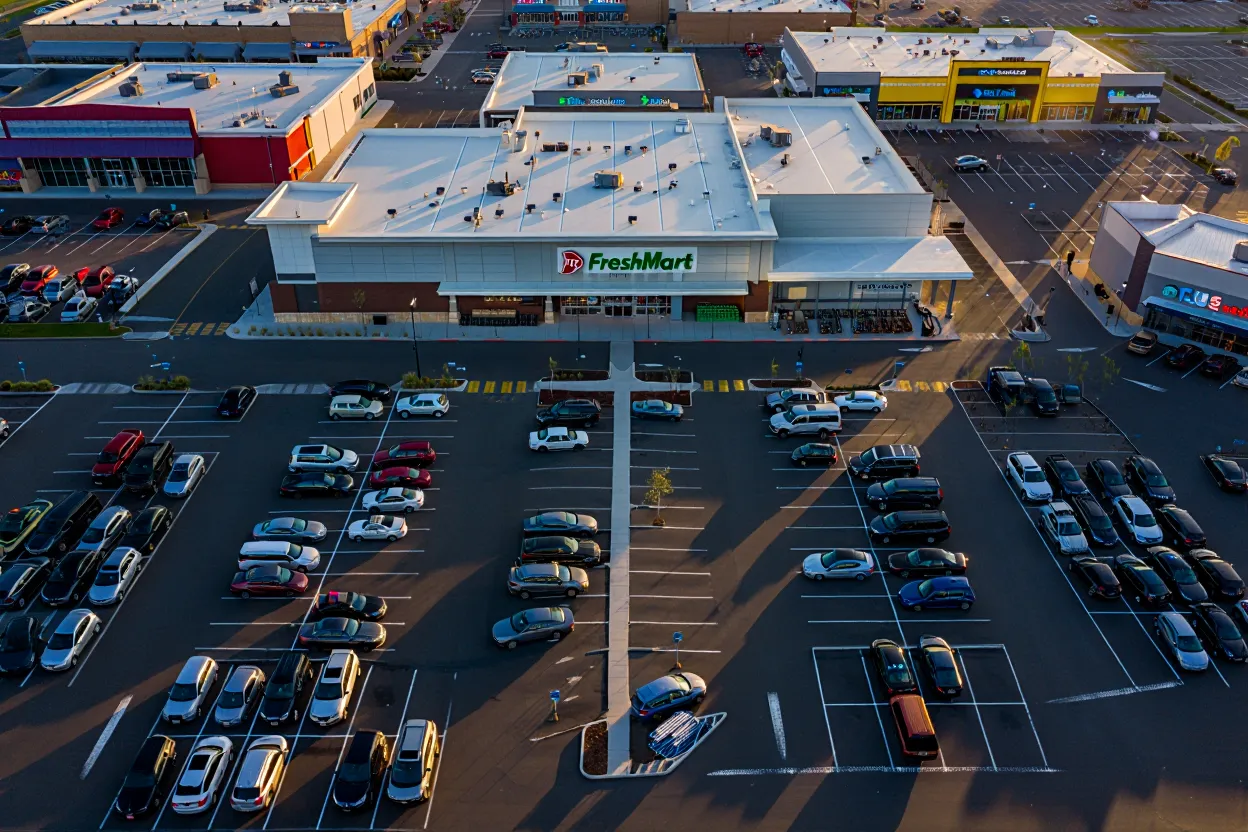
Cost pressure: U.S. retail space remains highly occupied, but elevated costs and limited preleasing are keeping new development on the sidelines.
-
Downtown revival: A former Bubba Gump restaurant property near the Colorado Convention Center sold for $1.8M, signaling continued investment in downtown Denver’s recovering retail market.
-
Luxury shift: Luxury retailers are expanding beyond traditional coastal hubs, following wealth migration into cities like Dallas and resort markets such as Aspen, Palm Beach and Jackson Hole.
🏢 OFFICE
-
Foreclosure freefall: A former D.C. government office building lost 97% of its value after foreclosure and the exit of its sole tenant.
-
Occupancy divide: U.S. office vacancy appears stable, but demand is increasingly concentrated in top-performing buildings while lower-occupancy properties face growing distress and limited leasing prospects.
-
People magnet: Office landlords and employers are finding that human connection—not perks or flashy amenities—is the strongest driver of workplace attendance and engagement.
🏨 HOSPITALITY
-
Portfolio boost: OTH Hotels Resorts expanded its East Coast footprint by adding three hotels totaling 498 guestrooms in New Jersey and Maryland.
-
Collegiate resort: Travel + Leisure has broken ground on a $150M Sports Illustrated Resort near the University of Alabama, marking the brand’s first ground-up collegiate-themed destination.
📈 CHART OF THE DAY

Industrial real estate continues to attract strong investor interest, with capital favoring Class A logistics assets despite higher rates slowing deal activity.
CRE Trivia (Answer)🧠
Minneapolis, Minnesota. The change took effect in 2020, allowing duplexes and triplexes on residential lots citywide.
More from CRE Daily
-
📬 Newsletters: Stay ahead of the market with local insights from CRE Daily Texas and CRE Daily New York.
-
🎙️Podcast: No Cap by CRE Daily delivers an unfiltered look at the biggest trends—and the money game behind them.
-
🗓️ CRE Events Calendar: The largest searchable calendar of commercial real estate events—filter by city or sector.
-
📊 Market Reports: A centralized hub for brokerage research and market intelligence, all in one place.
-
📈 Fear & Greed Index: A fully interactive sentiment tracker on the pulse of CRE built in partnership with John Burns Research & Consulting.

You currently have 0 referrals, only 1 away from receiving Multifamily Stress Test Model.
What did you think of today's newsletter? |