






- Simon’s initial base minimum rent on new deals is up 17% year over year through Q3, while tenant allowances per square foot are down 10%.
- Simon, Macerich and CBL all reported higher sales per square foot, and Class B malls average 89% occupancy, compared with 72% at malls rated C or lower.
- Only about 500 Class A and B malls remain from roughly 1,500 in 2002, and the gap between them and the weakest centers keeps widening.
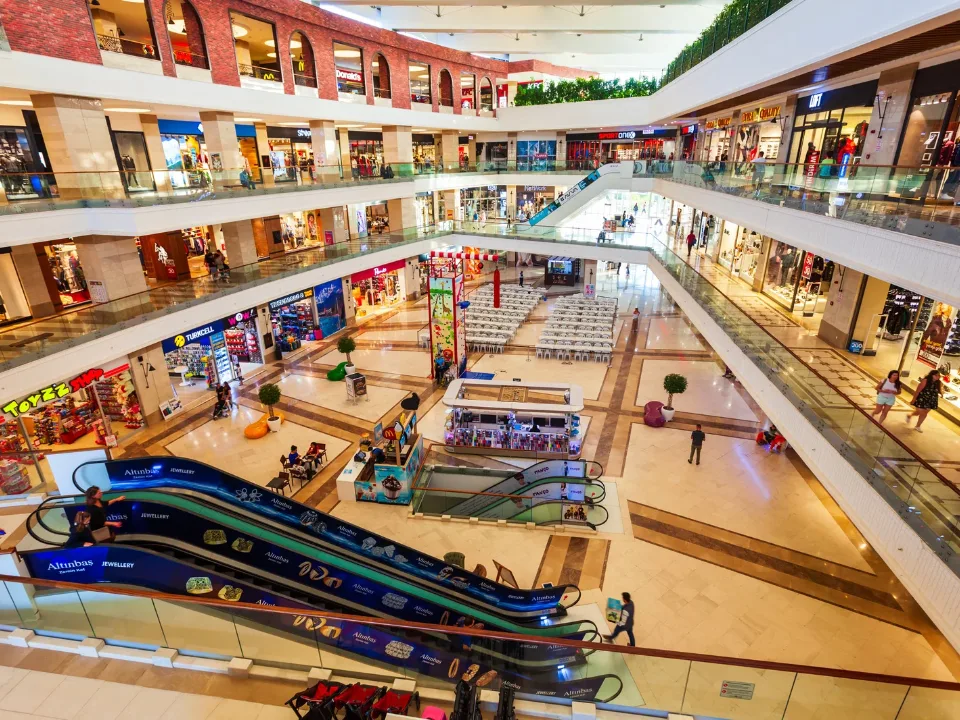
The best enclosed malls are charging more and spending less to land tenants, GlobeSt reports.
At Simon Property Group, starting base rent on new leases climbed 17% year over year through Q3. The allowance it gives tenants per SF dropped 10%.
Get Smarter about what matters in CRE
Stay ahead of trends in commercial real estate with CRE Daily – the free newsletter delivering everything you need to start your day in just 5-minutes
A Two-Tier Market
A new Trepp analysis calls Class A and Class B malls “doing quite well” with room to grow. At the bottom, average occupancy is 72%, and Trepp sees little future for those centers.
For investors, the tier a mall belongs to now outweighs every other factor.
Simon’s Momentum
In Q3, Simon signed almost 1,200 leases across 4.3M SF, about a quarter of it new-tenant space.
Tenant sales at Simon rose 14.8% to $852 per SF, with same-property sales up 4.9%. On the earnings call, CEO Eli Simon pointed to 6.6% growth in domestic property NOI and faster traffic gains during the quarter.
Macerich and CBL
Macerich’s go-forward portfolio reached 96.1% leased, up 60 bps from Q2, with tenant sales at a record $943 per SF. In the centers it is investing in, sales hit $972 per SF, according to leasing chief Douglas Healey, a senior EVP.
The gains reach beyond trophy assets. CBL & Associates, whose 55 malls are mostly Class B or better, reported sales up 3.6% to $463 per SF. Cushman & Wakefield puts Class B occupancy at 89%.
Zoom Out
The mall universe has shrunk from about 1,500 properties in 2002 to roughly 700 to 800 today. About 250 are Class A or better, and 250 are Class B.
Those 500 centers drive the recovery, much like we saw in mall values that rose 13% per Green Street, even as $8.7B of mall CMBS loans sat in special servicing.
Why It Matters
Lower allowances mean landlords keep more of each dollar of rent, which should lift cash flow. It’s a sign that retailers see productivity in top centers worth paying for, as in Simon’s Q3 results, where FFO rose 4.7%.
The flip side is a widening gap, and owners of low-end centers face limited leasing leverage.
What’s Next
Watch whether allowances keep falling as tenants adapt, and whether weaker malls get repurposed or handed back to lenders.