






- Tokenized real estate and crypto-based property sales are both slow, even though they are already legal, and the stalled Clarity Act is only one reason institutions are staying away.
- Rilea Group’s crypto sales fell to one January deal this year, while RedSwan has not closed a tokenized deal since before 2024 and RealT is liquidating its portfolio.
- Tokenized offerings are securities regulated by the SEC, so crypto legislation would not fix demand, track record or investor confidence for fractional property platforms.
Tokenized real estate has a deal-flow problem that goes beyond Washington, according to Bisnow’s reporting on crypto in commercial real estate.
Congress hasn’t passed the Clarity Act, but Bisnow found the market is also held back by a bitcoin slump, a tokenization firm without a closing in years and a high-profile platform that is liquidating.
Get Smarter about what matters in CRE
Stay ahead of trends in commercial real estate with CRE Daily – the free newsletter delivering everything you need to start your day in just 5-minutes
Crypto Sales Dry Up
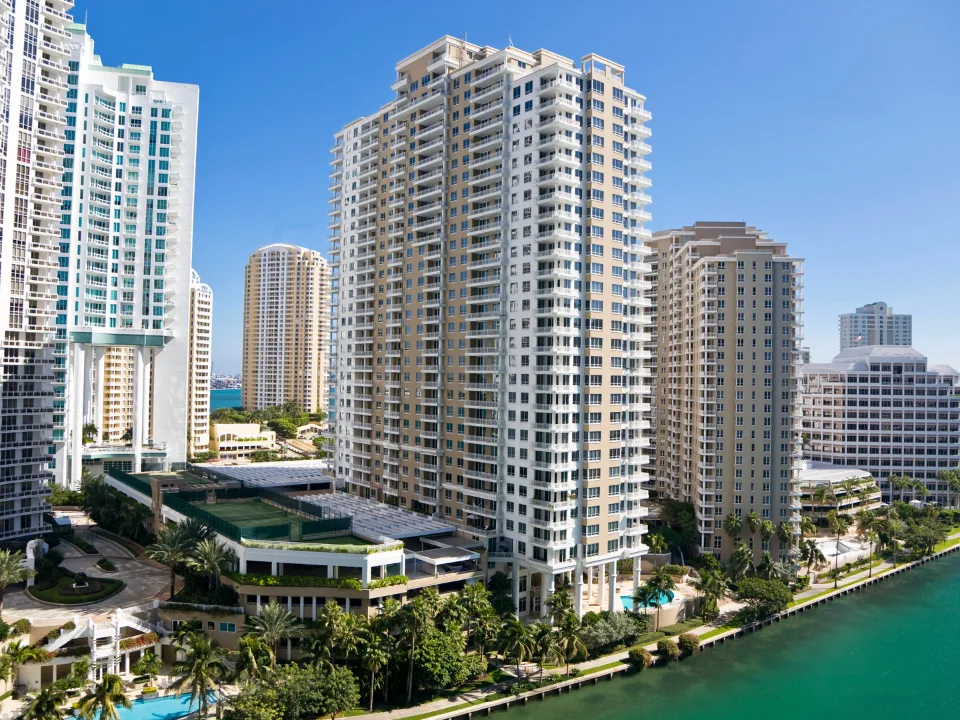
Since January 2025, Miami developer Rilea Group has recorded eight crypto-paid sales totaling roughly $15.7M across two buildings, according to Bisnow. This year’s activity consists of one January deal. In that transaction, an investor put $13.9M into five Mohawk at Wynwood units.
Last year, three Rider Residences units sold for a combined $1.8M. Buyers settled those transactions in the USDT stablecoin.
Bitcoin now trades near $75K, down from more than $100K twelve months ago. Rilea President Diego Ojeda said buyers feel poorer despite expecting a rebound. As a result, they are waiting.
The Rules Fight
The House passed the Clarity Act by 294 to 134 in July 2025. However, a Senate cloture vote failed 49-50 in September, falling 11 votes short of the threshold. The bill has remained stalled since then.
Without the legislation, crypto oversight remains split between the SEC and the CFTC. Ojeda said smaller players like Rilea still accept crypto, but large institutions remain uneasy about their legal exposure. Some analysts also see the bill’s prospects worsening now that Democrats control the Senate.
Tokenization Is Separate
Tokenized property offerings are securities already overseen by the SEC. The Clarity Act would not change that, RedSwan CEO Ed Nwokedi said.
RedSwan’s last tokenized closing took place before 2024. Its brokerage arm, active since 2024, has yet to generate customer revenue, according to a March SEC filing cited in the reporting.
Nwokedi said the Houston firm now lists $230M in property, up from $50M a year ago. It also has six tokenized properties open for investment, including two Hamptons hotels.
RealT Winds Down
RealT, a crypto-based platform, divided roughly 700 Detroit homes into fractional shares and attracted $140M. However, the company announced plans to liquidate in July. On Oct. 28, a Detroit judge ruled that it could sell properties with occupancy certificates. The proceeds must remain in escrow.
Zoom Out
Large institutions are still testing the model. We covered the launch of Goldman’s tokenized fund, developed with Apex Group and Archax on its GS DAP platform. The initiative relies on traditional firms for custody and administration.
Why It Matters
Deloitte has projected $4T in tokenized real estate by 2035. We cited that figure when Starwood Capital identified regulation as its main obstacle.
However, the reporting suggests the challenges extend beyond legislation. Track record, investor wealth and platform stability also matter. Ojeda said he has yet to find a tokenization partner with enough history.
What’s Next
Watch whether the Senate revives the Clarity Act and whether RedSwan closes deals on its larger inventory. Nwokedi said future filings will show closings as they happen, according to Bisnow.