






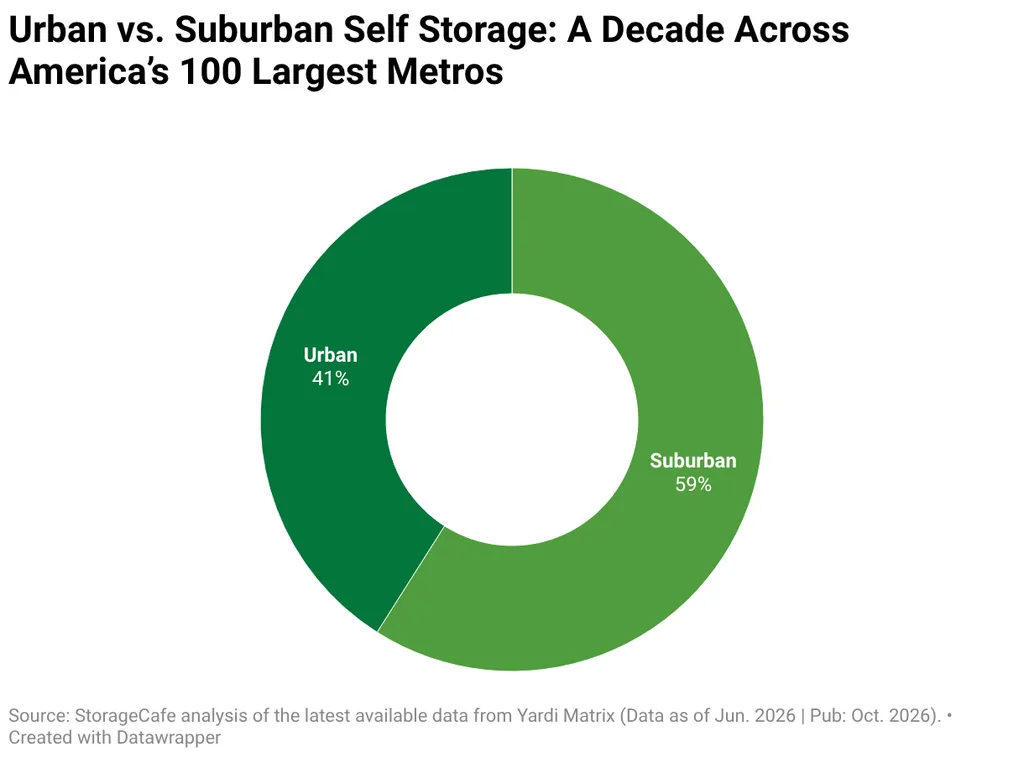
- StorageCafe’s analysis of Yardi Matrix data finds 59% of self storage built in the 100 largest metros over the past decade sits outside city cores.
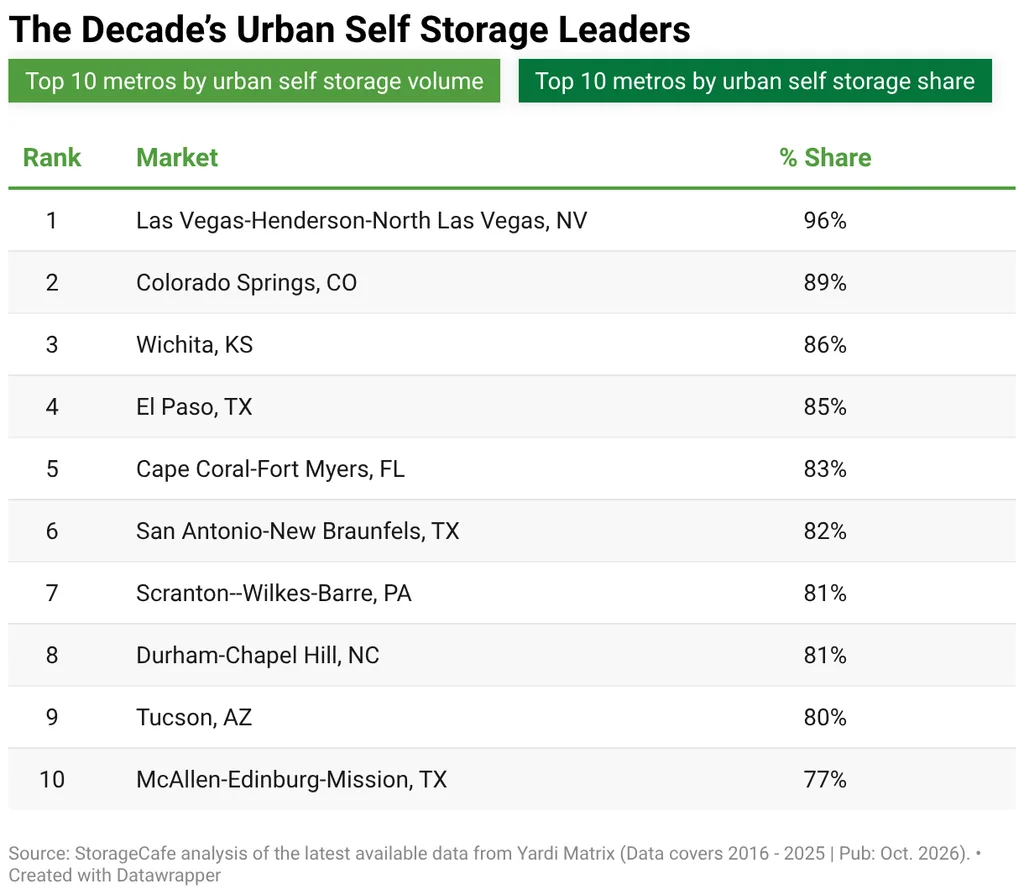
- More than 40 metros built at least half their new supply in urban areas, led by Las Vegas at 96%, Colorado Springs at 89%, Wichita at 86% and El Paso at 85%.
- Zoning limits in New York and Chicago push storage to the suburbs, while high urban construction and land costs mean developers need dense renter populations to justify city projects.
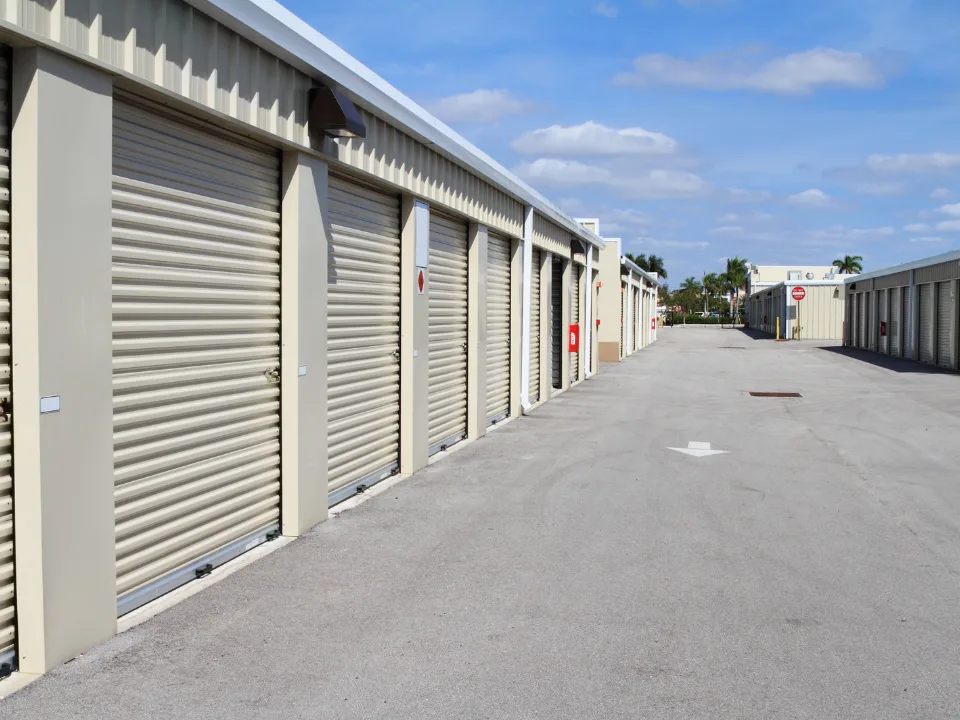
Self storage is still a suburban business, with 59% of the space built in the 100 largest metros over the past decade located outside city cores, according to a StorageCafe analysis of Yardi Matrix data.
Even so, more than 40 of those metros put at least half of new space in city cores.
Get Smarter about what matters in CRE
Stay ahead of trends in commercial real estate with CRE Daily – the free newsletter delivering everything you need to start your day in just 5-minutes
Big Metros Build Out
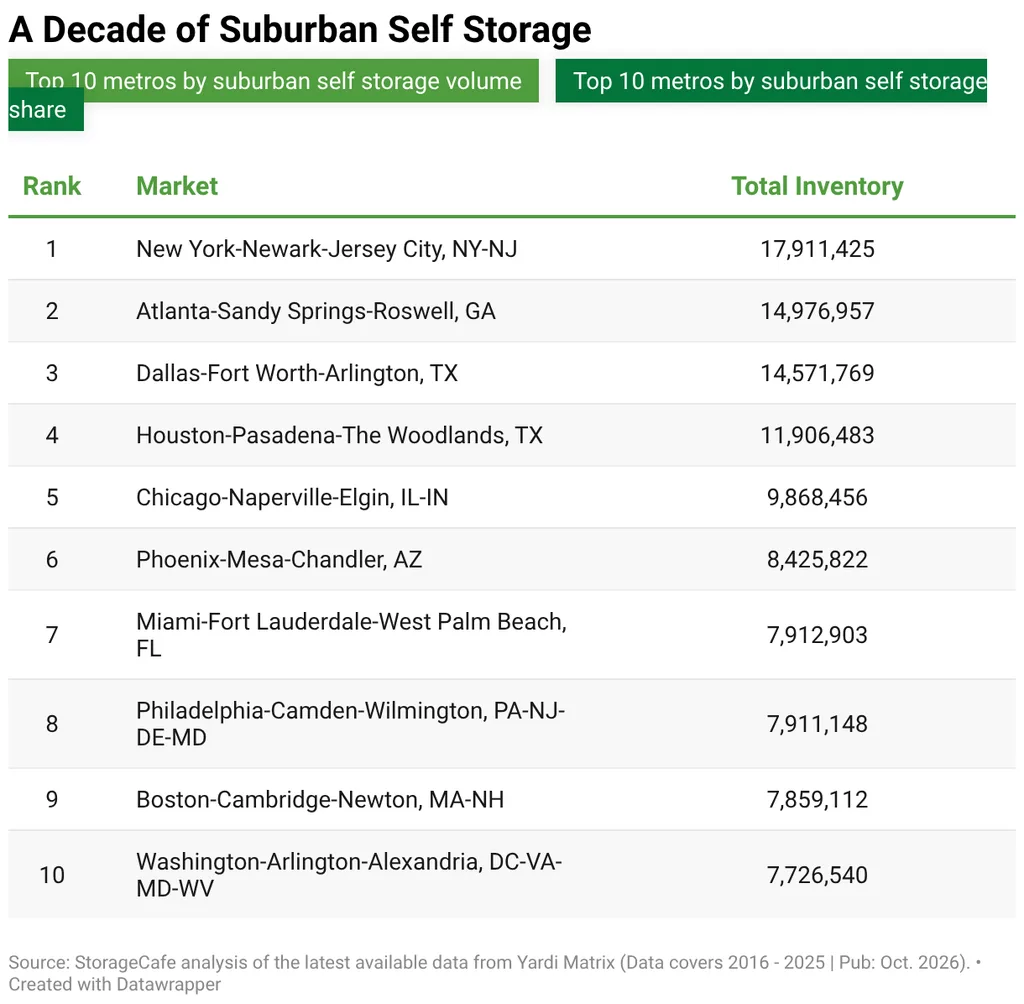
New York-Newark-Jersey City added 25 million SF over the decade, the most in the country, and 69% went to the suburbs. StorageCafe points to rules New York City has used since 2017 to restrict storage in its industrial business zones.
Atlanta added close to 15 million SF of suburban space and Dallas-Fort Worth about 14.5 million SF. Dallas-Fort Worth’s total inventory is split almost evenly, but 75% of its 2.9 million SF pipeline is suburban.
Chicago built nearly 10 million SF in the suburbs against 3.2 million SF in the city. The City Council voted in May 2025 to bar storage from most downtown, business and commercial zones, which StorageCafe expects to widen that gap.
Land-Locked Markets Go Suburban
Boston added 8 million SF, 99% of it outside the core, held back by land costs, zoning and few developable parcels. Detroit sent 95% of 6.5 million SF outward as the urban core lost population.
The Inland Empire, built around cheap land and logistics, put 89% of its new space in the suburbs.
Where Cities Win
Las Vegas leads the urban list with 96% of its 6.4 million SF in urban areas, and its entire pipeline is urban. Idle commercial sites and parking lots along its grid suit storage, StorageCafe says, while suburbs fight housing and big-box stores for land.
Colorado Springs (89%, over 2.1 million SF), Wichita (86%) and El Paso (85%) follow. In El Paso, storage is permitted by right in all commercial, industrial and apartment zones.
Cape Coral-Fort Myers delivered more than 3 million SF, 83% of it urban. San Antonio built 82% urban over the decade, but its pipeline is nearly split at 51% urban and 49% suburban.
Experts Point to Costs and Approvals
Tom de Jong, executive vice president at Colliers’ de Jong Self Storage Team, says approvals are a major hurdle in urban markets and that multi-story building costs have jumped over the past four to five years. He expects urban projects to continue where the economics work, including garages, empty offices and surface lots.
Marc Goodin, who leads Storage Authority Franchising, says more large developers are looking at suburbs as cities rewrite storage rules and urban saturation builds.
Why It Matters
Where new storage lands will shape rate and occupancy outcomes. Yardi Matrix’s latest report shows advertised rates still falling nationally, as we covered in self storage rents sliding while the supply pipeline contracts.
Investors have also returned to the sector. Sales nearly doubled to $6 billion through November 2025, per MMCG Invest, so site selection matters more as pricing recovers.
What’s Next
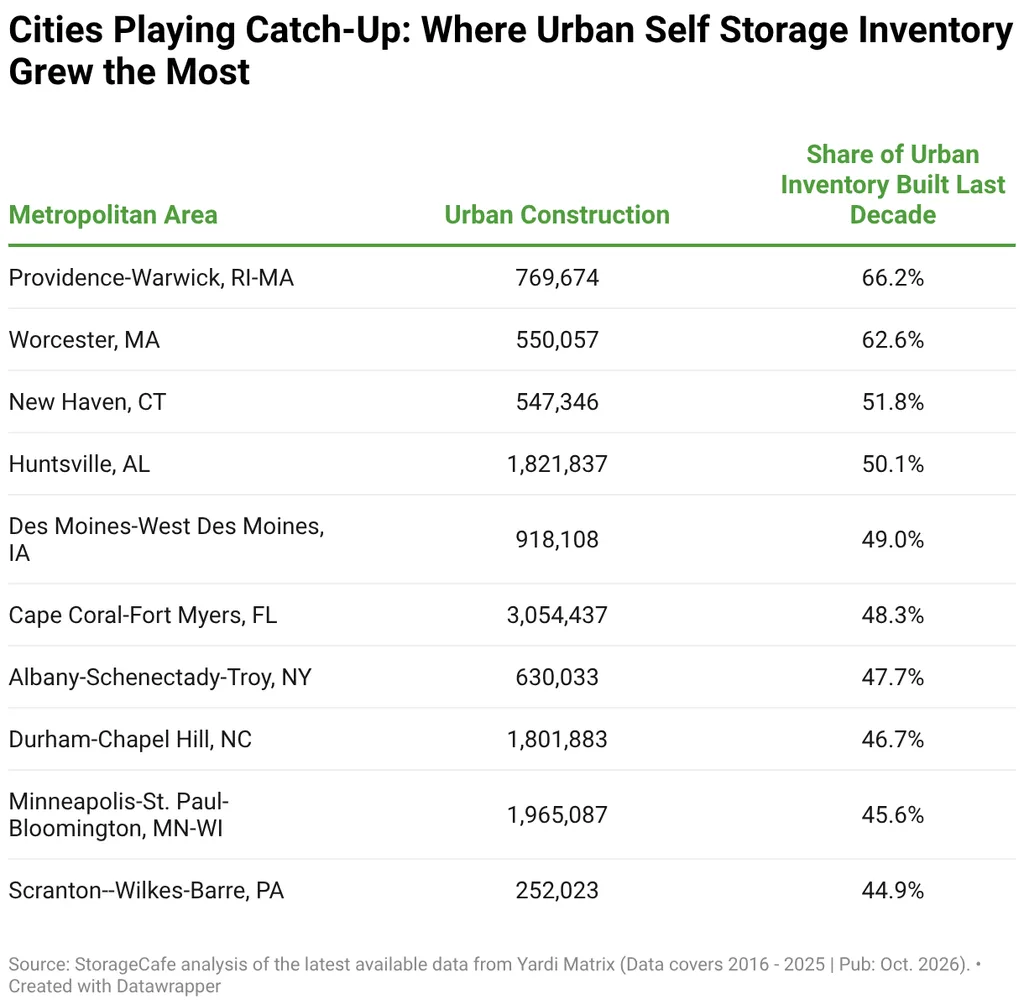
StorageCafe says Northeastern cities like Providence, Worcester and New Haven are growing urban inventory fast, and Sun Belt cities are building their urban cores from scratch. San Antonio and Durham-Chapel Hill show pipelines tilting suburban as population spreads.