







- Hyatt has built more than 100 all-inclusive properties across Latin America and the Caribbean since its 2021 purchase of Apple Leisure Group, and they make up 15% of its rooms.
- All-inclusives drive roughly one-fifth of Hyatt’s gross fee revenue, and “nonpackage” spending on extras can account for more than 12% of what guests spend at some resorts.
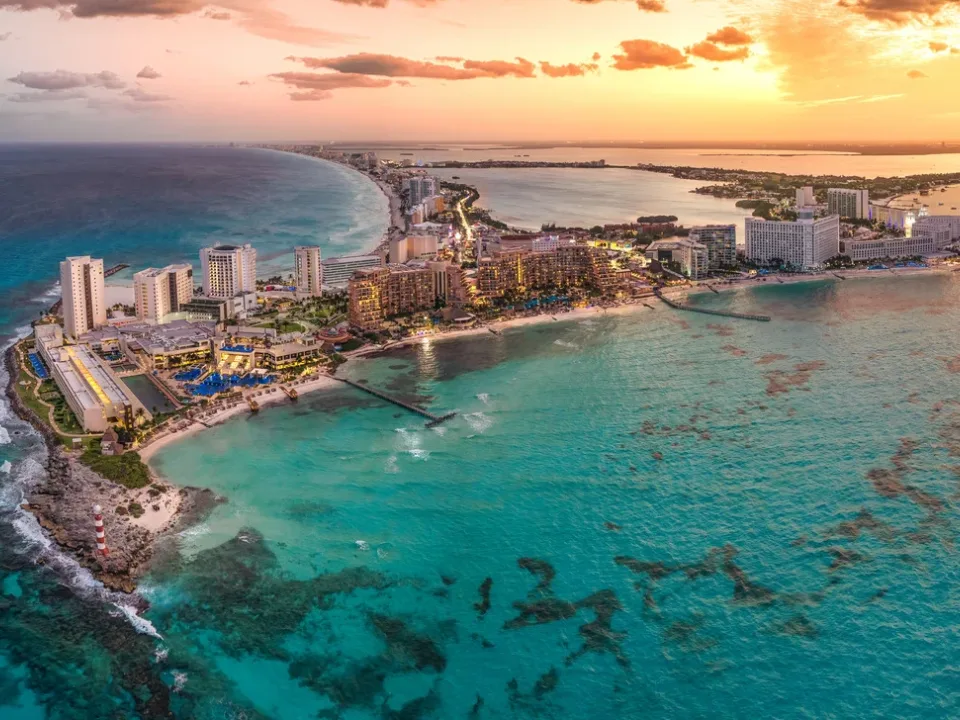
- Cancún demand fell more than 10% as airlines cut capacity, hurricanes and violence add regional risk, and investors favor room-growth metrics that give resorts less credit.
Hyatt has spent five years betting on all-inclusives and now runs the largest portfolio of luxury all-inclusive resorts in the world, according to Bloomberg Businessweek.
The company counts more than 100 such properties across Latin America and the Caribbean.
Get Smarter about what matters in CRE
Stay ahead of trends in commercial real estate with CRE Daily – the free newsletter delivering everything you need to start your day in just 5-minutes
How Hyatt Got Here
The pivot started with the $2.7 billion purchase of Apple Leisure Group in 2021, followed by more deals. Hyatt later bought Playa Hotels & Resorts in a deal valued at $2.6 billion and sold off its real estate for $2 billion. In 2024, it took a 50% stake in Spanish resort brand Bahia Principe.
By mid-2025, all-inclusives made up 15% of Hyatt’s rooms and roughly a fifth of its gross fee revenue. The company has almost 12,000 rooms in Quintana Roo alone, more than in its home state of Illinois.
Why the Model Works
Guests book all-inclusives earlier than other hotels, which makes rates and staffing easier to plan. They also arrive with the base price already paid, so they spend more on extras like premium steak and better wine.
Hyatt calls that nonpackage revenue and says it can exceed 12% of total spend at some resorts. Close to half of workers at a typical Hyatt all-inclusive are in food service, and a Cancún waiter earns about $4 an hour, per Bloomberg.
Brands Built for Growth
Hyatt runs a ladder of resort brands, with Vivid aimed at couples on tighter budgets, Breathless at a harder-partying crowd and Dreams at families with kids’ clubs and waterslides.
The brand mix also helps it add locations. Hyatt will not let a developer build one Secrets next to another, but a Vivid or Breathless nearby is fair game.
Inside Moxché
The Moxché resort in Playa del Carmen covers 1.5 million SF with a staff of about 1,200, roughly two workers per room, and has 14 restaurants. Most guests book through a Hyatt app before they arrive.
Much of the work happens underground. Staff move through tunnels for laundry and infrastructure, and the property has reverse-osmosis water tanks and a backup generator that can run it for a week if the utility fails.
The Risks
On its Oct. 29 earnings call, Hyatt said Cancún demand was down more than 10% after airlines cut capacity, a hit we covered in our look at Hyatt’s RevPAR gains, where the Cancún decline cost about $20 million in fees even as its resorts there gained market share.
The portfolio also faces hurricanes and security concerns. Hyatt moved reservations after Hurricane Melissa shut eight Jamaica resorts in 2025 and rerouted guests to the Dominican Republic when violence led Mexico to urge tourists to shelter in place.
Why It Matters
Stock investors have long watched how fast a company adds rooms, a measure that gives less credit to the resort business. Baird analyst Michael Bellisario told Bloomberg Businessweek that Hyatt will not catch Marriott or Hilton through organic growth and has to compete differently.
At Moxché in Playa del Carmen, a 1.5 million SF resort with about 700 suites, a stay at the pricier Impression side can run $2,000 a night in peak season, while the Secrets side costs roughly two-thirds as much.
What’s Next
The test is whether leisure demand holds and whether Hyatt can keep adding rooms without crowding its own brands. The company limits how close its resorts can sit by brand, which lets it add locations without trampling licensing rights.