









- Volatility in private credit is prompting debt investors to target US residential real estate, per Pretium executives.
- Pretium reports loan yields in the mid-teens for real estate debt, with capital locked up for five years and secured by physical property.
- The shift could reshape funding for regional homebuilders while intensifying scrutiny of institutional landlords from policy makers.
Private Credit Volatility Shifts Investor Focus
Debt investors navigating market turmoil in private credit are increasingly turning to US real estate, according to Bloomberg, citing housing firm Pretium. The backdrop is a market where traditional bank lending has thinned, and uncertainty has rattled private corporate debt—nudging capital toward assets backed by physical property. Pretium’s co-president, Jon Pruzan, told the Bloomberg Intelligence Credit Edge podcast that real estate loans, especially those tied to the housing market, are drawing new interest as investors seek security and yield. Residential mortgage exposure is emerging as a preferred alternative after software-driven chaos shook confidence in private credit, highlighting the perceived durability of real assets in comparison to corporate paper vulnerable to technological obsolescence.
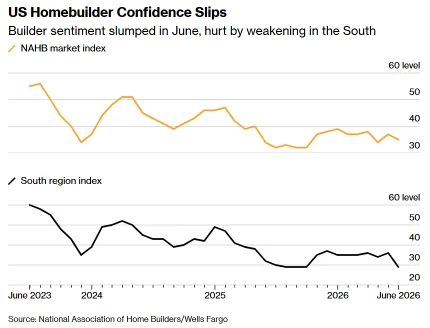
National Association of Home Builders data underscores related headwinds: June builder confidence recently slipped to its lowest point since 2020, signaling an industry still feeling the aftershocks of rate hikes and tight construction financing. Yet for debt investors, the underlying demand from renters—particularly millennials priced out of ownership—is creating a floor for residential rental performance that private lenders are now positioning to finance.
Get Smarter about what matters in CRE
Stay ahead of trends in commercial real estate with CRE Daily – the free newsletter delivering everything you need to start your day in just 5-minutes
The Details
Pretium owns and operates about 90,000 US rental homes. According to Pruzan, it charges 600–650 basis points above SOFR on homebuilder loans. With leverage, these deals generate mid-teen returns. That exceeds the single-digit gains in public high-yield debt markets. The firm has also strengthened its leadership bench with a recent hire from a major Wall Street bank.
Investors typically commit capital for five years without redemption options. Pretium targets regional builders that struggle to secure bank financing. Rising regulation and lender caution have tightened credit access. Many borrowers also lack access to public capital markets. As banks retreat, private debt funds have stepped in. Investors accept lower liquidity for higher yields.
Banks Retreat, Private Lenders Step In
Regional banks long supported homebuilder financing. However, they have pulled back over the past two years. Broader CRE lending pressures accelerated the retreat. Mortgage Bankers Association data shows bank construction lending fell by double digits from late 2023 to early 2024.
Pruzan says private lenders are filling the gap. They often work with builders that have solid balance sheets but limited scale. These builders cannot easily access bond or wholesale markets. As a result, private real estate debt supports ongoing construction activity.
Private real estate loans also face less technological disruption. Software and corporate loans remain more exposed to AI-related risks. Geographic diversification helps spread risk while preserving asset-backed security.
Why It Matters
Private credit weakness in software and middle-market loans has created a yield gap. Pretium’s model offers resilience because property secures the loans. Housing demand remains strong despite homebuilding challenges.
Pretium says millennials and Gen Z continue to support rental demand. That trend helps sustain occupancy and lease renewals. Builder confidence sits near its lowest level in over a decade. Yet the shortage of affordable homes keeps builders seeking capital.
However, institutional landlords remain controversial. Some officials and housing advocates say large investors worsen affordability problems. Congress is considering legislation that could limit home purchases by private equity and debt funds.
Pretium argues it responds to renter demand. Pruzan says the firm is “making significant investments in the housing stock in this country.” The debate highlights tensions between private capital and housing policy.
What’s Next
High yields on private real estate loans should keep attracting investors. That trend may continue if volatility persists elsewhere in private credit. New ownership restrictions could force funds to adjust their strategies. Smaller or community-focused lenders could benefit.
Meanwhile, banks may further reduce construction lending through 2026. That could leave more room for well-capitalized private lenders. CRE professionals should monitor regulations, builder sentiment, and competitive shifts. These factors will shape residential real estate finance in the coming years.