




- Brookfield is sharply reducing its Washington, D.C. office footprint and listing a high-profile Yards development site for sale.
- The company’s local headcount has shrunk from over 100 to fewer than 30 amid asset sales, layoffs, and a broader strategy shift.
- The move underscores persistent volatility in D.C.’s office market as institutional owners reassess local exposure and cut losses.
Brookfield Retreats From Nation’s Capital
According to Bisnow, Brookfield has dramatically reduced its Washington, D.C. staff after months of paring back its office portfolio in the region. As of June 2026, the company is marketing a prime parcel at The Yards, signaling a continued retreat from the market. Outgoing employees and multiple sources point to a substantial downsizing effort, with the company now considering its future presence in both physical offices and property holdings across D.C.
Get Smarter about what matters in CRE
Stay ahead of trends in commercial real estate with CRE Daily – the free newsletter delivering everything you need to start your day in just 5-minutes
Prolonged Stress on D.C. Office Sector
Brookfield’s moves come after a series of challenges for D.C. office landlords: remote work, tenant flight to new product, and political job cuts have hammered office demand. Several major owners, including Brookfield, have faced foreclosures and write-downs since the pandemic began, with property values plunging across core markets. Institutional retrenchment—once rare for the city—is now becoming a pattern, especially among large global investors.
The Details
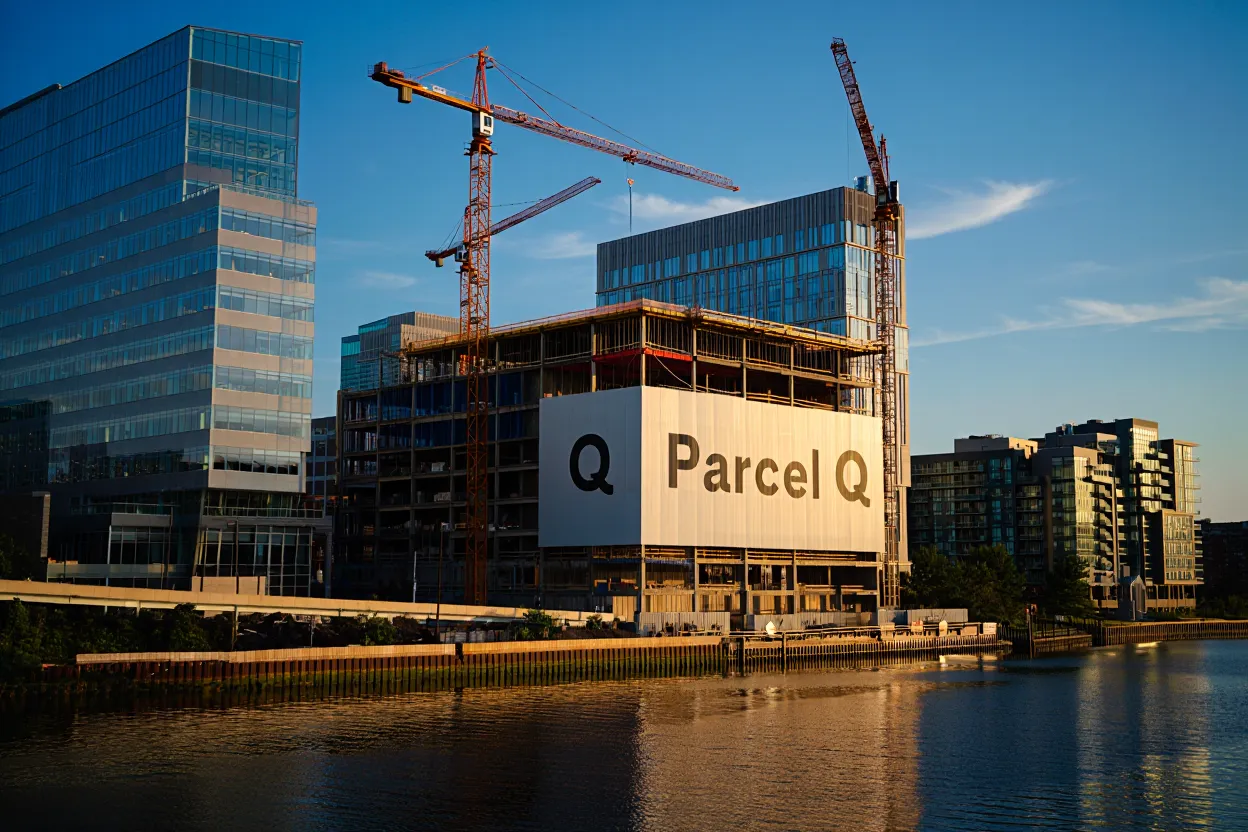
According to Bisnow, Brookfield’s D.C. headcount declined from more than 100 people in its 655 New York Ave. office three years ago to about 40 earlier this year, with fewer than 10 remaining now according to staff sources. A company spokesperson puts the number at 30 full-time staff but confirmed significant reductions. The firm began outsourcing all US office property management to CBRE in January 2024. This week, brokerage Berkadia began marketing Parcel Q at The Yards—a 90K SF plot formerly planned as office but newly approved for up to 189K SF of residential—positioned as the last large waterfront site in the 48-acre district. Brookfield recently sold a Bethesda office asset for $20M, down sharply from its 2011 purchase price of $150M, and lost six Montgomery County buildings to foreclosure in October 2025.
Institutional Repricing Accelerates
This latest move fits a broader playbook: in September, Brookfield told investors it aims to sell roughly $10B of global office assets by 2030. The steep markdown on D.C. and suburban holdings mirrors distress in several core U.S. office markets. Data from CBRE and Savills confirms D.C. office vacancy rates remain elevated, and national pricing volatility continues as institutional owners seek liquidity. Meanwhile, investors continue chasing powered development sites in growth markets, driving land prices higher. That contrast highlights capital’s shift toward sectors with stronger long-term demand. Other key D.C. landlords have also trimmed portfolios or written down values, citing the same headwinds facing Brookfield.
Why It Matters
The offloading of a flagship Yards parcel and rapid local headcount reductions mark a sharp signal: institutional faith in the D.C. office market is waning as distress mounts. With Brookfield exiting not just assets but local operational capacity, the firm is sending a message to other global investors about the challenge in recouping prior valuations. The Yards site in particular could become a litmus test for how much risk developers are willing to take on large mixed-use sites in the current market.
What’s Next
CRE professionals should watch both the auction of Parcel Q and whether Brookfield moves to further sell down its remaining dozen-plus D.C. offices, including prominent assets like 650 Massachusetts Ave. NW. The speed and pricing of the Yards sale will reveal investor risk tolerance in D.C.’s flagging office-to-resi pipeline. Brookfield’s next steps may presage additional institutional exits elsewhere as owners confront tough portfolio math through 2030.