




- Data center land deals totaled $3.3B in Q1 2026, making up 30% of all development site sales nationwide.
- Power-ready sites have become scarce, sending premiums and competition soaring among data center and industrial developers alike.
- These premiums are distorting industrial site economics and shifting development patterns in key US markets like Northern Virginia.
Race For Power-Ready Land Upends US Development Market
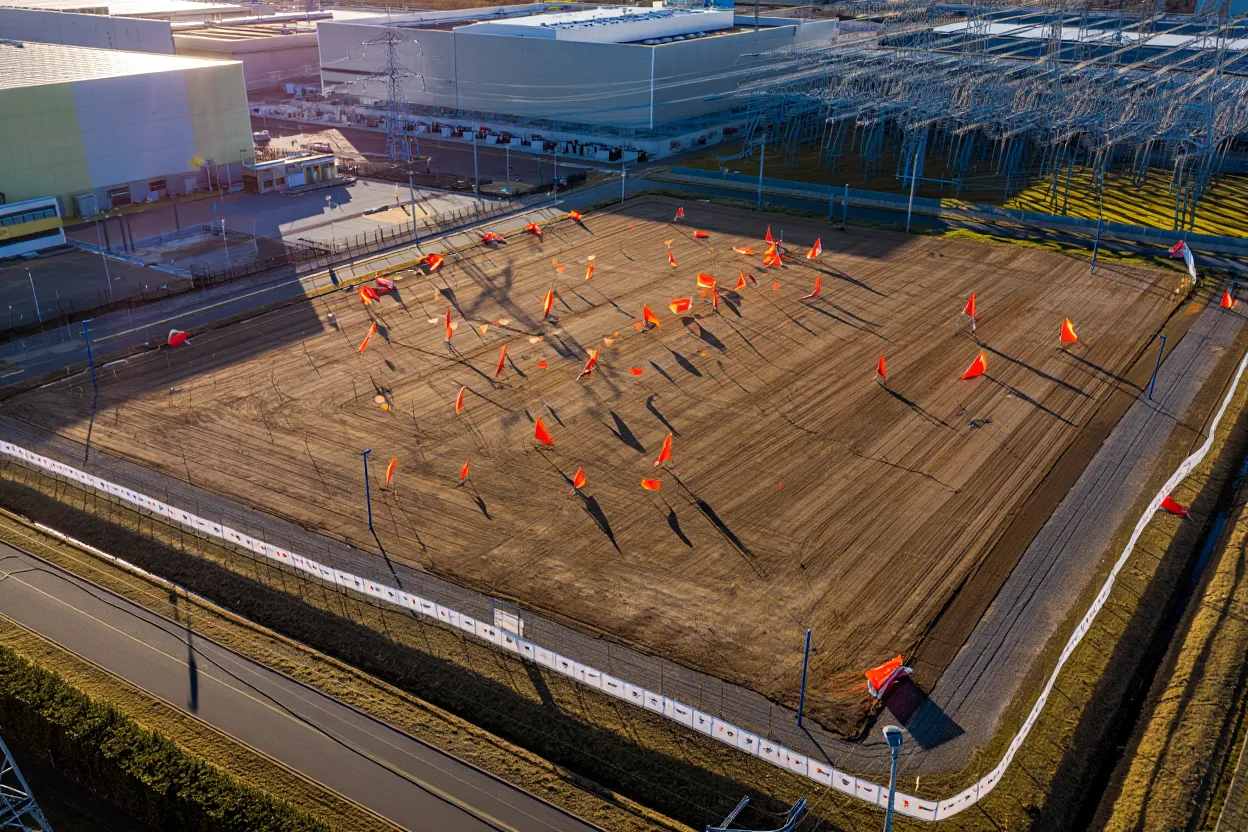
According to Bisnow, land tied to current or future data center projects is commanding record prices, and the hunt for power-enabled sites is remaking the national development landscape. In Q1 2026, 30% of all US development land spending targeted data centers, up from 19% the year prior, per Avison Young data. While only 16 such land parcels changed hands—down from 20 a year ago—the $3.3B in spending highlights the new value placed on sites with power, grid connectivity, and the right zoning in place.
Get Smarter about what matters in CRE
Stay ahead of trends in commercial real estate with CRE Daily – the free newsletter delivering everything you need to start your day in just 5-minutes
Finest-Powered Parcels Create Winners And Losers
Demand for data center sites keeps rising. Data center developers and industrial users both need more electricity. Meanwhile, supply remains tight. Developers added only 25 GW of new capacity to US pipelines in Q4 2025. That was half the amount added in the previous quarter.
According to CRG COO Steve Schnur, “If you’re in a business-friendly state with a large, powered parcel, you’re sitting on a gold mine.” Amazon’s $120M purchase of a 44-acre site in Northern Virginia highlights the trend. The same land sold for $39.5M in 2021. As values climb, industrial buyers are shifting to less competitive markets farther away.
Data Center Power Demand Shakes Up Regional Development
Industrial developers face growing pressure. In markets like Northern Virginia, data center buyers have pushed land prices beyond feasible industrial economics. Last year, Amazon Web Services paid $700M for a campus in the region. That price was 1,272% above the site’s 2021 and 2022 assemblage value. The deal reflects the intense competition for powered land.
Goldman Sachs expects US data center power demand to rise from 31 GW in 2025 to 66 GW by 2027. At the same time, automated warehouses can use up to 10 times more power than traditional facilities. As a result, both sectors now compete for power-ready sites. Lengthy grid connection delays add further pressure. Consequently, land premiums and development urgency continue rising each quarter.
Why It Matters
Infrastructure, municipal approvals, and access to immediate power are now the gating factors shaping land deals nationwide. As powered sites become scarcer and pricier, some industrial parcels are simply being listed as data center plays instead. The trend is also boosting activity across the broader data center ecosystem, supporting stronger leasing, advisory, and transaction volumes. Colliers’ Anne Dempsey notes that land costs are outpacing rent growth by a significant margin, rendering many deals uneconomical at today’s premiums. Development sales volume for powered sites surged 55% year-over-year in Q1 to $11.1B, while private buyers accounted for 70% of transactions. This signals renewed investor willingness to underwrite new projects but also rising risk and uncertainty about how long power supply can keep up with demand.
What’s Next
With power-constrained land in short supply and demand for AI-fueled data centers showing no signs of slowing, expect continued record pricing for qualified sites. The spotlight will be on whether energy providers can actually deliver the required grid capacity. Regions with friendlier municipal approval processes, such as Texas and Florida, are primed for increased data center investment. Market players should continue to watch for shifts in where industrial and data center developments can adequately coexist—or whether pricing will push traditional uses even further out from top metro hubs.