







- Goldman Sachs’ Jan Hatzius expects AI’s support for U.S. growth to crest in late 2026 or early 2027, while Apollo’s Torsten Slok says AI has delivered no financial payoff outside big tech.
- A Columbia Business School paper estimates AI computing capacity planned for 2025 to 2032 would need $1.774 trillion in annual cash flow by 2032, or 8.8% of projected GDP, to pay for itself.
- For industrial investors, the data center boom is driving demand today, but its durability depends on whether the businesses financing and using AI can turn spending into returns.
Two prominent economists are questioning how long AI spending can keep lifting the economy, which matters for industrial real estate demand tied to data centers, GlobeSt reports.
Goldman Sachs’ Jan Hatzius sees AI’s growth boost cresting around the end of this year or early next, while Apollo’s Torsten Slok doubts the payoff has reached businesses beyond big tech.
Get Smarter about what matters in CRE
Stay ahead of trends in commercial real estate with CRE Daily – the free newsletter delivering everything you need to start your day in just 5-minutes
Goldman Sees a Peak
Hatzius expects AI investment’s share of GDP growth to decelerate within a year, per Fortune. He also cited the diminishing lift from last year’s tax-law depreciation allowances.
He also pointed to high fuel prices, long-term yields up about 100 basis points since early this year and large deficits. Together, he said, they could shave 0.6 points off GDP. He still expects AI to pay off in productivity eventually.
Apollo Pushes Back
In a note, Slok said AI has produced “zero financial payoff” for companies outside tech. Revenue per worker and margins have risen at the biggest tech firms, he noted, but stayed flat for everyone else in the S&P 500.
He added that the San Francisco Fed’s productivity measure shows no overall lift, and that mainstream companies increasingly treat AI spending as a cost center.
The Cash Flow Test
Columbia’s Stijn Van Nieuwerburgh sizes the bill in his paper Financing the AI Buildout. By 2032, the computing capacity added from 2025 on would have to throw off $1.774 trillion a year to justify itself, equal to 8.8% of that year’s projected GDP.
Zoom Out
Scale is already enormous. Our brief on the $10.3T data center buildout covered projected AI infrastructure spending of $10.3 trillion from 2025 through 2032, with Goldman putting 2026 AI investment at 1.9% of GDP.
Financing is already getting tougher. In AI data center debt yields, Bloomberg counted at least 18 deals at double-digit yields, and the best-rated bonds went from under 5% to near 7%.
Why It Matters
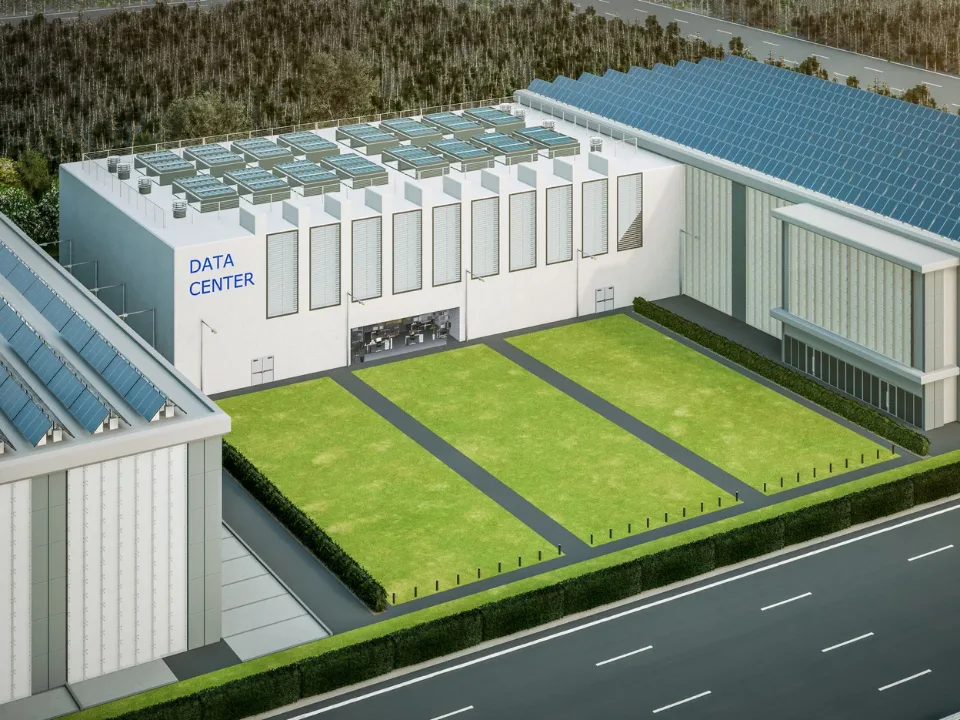
AI computing needs have fueled data center development and, in turn, industrial demand. GlobeSt frames the open question as durability: whether the companies funding and using AI can turn spending into returns.
The three views are distinct but connected. Goldman sees a diminishing boost, Apollo questions the benefits outside tech and the Columbia analysis shows the cash flow the buildout would require.
What’s Next
Watch for corporate earnings that show whether AI spending is reaching the bottom line, and for how financing costs behave as data center debt gets pricier.