







- A new appraisal puts 26 Broadway at $147 million against a $290 million mortgage, a $143 million gap before $40 million of mezzanine debt, so cheaper money alone cannot cure the loan.
- The Fed raised rates in September and held in October on a 10-2 vote, and minutes show some officials considered a larger move in December if inflation runs hot.
- Trepp finds 39% of COVID-modified office loan balances are delinquent or in special servicing versus 16% for other office loans, so extensions have mostly delayed losses.
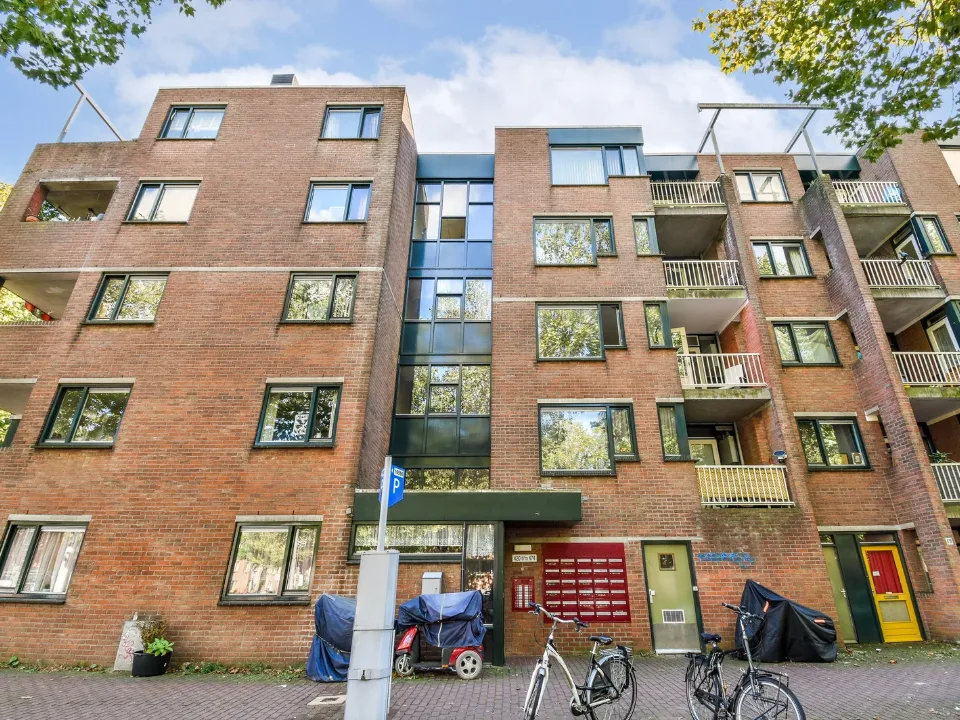
A Lower Manhattan tower shows why distressed office loans won’t be saved by lower rates, according to GlobeSt’s write-up of Trepp’s latest weekly podcast.
The mortgage on 26 Broadway now exceeds the building’s appraised value by $143 million, and the Fed isn’t signaling relief.
Get Smarter About What Matters in New York
Subscribe to our free newsletter covering the biggest commercial real estate stories across the five boroughs — delivered in just 5 minutes.
The Gap at 26 Broadway
Trepp’s data show the tower’s appraised value down roughly 68% to $147 million, a markdown we covered in our look at the $147M appraisal. The securitized loan totals $290 million, with $40 million of mezzanine debt behind it.
At securitization in late 2021, the 840,000 SF tower carried $465 million of value. The new figure is $318 million lower.
Cash Flow Never Worked
Underwriting assumed $19.34 million of net cash flow with the building 82% full. Last year it was 75% full and generated $13.6 million, about 29% less than it needed to service the debt.
Coverage has been under 1.0 since the loan was made. Special servicing began in June, after the borrower told the lender it couldn’t pay off the loan at maturity.
The city’s Department of Education construction arm is the largest tenant, with 288,000 square feet on leases through 2039 and 2041. Even a long-term government tenant didn’t make the numbers work.
The Fed Isn’t Helping
The Fed lifted rates in September, then paused in October with two of 12 voters dissenting in favor of another quarter-point increase. According to the minutes, a couple of participants floated something bigger in December if inflation re-accelerates.
Trepp’s Stephen Buschbom said on the podcast that counting on lower rates to solve a maturity problem is “a super tough assumption” right now. For borrowers, he said, the question has shifted to how many more hikes they must absorb.
Extensions Mostly Delayed the Pain
Trepp’s Nick Smith also presented research on modified loans. Office is the weakest spot, with 39% of balances on COVID-era office modifications now in special servicing or delinquent, versus 16% on other office debt.
Trepp product chief Lonnie Hendry said modifications worked for hotels and retail in 2020 because those shocks were temporary. Where the shock proved lasting, as in office, they “delayed the reckoning,” he said.
Why It Matters
The pattern is showing up across the CMBS market. Trepp’s broader tally, which we covered in our piece on loan modifications, found delinquency on modified balances running more than four times the rate for unmodified loans.
For owners facing maturities, a lower rate trims debt service but does not bring back the lost value or fill the equity hole.
What’s Next
The Fed’s December meeting is the next test, and Buschbom floated “the bill coming due” as a possible Trepp research theme for 2027. At 26 Broadway, the special servicer’s next move will show how much of the loan it expects to recover.