






- Projects started this year will push the U.S. mass-timber building count past 1,500, up from fewer than 100 a decade ago, according to industry group WoodWorks.
- Timber costs more than steel-reinforced concrete, but developers say faster assembly, smaller crews and exposed wood that skips drywall and paint can recoup a premium of 10% to 20%.
- Timber growers want commercial construction to absorb a wood glut, and they are pitching data-center developers whose emissions goals and tight schedules suit the material.
Mass timber has grown from fewer than 100 U.S. buildings a decade ago to more than 1,500 once this year’s starts are counted, the Wall Street Journal reports.
Architects and developers are using engineered wood as an alternative to steel and concrete, from hotels and libraries to apartment towers.
Get Smarter about what matters in CRE
Stay ahead of trends in commercial real estate with CRE Daily – the free newsletter delivering everything you need to start your day in just 5-minutes
How It Works
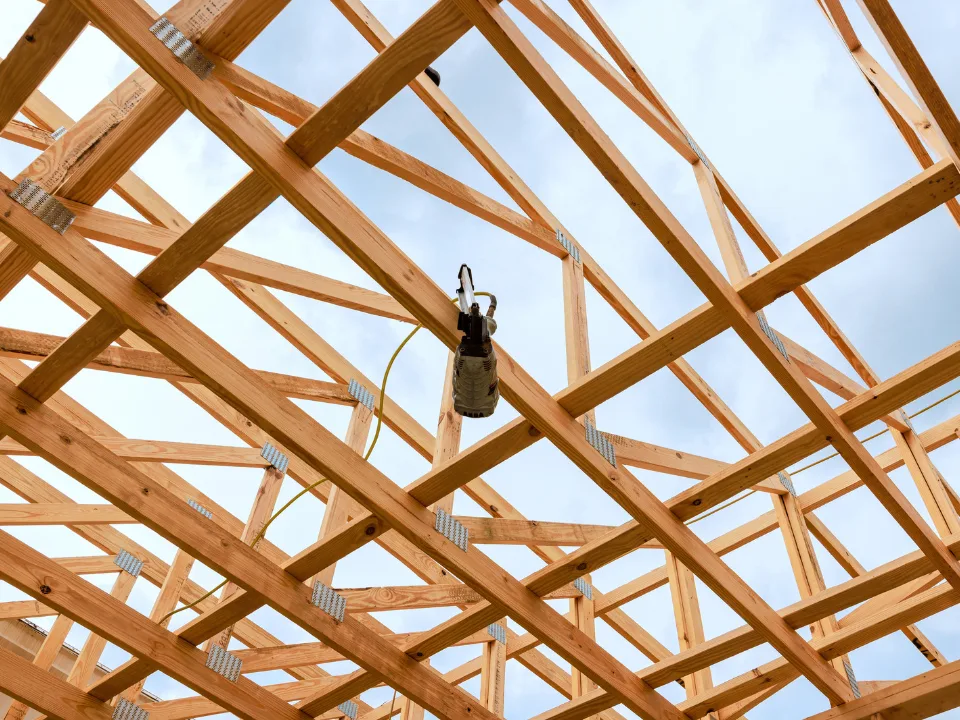
Manufacturers glue and press stacked boards into big panels and beams. A single slab can act as the ceiling, the floor and the structural support.
WoodWorks, an industry group with some Forest Service funding, supplies the building count. Its chief operating officer, Bill Parsons, told the Journal the U.S. adds roughly 10 million square feet annually, against a potential market near 1 billion.
The Cost Math
The wood itself generally costs more than reinforced concrete and steel. Savannah architect Patrick Shay told the Journal it carried a premium of 10% to 20% on his Sabal House hotel.
Speed erased that. A six-person crew assembled elements up to roughly 60 feet long, and leaving the wood exposed cut drywall and paint. Traditional materials have also grown pricier, driven by data-center demand, supply disruptions and tariffs.
From Niche to Code
Adoption was slow at first. Building codes lagged, contractors balked at an unfamiliar material and Shipments often arrived from overseas. The 2021 International Building Code lifted the cap on wooden buildings from six stories to 18.
Large projects have followed, including a Milwaukee apartment tower of 25 wooden stories and Walmart’s 2.4 million-square-foot offices in Bentonville, Arkansas. In New York, officials picked a developer team in May 2025 for a 500-unit-plus Staten Island mass-timber project.
Data Centers Are the Next Target
Weyerhaeuser CEO Devin Stockfish told investors the timber industry is trying to convince data-center developers that mass timber goes up faster. Those builders tend to have emissions goals and tight schedules.
Google is already on board. A company executive said it milled 85-year-old Douglas fir salvaged from a World War II hangar for a data-center office building in Oregon, and it put up a mass-timber office in Sunnyvale, California.
Why It Matters
Timber growers need new demand. Pulp and paper markets have collapsed, and a housing slump is closing sawmills.
Supply is expanding in places. RoyOMartin is putting $115 million into a timber campus in Polk County, Texas, which we covered in April.
What’s Next
Parsons says the industry is “just scratching the surface.” With about 1% of potential volume captured each year, the test is whether data-center and institutional owners make timber a default choice.