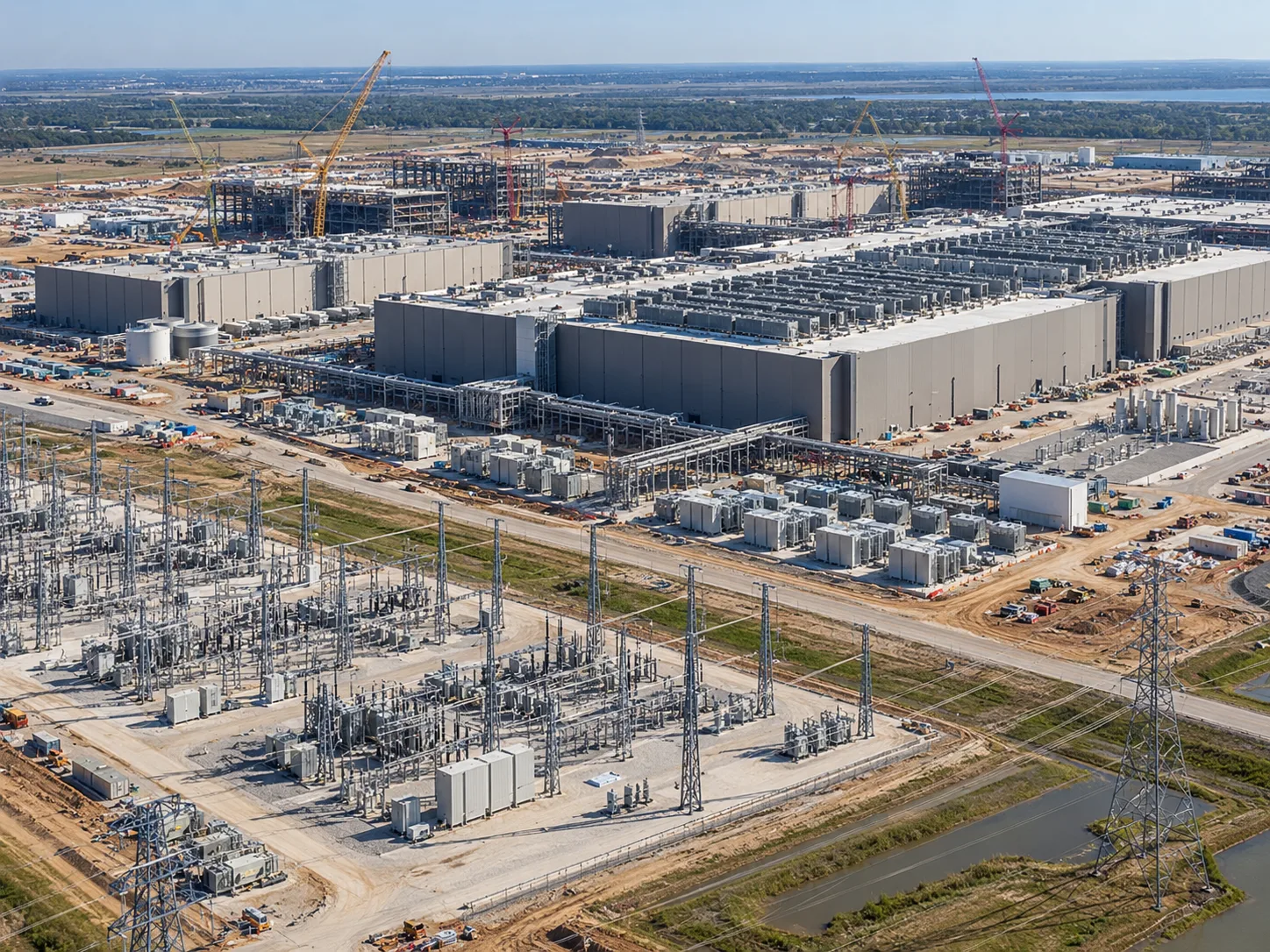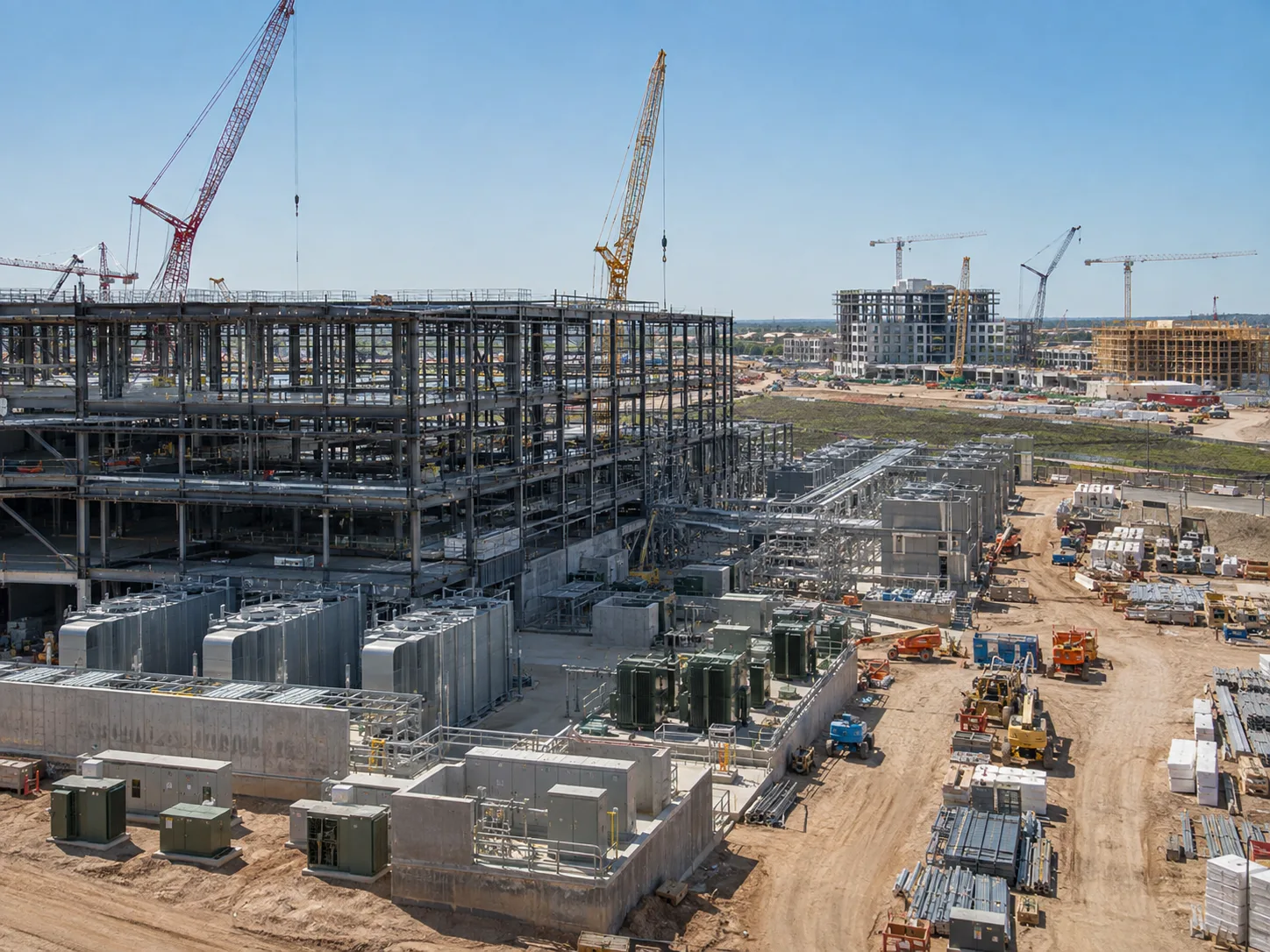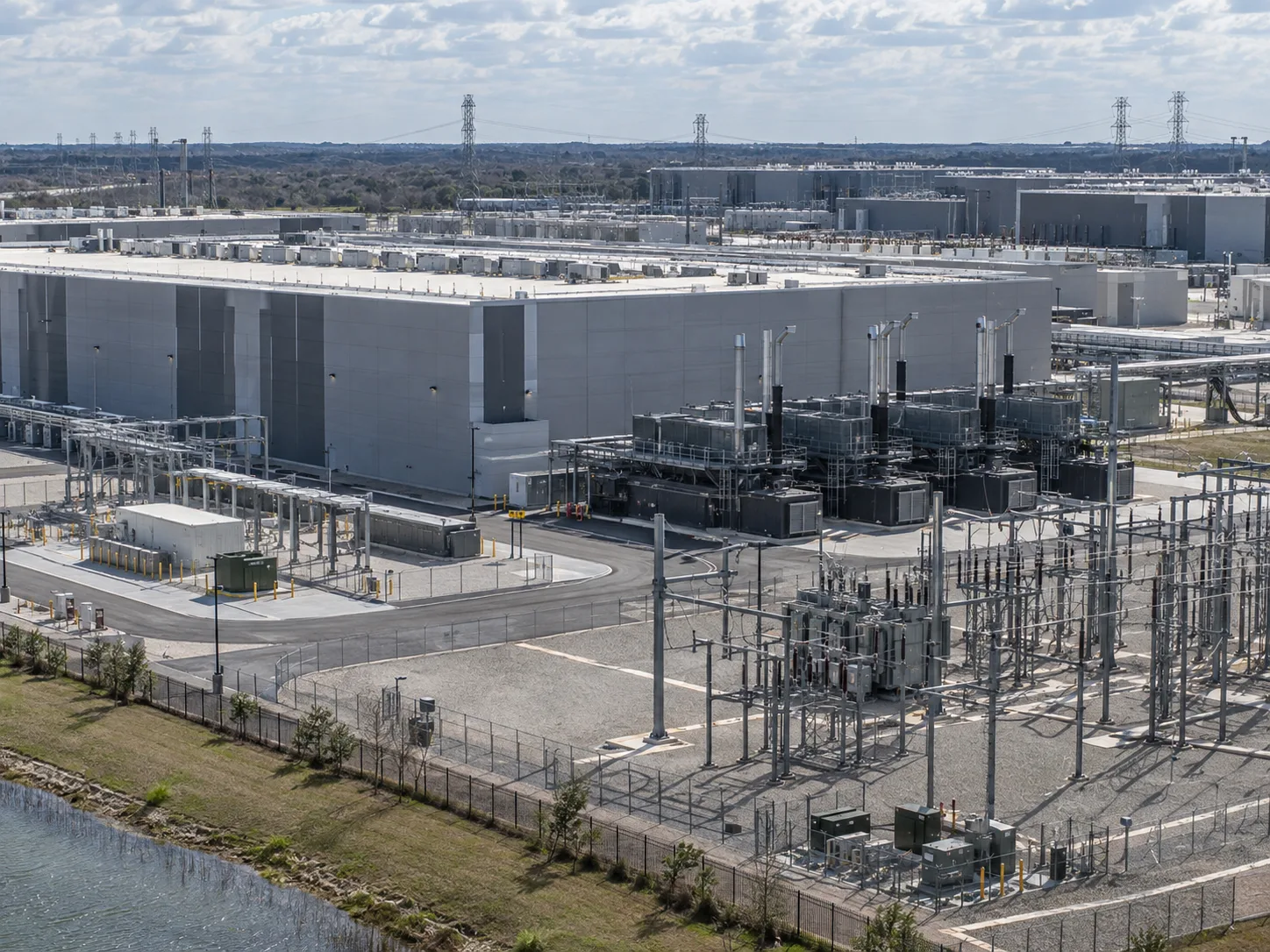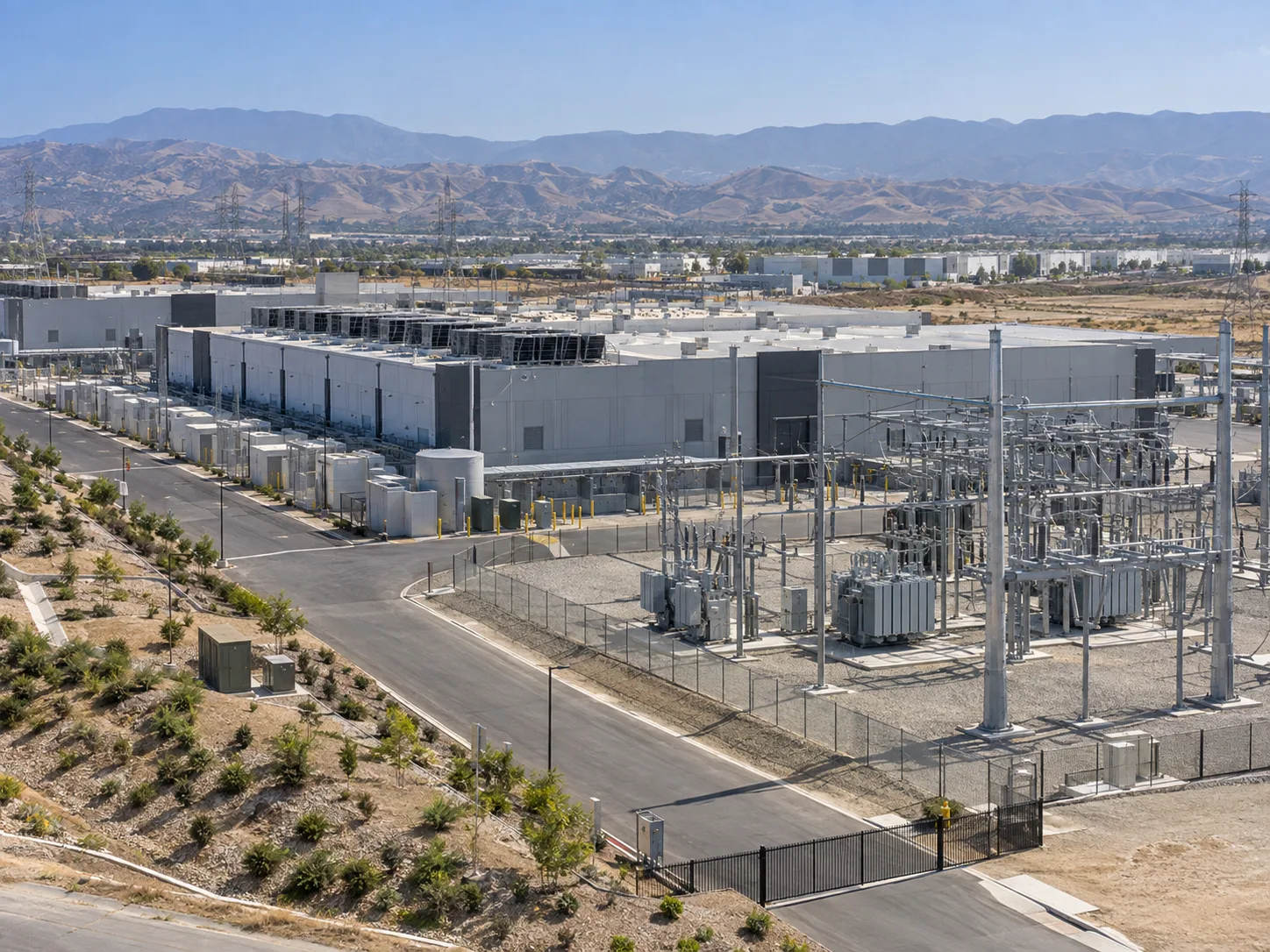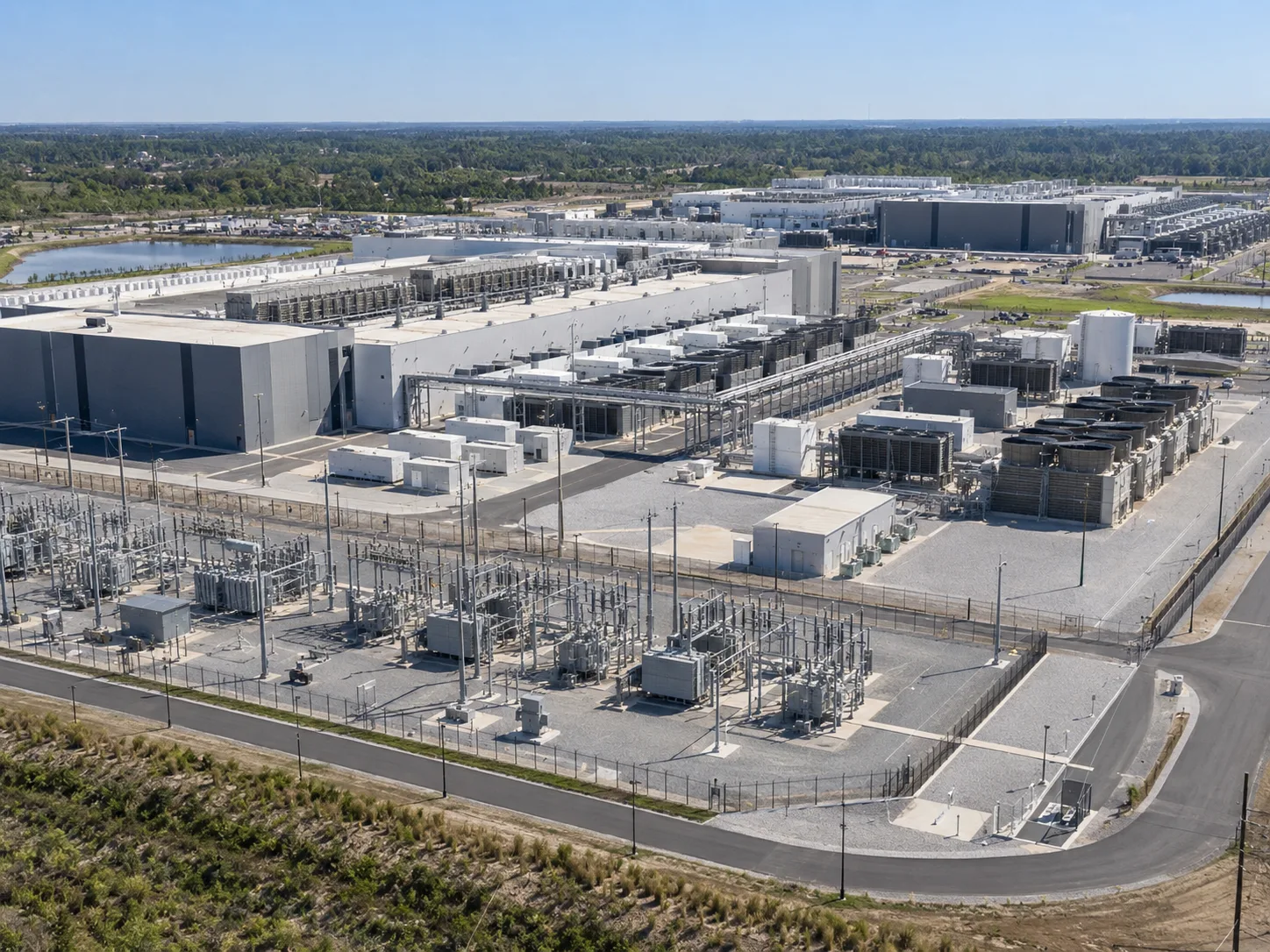









- Texas Gov. Greg Abbott ordered a halt on new data center grid connections pending a state audit of power and water use, dividing developers at Bisnow’s DICE: South event.
- ERCOT is evaluating more than 474 gigawatts of requested capacity, over five times peak grid demand, with 90% of that load coming from data center projects.
- The pause delays ERCOT’s new ‘Batch Zero’ review process and injects politics into a queue developers had expected to be decided by market economics alone.
Texas Gov. Greg Abbott’s freeze on new data center grid connections has split an industry he’d previously championed, according to Bisnow. The order, issued earlier this month, halts new interconnections to the Texas grid until state agencies audit each project’s planned power and water consumption, ownership, and other details. Developers offered a mix of relief and frustration at Bisnow’s DICE: South event in Arlington this month, where the pause dominated conversation.
Get Smarter About What Matters in Texas
Subscribe to our free newsletter covering the biggest commercial real estate stories across Texas — delivered in just 5 minutes.
From Ally to Skeptic
Abbott once strongly backed Texas’ data center boom. The state became the nation’s fastest-growing hub for the asset class. It is also on track to overtake Virginia as the largest market by 2030, driven by easy grid access and business-friendly policies.
The freeze comes just ahead of Texas’ midterm elections. Opposition to data center growth has become a campaign issue for candidates in both parties. For developers already waiting in the interconnection queue, the move has turned a routine milestone into open-ended uncertainty.
The Details
ERCOT, which operates the Texas grid, is reviewing more than 474 gigawatts of capacity requests from large projects. That’s more than five times the record level of grid demand. It would equal the power needed to connect more than 415 million homes, according to the Abbott administration.
About 90% of those requests come from data centers. Abbott’s order arrived days before ERCOT and the Texas Public Utility Commission were set to finalize “Batch Zero.” The new system evaluates dozens of projects together instead of one at a time.
Developers had expected an Aug. 7 decision on which projects would enter the first batch. Skybox Datacenters Chief Development Officer Haynes Strader called that milestone the end of “an arduous 18-month process to get to interconnection.”
Industry Splits Down the Middle
Strader said he “could not agree more strongly” with the pause. He argued the audits will separate serious developers from speculative projects. He also expects them to reward firms with established track records, as Texas continues approving projects such as the Fort Worth data center Black Mountain won approval for this year.
Gigabit Fiber CEO Tom Spackman sees it differently. His company has waited three years for power from utility Encore without a clear queue position. He called Abbott’s freeze a “horrible decision.” Spackman argued it replaces ERCOT’s economic evaluation with what he called a political “beauty contest.” “I think the free market has to decide this,” he said.
Why It Matters
CleanArc Data Centers Chief Operating Officer Lindsey Bruner said the audits could benefit the industry over time. They could force developers to disclose power and water use, she said. The sector has often faced limited scrutiny outside city limits, where projects can win approval with less oversight.
Bruner said that lack of transparency has left communities feeling blindsided by large projects. The backlash comes as Permian Basin landowners and developers race to capture AI-driven demand. Greater transparency could improve public trust, she said, in a sector that has become “a political punching bag” for both parties.
What’s Next
ERCOT’s queue remains far larger than available capacity. Abbott’s audit will help determine which projects move to the front once connections resume. The state has not said how long the review will take. Developers therefore face weeks or months of uncertainty.
Strader acknowledged the process “is going to cost a lot of projects their opportunity to succeed.” Still, he expects it to favor established firms with strong reputations. Watch for political pressure to build ahead of the midterms. Also watch for the Abbott administration to set a firm end date for the audit.