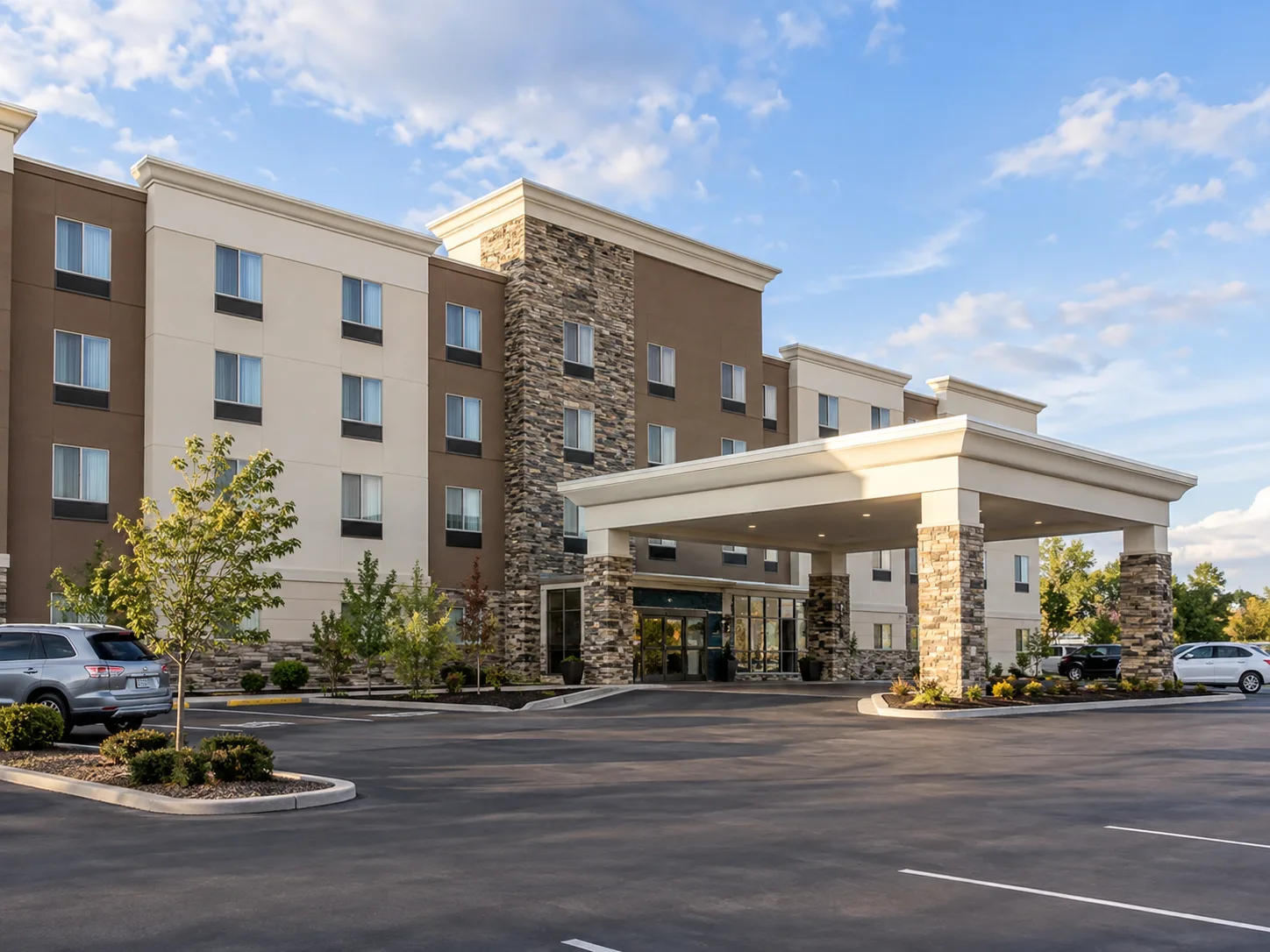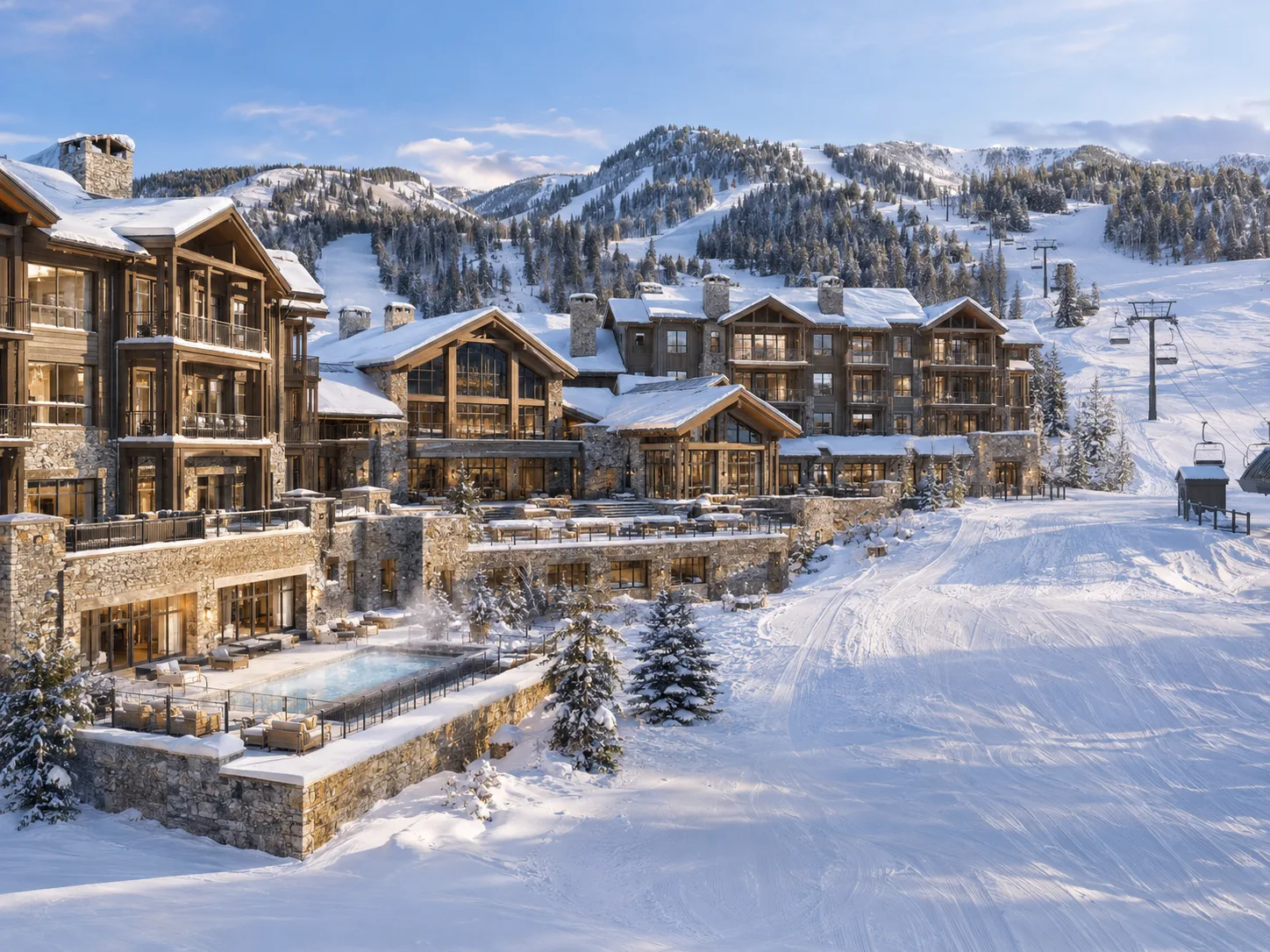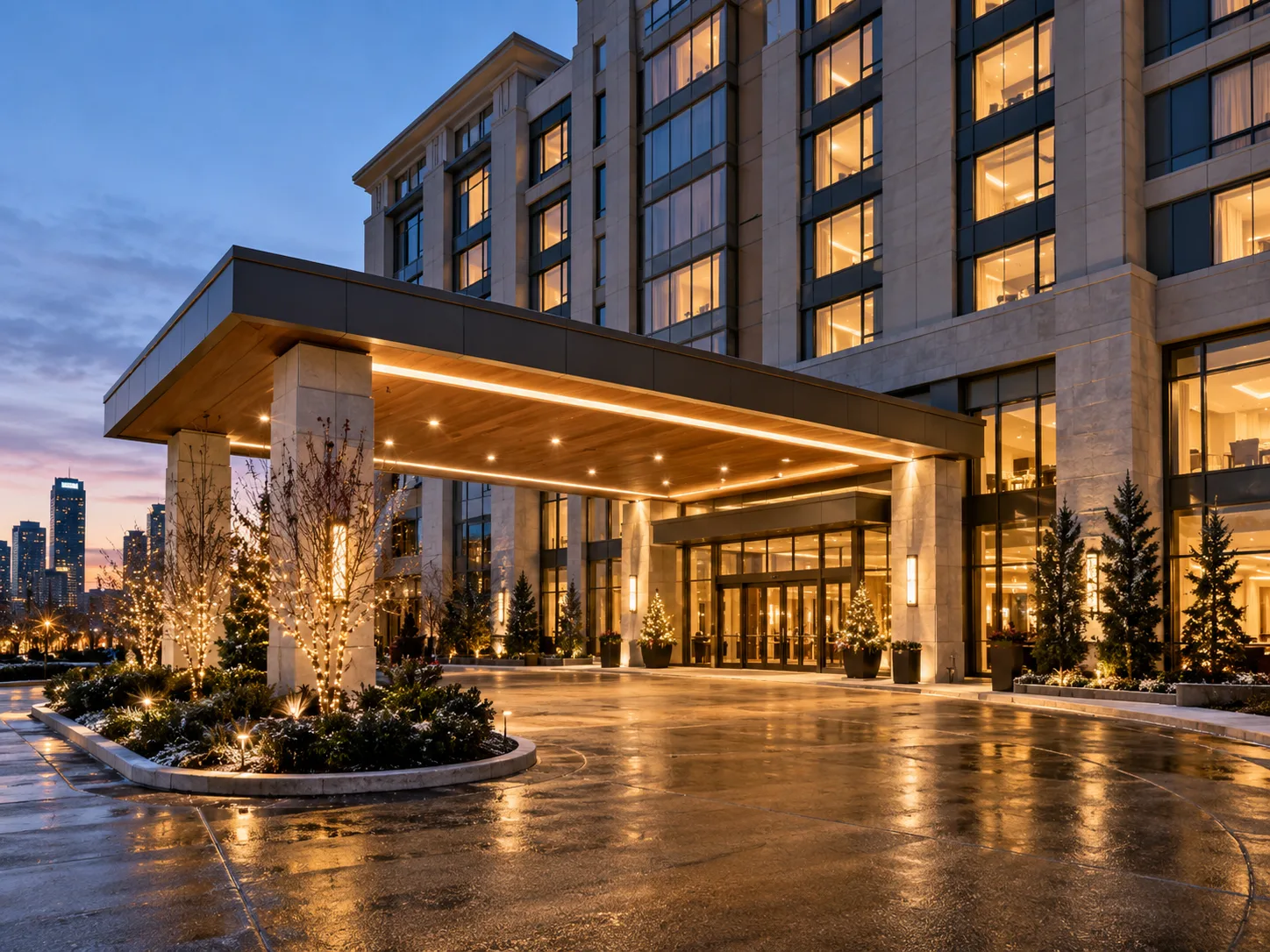







- US hotel transaction volume climbed 28% year-over-year in the first half of 2026, per MSCI data reported by The Wall Street Journal.
- More buyers are acquiring hotels requiring substantial capital improvements, as current owners face debt burdens and liquidity challenges.
- With new hotel construction at just 0.5% of supply, the market is favoring acquisitions over ground-up development.
Shift From New Build to Value-Add
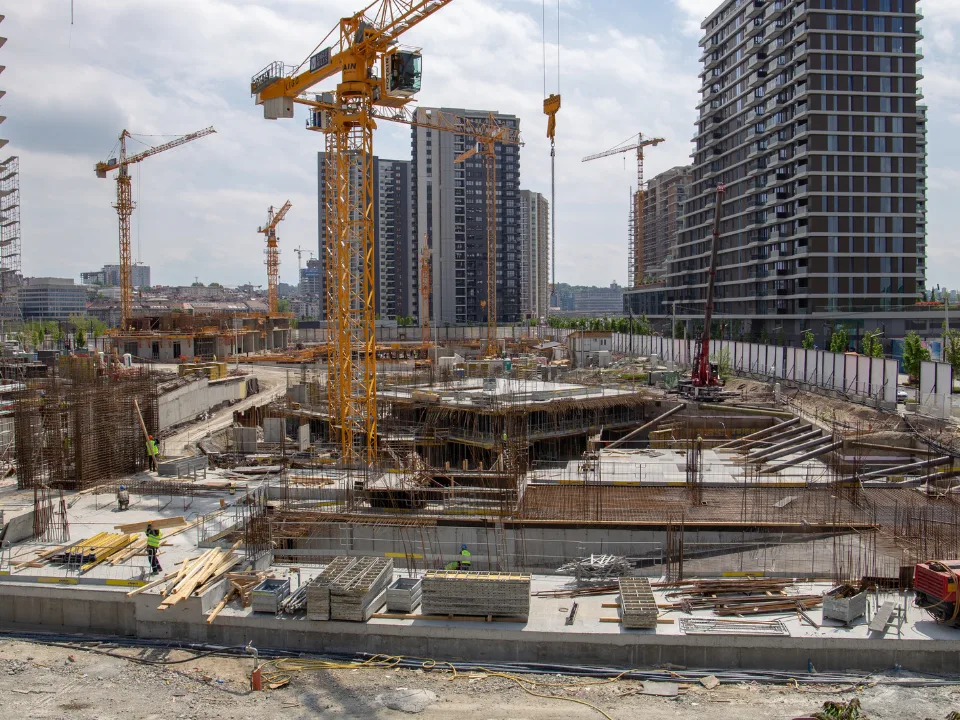
The Real Deal reports that hotel investment activity is shifting from new development toward existing assets, especially properties requiring significant capital upgrades. The Wall Street Journal links this transition to persistently high construction costs and limited development. Meanwhile, owners are listing operational hotels because they cannot meet growing refurbishment requirements.
These distressed or under-invested properties attract buyers seeking returns through renovations and operational improvements. The trend places greater emphasis on existing supply as barriers to new construction continue rising.
Get Smarter about what matters in CRE
Stay ahead of trends in commercial real estate with CRE Daily – the free newsletter delivering everything you need to start your day in just 5-minutes
The Details
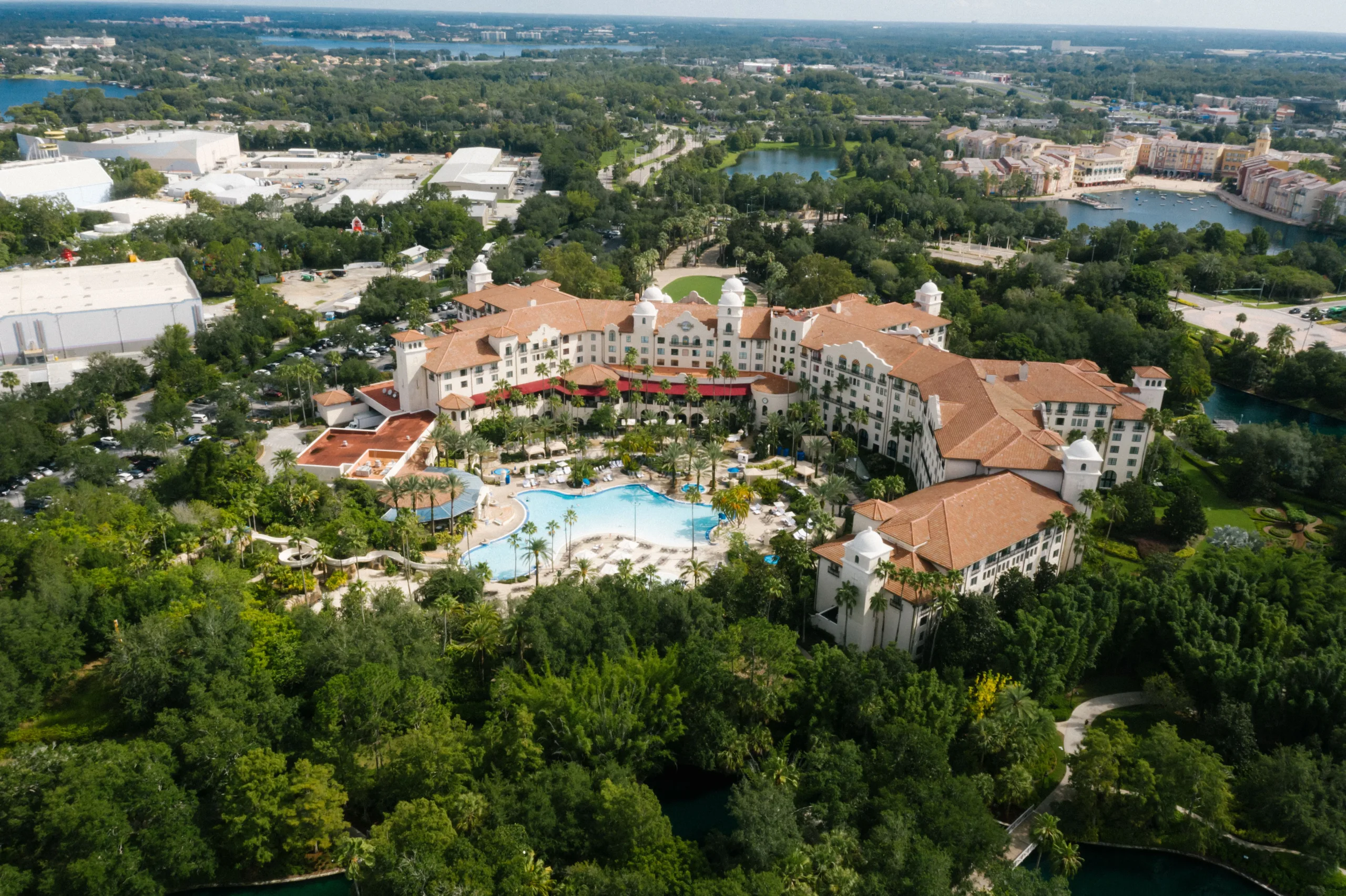
National hotel deal flow increased 28% year-over-year during the first two quarters of 2026, according to MSCI. Trophy properties continue commanding premium prices, including Florida’s Grande Lakes Orlando Resort. The JW Marriott and Ritz-Carlton property sold for $1.4B.
However, transaction growth also includes mid-tier and select-service properties that reached market lows two years ago. Some owners now prefer selling instead of funding renovations. Major hospitality brands require upgrades, while mounting debt obligations add further pressure.
Liquidity and Lending Trends Shape Strategy
Lower short-term interest rates are drawing buyers back into the hotel market. Major events also strengthen investor interest through potential revenue gains.
Meanwhile, CoStar’s Jan Freitag says building hotel rooms costs significantly more than acquiring existing properties. A similar value-add strategy is gaining traction in industrial, where investors increasingly target warehouses with renovation and repositioning potential. New room additions equal just 0.5% of existing supply, versus a 1.6% historical average.
Together, these factors increasingly favor acquisition and rehabilitation strategies over ground-up construction.
Why It Matters
The 28% increase in hotel sales marks a significant shift after a prolonged slowdown. Owners facing expensive capital improvements increasingly sell properties rather than fund required upgrades. Higher debt-service costs and regular brand requirements add further pressure.
For buyers, these conditions create opportunities to acquire properties below replacement cost and generate upside through renovations. Limited new supply also strengthens the position of operators willing to upgrade existing hotels. Luxury transactions like Grande Lakes Orlando could keep top-end cap rates competitive while supporting more mid-tier deals.
High development costs and a limited construction pipeline could push more capital toward value-add acquisitions. Investors can redirect spending toward renovations and operational improvements instead of ground-up projects. This shift could gradually improve hotel stock without creating the oversupply associated with development booms.
What’s Next
Investors will watch transaction momentum during the second half of 2026. Debt maturities and capital improvement cycles could push additional properties onto the market. Meanwhile, new supply remains near 0.5%, while major events could support near-term hotel revenue.
If rates remain favorable and travel demand holds, buy-and-rehab strategies could remain dominant through 2027. That trend could support sector stability, although broader CRE volatility remains a significant risk.