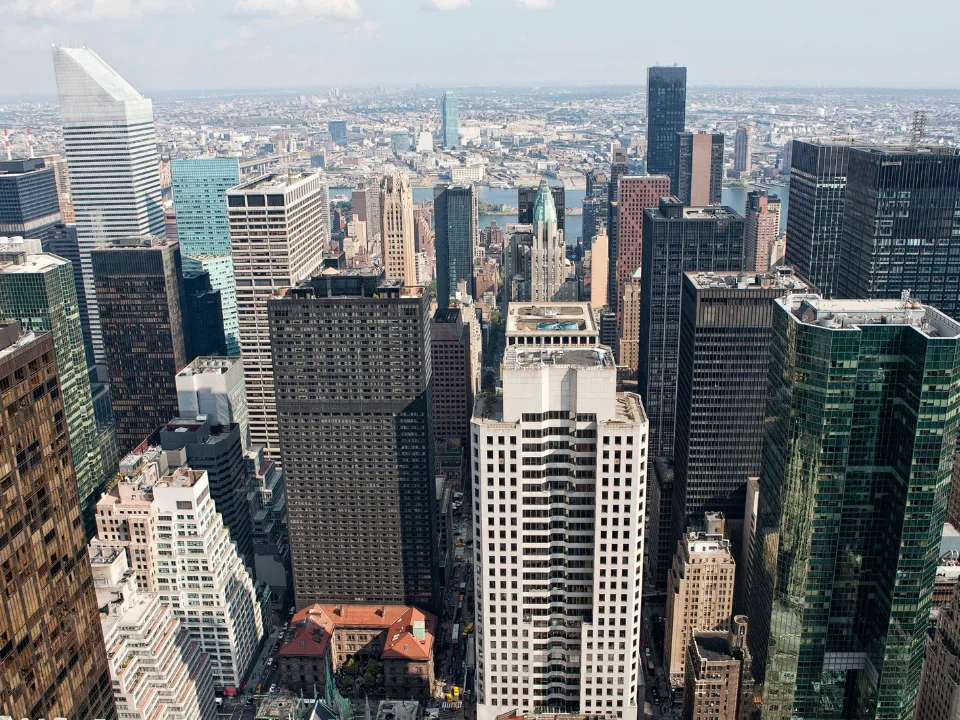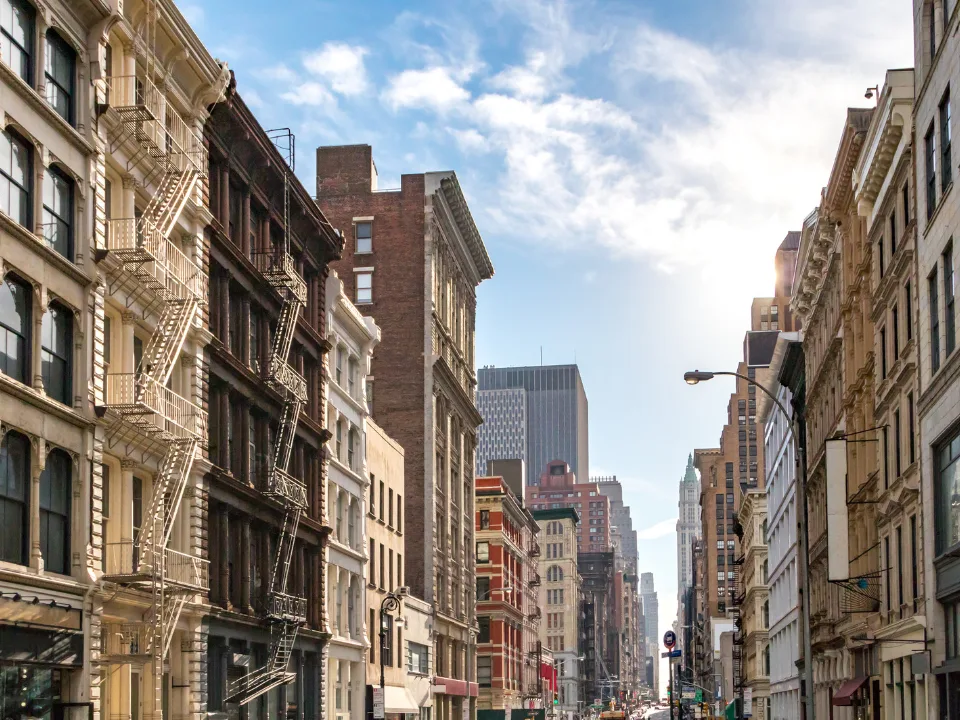



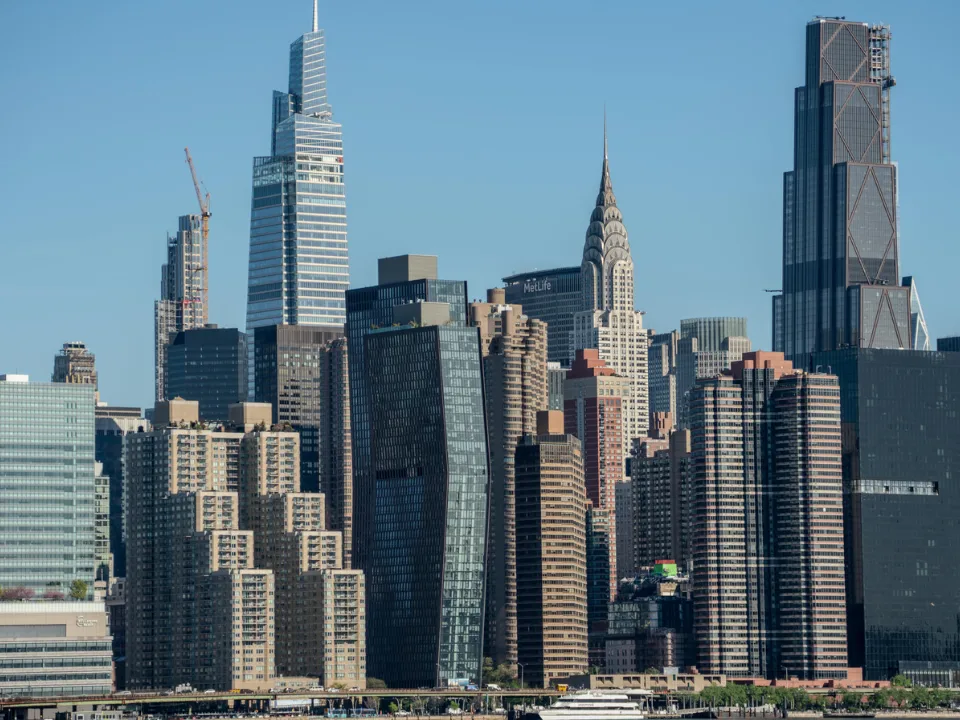





- New Manhattan trophy office towers are commanding much higher rents than even fully renovated older office buildings, per Trepp data.
- One Vanderbilt, built six years ago, achieves actual rents of $187.24 PSF, while 660 Fifth Ave., despite a $400M overhaul, rents for $140 PSF.
- This dynamic highlights building age as a growing factor for investors weighing New York City’s office sector recovery.
Quality Alone Does Not Close the Age Gap
According to Globe St, upper-tier Manhattan offices have fueled the city’s post-pandemic recovery, but new research shows quality alone cannot guarantee top performance. Trepp finds the newest trophy towers command the sharpest rent premiums, regardless of location, amenities, or capital investment.
Many of these towers opened after 2020. For investors and landlords, that finding challenges assumptions about renovated classics competing with newly built towers.
Get Smarter about what matters in CRE
Stay ahead of trends in commercial real estate with CRE Daily – the free newsletter delivering everything you need to start your day in just 5-minutes
The Details
One Vanderbilt offers a prime example in Midtown’s trophy office market. The six-year-old, 1.7M SF skyscraper sits opposite Grand Central Terminal. It achieves actual rents of $187.24 per SF.
Meanwhile, Brookfield acquired 660 Fifth Ave. in 2018 and invested $400M in a comprehensive reconstruction. The 41-story landmark commands about $140 per SF despite that modernization.
Trepp finds post-2020 offices average $153.68 per SF, versus $78.32 for buildings from the 1950s. Pre-1930s buildings average below $60 per SF, with rents falling as low as $34.63 per SF.
Midtown’s Trophy Towers Pull Away
New trophy office towers show pronounced rent outperformance across Midtown. Cushman & Wakefield reported average asking rents of $76.98 per SF in mid-2026.
That figure reflects asking rents and excludes rising concessions. Therefore, actual effective rents almost certainly sit lower.
One Vanderbilt and its newer peers outperform Midtown by far more than a narrow margin. They occupy a separate financial tier from average offices and older redeveloped trophy properties.
Why It Matters
For office investors and lenders, the growing rent divide by building age changes underwriting and acquisition strategies. Trepp’s data suggests the post-pandemic “flight to quality” has evolved into a “flight to newness.” That pattern mirrors broader CRE pricing trends, where asset vintage increasingly challenges traditional assumptions about property value.
Even 660 Fifth Ave.’s $400M investment may not fully overcome the property’s age. Large tenants increasingly value modern design, technology infrastructure, and certifications associated with newer construction.
That shift matters across Manhattan, where many trophy properties date to the 1950s or earlier. Renovations can improve competitiveness, but they may struggle to replicate advantages built into newer towers.
The Growing Age Premium
Location, transit access, and amenities remain important, but building age now drives a measurable rent premium. Post-2020 towers can command premiums of 30% to 50% over earlier Class A properties.
Trepp also finds only a handful of recently built assets remain available. That limited supply strengthens their pricing power and increases competition among deep-pocketed tenants.
Meanwhile, Midtown averages combine decades-old offices with retrofitted trophy properties. Those averages obscure the premium segment attracting tenants at prices far above broader market levels.
What’s Next
The clear rent premium could renew institutional interest in ground-up office development across core Manhattan. Investors may increasingly view new trophy towers as sources of durable income.
Meanwhile, owners must determine whether additional upgrades can still produce meaningful rent gains. Tenant preferences may increasingly favor new construction features that renovations cannot replicate.
The widening age divide could sharpen Midtown leasing competition in coming quarters. It will also influence how investors allocate capital across New York City’s office inventory.