






- Congregations are leasing or partnering on underused land for affordable housing, including a $30M, 90-apartment senior project in Houston and more than 500 units on Bronx convent property.
- Zoning disputes, parking rules and historic preservation fights have delayed or reshaped projects, and only a minority of church land is being successfully developed.
- Nine states have passed or considered YIGBY legislation, yet most projects still rely on grants and tax breaks, while rising rates and tariffs add cost pressure.
Congregations with idle land are teaming up with developers on affordable housing via partnerships and long leases, GlobeSt reported, drawing on CNN’s reporting.
The approach goes by YIGBY, short for Yes In God’s Back Yard. It matches religious groups holding surplus property with developers hunting for sites.
Get Smarter about what matters in CRE
Stay ahead of trends in commercial real estate with CRE Daily – the free newsletter delivering everything you need to start your day in just 5-minutes
Two Projects Show the Scale
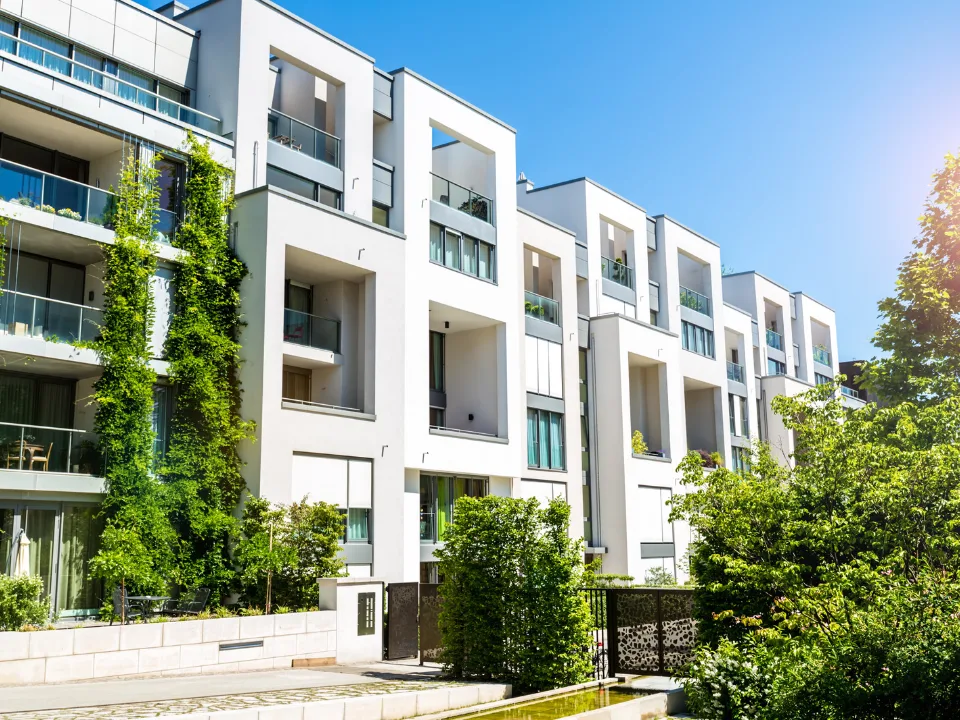
In Houston, Trinity East United Methodist Church broke ground in July on a $30 million project. The building will offer 90 units for seniors aged 55 and older. It is scheduled to open in 2027, per GlobeSt. Enterprise Community Partners and local groups helped support the project. Meanwhile, the church will co-manage the property with its development partner.
In the Bronx, the Ursuline Sisters took a different approach. They leased parts of their convent property to Fordham Bedford Housing Corporation. According to GlobeSt, the deal produced more than 500 affordable units.
Why Congregations Sign On
For religious groups, these deals can advance a charitable mission or generate income. This matters as membership and donations decline, GlobeSt reported. A land lease also allows a congregation to use its property without selling it.
However, developers must still make the numbers work. Potential sites include vacant lots, parking areas and former worship buildings, according to GlobeSt. Even so, access to land does not guarantee a successful development.
The Hurdles Are Real
Mark Elsdon is both a Presbyterian minister and a developer. He told CNN that most church land never gets developed because site conditions, financing and zoning must all align. GlobeSt also reported on his comments.
Meanwhile, Enterprise Community Partners has coached faith leaders on development for 20 years. The organization helps congregations navigate agencies, capital, grants and tax credits.
Washington’s Emory United Methodist Church completed 99 affordable units in 2019. However, the project took 11 years to deliver. The church’s pastor told CNN that preservation disputes added millions in costs. They also delayed the project by two years or more, per GlobeSt.
In Los Angeles, parking requirements made a planned IKAR housing project too expensive. The congregation had intended to build on synagogue property. Instead, it bought a nearby motel this summer and is pursuing housing there, GlobeSt reported.
Why It Matters
According to GlobeSt, CNN reported that nine states have enacted or considered such laws. The report cited the NYU Furman Center. However, policy changes alone cannot guarantee viable projects.
Bart Mitchell, CEO of The Community Builders, told CNN that most projects still depend on grants and tax breaks. In addition, higher mortgage rates and tariffs are increasing costs.
Faith-owned property is also part of housing supply debates elsewhere. For example, GlobeSt’s story echoes CRE Daily’s coverage of how high rents push New Yorkers into convents and boarding houses.
What’s Next
GlobeSt’s takeaway for investors is to match a congregation’s land and goals with a viable project. That project must also secure financing and clear the necessary approvals.
Going forward, watch for more state YIGBY laws. Also, monitor whether lenders and tax credit investors expand their involvement in this model.