



The Surprising Winners of NYC’s Rent-Stabilization System
Manhattan’s regulated apartments can rent for half the market rate, creating unexpected winners in the city’s housing system.

Nina Dale
July 28, 2026
Sponsored by

Good morning. A new analysis reveals that affluent New Yorkers are benefiting significantly from rent-stabilized apartments, especially in high-cost neighborhoods like Manhattan. The debate highlights the challenges of balancing housing affordability, tenant protections, and limited housing supply.
🎙️ This Week on No Cap: Jim Corl of Cohen & Steers joins Jack and Alex to explain why public REITs often signal where private real estate is headed. (Thanks to our sponsor, Lennar Investor Marketplace)
Listen & subscribe: Apple Podcasts | Spotify | YouTube

One Account. Every Market. No Closing Bell.

Markets don't wait for Monday. News breaks on a Saturday morning, and most traders can do nothing but watch.
Not on Liquid. Trade domestic and international equities, commodities, forex, crypto, and prediction markets — all from one account, 24 hours a day, 365 days a year. Liquid gives you access to any market, from anywhere, anytime. To us, access is arbitrage.
Getting started takes under 10 minutes: log in with Google, deposit with Apple Pay or a bank transfer, and trade from your phone or desktop — wherever you are in the world.
While everyone else is refreshing headlines and waiting for the open, you're already positioned. That's the difference between reacting to markets and actually trading them.
Market Snapshot
|
||
|
||
|
||
|
||
|
||
|
Hidden Discounts
NYC’s Rent-Stabilized Apartments Deliver Biggest Discounts to Wealthy Renters
New York’s rent-stabilization system is designed to protect affordability, but new data shows that some of its biggest financial benefits are going to higher-income renters.
Wealthy renters receive the largest discounts: A WSJ analysis of 2023 housing data found that the city’s highest earners living in rent-stabilized apartments receive the biggest savings. The top 25% of earners save about $1,000 per month compared with market-rate units, while the top 10% save roughly $1,300 monthly.
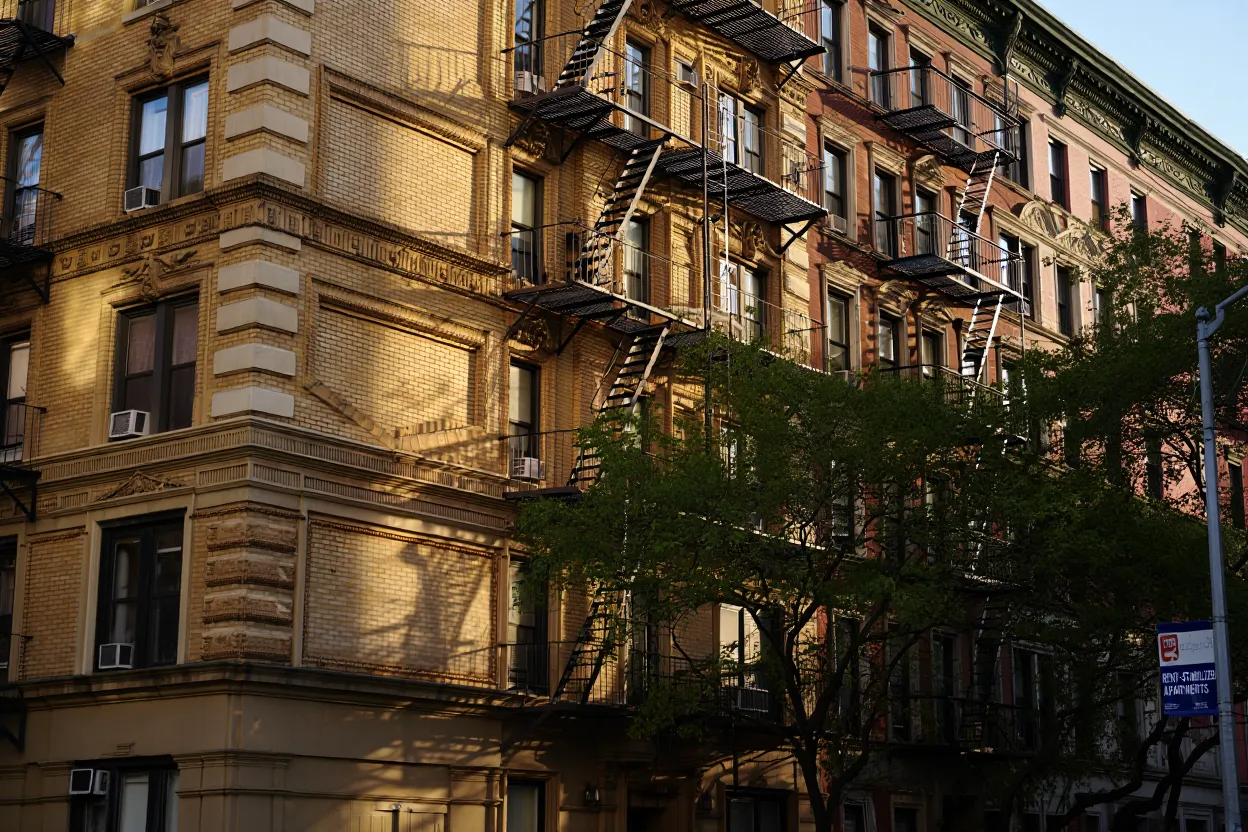
Manhattan has the biggest rent gap: The value of stabilization varies widely across boroughs. Manhattan’s stabilized apartments rent for about half the price of comparable market-rate units, while Brooklyn, Queens, and the Bronx show smaller discounts of 24%, 13%, and 12%, respectively. Expensive neighborhoods help widen the gap between regulated and market rents.

A system under debate: Real-estate groups argue that regulated apartments should prioritize renters who need affordability assistance most, while tenant advocates say rent stabilization is a broader tool to help New Yorkers remain in the city. They also note that income-testing nearly one million apartments would be difficult to manage.
Policy changes could impact supply: Mayor Zohran Mamdani’s planned rent freeze could increase the value of existing stabilized apartments, while his proposal to add 200,000 new stabilized units aims to expand access. The debate comes as landlords continue pushing for reforms after 2019 changes limited their ability to remove units from regulation.
High-income renters remain a minority: Upper-income households occupy about 10% of the city’s rent-stabilized housing stock, including more than 86,700 households earning above $200,000 annually. Despite the controversy, most stabilized renters remain lower- and middle-income households.
➥ THE TAKEAWAY
A housing policy balancing act: New York’s rent-stabilization debate reflects a broader challenge facing major cities: protecting affordable housing while deciding who should benefit from limited, highly valuable resources. As housing costs continue rising, expanding supply may become just as important as regulating existing units.
Around New York
➥ New York's economic strengths are being challenged by slower population growth, resident outmigration, widening regional divides, and uneven job growth.
➥ NYC is pushing more solar and battery storage on public properties to strengthen the grid, lower costs, and improve resilience.
➥ Replacing the BQE with streets and light rail could unlock 100 acres for new housing and commercial development while costing far less than rebuilding the aging highway.
➥ Manhattan development sales soared nearly 1,500% year over year in the second quarter, driving a sharp rebound in investment activity alongside a strengthening office market.
➥ New York developers are increasingly building larger family-sized apartments by keeping projects under 99 units to avoid 485-x prevailing wage requirements while maximizing site value.
➥ SL Green raised its 2026 outlook as soaring rents, record leasing, and the success of One Vanderbilt fueled a stronger-than-expected recovery in Manhattan's office market.
Follow the Money
| OFFICEMIDTOWN EAST Related is in talks to bring Ralph Lauren’s Polo Bar to its new 625 Madison tower, underscoring how marquee restaurants are becoming a key amenity for attracting trophy office tenants. |
| OFFICEMIDTOWN EAST Vornado acquired a stake in the historic former CBS Studio Building alongside its Park Avenue Plaza investment, expanding its footprint on Manhattan’s coveted Park Avenue corridor. |
| OFFICEMIDTOWN The Durst Organization signed three office leases totaling more than 11,000 SF at 1133 Avenue of the Americas, highlighting continued demand for prebuilt office space in Midtown. |
| OFFICEMIDTOWN EAST Fisher Brothers is seeking a new minority partner to help reposition its 605 Third Avenue office tower as JPMorgan Asset Management looks to sell its 49% stake. |
| MULTIFAMILYLONG BEACH Greystone provided $46.8M in Fannie Mae-backed debt to refinance Long Island’s Pine Town Houses affordable housing complex as part of a larger $91.9M multifamily transaction. |
| OFFICEMIDTOWN The 865K SF 10 Bryant Park office tower is back on the market seeking more than $800M as its owner explores a potential sale amid renewed Midtown office investor interest. |
📈 CHART OF THE WEEK

Source: StorageCafe
New York's single-tenant retail delinquency rate is more than double Los Angeles's, with distress spanning maturity defaults, foreclosures, and lender-owned properties rather than a single event.
-
📬 Newsletters: Stay ahead of the market with our national CRE Daily newsletter — or get hyper-local insights from CRE Daily Texas.
-
🎙️Podcast: No Cap by CRE Daily delivers an unfiltered look at the biggest trends—and the money game behind them.
-
🗓️ CRE Events Calendar: The largest searchable calendar of commercial real estate events—filter by city or sector.
-
📊 Market Reports: A centralized hub for brokerage research and market intelligence, all in one place.
-
📈 Fear & Greed Index: A fully interactive sentiment tracker on the pulse of CRE built in partnership with John Burns Research & Consulting.

You currently have 0 referrals, only 1 away from receiving Multifamily Stress Test Model.
What did you think of today's newsletter? |
1