



- Blackstone defaulted on a $343M loan tied to One South Wacker Drive in Chicago as of June 9, 2026.
- The 40-story, 1.2M SF asset controlled by 601W Companies is 73% leased; downtown office vacancy sits at 27%, per CBRE.
- The default spotlights ongoing challenges in Chicago’s office market, where asset values are down and pandemic impacts linger.
Pandemic-Era Office Pain Persists
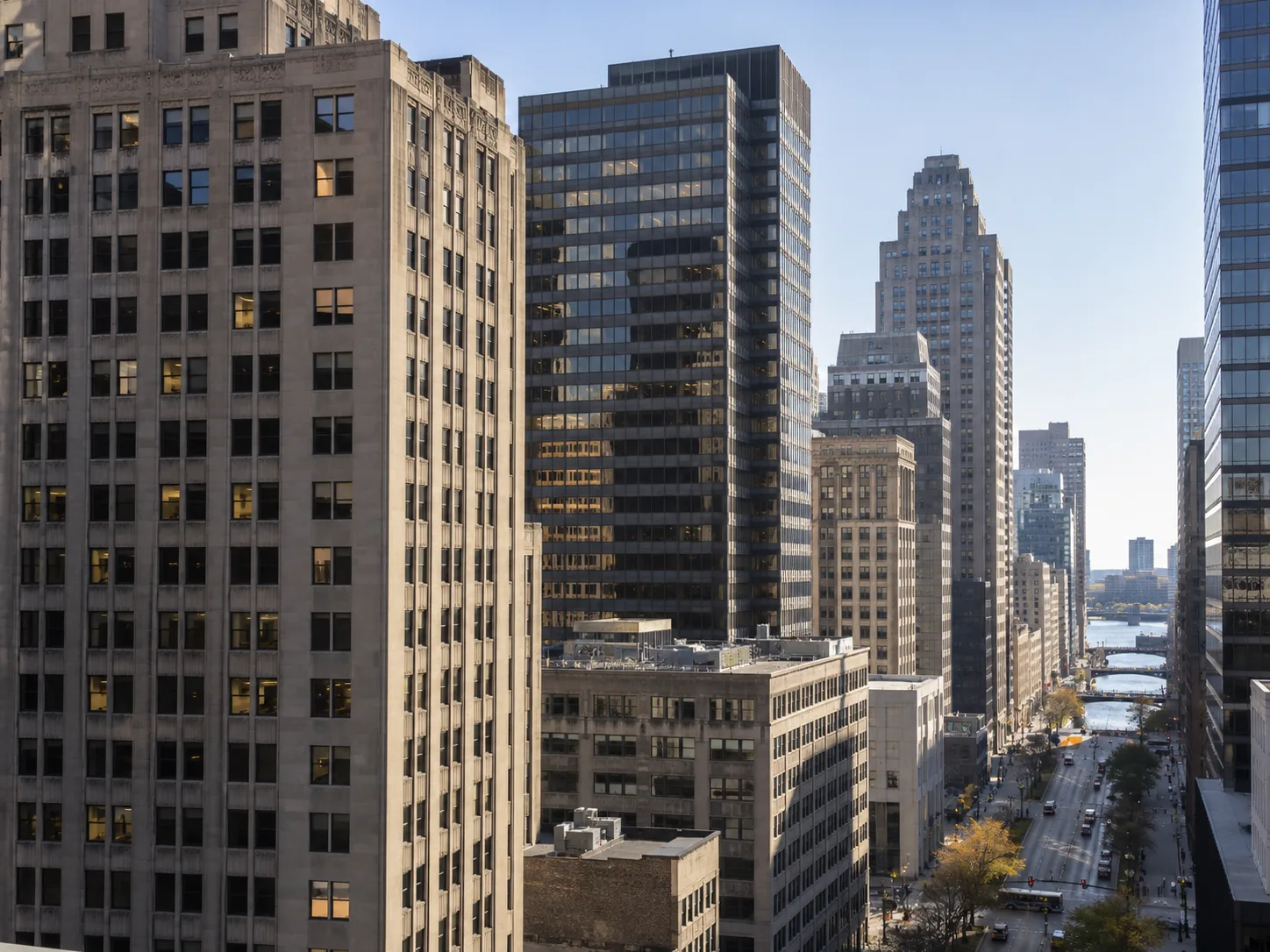
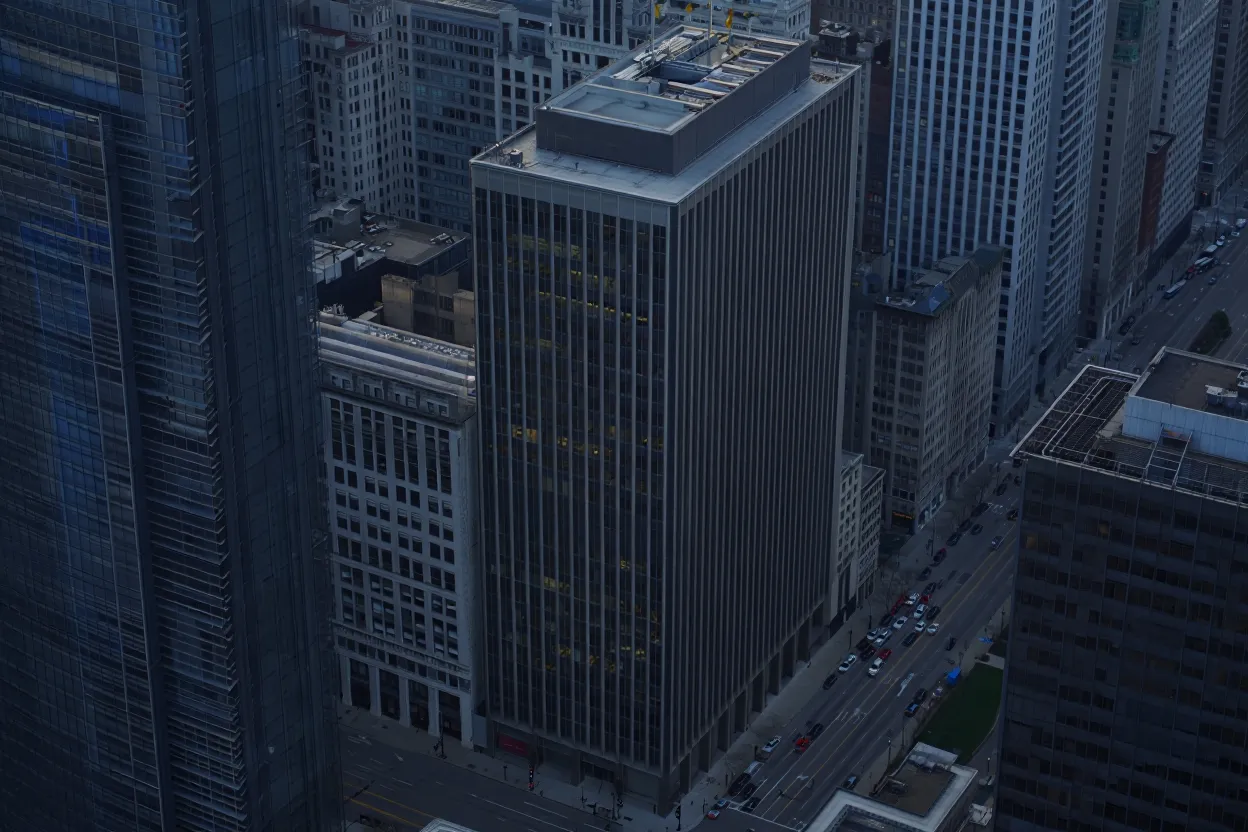
Chicago’s office sector continues feeling the aftershocks of the pandemic, and the latest loan default is another data point in a mounting tally of distress. As Bloomberg reports, Blackstone’s $343M loan backed by One South Wacker Drive, a 1.2M SF tower in the West Loop, fell into default after owner 601W Companies missed a maturity deadline on June 9. The building was acquired for $310M in 2018 and underwent renovations completed in 2020, only to see the pandemic and remote work gut demand citywide. Office occupancy and valuations have yet to recover, with many assets now worth a fraction of their pre-2020 pricing.
Get Smarter about what matters in CRE
Stay ahead of trends in commercial real estate with CRE Daily – the free newsletter delivering everything you need to start your day in just 5-minutes
The Details
Blackstone Mortgage Trust originated the $343M loan in 2018, part of which was securitized via CMBS. The mortgage came due June 9, prompting a principal payoff requirement that went unmet by 601W. The property—at 1 S Wacker Drive and just two blocks from Willis Tower—remains 73% leased. Despite a recent renovation, the office faces the same headwinds battering downtown Chicago: high vacancy, tepid leasing, and falling valuations. Blackstone stated that the loan represents less than 2% of its BXMT portfolio and has been on its watchlist since 2022 due to ongoing market pressures. Following news of the default, BXMT shares slipped 3.7% to $17.48.
Downtown Office Distress Spreads
Chicago’s downtown office market remains among the nation’s weakest. CBRE reports a 27% vacancy rate across the CBD in mid-2026. Remote work, pandemic-era crime concerns, and weak leasing demand continue to hurt values. Some assets highlight the decline. 601W bought 175 W Jackson for $41M in February, 87% below its pre-pandemic price. Kastle Systems ranks Chicago third among major US metros for office attendance. However, landlords still face rising defaults and little relief.
Why It Matters
The One South Wacker default deepens concerns about large-scale CRE distress. City centers that depend on office tenants remain vulnerable. The 1.2M SF property reflects more than one owner’s mistake. It signals a broader repricing driven by remote work and weaker demand. CBRE’s 27% vacancy rate suggests Chicago faces a long recovery. Other gateway markets show similar stress. Blackstone placed this loan on its watchlist in 2022, showing problems built over years. As more loans mature, landlords may face difficult decisions if refinancing fails or leasing stalls. Lenders and borrowers now confront distressed debt more directly. That shift points to more defaults and lower valuations. Investors and lenders with older office holdings will watch these trends closely. They may adjust risk assumptions and pricing models for future deals.
What’s Next
Chicago vacancy remains high, while office sales continue resetting values. Expect more defaults and distressed sales as 2026 maturities approach. Lenders, including REITs like BXMT, may sell troubled loans or pursue workouts. Several regional banks have already started marketing large pools of distressed loans, showing lenders want to reduce office exposure. New equity could support some properties. Meanwhile, investors willing to take risks will keep hunting discounted downtown assets. Similar opportunities are emerging in urban cores nationwide. One South Wacker likely will not be Chicago’s last major office default this year.