




- BREIT finalized its exit from self-storage in Q2, selling remaining assets for $852.3M.
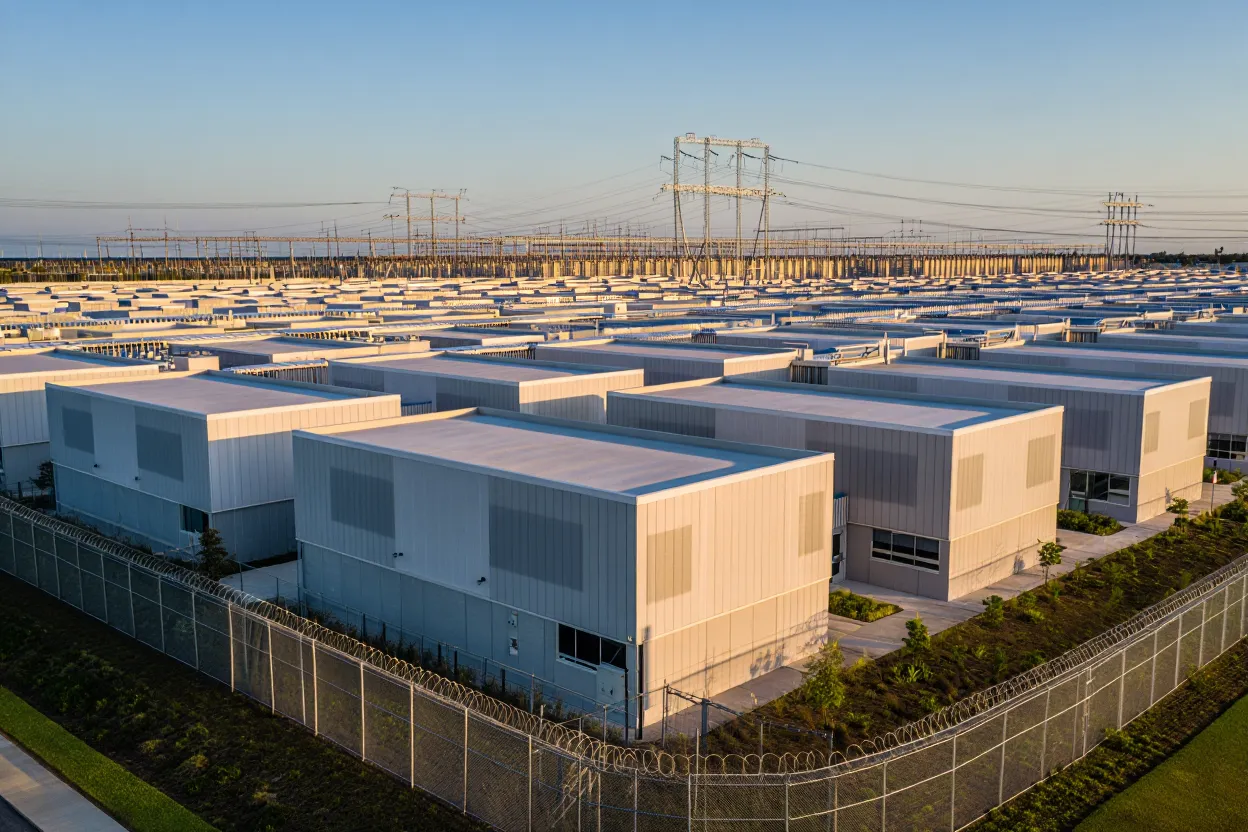
- The REIT redeployed $3.3B into data center development via its QTS platform, raising data centers to 27% of its portfolio.
- This move aligns with growing investor demand for digital infrastructure and signals a broader pivot among institutional capital.
Accelerating the Self-Storage Exit
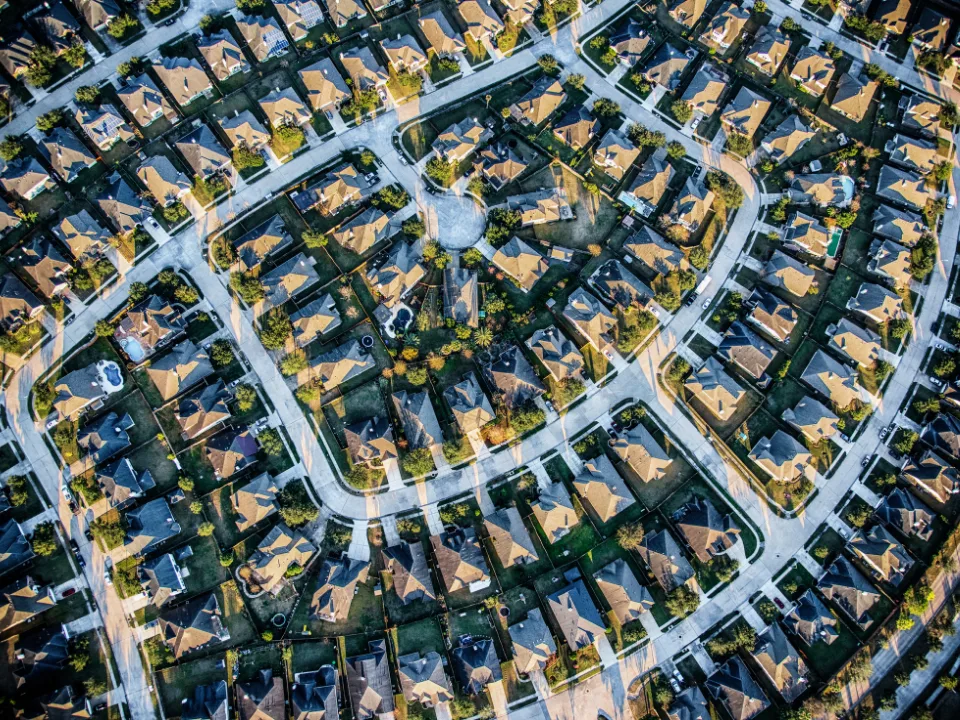
Blackstone Real Estate Income Trust (BREIT) capped a multi-year pullback from self-storage by offloading its last 79 self-storage facilities in Q2 2026, according to AltsWire’s report on BREIT’s quarterly disclosures. That sale, producing $852.3M in net proceeds, follows the $2.2B sale of Simply Self Storage to Public Storage in 2023, and closes out a chapter that began before the pandemic. Taken together, these moves free up capital and reshape the portfolio away from a maturing self-storage market where cap rates have compressed and growth has cooled since 2022.
Get Smarter about what matters in CRE
Stay ahead of trends in commercial real estate with CRE Daily – the free newsletter delivering everything you need to start your day in just 5-minutes
The Details
BREIT’s $2.1B in total property dispositions for Q2 also included 20 rental housing communities and 27 industrial assets, netting the REIT a realized gain of $294M. The $852.3M from self-storage assets represented the final tranche after BREIT’s large 2023 divestiture in the sector. Meanwhile, the lion’s share of the $3.3B redeployment flowed into data center development through its QTS platform. BREIT’s Q2 capital raise came in at $1.1B, while it repurchased $0.9B of shares and OP units—meeting all redemption requests for the first half of the year. The portfolio now comprises 4,530 properties, with the South and West regions accounting for a combined 63% of holdings by value.
Digital Demand Reshapes Allocations
BREIT’s escalating focus on data centers tracks a broader CRE shift toward digital infrastructure and long-term cash flows. That strategy already gained momentum in 2025, when surging data center demand helped lift Blackstone’s real estate fund performance. Data centers grew from 23% of BREIT’s portfolio in Q1 to 27% in Q2. The fund deployed $2.4B in Q1 and $5.8B throughout 2025, per AltsWire. Fully preleased QTS developments, with leasebacks to credit tenants, illustrate a strategy to capture stable yields as traditional asset classes like offices remain under pressure.
Why It Matters
Blackstone is essentially declaring data centers its preferred alternative bet, shedding self-storage just as that sector’s growth gears down. According to CBRE, global data center investment reached $50B in 2025, and demand for digital infrastructure is outpacing supply in most US gateway markets. The rapid capital shift reflects Blackstone leadership’s view—echoed on its July earnings call—that data centers are powering fund-level performance. For investors, BREIT’s tightening focus has helped sentiment recover: AltsWire noted the fund posted its best net flows in nearly four years this summer, with every redemption request satisfied in Q2. The consistency of the fund’s Class I share net asset value at $14.53 and 4.6% distribution rate further underpins confidence.
For CRE operators, BREIT’s strategic deployment signals that data center expansion is not just a tech story but an institutional capital migration, with portfolio managers now treating digital infrastructure as a core holding. As the self-storage sector normalizes and rental housing moderates, the move provides a template for capital rotation amid persistent market volatility.
What’s Next
BREIT’s portfolio composition now has data centers as its clear growth engine, and the fund’s QTS development pipeline is set to continue expanding, with future capital likely targeting preleased, institutional-grade digital infrastructure. Investor allocation into the sector is expected to intensify as AI and cloud adoption drive new leasing volumes. Watch for BREIT and peers to double down on data center JV and development deals, even as performance in legacy CRE asset classes remains mixed through 2026.