



- Texas industrial supply exceeded demand in Q1 2026, with deliveries topping 16.1M SF—outpacing net absorption by 6.6M SF, per CBRE.
- Vacancy rose to 9.5% but remains historically low despite 70% of new Q1 space still unleased, supported by steady tenant demand.
- Rental rates softened—down 6.8% on average—yet larger deals bucked the trend, while construction starts slowed notably across major Texas markets.
New Supply Outpaces Absorption
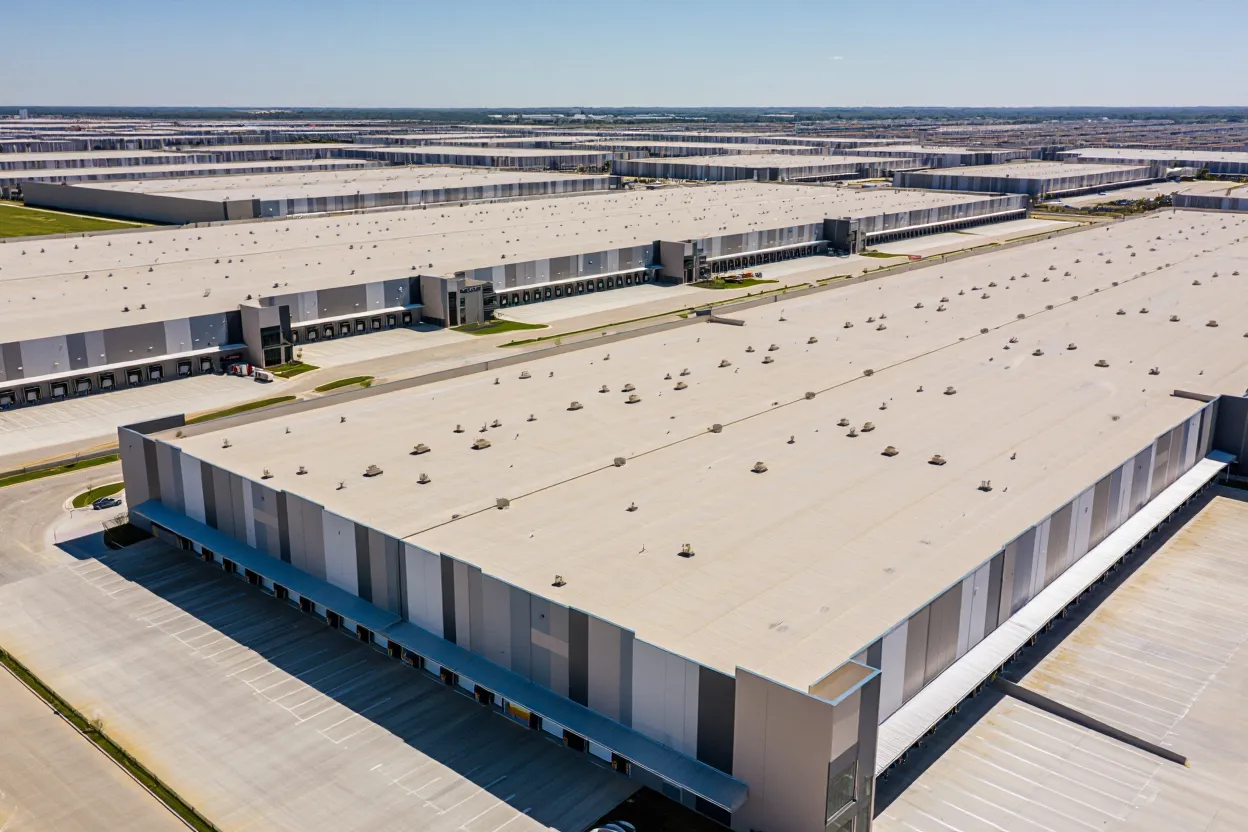
Globe St reports that Texas’ industrial sector is feeling the effects of a supply glut as construction that ramped up in 2021 is finally coming online. According to CBRE’s Q1 2026 report, 16.1M SF of new space delivered statewide, far exceeding net absorption of 9.5M SF. Houston, Austin, and Dallas/Fort Worth all saw supply surpass demand. Leasing and renewal activity was characterized as sluggish, yet leasing volume nearly doubled year-over-year, painting a complex demand picture that tempers oversupply fears with evidence of continued tenant interest.
Get Smarter About What Matters in Texas
Subscribe to our free newsletter covering the biggest commercial real estate stories across Texas — delivered in just 5 minutes.
The Details
Vacancy climbed 80 basis points year-over-year, reaching 9.5% at the end of Q1. While 70% of the new Q1 deliveries remain vacant, CBRE notes that most of the softness is concentrated in brand-new buildings rather than emptying of stabilized assets. Existing properties are still enjoying robust leasing fundamentals. Average rental rates dipped notably, especially among year-1 deals, which fell 6.8%. However, leases on spaces greater than 800,000 SF were up 15.1% in the same category, revealing persistent demand for big-box product even as the general market cools.
Deliveries Outpace Demand Across Major Markets
Dallas/Fort Worth, Houston, and Austin were all impacted by the wave of new industrial space. Dallas/Fort Worth had the sharpest pullback in construction activity, with a quarter-over-quarter decline of 6.1M SF in project starts. Across Texas, new construction starts fell from 17.2M SF at year-end 2025 to 12.6M SF entering Q2. Only Austin and El Paso saw modest increases in product underway. This marks a turning point, indicating developers are starting to rein in starts in response to higher vacancy and softer rents.
Why It Matters
Texas has been one of the most dynamic US industrial markets over the past five years, drawing developers with robust migration, a booming retail and logistics base, and strong population growth. The current disconnect between soaring deliveries and comparatively weak demand signals the tail end of a construction cycle that began when interest rates were lower and e-commerce was surging. Per CBRE’s Q1 2026 report, vacancy remains well below the 10-year market average, implying tenant demand is still healthy by historical standards. A similar moderation in new apartment supply has started supporting pricing and occupancy in several major markets. Yet, the 6.8% drop in average year-1 rental rates suggests tenants now have new leverage at the negotiating table—especially on smaller blocks.
Larger space users, particularly those executing 800,000+ SF leases, continue to drive rent growth in their segment. This bifurcation highlights how national logistics and manufacturing tenants remain committed to Texas, even as smaller-scale occupiers reassess expansion. For owners and investors, the recent slowdown in construction starts could prevent a more pronounced oversupply situation, stabilizing fundamentals and relieving downward pressure on rents as the year progresses.
What’s Next
Expect the Texas industrial market to remain a barometer for national industrial trends, as developers, lenders, and tenants recalibrate strategies amid shifting supply dynamics. Construction starts are likely to moderate further as developers face tougher underwriting, higher capital costs, and more conservative lender terms. The big unknown for the remainder of 2026 will be how quickly new supply is absorbed and whether demand from national and regional tenants keeps pace as broader economic uncertainty lingers. Stakeholders should watch Austin and El Paso for emerging construction activity, while Dallas/Fort Worth’s pronounced slowdown may serve as an early signal of tightening ahead.