




- More than 50 private colleges have closed since 2020, with analysts projecting 400 or more additional closures over the decade as enrollment and tuition revenue continue to fall.
- Campus real estate has become the primary — often only — recovery asset for municipal bondholders, with sale prices varying widely based on location, condition, and conversion potential.
- Adaptive reuse of college campuses faces structural barriers including deferred maintenance, institutional zoning, and limited buyer pools, making bondholder recovery rates highly unpredictable.
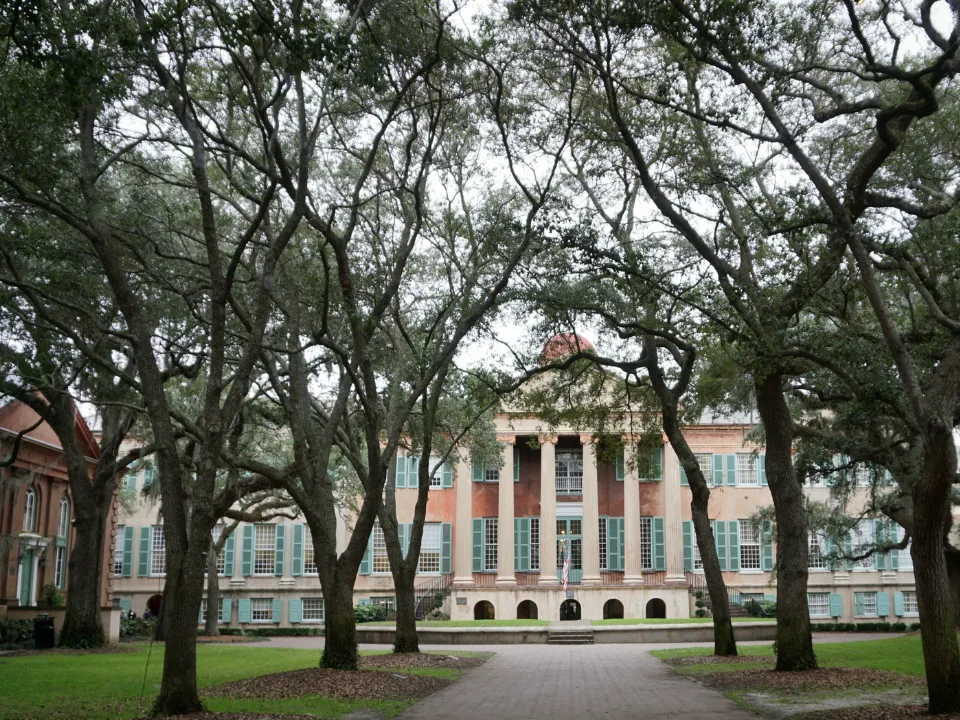
More than 50 US colleges have closed or merged since 2020, and the pace is accelerating, according to Bloomberg. For the schools and their investors, selling the physical campus has become the primary — and often final — mechanism for recovering the debt used to finance them. More than 400 private colleges are expected to close or merge over the coming decade, representing more than a quarter of all existing private colleges in the country, per Huron, a consulting firm advising higher education institutions.
Get Smarter about what matters in CRE
Stay ahead of trends in commercial real estate with CRE Daily – the free newsletter delivering everything you need to start your day in just 5-minutes
Municipal Bonds as the Backstop
Higher education bond investors are increasingly treating campus real estate as a credit backstop. Schools financed by municipal bonds often have the physical campus as the primary asset available to satisfy outstanding debt — and what that campus is worth depends heavily on location, condition, and what a buyer will pay. “Higher education bets are becoming more of a real estate play,” said Jennifer Johnston, who leads municipal research at Franklin Templeton. David Carlos, a JLL broker who has worked on real estate deals with more than two dozen colleges and sold more than $600 million of campus assets, speaks with distressed schools weekly.
The Details
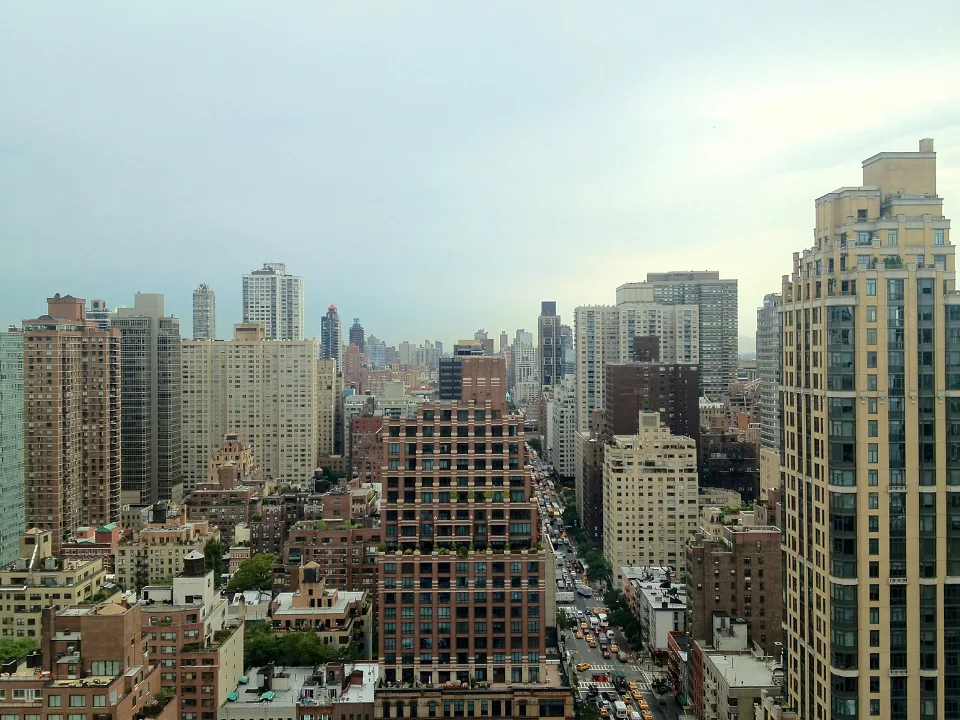
Sale outcomes vary dramatically. Keen-Summit Capital Partners sold Birmingham-Southern College’s 192-acre Alabama campus — which shuttered in 2024 — to the US Coast Guard for $126.5 million, converting the property into a training center. The same firm sold Notre Dame College’s Ohio campus for $8 million to Akron Children’s Hospital, leaving Bank of America poised for losses on bonds it purchased nearly two decades ago: court documents show it is owed $17.8 million. Cazenovia College’s upstate New York campus sold at a 60% discount earlier this year, giving municipal bondholders just 50% recovery. On the other end, Northeastern University absorbed Marymount Manhattan College, adding $215 million of Upper East Side real estate to its portfolio.
Why Conversion Is Hard
Even well-located campuses face conversion headwinds. Developer Graham Crain’s attempt to buy Eastern Nazarene College — his shuttered alma mater outside Boston — fell through after city officials rejected his housing redevelopment plans. Anne Rahm, Midwest head for CBRE’s public institutions and education group, said opposition from city councils and residents “can be problematic for a sale.” The physical condition of campuses compounds the challenge: deferred maintenance has reached its highest level on record, per construction data company Gordian, with most facilities dating to the 1970s or earlier. Highly customized spaces — like the chapels that appear on nearly every campus — are rarely usable by new owners.
Why It Matters
For CRE investors, the distressed college campus pipeline represents a growing and novel acquisition category — but one with significant underwriting complexity. Location drives value more starkly here than in most CRE segments. Campuses in dense urban markets get absorbed quickly (Villanova University snapped up both Cabrini University and Rosemont College to expand its Philadelphia footprint). Remote campuses can sit on the market for a year or longer with no clear path forward — like Northland College’s 72-acre property along Lake Superior in Ashland, Wisconsin, a city of under 8,000. Gabriel Diederich, a managing director at Baird Asset Management, said aged campuses in unattractive locations push him to pass on bond sales entirely.
What’s Next
With more closures expected and the campus sale pipeline deepening, the key variables for investors will be whether local municipalities allow adaptive reuse, whether buyers can absorb deferred maintenance costs, and whether the asset class develops enough transaction history for systematic underwriting. Trinity Christian College’s outcome in Palos Heights, Illinois — sold to Chicago Christian Schools in a deal that fully paid off municipal bondholders and preserved educational use — is the exception. The more common scenario, per about a dozen schools currently in limbo, is a prolonged, uncertain process with no guaranteed path to recovery.