




Midwest Cities Are Winning Back Residents After Decades of Decline
Young professionals, returning residents, and remote workers are helping reshape the Midwest narrative as affordability, lifestyle, and new economic opportunities draw people back to cities long defined by population decline.

Nina Dale
May 27, 2026
In partnership with

Good morning. After decades of losing residents to the Sunbelt, parts of the Midwest are beginning to see a reversal. Lower housing costs, tech investment, and a wave of “boomerang” residents are helping reshape the Rust Belt narrative.
🎙️This Week on No Cap: Värde Partners' Tim Mooney and Jim Dunbar break down how the firm manages $17B across the capital stack, and why staying senior is the only way to play this slow-trickle distress cycle. (This season is sponsored by Henry)

CRE Trivia 🧠
Which company’s origin story began with founders renting out air mattresses in their apartment before becoming one of the biggest disruptors in real estate and hospitality?
TOGETHER WITH BRACKET REAL ESTATE
The wait is over

The wait is finally over.
Brokers have been asking for an AI platform that actually understands how investment sales works.
Not a generic CRM. Not a duct-taped workflow. Not another tool that requires a software engineer to set up.
bracketONE is the complete AI ecosystem — built end-to-end around the investment sales process:
-
Pipeline management designed around how brokers actually work
-
AI-generated Bracket Opinion of Value in seconds
-
Automated marketing and buyer engagement
-
Offer management and PSA execution
-
Title ordering and EMD collection
-
Critical date tracking through closing
Every stage of the deal. One platform. Zero cost to brokers.
bracketONE is free. The wait is over.
*This is a paid advertisement. Please see the full disclosure at the bottom of the newsletter.
Market Snapshot
|
|
||||
|
|
*Data as of 5/26/2026 market close.
Quiet Comeback
Midwest Cities Are Winning Back Residents After Decades of Decline
After decades of watching residents head south, parts of the Midwest are finally seeing people move back—drawn by affordability, jobs, and a slower pace of life.
By the numbers: Census estimates show the Midwest gained roughly 16,000 people from other U.S. regions in the year ending June 2025, reversing years of steep domestic migration losses that topped 175,000 in 2022. Markets including Akron, Cleveland, Dayton, and Racine are beginning to stabilize as fewer residents leave and more “boomerang” movers return home.

Reviving the Rust Belt: Akron’s former B.F. Goodrich tire factory—once a symbol of Rust Belt decline—is now the Bounce Innovation Hub, home to more than 60 startups focused on AI, manufacturing tech, and indoor farming. The redevelopment reflects a broader shift in the Midwest as former industrial spaces evolve into innovation hubs fueled by local engineering talent and manufacturing roots.
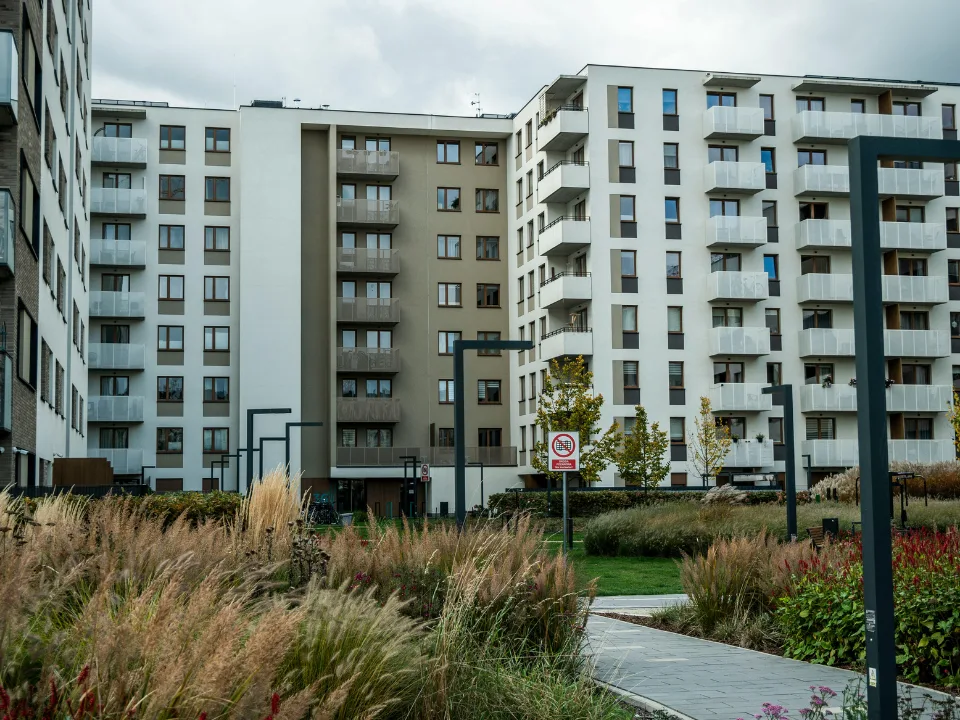
Affordability advantage: Affordable housing is becoming one of the Midwest’s biggest draws, with home prices in Akron and Cleveland far below those in markets like Portland, Miami, and Dallas. New residents cite walkable neighborhoods, family-friendly communities, and financial flexibility as key reasons for relocating, with some saying that homeownership suddenly feels attainable rather than overwhelming.
Keeping young talent: Midwest leaders are investing in downtown redevelopment and lifestyle amenities to retain young talent, helping graduate retention at Cleveland-area universities rise to 52% for the class of 2024 from 47% three years earlier. The effort comes as many Midwest metros face aging populations and slower population growth.
Slower pace, lower costs: Communities between Cleveland and Akron are benefiting from remote work trends, with buyers from Texas, Florida, and other Sunbelt states relocating for lower costs, milder summers, and a slower pace of life. Many newcomers are also drawn to the region’s stronger sense of community, easier commutes, and family-friendly neighborhoods.
➥ THE TAKEAWAY
The new Midwest: The Midwest’s rebound isn’t being driven by explosive growth—it’s being built on stability, affordability, and reinvention. As Sunbelt markets become pricier and remote work reshapes migration patterns, secondary Midwest metros may quietly emerge as some of the country’s most competitive live-work markets over the next decade.
A MESSAGE FROM KOLENA
Underwrite Deals 50–70% Faster. AI Agents Built for CRE.

Real estate teams have three options for processing OMs, rent rolls, T12s, leases, and loan packages: pay outside counsel $500–$1,500/hr, offshore it to a BPO and wait days, or burn analyst hours line by line.
Kolena's AI agents abstract leases, underwrite deals against your IC criteria, and reconcile rent rolls in minutes — with citations pinpointed back to the source clause. Start a 2-week trial, scoped to your exact workflows.
*This is a paid advertisement. Please see the full disclosure at the bottom of the newsletter.

✍️ Editor’s Picks
-
Join thousands of real estate investors who trust Cost Segregation Guys: Our expert team delivers IRS-defensible cost segregation studies designed to maximize depreciation deductions and unlock substantial tax savings. Get 25% off your next study today! (sponsored)
-
Policy constellation: Trepp says shifting Fed benchmarks could keep CRE financing costs higher for longer despite strong economic growth.
-
Alternative boom: Kayne Anderson raised a record $5.1B fund to invest in senior housing, medical office, student housing, and last-mile industrial assets.
-
The hardest time to sell, the best time to buy: "I have not seen a setup for buying institutional-quality multifamily this attractive since the Great Financial Crisis," says Ivan Barratt of BAM Capital. (sponsored)
-
Platform play: Centerbridge Partners is in talks to acquire a minority stake in Merritt Properties at a roughly $3B valuation, signaling continued investor demand for scaled industrial platforms.
-
Oil shock: A prolonged Strait of Hormuz shutdown could trigger a recession-like slowdown and intensify pressure on CRE financing, construction costs, and tenant demand.
🏘️ MULTIFAMILY
-
Rent reset: U.S. multifamily rent growth remained soft in April but showed signs of stabilization as supply pressures eased and more metros posted annual rent gains.
-
Downtown reboot: Developer Asher Luzzatto is betting Denver’s struggling downtown can be revived by converting deeply discounted office towers into more than 1,100 apartments and mixed-use community spaces.
-
Rental squeeze: Zillow ranked Providence, New York, and San Francisco among the nation’s hottest rental markets as limited supply and low vacancy keep competition elevated.
-
Paradise priced: Miami’s influx of billionaires and corporate relocations is intensifying the region’s affordable housing shortage as rising rents push residents out of the market.
🏭 Industrial
-
Port resilience: Seattle-Tacoma’s industrial market remains supported by strong port connectivity and logistics demand despite ongoing trade and tariff uncertainty.
-
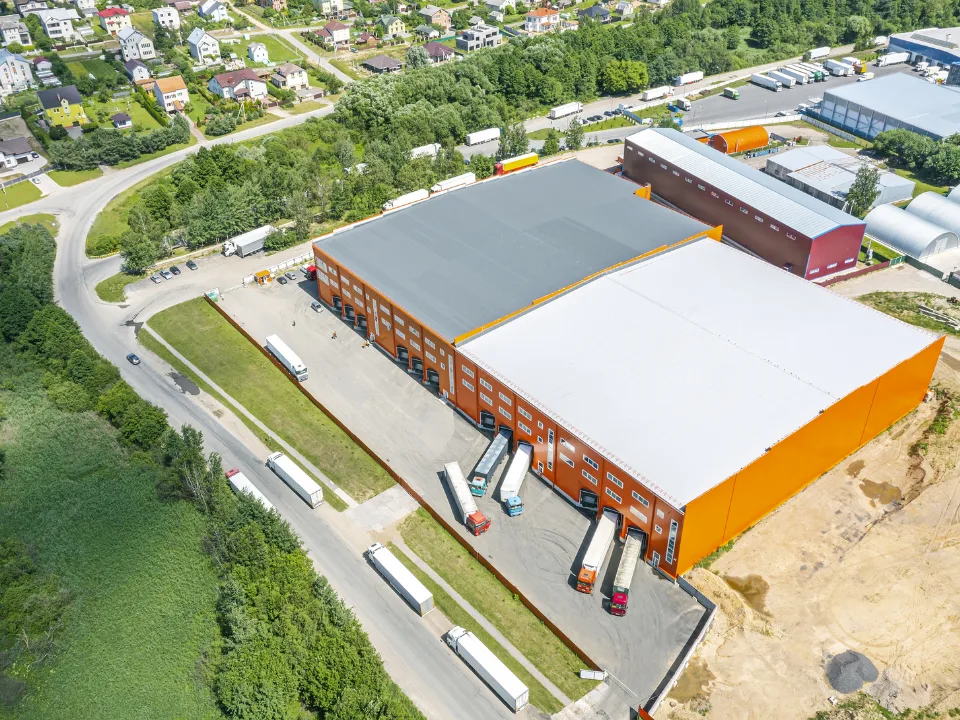
Warehouse wager: Premier Logistics Properties and Penwood acquired a 1.5M SF Inland Empire industrial portfolio fully leased to Amazon.
-
Chip buildout: Advanced Process Solutions is building a $40M semiconductor supply plant in Van Alstyne, expanding North Texas’s growing chip manufacturing ecosystem.
🏬 RETAIL
-
Retail repricing: Slate Grocery REIT is evaluating strategic alternatives, including a potential sale, after receiving an unsolicited takeover bid from affiliates of its external manager.
-
Branch repricing: Net lease bank branch cap rates are diverging as investors increasingly price deals based on tenant strength, lease term, and location rather than treating banks as a uniform asset class.
-
Publix deal: Publix bought a Boynton Beach retail center for $78M, continuing its strategy of acquiring grocery-anchored properties it already anchors in strong South Florida markets.
🏢 OFFICE
-
Office squeeze: San Francisco’s office market shows weak investment and sluggish sales alongside high vacancy, while pricing remains among the highest in the U.S. despite uneven fundamentals.
-
Startup surge: Startups are fueling coworking growth across major U.S. metros, making flexible workspace a core part of how small companies scale.
-
Office default: Bank OZK took control of a distressed Santa Monica creative office project after a loan default amid weak leasing and high vacancy in the submarket.
-
Tidal sale: The federal government sold a historic D.C. property near the Tidal Basin for $17M, part of ongoing efforts to offload underused buildings in Southwest Washington amid plans for future redevelopment.
-
Medical map: Medical office demand remains steady, but performance is increasingly concentrated in a small group of U.S. metros with stronger rent growth, absorption, and construction activity.
🏨 HOSPITALITY
-
All inclusive: Hyatt is expanding its all-inclusive resorts in the Caribbean and Latin America through acquisitions and new developments targeting younger travelers.
-
Hotel loan: Peachtree Group provided a $32.36M construction loan for a 154-key AC Hotel in Huntsville, Alabama, backed by strong local growth from defense, aerospace, and federal demand drivers.
-
Atlanta acquisition: Portman Holdings acquired the Westin Peachtree Plaza in Atlanta, expanding its growing hospitality portfolio and planning renovations ahead of major future events.
📈 CHART OF THE DAY

CRE Trivia (Answer)🧠
Airbnb. The company’s rise later fueled major debates around zoning laws, hotel demand, and housing affordability in cities across the globe.
More from CRE Daily
-
📬 Newsletters: Stay ahead of the market with local insights from CRE Daily Texas and CRE Daily New York.
-
🎙️Podcast: No Cap by CRE Daily delivers an unfiltered look at the biggest trends—and the money game behind them.
-
🗓️ CRE Events Calendar: The largest searchable calendar of commercial real estate events—filter by city or sector.
-
📊 Market Reports: A centralized hub for brokerage research and market intelligence, all in one place.
-
📈 Fear & Greed Index: A fully interactive sentiment tracker on the pulse of CRE built in partnership with John Burns Research & Consulting.

You currently have 0 referrals, only 1 away from receiving Multifamily Stress Test Model.
What did you think of today's newsletter? |