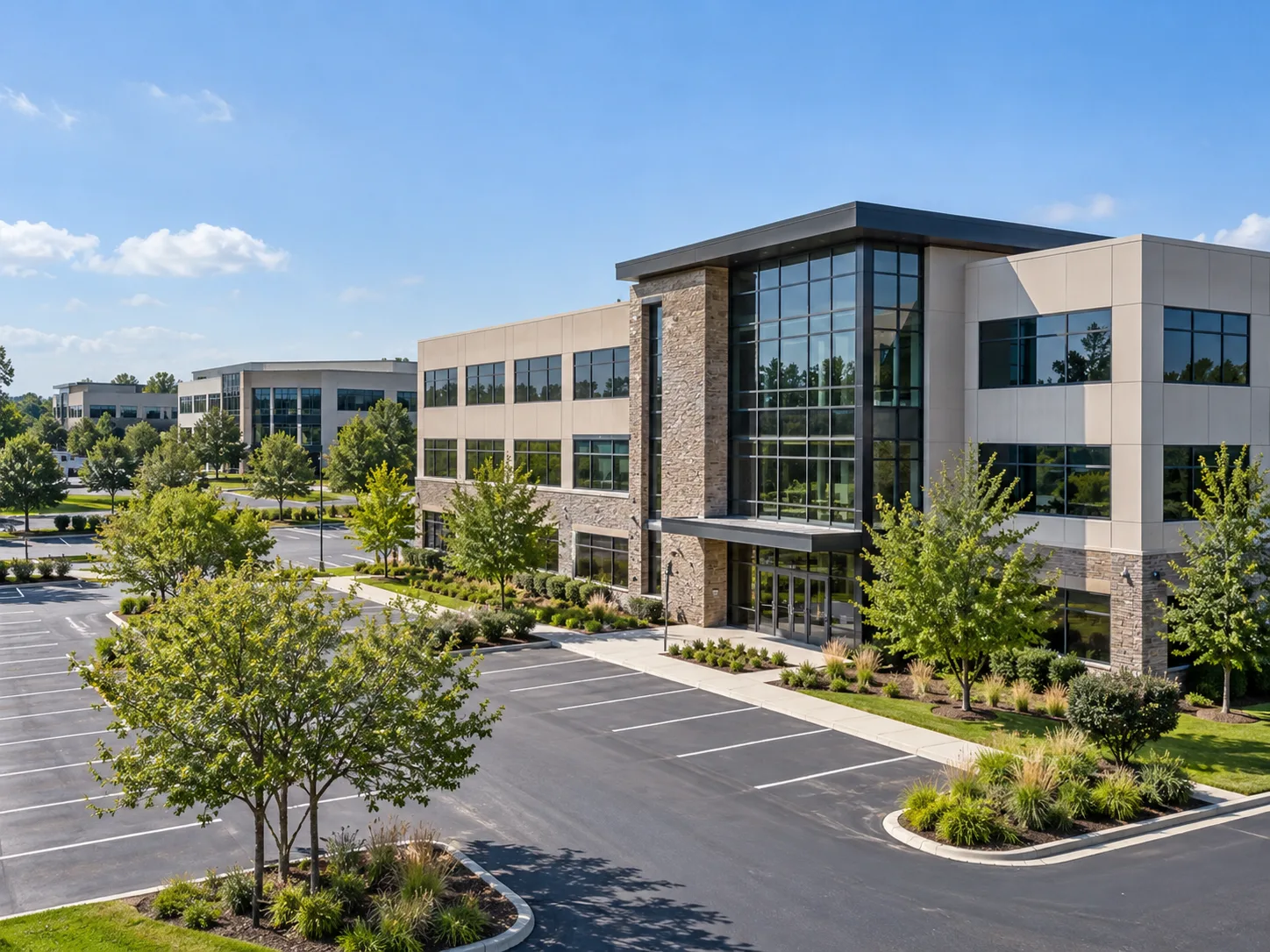




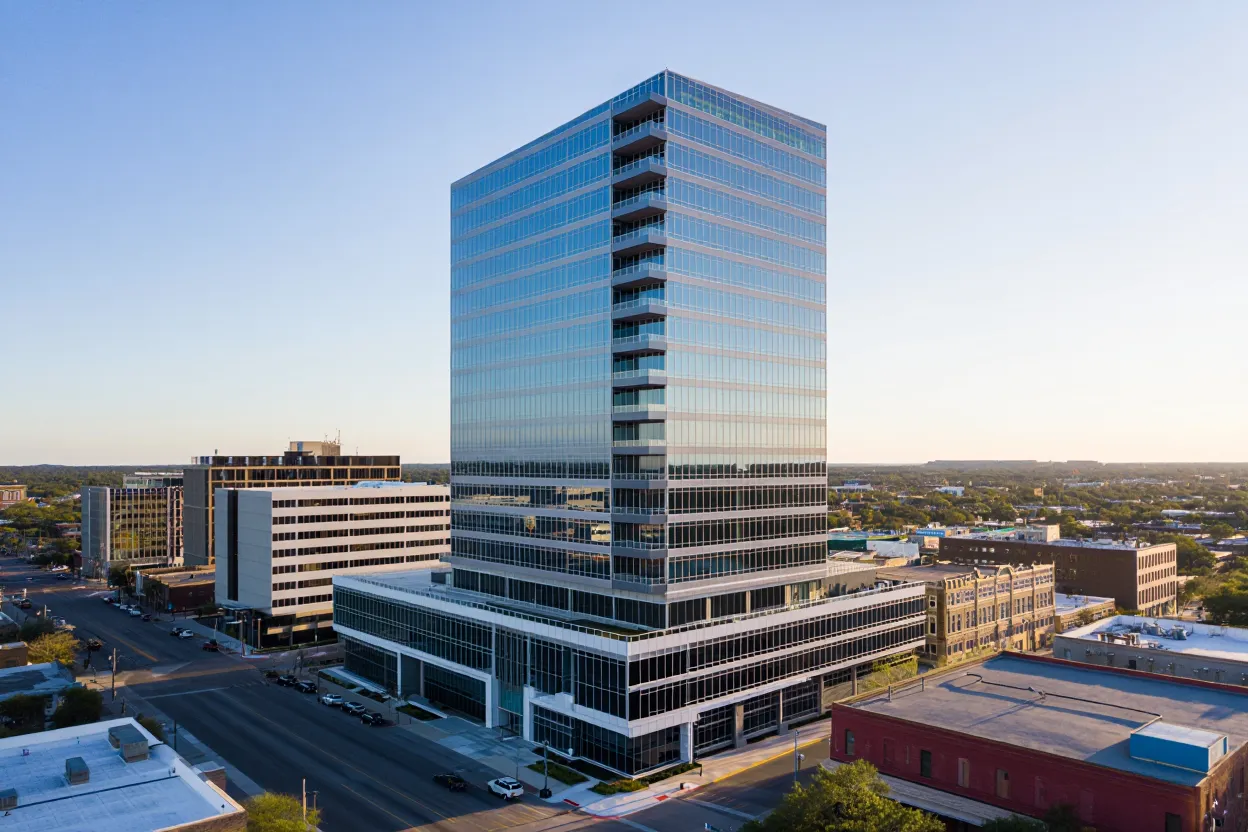
- Hines acquired the 206K SF, fully leased office tower at 405 Colorado St. in Austin from Brandywine for $151M.
- The sale underscores a broader investor focus on top-performing office properties amid an office sector shakeout.
- This move suggests institutional capital is concentrating on operationally strong, trophy assets that can weather broader market uncertainty.
Flight to Quality Shapes Investor Strategy
After several years of uncertainty and stalled capital flows in the US office sector, leading institutional investors are dialing in on prime assets. According to Bisnow, Hines’ acquisition of 405 Colorado St. comes as global capital is increasingly chasing ‘flight-to-quality’ properties—assets able to command strong lease-up and rent growth compared to weaker office inventory. Since the pandemic, many tenants have consolidated into fewer, better-located buildings with top amenities, and investors are following that same logic. The strategic shift leans into persistent hybrid work trends but anticipates a recovery concentrating value in only a fraction of the office stock.
Get Smarter About What Matters in Texas
Subscribe to our free newsletter covering the biggest commercial real estate stories across Texas — delivered in just 5 minutes.
The Details
Hines paid $151M for the 206,000 SF office property, which also features a 520-space parking garage in Downtown Austin. The building is fully leased to major tenants including JPMorgan Chase, Bain & Co., and AllianceBernstein, per filings from Brandywine Realty Trust with the US Securities and Exchange Commission. The purchase was executed through Hines Global Income Trust, a nontraded public REIT. The Austin acquisition came alongside Hines’ announcement that it purchased Wicker Park Commons, a retail center in Chicago, continuing its strategy of targeting assets with durable income and attractive pricing. Brandywine, the seller, is pursuing sales of up to $300M in real estate this year, focusing on its most valuable office holdings. The strategy reflects stronger leasing momentum across parts of its portfolio, allowing the REIT to recycle capital from stabilized assets.
Austin’s Top-Tier Office Resilience
While US office demand has broadly suffered, Austin’s Class A sector has remained a rare stronghold. Data from JLL shows that Austin’s trophy office buildings report occupancy rates well above the city average, outpacing many gateway markets. This transaction follows a pattern of institutional buyers seeking out fully leased, high-credit buildings—even as pricing on lesser offices continues to fall. For sellers like Brandywine, lightened portfolios and capital raised from marquee assets offer runway to manage debt or reposition for future cycles. Hines has also expressed interest in European opportunities, as the same ‘flight to quality’ narrative unfolds globally.
Why It Matters
The Hines-Brandywine deal is a barometer for where institutional capital sees real value as the broader office sector remains unsettled. Hines’ $151M outlay targets a rare breed: 100% leased, blue-chip tenancy, and urban core location. In its statement, Hines global co-head Alfonso Munk emphasized the firm’s belief in “income durability and attractive pricing,” signaling confidence that the worst may be past for premium offices—if not the broader market. This approach follows recent market intelligence from CBRE and Green Street Advisors that suggests most rent growth, capital inflows, and leasing velocity will cluster in a minority of ‘best-in-class’ properties over the next cycle. As the pandemic-era reckoning with excess space continues, owners of less desirable offices face continued distress and pricing correction.
Brandywine’s decision to divest these top-performing assets, which CEO Jerry Sweeney previously flagged as part of a $300M sales pipeline, highlights how even strong REITs are making strategic sales to shore up balance sheets. It’s a bet, both by sellers and buyers, that selectivity—not sector-wide recovery—will define the next phase of the office market.
What’s Next
Hines’ conviction may signal more selective acquisitions ahead, with institutional dollars piling into fully leased trophy assets in Sun Belt markets and beyond. Brandywine and peer office landlords are likely to continue disposing of star properties to fund debt repayment or expansion elsewhere. Meanwhile, Hines is expanding development in the US, including a Miami mixed-use project and further European pursuits as hybrid work reshapes tenant preferences globally. Watch for continued bifurcation, with top urban cores setting a new price floor, while challenged office stock faces further revaluations and potential adaptive reuse pipelines.