


CRE's Performance Gap Widens as Sector Fundamentals Take Center Stage
Investors are rewarding fundamentals, not broad market trends, as commercial real estate continues to diverge.

Nina Dale
July 30, 2026
In partnership with

Good morning. The days of judging CRE as a single asset class may be over. New pricing data shows a widening performance gap as each property sector charts its own course. The Fed also held rates steady yesterday, signaling that inflation remains too uncertain to begin cutting borrowing costs.
🎙️ This Week on No Cap: Jim Corl of Cohen & Steers joins Jack and Alex to explain why public REITs often signal where private real estate is headed. (Thanks to our sponsor, Lennar Investor Marketplace)

CRE Trivia 🧠
What iconic landmarks combined public infrastructure with civic branding centuries before skyscrapers did?
IN PARTNERSHIP WITH AIRGARAGE
New Research: What trends are shaping parking performance across the country?
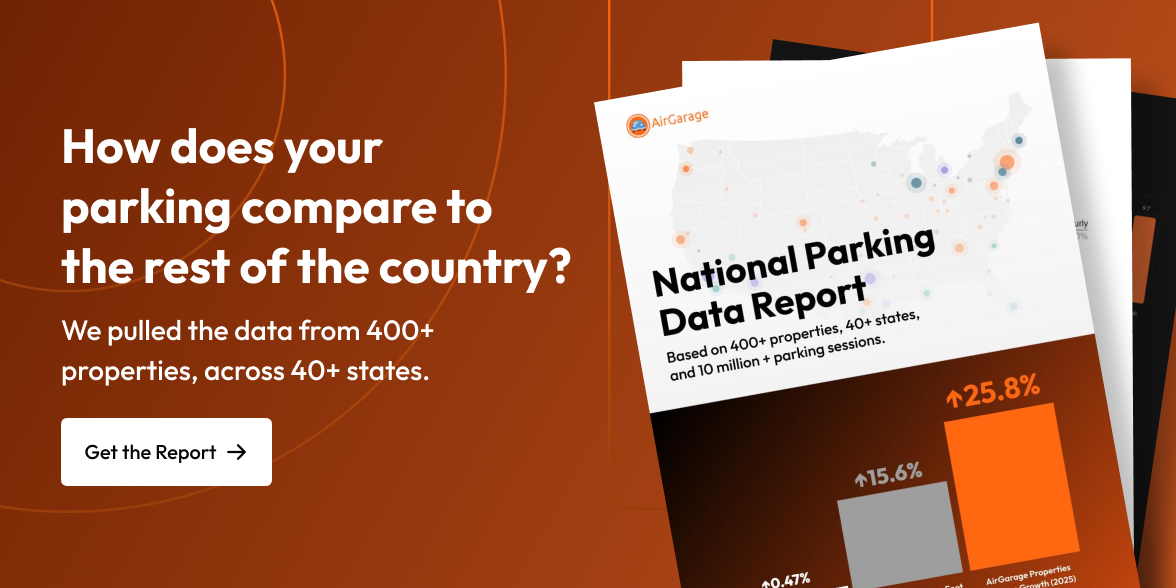
AirGarage has spent years tracking data across hundreds of properties to understand what actually drives parking revenue. The National Parking Data Report is a window into what that data reveals.
Nationally, hourly parking accounts for 43% of revenue and flat rate accounts for another 22.1%. The full report covers much more, including pricing trends by market type, seasonality patterns, pricing trends, and the fastest growing cities for parking demand. Local market reports also available for major U.S. cities.
*This is a paid advertisement. Please see the full disclosure at the bottom of the newsletter.
Market Snapshot
|
|
||||
|
|
*Data as of 07/29/2026 market close.
Performance Gap
CRE's Performance Gap Widens as Sector Fundamentals Take Center Stage
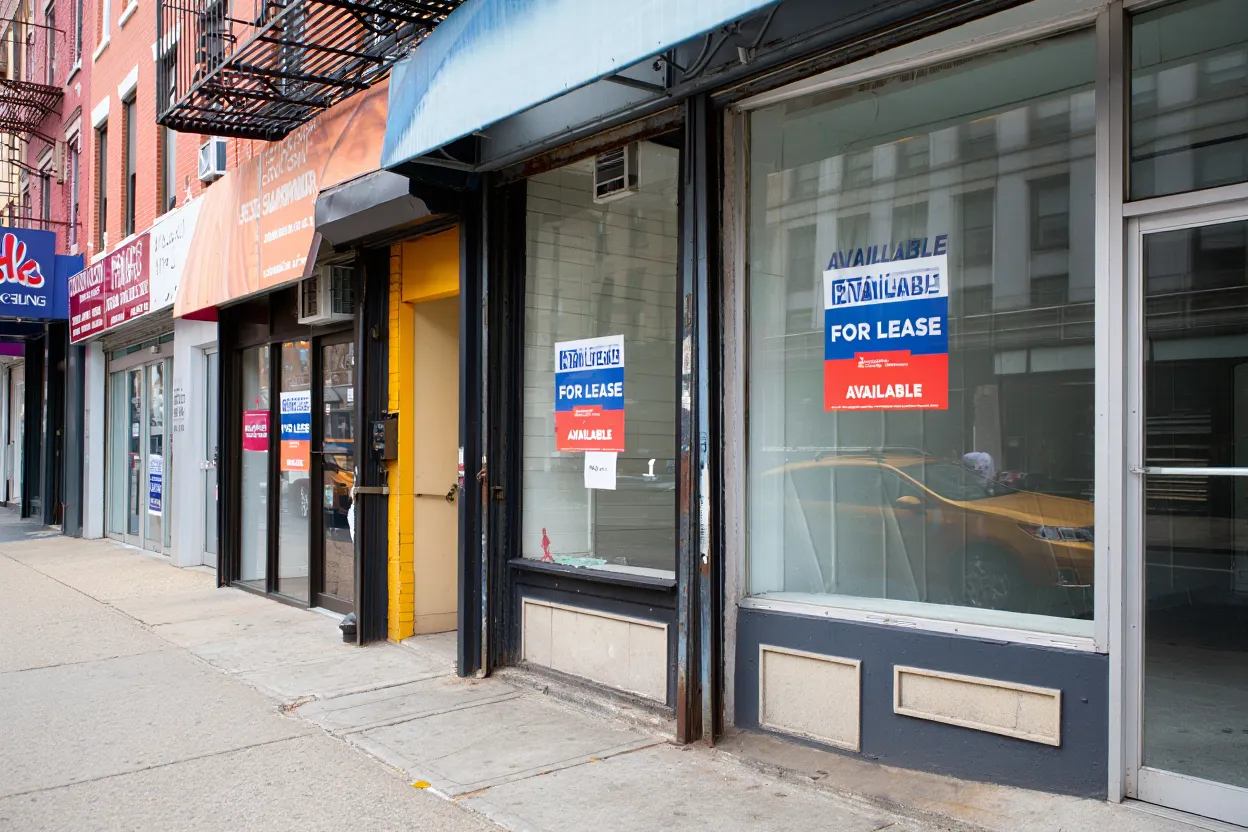
Commercial real estate is no longer moving as a single asset class, with pricing increasingly driven by each sector's individual fundamentals instead of broader market trends.
By the numbers: MSCI reported U.S. CRE transaction volume reached $136.6B in June, up 14% YoY, while overall property prices edged up about 0.9%. Portfolio sales surged 38%, far outpacing the 4% increase in single-asset transactions, signaling buyers continue returning to the market.
Winners and losers: Suburban offices emerged as June's top performer, with prices rising 3% year over year. Urban office values also increased 1.2%, while other sectors struggled:
-
Hotels: -9.3%
-
Apartments: -1.7%
-
Industrial: -0.4% (its first annual price decline this cycle)
-
Retail: Essentially flat
Capital flows: Multifamily remained the most active sector with $36.7B in sales, followed by industrial at $32.5B. Industrial deal volume climbed 27%, while apartment transaction volume was largely unchanged. Together, the two sectors accounted for roughly half of all June investment activity.
Data center momentum: Investment totaled $7.7B across just 23 deals, but transaction volume soared 1,806% from a year earlier, underscoring continued investor appetite for digital infrastructure.
Market outlook: While deal activity remains stronger than last year, MSCI Chief Economist Jim Costello cautioned that second-half transaction momentum could soften. Capital raising patterns suggest the market isn't weakening dramatically, but activity may not match the strength seen late in 2025.
➥ THE TAKEAWAY
A changing leaderboard: Office isn't leading everywhere, but it's no longer the industry's weakest link. As pricing diverges across sectors, winners and losers are becoming much easier to spot.
<br>A MESSAGE FROM CRE AI STUDIO
Are You Getting Enough From Claude?

Enrollment is open for the Claude Cohort, CRE AI Studio's 6-week live program.
Learn to put Claude to work on the jobs eating your week: screening OMs, analyzing T12s, building models, automating reports. Starts August 13.
Limited seats available.
*This is a paid advertisement. Please see the full disclosure at the bottom of the newsletter.
<br>✍️ Editor’s Picks
-
Capital clarity: Land banking and lending decisions move faster with independent site verification. Prophetic gives capital providers zoning, yield, and market intelligence before capital gets deployed. (sponsored)
-
Affordable anchors: Midwest and Northeast housing markets dominate the Summer 2026 rankings, driven by attainable prices, resilient economies, and steady buyer demand despite broader affordability challenges.
-
AI campus: Brookfield and NextEra are investing $100B to transform a former Kentucky uranium site into a massive AI data center campus powered by dedicated energy infrastructure.
-
Sponsor direct: Realberry connects accredited investors with institutional-quality CRE through a vertically integrated sponsor focused on long-term ownership and community-driven development. (sponsored)
🏘️ MULTIFAMILY
-
Value divide: Multifamily and single-family markets often share long-term growth trends, but Trepp’s analysis shows local factors can drive significant differences in appreciation performance.
-
Ballpark reborn: San Francisco’s former Candlestick Park is set for a $130M infrastructure push to transform the long-vacant site into a 7,200-home mixed-use community.
-
Southeast surge: Neology Group raised $175M to expand its multifamily strategy across the Southeast, gaining nearly $1B in investment capacity for new developments.
-
Capital solution: Massachusetts’ BILD program uses public debt and equity to unlock stalled mixed-income housing projects, offering a potential model for states facing financing challenges.
🏭 Industrial
-
Seasonal lift: Self-storage rents posted solid seasonal gains in June, but elevated supply and ongoing consolidation continue to keep annual pricing under pressure despite improving leasing activity.
-
Cold correction: Americold is ending its automated warehouse partnership with Ahold Delhaize, taking a $300M-plus impairment as it reassesses assets amid rising cold storage vacancies.
-
Warehouse fallout: Lineage Logistics faces fines and mounting pressure as a burned Los Angeles cold storage facility leaves behind spoiled food, odors, and pest issues.
🏬 RETAIL
-
Business setback. Los Angeles retailers and landlords continue facing economic fallout from 2025 immigration crackdowns, with millions in lost revenue and delayed expansion plans.
-
Silicon retail: Roxborough Group acquired Main Street Cupertino for $130M, betting on strong retail fundamentals near Apple’s headquarters and tightening Silicon Valley vacancies.
-
Meat modernization: Smithfield Foods is investing $1.3B in a highly automated South Dakota pork processing facility to boost efficiency and expand packaged meat production.
🏢 OFFICE
-
Madison momentum: BXP secured a $1.2B construction loan to complete its $2B 343 Madison Ave. tower in Midtown Manhattan, which is already 50% pre-leased ahead of its 2029 delivery.
-
Tech resurgence: Technology demand is reshaping office markets as New York surpasses San Francisco as the nation’s strongest market, driven by an 88% year-over-year increase in tech leasing activity.
-
AI recalibration: Companies are resuming targeted hiring as AI expectations cool, shifting demand toward specialized talent and reshaping office real estate trends.
-
AI footprint: AI adoption is driving smaller office footprints in Dallas-Fort Worth as companies prioritize upgraded, amenity-rich spaces to attract talent and boost collaboration.
🏨 HOSPITALITY
-
Hilton holds: Hilton posted modest Q2 gains with revenue up 6.5% and RevPAR growth near 4%, while its development pipeline reached a record 541,000 rooms.
-
Aspen slowdown: Aspen’s luxury housing market cooled after a low-snow winter, with first-half home sales falling 32% as buyers pulled back despite limited inventory and elevated prices.
-
Viceroy returns: Viceroy Hotels & Residences will open a 252-room luxury property on Park Avenue in 2026, featuring upscale dining, wellness spaces, and rooftop experiences.
📈 CHART OF THE DAY

Rising gas prices are once again driving inflation expectations, prompting small businesses to raise prices and reinforcing concerns that an energy-driven supply shock could keep inflation elevated despite cooling headline CPI.
Clock towers, which were both practical timekeeping tools and symbols of a city's identity and prestige.
More from CRE Daily
-
📬 Newsletters: Stay ahead of the market with local insights from CRE Daily Texas and CRE Daily New York.
-
🎙️Podcast: No Cap by CRE Daily delivers an unfiltered look at the biggest trends—and the money game behind them.
-
🗓️ CRE Events Calendar: The largest searchable calendar of commercial real estate events—filter by city or sector.
-
📊 Market Reports: A centralized hub for brokerage research and market intelligence, all in one place.
-
📈 Fear & Greed Index: A fully interactive sentiment tracker on the pulse of CRE built in partnership with John Burns Research & Consulting.

You currently have 0 referrals, only 1 away from receiving Multifamily Stress Test Model.
What did you think of today's newsletter? |