


Borrowers Shift to Shorter CMBS Loan Terms as Market Uncertainty Persists
Trepp data shows five-year conduit loans have overtaken 10-year debt as borrowers rethink long-term financing.

Nina Dale
June 26, 2026
In partnership with

Good morning. The traditional 10-year CMBS loan is no longer the market standard. As interest rates and refinancing uncertainty linger, borrowers are increasingly opting for shorter-term financing.
🎙️ This Week on No Cap: Presidium Co-Founder John Griggs shares how navigating multiple real estate cycles—from the dot-com crash to the GFC—helped build a vertically integrated platform that has renovated more than 20,000 units across the Sun Belt. (Thanks to our sponsor, Lennar Investor Marketplace)
Listen & subscribe: Apple Podcasts | Spotify | YouTube
CRE Trivia 🧠
Real estate became the S&P 500's standalone 11th sector in 2016 after being separated from which sector?
IN PARTNERSHIP WITH GROCAPITUS INVESTMENTS
RANK MARKETS BEFORE YOU INVEST

What if you could spot high-growth real estate markets before everyone else?
Neal Bawa, a data-driven multifamily investor with $436 million in assets under management, created Location Magic to rank U.S. markets using 5 key metrics that can make or break a deal.
Download the free ebook and learn how to evaluate markets with more confidence.
📍 Free. Data-backed. Investor-focused
*This is a paid advertisement. Please see the full disclosure at the bottom of the newsletter.
Market Snapshot
|
|
||||
|
|
*Data as of 06/25/2026 market close.
Loan Evolution
Borrowers Shift to Shorter CMBS Loan Terms as Market Uncertainty Persists
CRE borrowers are rewriting the CMBS playbook, with five-year loans replacing 10-year debt as the market's financing standard.
By the numbers: New data from Trepp shows a dramatic reversal in borrower preferences. In 2019, 10-year conduit loans represented 95.6% of loan counts and 92.6% of loan balances. By 2026, those figures had fallen to 12.3% of loan counts and 19.4% of balances, marking a fundamental shift toward shorter-duration financing.

Why the change: Borrowers are prioritizing flexibility over long-term certainty. Higher interest rates, refinancing uncertainty, and broader economic volatility have made locking in 10-year debt less appealing. Instead, five-year loans give owners more optionality if financing conditions improve or market dynamics change.
The trend accelerated: The transition gained momentum after 2022. While 10-year loans still accounted for more than 91% of conduit originations that year, their share dropped to 53.7% in 2023, then fell further through 2024 and 2025. Today, five-year loans have become the dominant structure in the market.
It's not just about pricing: Trepp's analysis suggests loan spreads don't fully explain the shift. Although spreads widened in 2023 before easing across most property sectors, demand for long-term debt continued to fall, pointing to a broader reassessment of financing risk beyond pricing.
Risk matters by property type: Volatile sectors saw the biggest spread swings. Lodging spreads climbed to 349 bps in 2023 before easing to 257 bps in 2025, while office spreads jumped from 227 bps to 320 bps before moderating. Even as pricing improved, borrowers stuck with shorter loan terms.

➥ THE TAKEAWAY
Borrowers choose flexibility: The 10-year CMBS loan hasn't disappeared, but it's now a niche option for high-quality assets with strong sponsorship and stable cash flows. For most borrowers, flexibility outweighs long-term certainty, signaling a lasting shift in CRE financing.
✍️ Editor’s Picks
-
CRE's digital problem: Commercial real estate is the last major industry that still transacts offline. The infrastructure problem nobody talks about — and what's finally changing. (sponsored)
-
Duration drift: Fannie Mae and Freddie Mac are taking on more unhedged interest-rate risk to help lower borrowing costs, increasing exposure to potential losses if interest rates continue to rise.
-
Stress sweep: All major U.S. banks passed the Fed’s 2026 stress test, clearing the way for higher dividends and share buybacks while highlighting the sector’s resilience under a severe recession scenario.
-
Beyond returns: With performance alone no longer enough, CRE sponsors are using specialized CRMs to turn investor experience into a key differentiator. (sponsored)
-
Capital rotation: Alternative investment fundraising reached $75B through May, as investors shifted from credit strategies and BDCs toward real estate and infrastructure assets with stronger demand.
🏘️ MULTIFAMILY
-
Nesting demand: Markets with large shares of Gen Z adults living at home could see stronger rental demand as young adults form households and enter the housing market.
-
Rent resilience: U.S. apartment rents rose 0.1% in June as leasing activity stayed subdued, with San Francisco leading gains while high-supply Sun Belt markets continued to face annual rent declines.
-
Koreatown discount: Equity Residential sold its 398-unit Koreatown property for $139M, a $50M loss versus its 2019 purchase, as it offloads older assets in a weak multifamily market.
🏭 Industrial
-
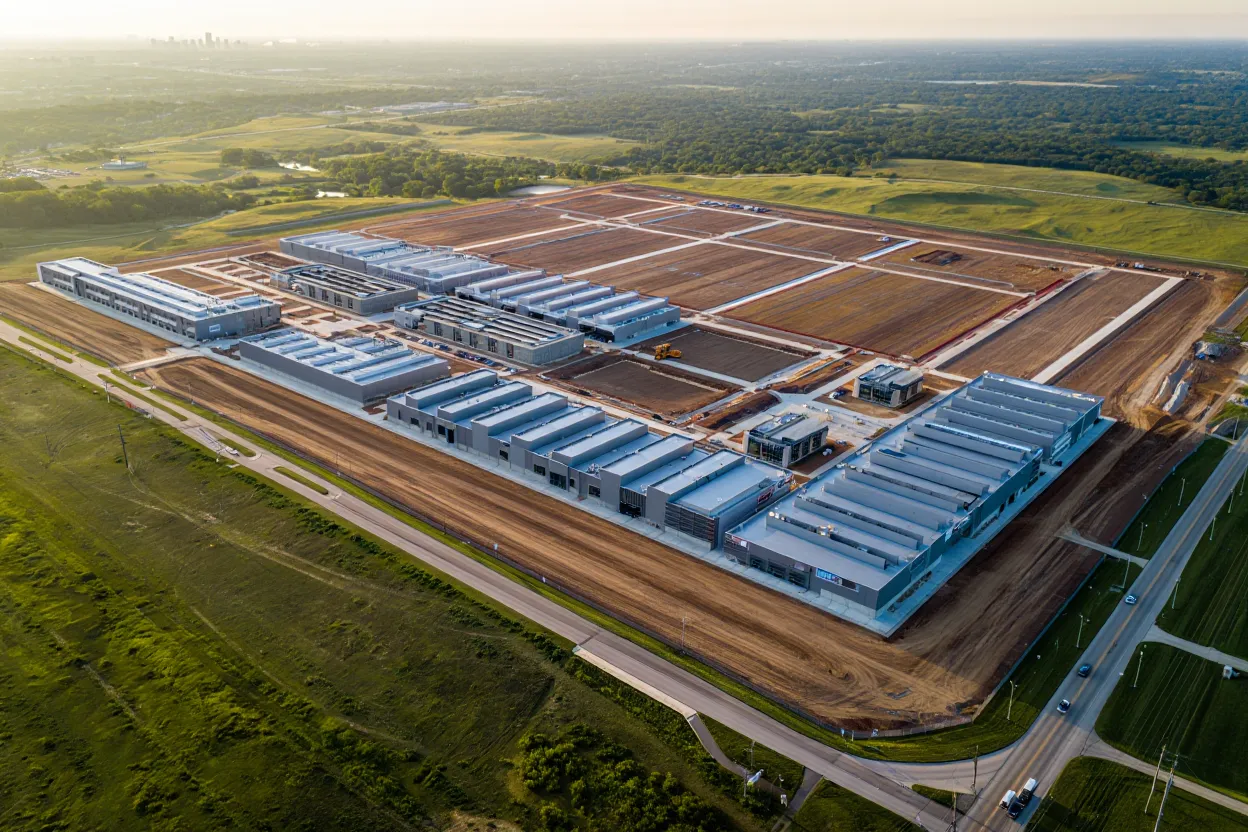
KC hyperscale: Digital Realty is entering the Kansas City market with a $474M powered-land acquisition to develop a 600 MW hyperscale data center campus backed by scalable utility agreements up to 2 GW.
-
Orbit compute: AI-driven data center constraints are pushing development toward space-based computing, where orbital facilities aim to bypass Earth’s power and land limits.
-
Defense expansion: Mach Industries is eyeing s Fort Worth site for a $74M unmanned aircraft manufacturing facility supported by local incentives and aerospace growth.
-
Industrial buy: A Hawaii-based group acquired a fully leased 71K SF Littleton industrial building for $17.7M.
🏬 RETAIL
-
SoHo Surge: SoHo captured 43% of all U.S. trophy retail transactions, reflecting a shift toward highly selective capital deployment concentrated in premier retail corridors.
-
Seoul expansion: Olive Young is entering the U.S. market with new LA stores, expanded logistics hubs, and a broader plan to scale its K-beauty retail footprint across North America and beyond.
-
Burlington build: Burlington opened a 2M SF automated Georgia distribution center to accelerate fulfillment speed and support its expanding store network.
🏢 OFFICE
-
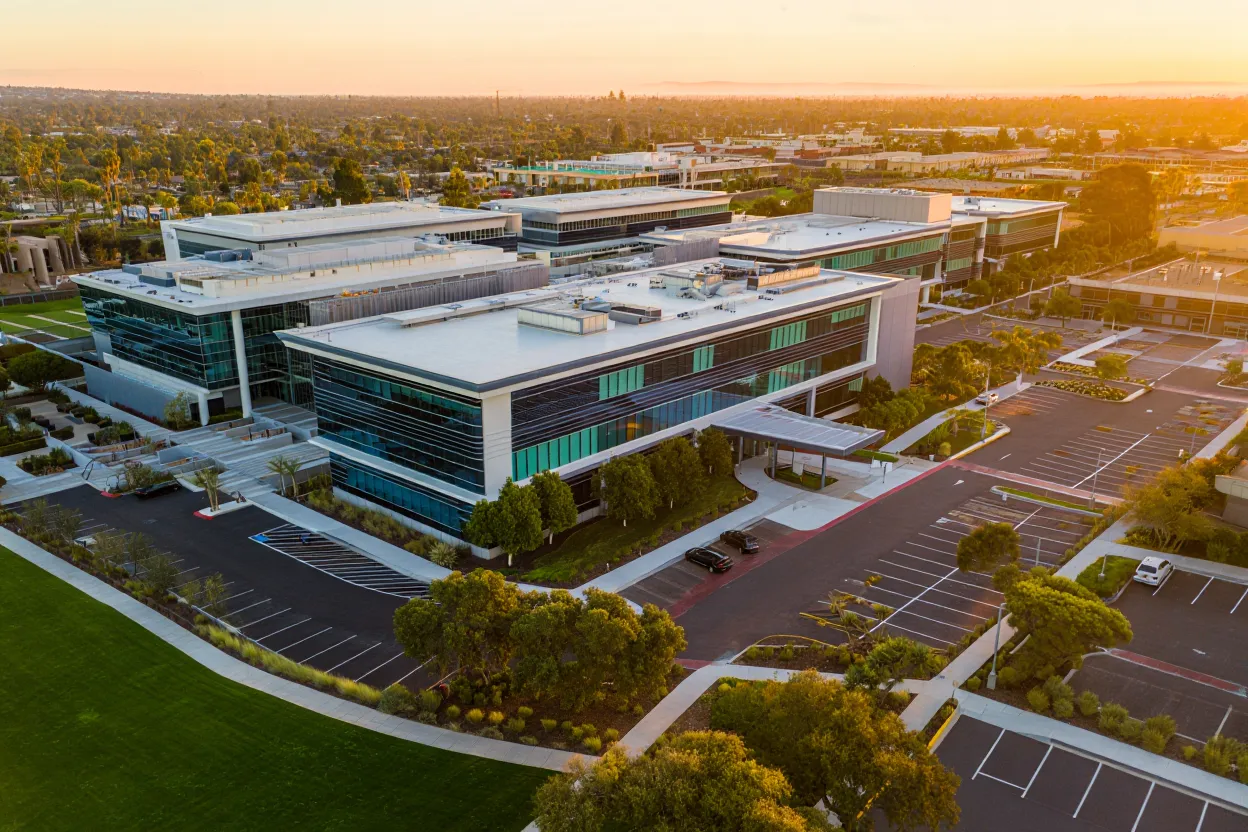
Anduril sale: Anduril’s Costa Mesa HQ is on the market for about $400M, reflecting rising investor demand for long-leased defense tech real estate assets.
-
AI geography: U.S. AI leadership is concentrated in the Bay Area, with other metros ranked as national, established, or emerging hubs based on talent, infrastructure, and innovation capacity.
-
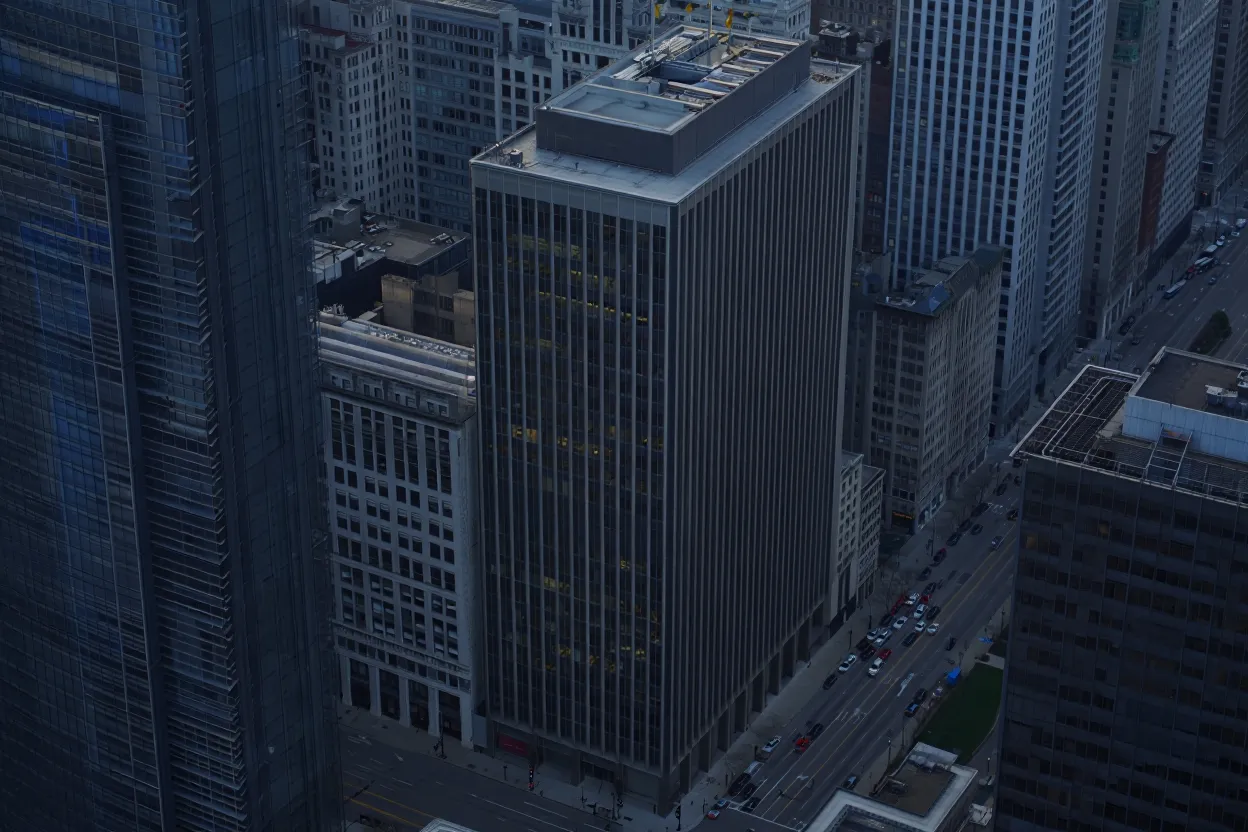
Chicago default: Blackstone-backed debt on a $343M Chicago office tower has gone into default as the city’s struggling office market continues to face high vacancy rates and depressed values following the pandemic.
-
Atlanta surge: Private equity is increasingly targeting Atlanta Class A office development due to strong fundamentals, talent growth, and rising investor confidence in the market.
🏨 HOSPITALITY
-
Opry sale: Ryman Hospitality is exploring selling its Opry Entertainment Group stake, including the Grand Ole Opry and Ryman Auditorium.
-
Blackstone refi: Blackstone secured a $115M refinancing for the W Fort Lauderdale hotel from JPMorgan, backing the oceanfront asset amid continued institutional lending activity in U.S. hospitality markets.
-
NYC bribery: A former top aide to Mayor Eric Adams was arrested on federal bribery charges tied to allegedly steering a $6.8M migrant shelter contract in exchange for payments linked to a developer scheme.
📈 CHART OF THE DAY

The pricing gap between U.S. apartment classes is widening as luxury properties regain rent growth amid slowing new supply, while lower-priced communities face deeper rent cuts driven in part by weaker immigration-fueled demand.
CRE Trivia (Answer)🧠
Financials. The move recognized the growing size of the real estate market and changed how many institutional and passive investors allocated capital.
More from CRE Daily
-
📬 Newsletters: Stay ahead of the market with local insights from CRE Daily Texas and CRE Daily New York.
-
🎙️Podcast: No Cap by CRE Daily delivers an unfiltered look at the biggest trends—and the money game behind them.
-
🗓️ CRE Events Calendar: The largest searchable calendar of commercial real estate events—filter by city or sector.
-
📊 Market Reports: A centralized hub for brokerage research and market intelligence, all in one place.
-
📈 Fear & Greed Index: A fully interactive sentiment tracker on the pulse of CRE built in partnership with John Burns Research & Consulting.

You currently have 0 referrals, only 1 away from receiving Multifamily Stress Test Model.
What did you think of today's newsletter? |