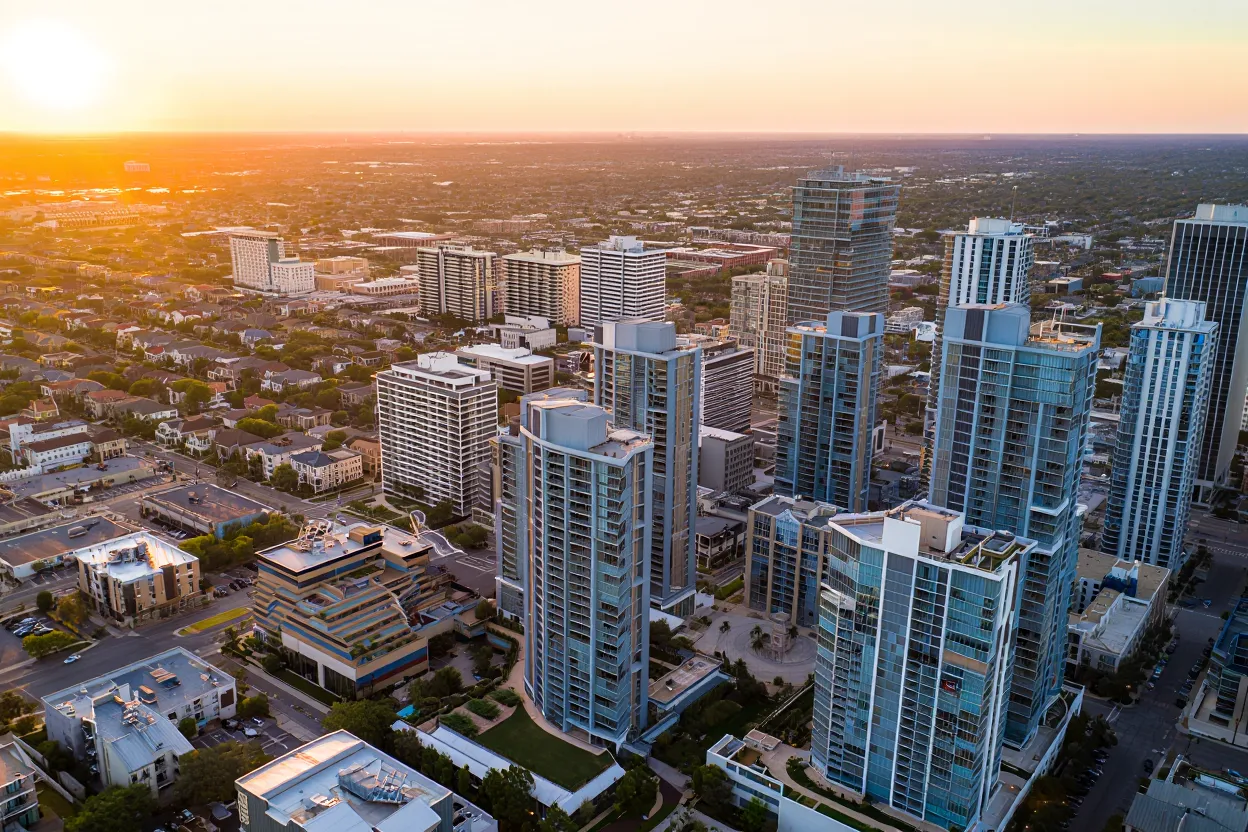



The K-Shaped Economy Is Redefining Real Estate Investment Strategy
As economic gaps widen, investors are doubling down on assets tied to wealth and demographics.

Nina Dale
June 24, 2026
In partnership with

Good morning. The growing divide between high-income and budget-conscious consumers is increasingly shaping CRE investment decisions. MetLife says the strongest opportunities aren't necessarily tied to property types, but to the specific asset classes benefiting from demographic and spending trends.
🎙️ This Week on No Cap: Presidium Co-Founder John Griggs shares how navigating multiple real estate cycles—from the dot-com crash to the GFC—helped build a vertically integrated platform that has renovated more than 20,000 units across the Sun Belt. (Thanks to our sponsor, Lennar Investor Marketplace)
Listen & subscribe: Apple Podcasts | Spotify | YouTube

CRE Trivia 🧠
Which entrepreneur launched the world's first commercial containerized shipping voyage in April 1956 by loading 58 trailer-sized containers onto a tanker in Newark?
IN PARTNERSHIP WITH COST SEGREGATION GUYS
Get 25% OFF Your Next Cost Segregation Study

There’s a reason real estate investors choose Cost Segregation Guys. Our engineering-based studies help property owners unlock powerful depreciation strategies, reduce tax liability, and significantly increase cash flow.
*This is a paid advertisement. Please see the full disclosure at the bottom of the newsletter.
Market Snapshot
|
|
||||
|
|
*Data as of 06/23/2026 market close.
Wealth Gap
The K-Shaped Economy Is Redefining Real Estate Investment Strategy
As wealthier consumers continue spending while lower- and middle-income households pull back, real estate investors are increasingly focusing on specific segments within property types rather than making broad sector bets.
Why it matters: MetLife says the growing K-shaped economy is reshaping demand across real estate as affluent consumers continue spending and baby boomers age into new housing needs. Those trends are increasingly influencing where investors deploy capital.

Senior housing rises to the top: Senior housing claimed the No. 1 spot in MetLife’s latest investment rankings as aging baby boomers enter prime demand years for assisted living and care services. The firm cited especially strong growth at higher-end communities charging more than $10K per month, with markets like Texas and Florida benefiting from favorable demographic trends.
Luxury outperforms in lodging: The divide between affluent and budget-conscious consumers is especially evident in hotels, where MetLife found luxury properties continue to post revenue growth while economy hotels have seen declines of roughly 5%. The trend reflects the resilience of higher-income travelers despite broader economic pressures.
Cold storage cools off: After years of strong performance, cold storage fell seven spots in MetLife’s rankings as pandemic-era development catches up with demand. Roughly 300 new operators entered the market between 2020 and 2025, helping push vacancies to their highest level in two decades.
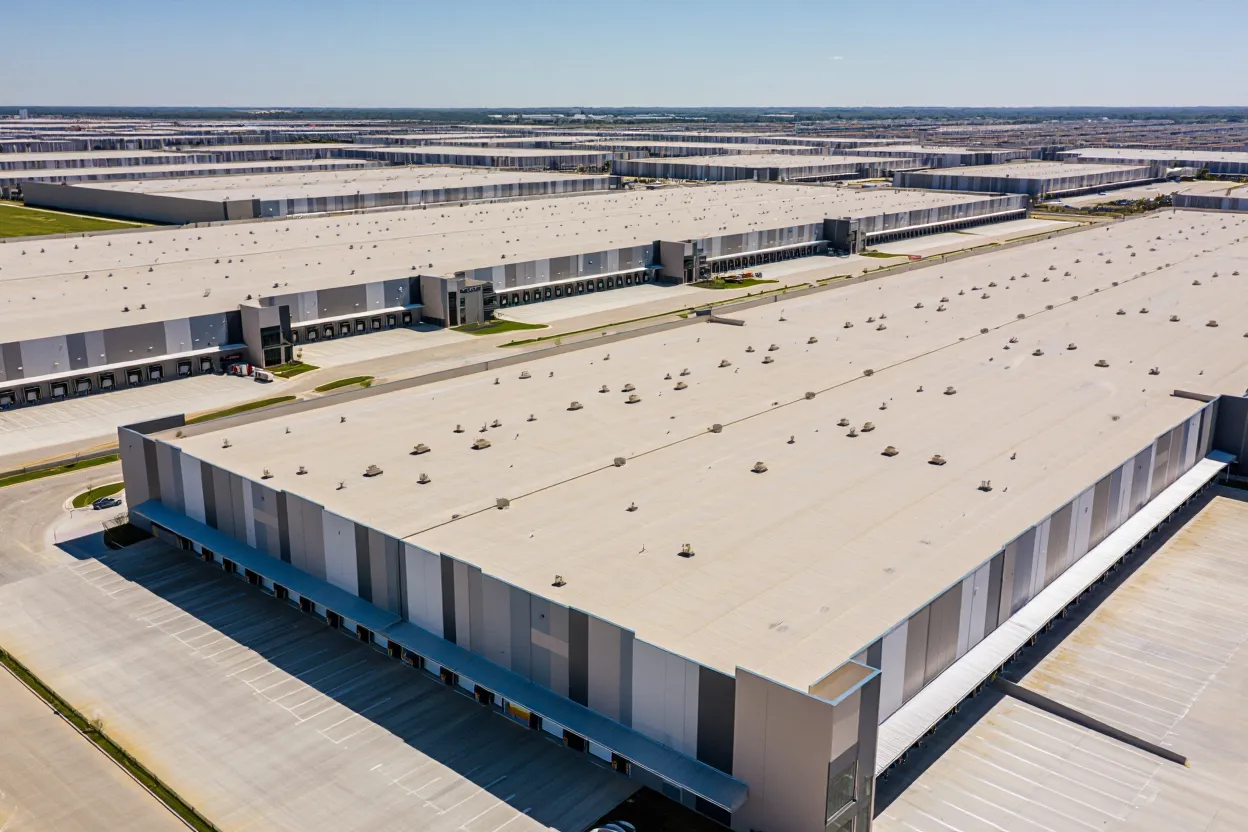
Industrial and net lease retail stay strong: Industrial assets near major population centers remain among MetLife’s top-ranked sectors, while net lease retail continues to benefit from stable income streams and growing institutional interest. The firm sees further consolidation ahead as larger investors expand into the traditionally fragmented sector.
Single-family rentals gain momentum: SFRs climbed five positions in MetLife’s rankings as the sector regained favor following a challenging year, while self-storage slipped amid continued consolidation activity, including Public Storage’s $10.5B acquisition of National Storage Affiliates Trust.
➥ THE TAKEAWAY
Following demand: The story isn't just about property sectors—it's about the people using them. Assets aligned with long-term demographic shifts and resilient consumer demand are drawing the most attention from investors.
A MESSAGE FROM BUILDOUT
On Demand: The Secret to Closing More Deals Without Adding Headcount

CRE brokers shouldn't spend half the day on admin tasks. In this on-demand webinar, Buildout shares practical ways to eliminate deal-flow bottlenecks, automate repetitive work, and free up more time for prospecting, clients, and closings. Watch on your schedule and walk away with strategies you can put to work immediately.
*This is a paid advertisement. Please see the full disclosure at the bottom of the newsletter.
✍️ Editor’s Picks
-
After-tax yield with flexible liquidity: QC Capital's fully operated fund targets 14% returns through car care and flex industrial assets. Flexible liquidity, third-party audited, and approved through Charles Schwab alternatives. (sponsored)
-
REIT surge: The FTSE Nareit All Equity REITs Index reached $1.5T in 2026 as new sectors like data centers and healthcare drove long-term growth and reshaped the market mix.
-
Back leverage: Banks are competing to fund private credit real estate lenders with cheaper, more flexible financing, improving borrower terms while increasing hidden systemic risk across the market.
-
Building what renters want: Attached garages, pools, fitness centers, pet-friendly, single-story new construction – BTR Haus builds want renters actually want. The demand is structural, not cyclical. (sponsored)
-
Rate hike: Major investment firms now expect three Fed rate hikes this year as inflation remains elevated and economic pressures shift policy away from earlier expectations of rate cuts.
🏘️ MULTIFAMILY
-
Momentum shift: Austin, San Jose, and other U.S. markets are leading a multifamily recovery index as easing construction and stabilizing demand drive the strongest year-over-year improvement in rents and vacancies.
-
Rent plateau: On-time rent payments held at 83.8% in June, showing a slowing recovery as collections stabilize and late payments remain elevated.
-
Investor floor: Small investors now dominate U.S. home buying as mega buyers retreat, keeping investor share above 11% and establishing a stable new market baseline in affordable metros.
-
Housing hitch: The Senate housing bill is advancing, but uncertainty over build-to-rent rules is creating investor confusion and potential delays.
🏭 Industrial
-
Storage expansion: Public Storage is acquiring its Canadian portfolio for $1.2B, adding 68 assets in major cities and strengthening its presence in high-demand, supply-constrained self-storage markets.
-
Climate repricing: Climate risk is becoming a core underwriting factor in data center markets, reshaping valuations and threatening cash flow stability across key global hubs.
-
Cold fire: A Boyle Heights cold storage warehouse fire is triggering emergency declarations as smoke impacts LA and crews continue battling hazardous conditions.
-
Industrial buy: Terreno Realty acquired a $56.3M fully leased Hialeah Gardens warehouse near key South Florida highway access.
🏬 RETAIL
-
Pilates pipeline: Club Pilates struck a deal to open 70 studios across three states, boosting Renew Fitness’s pipeline to 84 locations and speeding up U.S. expansion.
-
Blackstone refi: Blackstone provided a $124.6M refinancing for Harbor Group International’s 900+ unit Alesio Urban Center mixed-use community in Irving, TX.
-
Retail remix: Retail real estate is increasingly blending experiential, digital, and mixed-use formats as landlords and tenants reshape how space is leased and experienced.
🏢 OFFICE
-
Silicon surge: Apple is expanding its Silicon Valley office footprint through $545M in acquisitions of buildings it already leases.
-
Dallas tower: Morgan Stanley is considering a $1.3B office tower in Dallas to consolidate operations and expand its Texas footprint as the city grows as a financial hub.
-
Rent divergence: Rent growth is concentrated in a few U.S. metros like Manhattan, Houston and Atlanta, while many others lag, masking sharp regional performance gaps in national averages.
🏨 HOSPITALITY
-
SF sale: Sunstone Hotel Investors is selling the 821-room Hyatt Regency San Francisco to Blackstone for $279M as part of a portfolio repositioning and capital return strategy.
-
Island time: A $431M debt package has been closed to fund the redevelopment of Hawaii’s Coco Palms Resort, a historic property being repositioned by Reef Capital Partners.
-
Optimism unlocked: Hotel investors and lenders see improving performance, strong travel demand, and rising appetite for luxury driving increased transaction activity in 2026 despite macro uncertainty.
📈 CHART OF THE DAY

South Atlantic apartment markets are divided in 2026, with weaker demand in D.C. and Baltimore, strong but supply-constrained growth in Charlotte and Raleigh/Durham, and steady performance in Virginia Beach and Greensboro.
CRE Trivia (Answer)🧠
Malcom McLean. His breakthrough standardized shipping containers, cut cargo-handling costs by more than 90%, and laid the foundation for today's global supply chain.
More from CRE Daily
-
📬 Newsletters: Stay ahead of the market with local insights from CRE Daily Texas and CRE Daily New York.
-
🎙️Podcast: No Cap by CRE Daily delivers an unfiltered look at the biggest trends—and the money game behind them.
-
🗓️ CRE Events Calendar: The largest searchable calendar of commercial real estate events—filter by city or sector.
-
📊 Market Reports: A centralized hub for brokerage research and market intelligence, all in one place.
-
📈 Fear & Greed Index: A fully interactive sentiment tracker on the pulse of CRE built in partnership with John Burns Research & Consulting.

You currently have 0 referrals, only 1 away from receiving Multifamily Stress Test Model.
What did you think of today's newsletter? |