




- Governor Abbott has called for stricter oversight of Texas data centers to curb lost tax revenue and rising utility costs.
- Texas is projected to surpass Virginia as the top US data center market by 2030, with nearly $8B in lost sales tax expected over five years.
- New guardrails could slow development, but major operators already comply with many proposed measures, reflecting trends in other states.
Texas’ Data Center Growth Spurs Higher Scrutiny
Texas is accelerating toward becoming the US leader in data center development, but surging energy demands and lost state revenue have officials concerned. Bisnow reports that Governor Greg Abbott moved on June 10 to urge state regulators to rein in the fast-growing sector. In a letter, Abbott called for cutting data center tax breaks, demanding reporting requirements for water and electricity use, and requiring facilities to contribute power back to the state grid.
This comes as Texas expands its data center footprint: per JLL’s North America 2025 Year-End Data Center report, Texas could overtake Virginia as the largest data center market by 2030. The state currently faces nearly $8B in potential sales tax losses—the collateral of generous incentives pitched to hyperscale operators. Abbott’s pivot signals a potential shift for the state, known for both a business-friendly climate and minimal regulation, as it confronts the real costs of digital infrastructure buildout.
Get Smarter About What Matters in Texas
Subscribe to our free newsletter covering the biggest commercial real estate stories across Texas — delivered in just 5 minutes.
The End of Blank-Check Incentives
Texas’ open-handed approach has turned it into a digital infrastructure hotspot, attracting operators like OpenAI and Oracle. Yet, that hands-off model is under review amid rising backlash from officials and residents over grid strain and utility bills. State comptroller figures cited by Bisnow reveal existing data center exemptions already cost Texas more than $1B in annual sales tax, projected to climb by 33% to $8B over five years if left unchecked.
Abbott’s priorities include eliminating or scaling back major tax breaks, setting standards for energy and water efficiency, requiring developers to absorb their grid infrastructure costs, and mandating annual public reporting of water and energy use. Calls for these measures echo concerns from both sides of the aisle about noise, pollution, and outsized water consumption. According to experts like Mark R. McNees of Florida State University, Texas’ proposed approach parallels mounting regulation in other states, aimed at balancing local needs with broader economic ambitions.
The Details
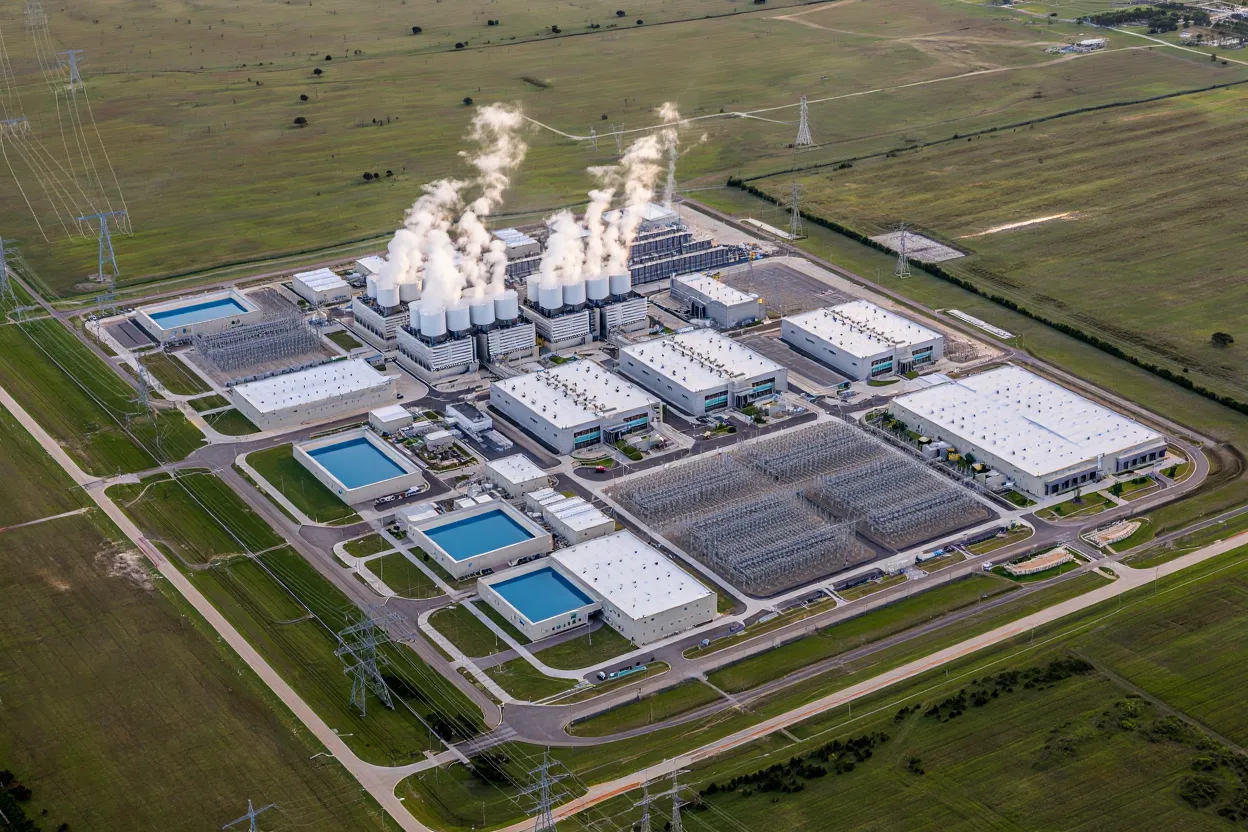
The current incentive structure has enabled mega-projects: OpenAI and Oracle’s $3.5B Stargate campus in Abilene netted an 85% property tax cut from the local city council last year. More recently, Guadalupe County okayed a $500M abatement for Cloudburst Data Centers’ $14.5B development.
Texas now counts 335 active data centers and 248 more under development, per The Texas Tribune—second only to Virginia for projects under construction. Nearly 90% of all new power capacity requests statewide are coming from data center projects, according to grid operator ERCOT. Those requests dwarf historical demand, representing more than five times the state’s current record grid load. The Texas Public Utility Commission and ERCOT face a July 17 deadline to propose measures addressing Abbott’s outlined concerns.
Developers Face Higher Bar as Market Heats Up
Texas’ appeal as a data center destination is built on abundant land, competitive energy pricing, and pro-business politics—but the resulting surge is now a focal point for legislators. JLL’s 2025 report points to Texas outpacing Virginia as a top market, partly as operators grow wary of higher costs and longer approval timelines out east. This boom, however, has begun to strain water resources and test the grid’s limits, as highlighted by Cushman & Wakefield research. Similar concerns have emerged as communities push back against growing data center demands on power and water systems.
The problem: while traditional heavy industry brings significant job creation, data centers generally offer limited employment but massive power needs. As McNees notes, the “formula is different”—the economic ROI for local communities comes under scrutiny when incentives remain high but payroll impact is modest. Notably, industry groups like the Data Center Coalition assert that many operators are already integrating closed-loop cooling and on-site energy generation, meeting or exceeding pending requirements.
Why It Matters
The stakes are high for Texas, which sits on the cusp of leading a $100B+ national data center sector. Gov. Abbott’s proposals reflect bipartisan worry: unchecked development could see utility bills rise, especially for vulnerable residents, while billions in tax revenue is left on the table. According to the state comptroller, Texas lost over $1B in 2025 alone from data center tax exemptions—a figure expected to balloon each year as the sector grows. These lost funds could otherwise support infrastructure or social programs.
Grid reliability and ratepayer protection are the flashpoints. ERCOT reports that large-scale projects (mainly data centers) have requested 439 gigawatts of power capacity—enough, theoretically, to supply over 385 million homes. The risk is that Texas may be forced to upgrade its grid at a pace (and cost) that impacts everyday users, especially as most developers are not major job creators. Mandating new centers pay for their share of grid upgrades, adopt water-saving technology, and publicly report usage could curb local pushback and avoid the grassroots opposition that has slowed projects in other states. The regulatory alignment also positions Texas to attract well-capitalized developers who can meet higher standards. However, if regulations erode the Lone Star State’s low-cost advantage, there is risk of investment cooling or shifting elsewhere—especially if individual counties lose flexibility on incentives.
What’s Next
The state’s Public Utility Commission and ERCOT are expected to submit formal regulatory proposals by July 17, as ordered by Abbott. Legislative action on these fronts could reach the floor during the next regular session in 2027, with possible movement on sales tax repeal and new infrastructure requirements. Major operators have signaled openness to collaboration, indicating that top-tier projects will likely continue to land in Texas, albeit under more scrutiny. Meanwhile, other states are watching this process closely as regulators nationwide seek the right balance between economic growth and local impact. How Texas navigates this pivot will shape not just its own market trajectory, but set a key precedent for US data center policy.