


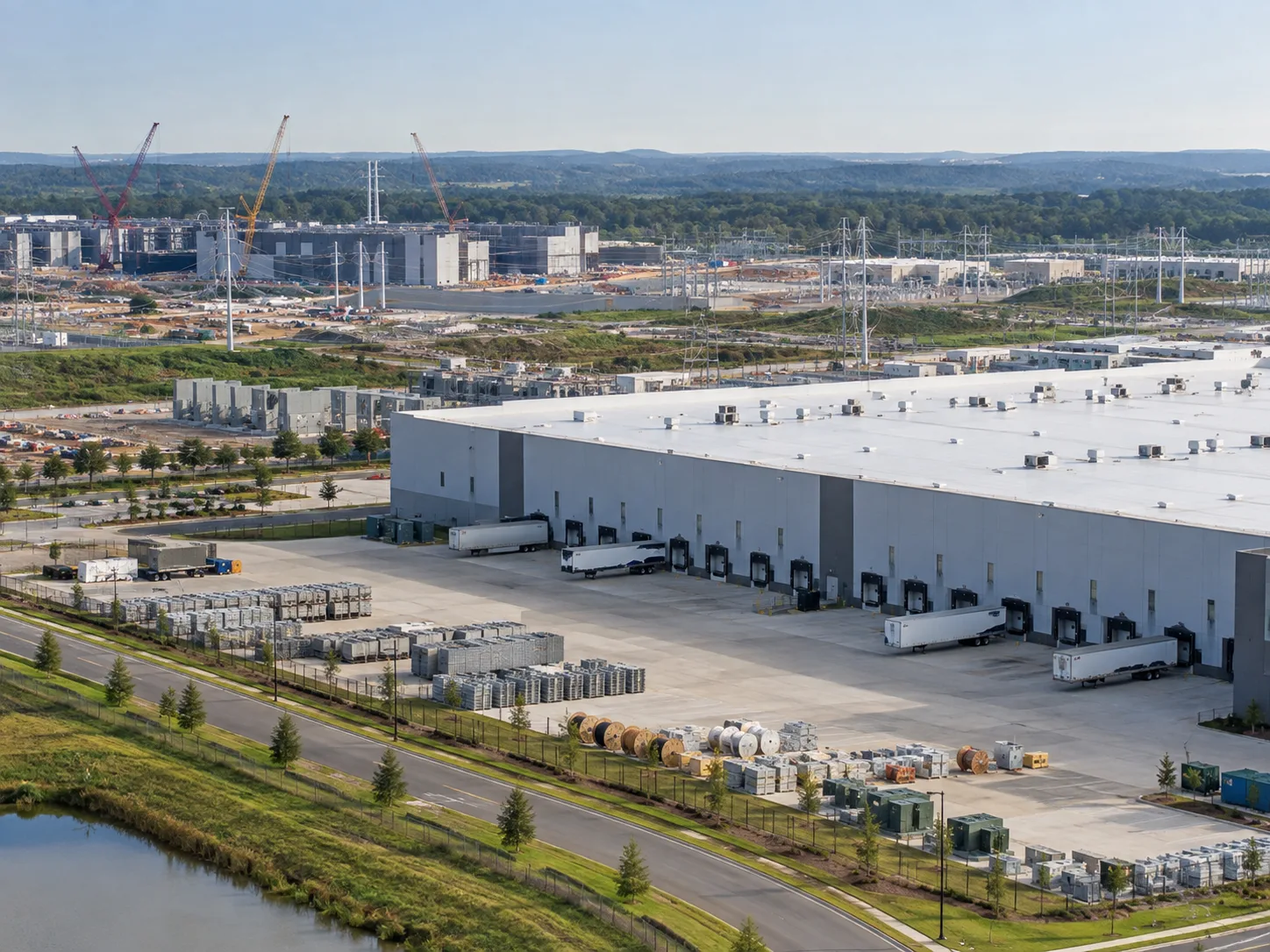
Apartment Landlords Face a $1.8T Debt Reckoning
Apartment owners face a massive refinancing wall as lenders get tougher and distressed opportunities pile up.

Nina Dale
September 22, 2026
In partnership with

Good morning. The multifamily market has a $1.8T elephant in the room: debt. As loans mature at much higher rates, some landlords are finding that selling may beat refinancing.
🎙️ This Week on No Cap: Trinity's CEO Sean Hehir on why his firm refuses to play the cap-rate arbitrage game. (Thanks to our sponsor, Warespace)

CRE Trivia 🧠
Which California company co-founded by Angelo Mozilo became America’s largest mortgage lender before its collapse in the 2008 financial crisis?
IN PARTNERSHIP WITH REDWOOD®
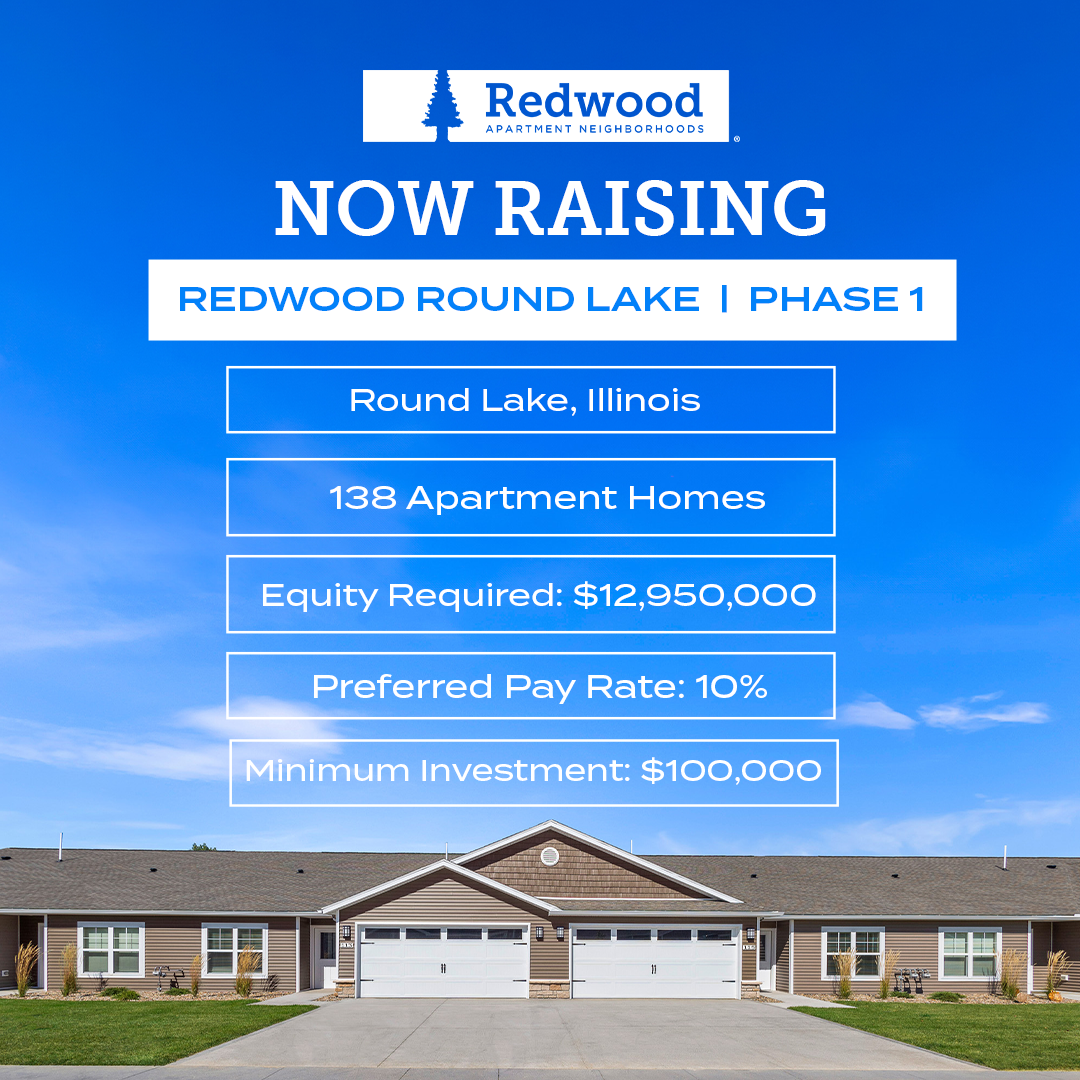
NEW BTR DEAL NOW RAISING: Redwood Round Lake Phase 1
Seeking passive income and tax advantages?
Consider investing in Redwood Round Lake—a neighborhood of 138 single-story apartment homes in the Chicago MSA. Featuring one- to three-bedroom floor plans, private two-car garages, open-concept layouts, vaulted ceilings, upgraded finishes, and private entrances, these homes offer the comfort of single-family living with the convenience of professional management.
With delivery planned in a single phase, this build-to-rent neighborhood is positioned to meet strong suburban housing demand.
*This is a paid advertisement. Please see the full disclosure at the bottom of the newsletter.
Market Snapshot
|
|
||||
|
|
*Data as of 09/21/2026 market close.
Forced Sales
Apartment Landlords Face a $1.8T Debt Reckoning
America’s apartment boom is colliding with a refinancing wall as higher borrowing costs and falling property values squeeze landlords.
By the numbers: More than $1.8T in multifamily debt comes due over the next decade, including roughly $757B through 2028. Nearly $300 billion matures in 2026, after a record $310 billion came due last year.

The refinancing squeeze: Many landlords borrowed at rates around 3% in 2020 and 2021. Refinancing today can mean rates closer to 6%, potentially adding millions to debt costs and forcing some owners to sell rather than inject more capital.
How we got here: Multifamily became a pandemic-era favorite as rents surged and investors fled other property sectors. But a construction boom—particularly in Sunbelt markets such as Phoenix, Atlanta, and Austin—slowed rent growth just as interest rates climbed.
Distress is rising: Multifamily CMBS delinquencies have climbed from 1% in October 2023 to 7.1% this year, according to Morgan Stanley. Apartment values are also more than 20% below their 2022 peak, putting additional pressure on leveraged owners.
Extensions are running out: For years, lenders extended troubled loans hoping rates would fall and rents would recover. Now, lenders are becoming more willing to foreclose or force restructurings as their balance sheets strengthen and rent-growth expectations improve.
Opportunity knocks: Cash-rich buyers are beginning to scoop up distressed properties at steep discounts. Cityview, for example, is buying a renovated Dallas-area apartment complex from a lender at roughly a 40% discount following foreclosure.
➥ THE TAKEAWAY
Multifamily’s debt problem is becoming a buying opportunity: The refinancing wall could force weaker owners to sell quality properties at lower valuations, creating an increasingly attractive pipeline for investors with dry powder.
A MESSAGE FROM STARBOARD
AI Chatbots Aren't Enough for Investment Decisions

Claude and ChatGPT help build models, write emails and do research. Less manual work but not better decisions.
They don't know why you passed on a deal six months ago. Where your rent growth projections come from. Which broker sends you the best deals.
Starboard turns that knowledge into your edge. A collaborative workspace to close more deals with conviction.
*This is a paid advertisement. Please see the full disclosure at the bottom of the newsletter.
✍️ Editor’s Picks
-
Always visible: A tour lasts 30 minutes. Leasing decisions take months. RealtyAds keeps properties visible and differentiated through the entire deal cycle, not just the tour. (sponsored)
-
REITs value: REITs may offer value-focused investors attractive pricing, with implied cap rates exceeding private-market appraisals across four property sectors and occupancy rates remaining competitive.
-
RREEF liquidation: DWS-advised RREEF Property Trust plans to liquidate its seven-property portfolio within 24 months of shareholder approval, following heightened redemptions and challenges attracting new capital.
-
CRE financing: A 5% Treasury yield and Fed rate hike are tightening CRE financing, forcing borrowers to confront refinancing gaps while capital increasingly favors durable cash flow, lower leverage and credible business plans.
🏘️ MULTIFAMILY
-
Luxury rents: High-end single-family rents grew 2.6% year over year in July versus 0.6% for lower-priced homes, while Chicago led major markets with 5% growth.
-
Under investigation: The FBI is investigating Lurin Capital following alleged fraud, $710M in debt defaults, foreclosures and property-management complaints across its Sun Belt multifamily portfolio.
-
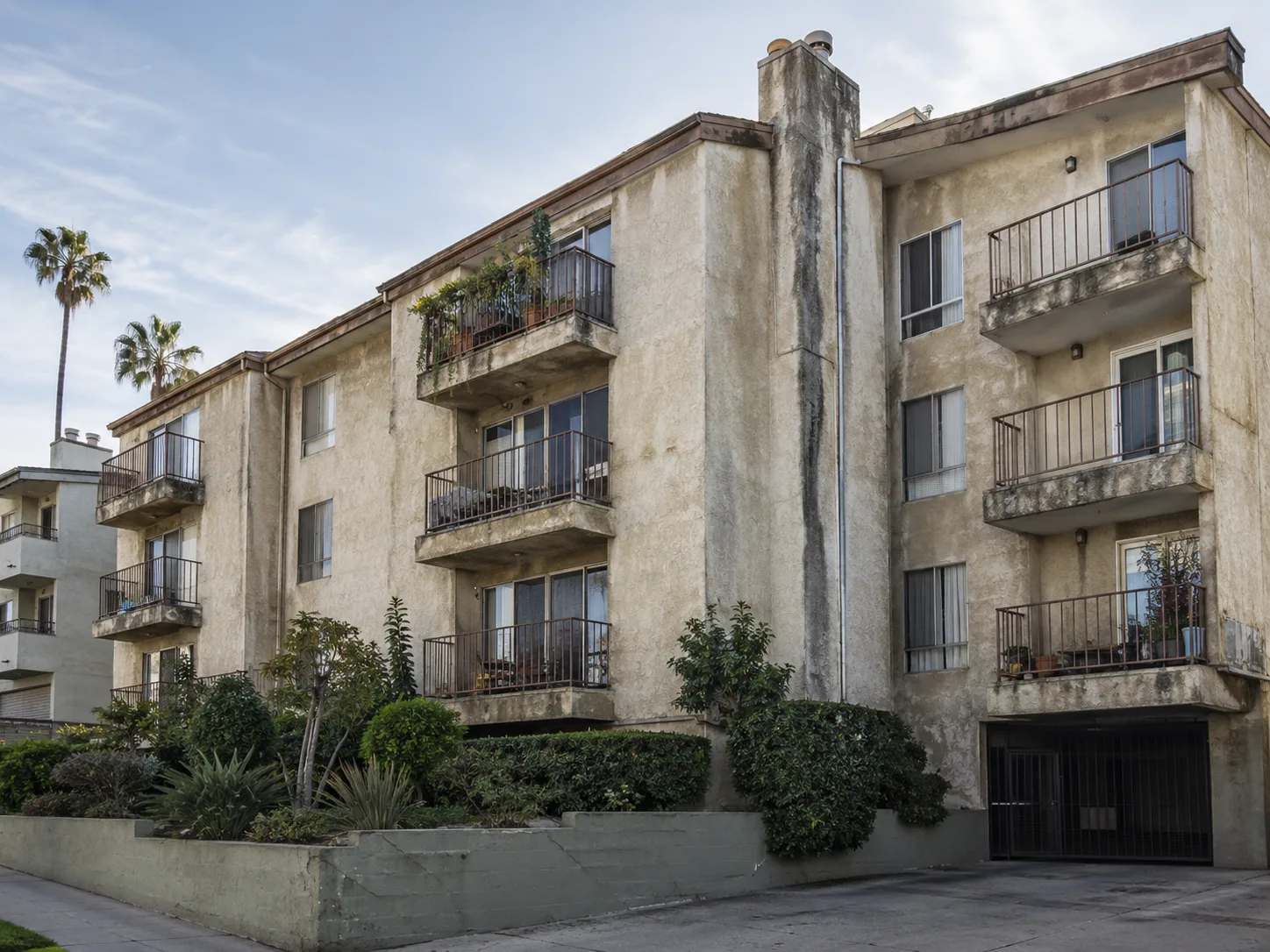
Mold exposure: Rising mold lawsuits, insurance premiums and deferred maintenance are increasing financial and operational risks for multifamily owners nationwide.
🏭 Industrial
-
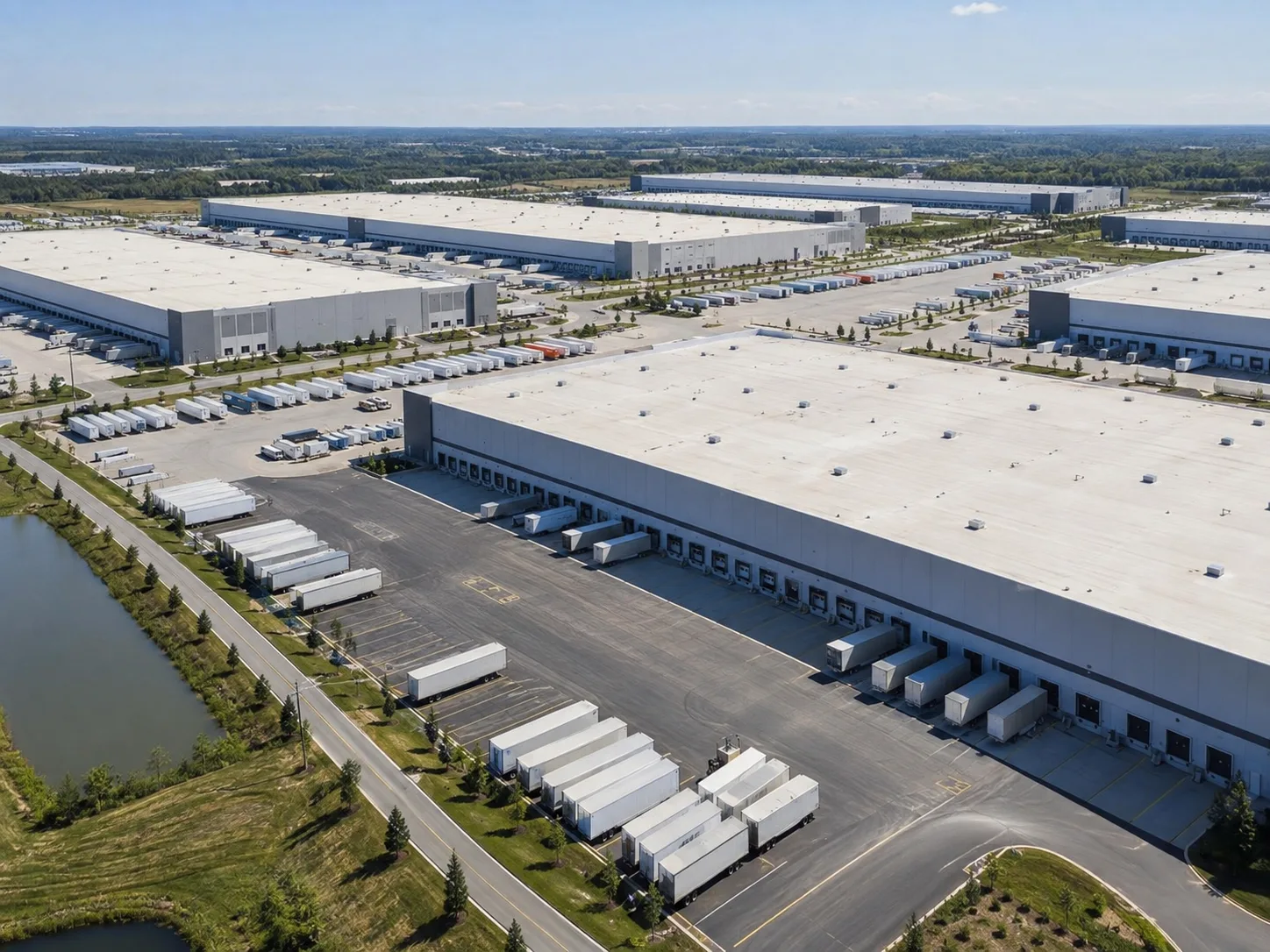
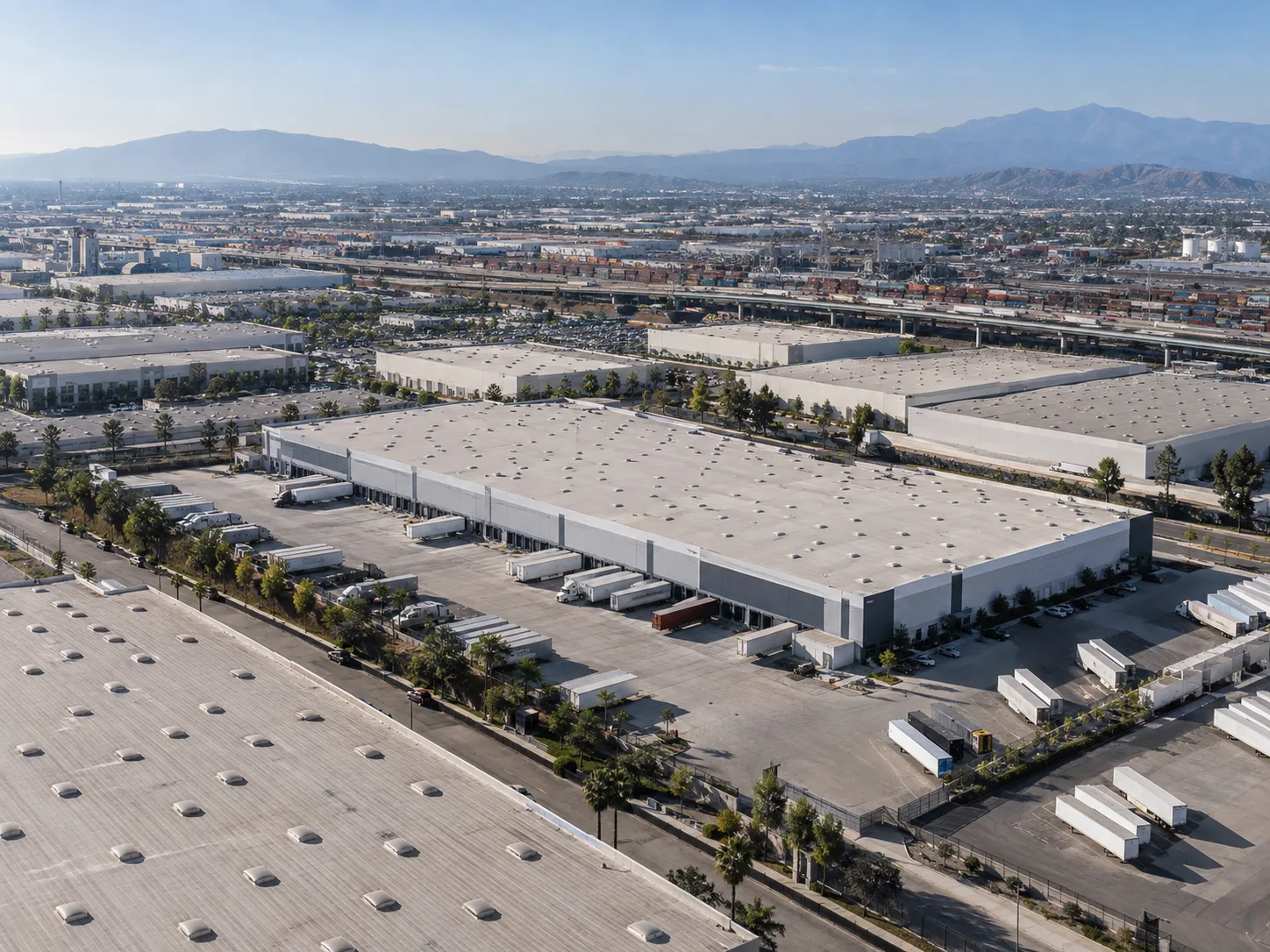
EQT logistics: EQT acquired a 5.2M SF, 32-building Southern California logistics portfolio that is 96% leased, combining supply-constrained coastal infill assets with Inland Empire distribution hubs.
-
Maturity mirage: Of $47.76B in industrial CMBS debt maturing through 2028, $40.86B has extension capacity beyond 2028, delaying—but not eliminating—refinancing risk.
-
Data center: Data center construction is fueling new industrial demand, with 69.0M SF of adjacent leasing accounting for 10.1% of U.S. volume in H1 2026.
-
LIC warehouse: The Holterbosch family sold its Long Island City warehouse at 10-01 45th Road to Ground Lease REIT for $95M, a decade after the family patriarch’s death.
-
FedEx exposure: FedEx’s planned 30% U.S. and Canada footprint reduction puts nearly $3B of CMBS debt tied to 174 industrial properties in focus, with $837M backed by properties whose leases expire before loan maturities.
🏬 RETAIL
-
Grocery refinance: A Kimco Realty JV secured a $154.5M loan to refinance six grocery-anchored retail properties totaling 1.3M SF across California, Arizona and Georgia, with the portfolio 99% occupied.
-
Wendy’s bankruptcy: Major franchisee Meritage Hospitality filed for Chapter 11 after closing nearly 60 restaurants, as Wendy’s systemwide challenges and declining sales strained its finances.
-
LA retail: Pegasus completed project management for new Raising Cane’s and Honey Baked Ham locations in Los Angeles, overseeing planning, construction coordination and delivery.
-
Chili’s expansion: Brinker plans to invest $275M in fiscal 2027 and $350M–$400M annually thereafter on new Chili’s locations and renovations, targeting 300+ U.S. growth markets.
🏢 OFFICE
-
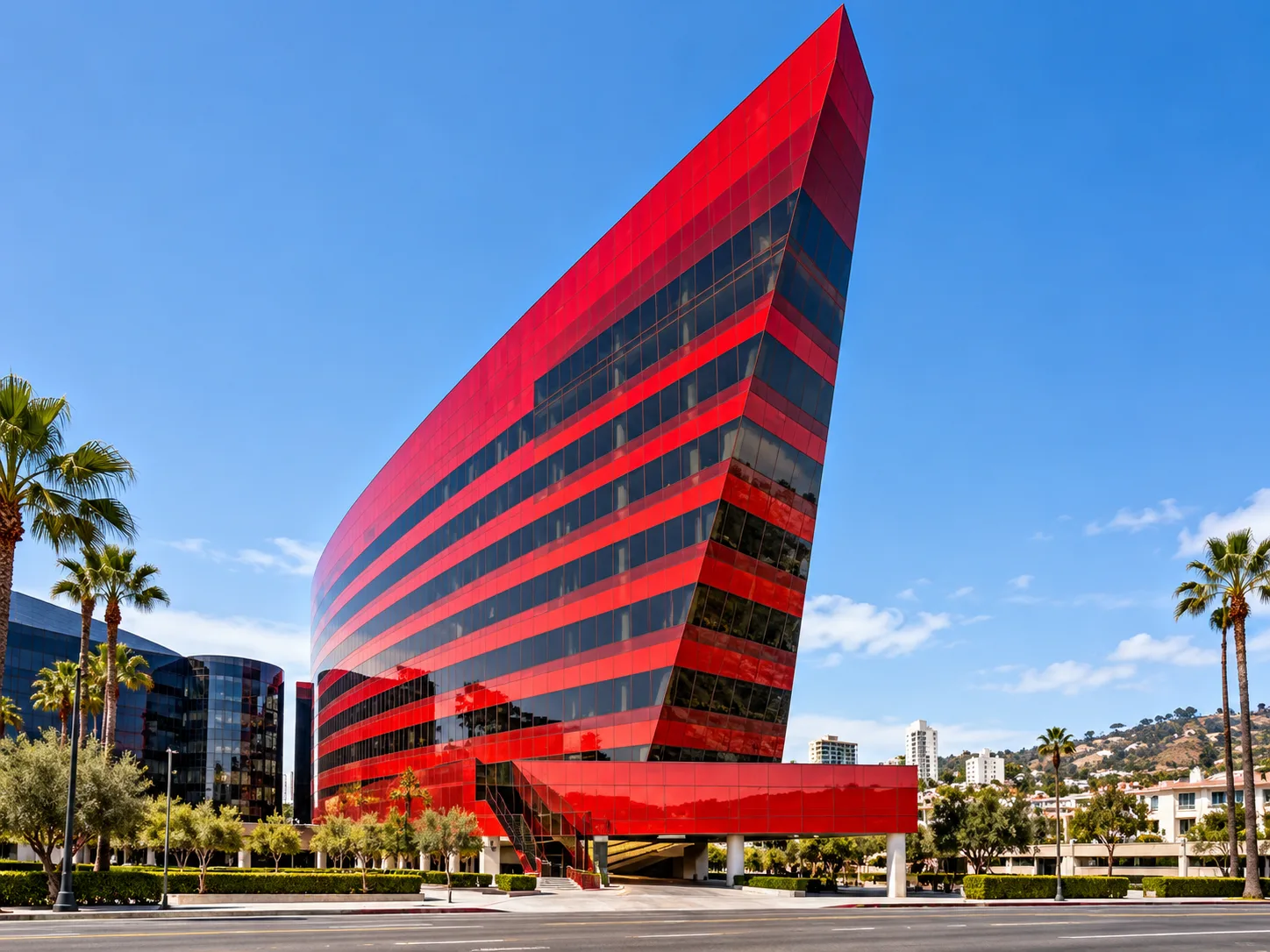
Leasing momentum: Cohen Brothers secured seven leases totaling nearly 96,000 SF at West Hollywood’s Red Building, lifting occupancy to 90% with another 50,000 SF in deals under negotiation.
-
Citadel construction: Construction of Citadel’s planned Miami headquarters has been halted after a rig collapse injured four people, with authorities issuing a stop-work order pending an investigation.
-
Farm campus: Compatriot Capital put State Farm’s 1.1M SF suburban Atlanta headquarters up for sale, with 10 years and $527M of lease income remaining.
-
Studio pivot: Napster abandoned its planned $164M Fort Lauderdale movie studio and headquarters after determining the project no longer aligned with its priorities.
🏨 HOSPITALITY
-
Sedona resort: R.D. Olson Construction broke ground on the $116M, 70-key Senoa Resort & Spa in Sedona, with opening planned for late 2028.
-
Stadium unveiled: The Washington Commanders and HKS unveiled new seating-bowl renderings for the planned 65,000-seat stadium, emphasizing sightlines, acoustics and fan experience.
-
Luxury leads: Luxury and upper-upscale hotel brands drove U.S. RevPAR growth in H1 2026, while economy hotels saw declines in occupancy, ADR and RevPAR.
📈 CHART OF THE DAY

CRE investors need cap rates to rise about 64 bps on average before deploying capital aggressively, with office closest to attractive pricing at just 20 bps away.
CRE Trivia (Answer)🧠
Countrywide Financial. At its peak, it originated roughly one in five US home loans; Bank of America acquired what remained for $4.1B in January 2008, inheriting billions in mortgage losses.
More from CRE Daily
-
📬 Newsletters: Stay ahead of the market with local insights from CRE Daily Texas and CRE Daily New York.
-
🎙️Podcast: No Cap by CRE Daily delivers an unfiltered look at the biggest trends—and the money game behind them.
-
🗓️ CRE Events Calendar: The largest searchable calendar of commercial real estate events—filter by city or sector.
-
📊 Market Reports: A centralized hub for brokerage research and market intelligence, all in one place.
-
📈 Fear & Greed Index: A fully interactive sentiment tracker on the pulse of CRE built in partnership with John Burns Research & Consulting.

You currently have 0 referrals, only 1 away from receiving Multifamily Stress Test Model.
What did you think of today's newsletter? |