


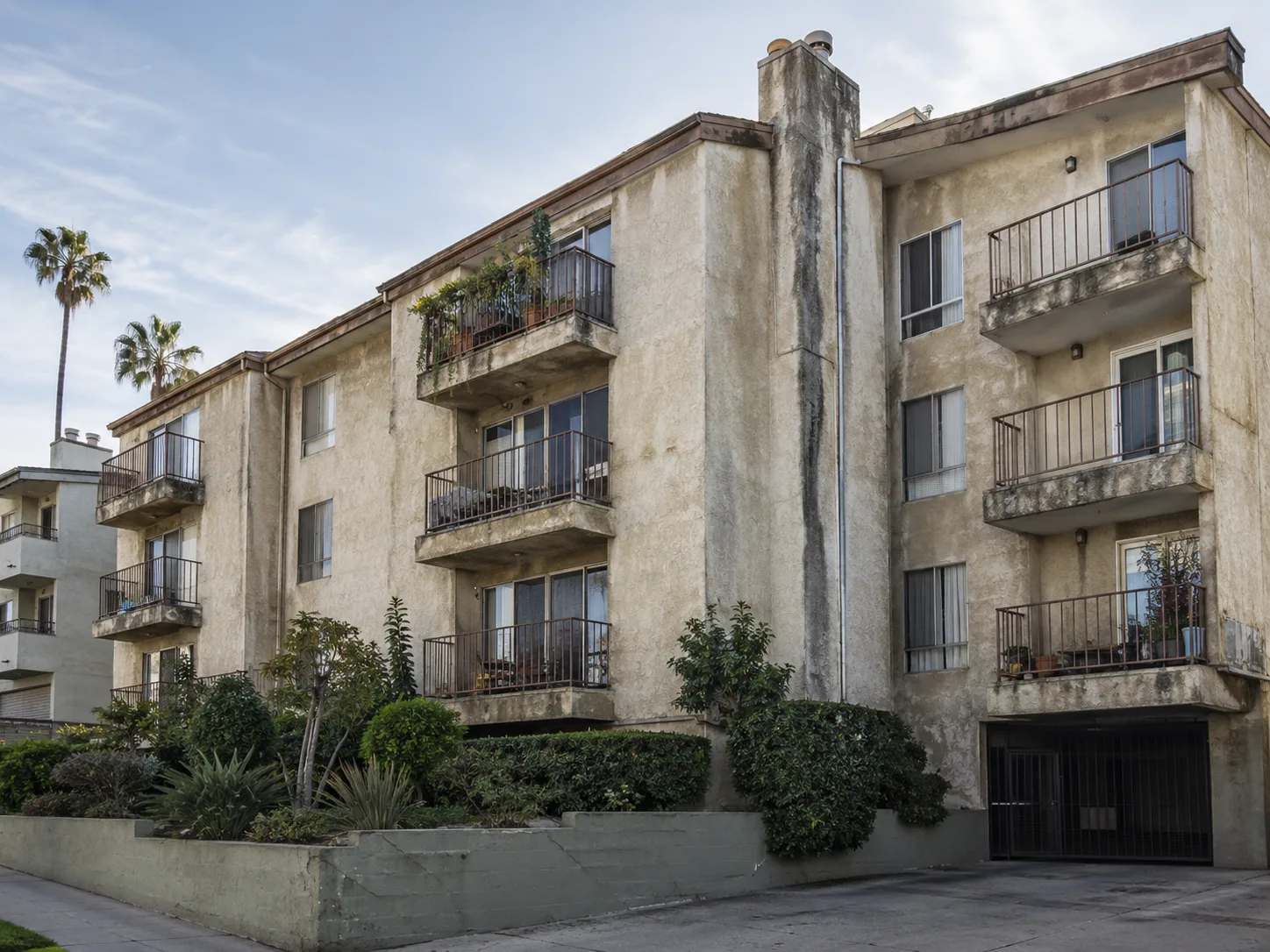
- LA County mold violations in larger apartment buildings more than doubled from 2021 to 2025, reaching 116 last year.
- Habitability insurance can cost $375 to $1,400 per unit, and some owners have seen premiums rise 300% or more.
- Recent mold verdicts reached $2.3M in Long Beach, $6.6M in Las Vegas, and $1M in Austin.
Mold and habitability claims are becoming a more expensive operating risk for apartment owners. Complaints, lawsuits, and insurance costs are rising at the same time. Bisnow’s review of the growing mold litigation problem ties the pressure to aging housing, deferred maintenance, and more severe weather. Some owners are also finding less insurance capacity when claims reach court.
Get Smarter about what matters in CRE
Stay ahead of trends in commercial real estate with CRE Daily – the free newsletter delivering everything you need to start your day in just 5-minutes
Complaints and Violations Keep Rising
Nationwide mold data are limited, but local indicators show mounting pressure. LA County recorded 116 mold violations in buildings with at least five units in 2025. That was more than double the 2021 total. New York City’s 311 system logged more than 31,000 mold complaints in 2025. It recorded more than 18,000 through midyear 2026. RentHop said complaints typically rise from July through October. This summer’s record heat and humidity could add to the problem.
The Details
Legal exposure can become expensive before a case reaches trial. Moss & Co. President Chris Gray said defending a claim without insurance can cost $50K to $100K. Mold testing alone can cost $1K or more. Owners can then face expert-witness fees, follow-up testing, remediation, and temporary relocation expenses. Recent verdicts show the potential downside. A Long Beach case produced a $2.3M award in February. A Las Vegas jury awarded $6.6M. An Austin couple received $1M after mold followed a water leak.
Insurance Backstop Weakens
Habitability insurance is getting more expensive and harder to secure in some markets. Pro Insurance Group places premiums between $375 and $1,400 per unit. Pricing varies with factors such as building age and size. Local Initiatives Support Corp. CEO Michael Pugh said he has seen premiums rise 300% or more. Some carriers have pulled back from California. Owners can therefore face large verdicts and defense costs with less protection. Those conditions add another layer to rising multifamily insurance costs for operators.
Maintenance Becomes a Legal Strategy
Owners are responding with more proactive inspections, testing, and maintenance. Those programs raise operating costs but can identify moisture problems before they become larger claims. The source ties rising exposure to aging properties and more frequent inclement weather. Sarah Adbelhadi of the National Low Income Housing Coalition said climate conditions are speeding the aging process. She also pointed to reduced federal and state support for affordable-housing upgrades and repairs.
Litigation Becomes More Organized
The legal market around mold has changed as well. Jake Cohen of Southern California law firm Cohen, Cohen & Cohen said his firm moved into toxic mold work during the pandemic. Auto-accident cases had slowed, prompting the firm to explore other litigation areas. He said more high-volume firms are now advertising for mold cases. Consultant Dale Walsh also said demand for his remediation expertise has steadily increased. Better scientific understanding of health impacts has made juries more responsive, according to attorney Kristina Baehr.
Tenant Enforcement Adds Pressure
Habitability has also become a stronger focus of tenant organizing. Some cities have increased inspections, legal aid, and renter protections during the past decade. Washington, D.C., changed its rules in 2014 to increase inspections and require professional remediation after a violation. Tenant advocates say response times still vary widely by owner. Some landlords quickly hire inspectors. Others leave tenants to pay for testing, which can create a stalemate for lower-income households.
Why It Matters
The risk now combines physical maintenance, health concerns, legal costs, and insurance availability. Mold has long been a housing issue, but the financial consequences are becoming harder for owners to ignore. Large verdicts can exceed available insurance. Even smaller claims can create meaningful legal and testing expenses. Multifamily operators therefore face pressure to document complaints, investigate quickly, and complete remediation before property conditions become litigation.
What’s Next
The legal infrastructure around toxic housing is still expanding. Baehr’s firm helped create the Safe Housing Collaborative, a network of attorneys focused on these cases. The group plans its first conference in Austin in October. At the property level, owners are likely to keep spending on testing and maintenance as insurers, tenants, and courts apply more scrutiny to habitability problems.