






- Nearly 74% of US rental listings in May were affordable to median-income households, the highest share on record for this time of year, according to Zillow.
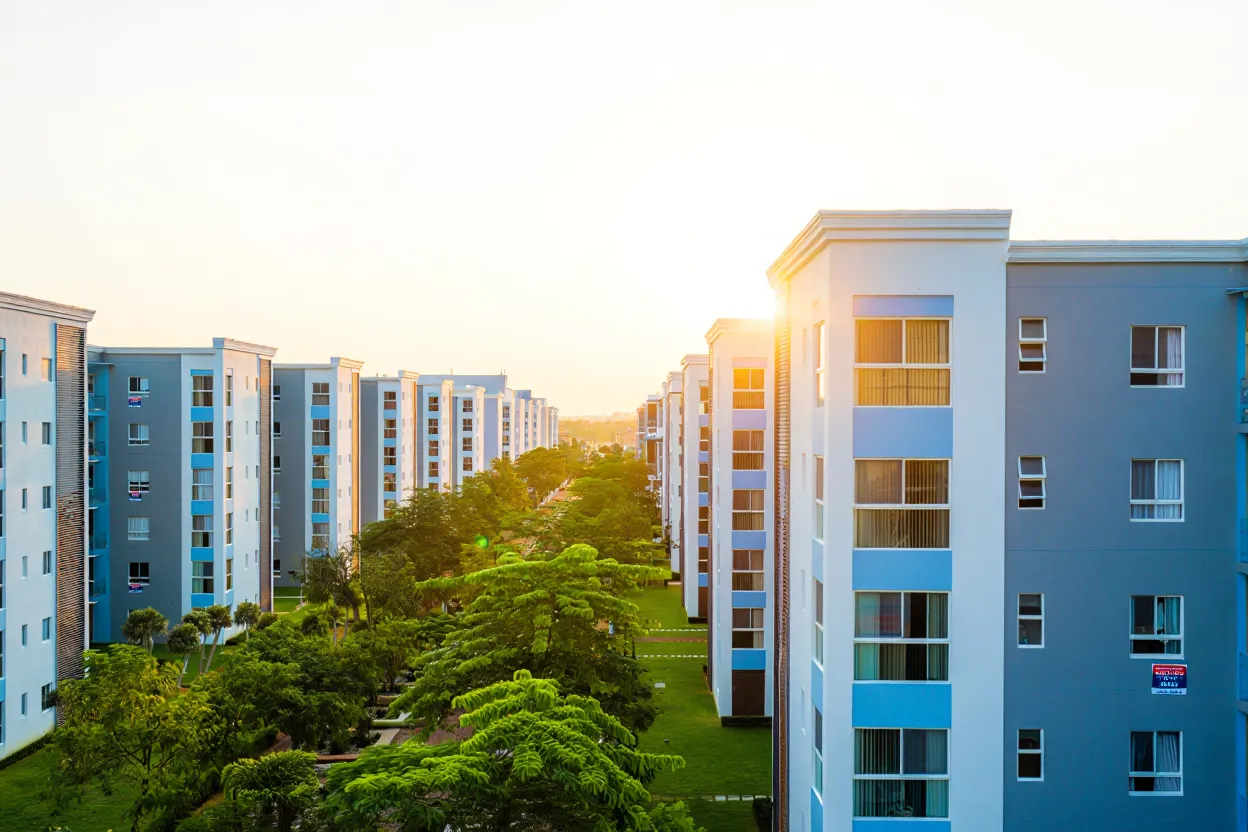
- Multifamily supply is at a 50-year high, pushing rents lower and swelling the number of affordable options, especially in markets like Raleigh, Austin, and Salt Lake City.
- Elevated affordability and widespread concessions signal a tenant-friendly market, but not all metros are benefiting equally as some high-cost cities see affordability recede.
Supply Surge Shifts Negotiating Power
Zillow’s May Rental Report shows the US rental market tilting toward renters as new supply comes online at a historic rate. Builders ramped up multifamily construction through 2024, creating more competition among landlords. According to Zillow, the share of affordable rental listings reached a record 74% in May—meaning the median-income household would spend no more than 30% of income on almost three out of four available rentals. With 8.8% of listings under $1,000 per month (the highest since 2022), more choice is appearing across the income spectrum, not just the luxury tier.
Get Smarter about what matters in CRE
Stay ahead of trends in commercial real estate with CRE Daily – the free newsletter delivering everything you need to start your day in just 5-minutes
The Details
The typical US asking rent was $1,951 in May, up 2% year-over-year—just a $39 monthly increase, per Zillow. Multifamily units drove much of the affordability gain: 79.4% of apartment listings were accessible to median-income households, compared to 47.3% for single-family rentals. Regional disparities stand out: renters in Raleigh could afford nearly 95% of listed units on a median income, while the figure was 91% in Austin and above 90% in Louisville and Salt Lake City. Meanwhile, New York remained an affordability outlier, with only 33.4% of rentals deemed accessible for the typical household.
Sun Belt and Midwest Dominate Affordability
Sun Belt and Midwest markets are leading the affordability revival. Cities like Dallas, Denver, St. Louis, and Indianapolis all posted affordable shares above 85%. Tampa and Orlando recorded the biggest annual jumps, with the share of affordable listings climbing 10 and 8.2 percentage points, respectively. Meanwhile, Northeastern cities continue showing strong renter demand despite offering fewer affordable listings than many Sun Belt markets. In contrast, affordability eroded in seven major metros, most notably Pittsburgh and San Francisco. The latter saw typical rents jump 7.1% year over year, slashing the share of affordable inventory. Concessions also played a key role. Nearly 40% of rental listings nationwide offered a concession in May, up from 35.1% last year, making deals even sweeter for renters.
Why It Matters
For the first time since at least 2021, record supply is softening rent growth and making units more accessible. According to Zillow, construction fueled a 50-year high in multifamily deliveries in 2024, and this is reverberating through pricing. The median household needed $78,035 annually to afford a typical US rental in May 2026, but that’s only 1.9% higher than a year ago—and affordability (defined as the share of income spent on rent) slid to 26.9%, compared to a pre-pandemic baseline of 26.2%. For urban planners and CRE investors, this marks a rare window where incomes are catching up to rents. Markets with the most robust building booms—Austin, Raleigh, and Salt Lake City—now offer the best price-to-income ratios, with renters there spending under 20% of income on a new lease.
Single-family home rents are still growing faster than apartments—up 2.8% year-over-year—but even here, affordability modestly improved. With nearly 40% of listings offering incentives, and 74% priced for the median wage earner, most renters are in a stronger negotiating position than at any point since the pandemic. However, persistent undersupply or rapid rent growth in cities like New York, Miami, and LA leaves many markets on a different trajectory, with less than 35% of listings affordable. CRE professionals focused on Sun Belt or Midwest apartments should note: supply-driven rent moderation is reshaping deal underwriting in favor of tenants.
What’s Next
Zillow data suggests that as this construction wave cycles through lease-up and stabilization, the affordability window could linger—at least in metros with strong building pipelines. If borrowing costs decline, further supply could materialize, extending the trend. Still, developers may be cautious given cooling rent growth: with the national median rent rising just 0.5% month-over-month and below pre-pandemic averages, new projects may slow in response to thinner margins. While some cities may pivot to tighter markets in 2027 as pipeline completions taper off, for now, the clear message is that renters—and by extension, multifamily operators—are navigating a uniquely favorable negotiating climate.