



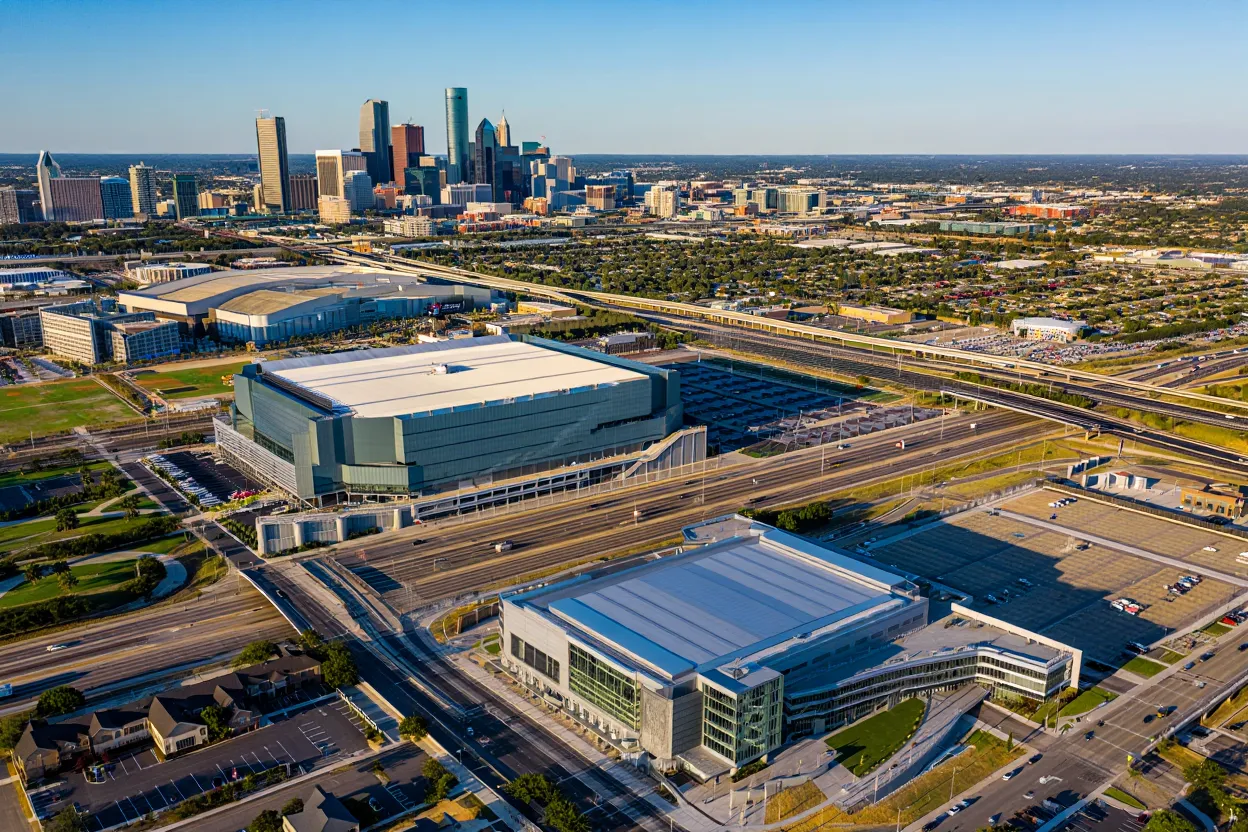
- Dan Friedkin’s Pursuit Sports is negotiating to bring an NHL franchise to either Austin or Houston.
- Potential venues include H-E-B Center at Cedar Park for Austin and a newly renovated Toyota Center for Houston.
- Both cities offer existing multi-use arenas, but a new venue or major modifications could be required for NHL standards.
Texas Joins the NHL Expansion Race
Dan Friedkin, through his firm Pursuit Sports, is in advanced discussions with the NHL to launch an expansion team in Texas, per The Real Deal. The franchise could land in either Austin or Houston, marking a significant push to extend the league’s presence in the state beyond the Dallas Stars. Texas’s only current NHL team, the Stars, is preparing to relocate from downtown Dallas to Plano, suggesting an appetite for hockey growth in new Texas metros.
Friedkin has a global portfolio in sports, holding interests in soccer clubs like AS Roma and Everton. This track record sets the stage for an NHL bid that could leverage both market enthusiasm and operational savvy if a deal takes shape.
Get Smarter About What Matters in Texas
Subscribe to our free newsletter covering the biggest commercial real estate stories across Texas — delivered in just 5 minutes.
Precedents in the Market
While Dallas set the state’s hockey precedent, both Austin and Houston have histories with professional sports teams and multi-use facilities. The H-E-B Center at Cedar Park, best known as home to the AHL’s Texas Stars and the G-League’s Austin Spurs, stands out as a plug-and-play arena in the Austin metro. Houston, meanwhile, boasts legacy venues like the Toyota Center, which is undergoing a significant renovation, and NRG Park, known for accommodating the NFL’s Texans, major concerts, and events like the Houston Rodeo.
Past expansions provide a template: Q2 Stadium opened in Austin in 2021 for soccer’s Austin FC, thanks to a $260M public-private partnership led by Gensler and Austin Commercial. This increases the feasibility of building or adapting facilities for NHL needs—if not leveraging existing sites, like in Dallas, where the Mavericks and Stars share the city-owned American Airlines Center.
The Details
For Austin, the strongest candidate is the 8,700-seat H-E-B Center, which already supports pro hockey operations. However, NHL minimum capacity often targets the 15-20,000 seat range, suggesting that expansion or a new purpose-built facility may be needed. The recent Q2 Stadium project, for example, delivered 20,500 seats for Austin’s MLS club, highlighting the city’s capability for ground-up stadium development.
Houston’s lead options start with the Toyota Center, home to the NBA’s Rockets. The venue is slated for a major overhaul to finish by late 2027, which aligns with a potential NHL launch. NRG Park, while massive (over 70,000 seats), is oversized for typical NHL demand but remains a fallback for special events or a temporary home during construction or retrofit phases.
Multi-Use Venue Model Gaining Traction
Shared-arena models like Dallas’s American Airlines Center have set the bar for NBA-NHL co-tenancy, maximizing urban arena utilization and keeping both franchises centrally located. The Toyota Center in Houston could mirror this, especially if Friedkin can cut a similar deal with the Rockets’ ownership or city officials. It’s also worth noting that Houston has a longer history of supporting large-scale sports franchises and event production than Austin, which only entered major league sports with Austin FC’s arrival in 2021.
If the NHL’s goal is to penetrate a large media market with proven sports appetite and facility options, Houston aligns well. Yet, Austin offers a fast-growing, younger population and state capital cachet, making both sites compelling for league and investor interests.
Why It Matters
A second NHL franchise would expand hockey’s reach in Texas, targeting two of the state’s fastest-growing metros. Texas’s population topped 30M in 2023, per US Census Bureau data, with both Austin and Houston ranking among the top five US cities for absolute growth. As the Dallas Stars move to Plano, the broader metro-based approach reflects a growing recognition of suburban and Sun Belt dynamism in professional sports siting.
From a CRE perspective, new sports franchises serve as anchors for adjacent mixed-use and retail development, boost hotel demand, and enhance property values. For example, Atlanta and Nashville have each leveraged major-league venues to revitalize downtown districts, a playbook that Austin and Houston could follow. Recent projects across the US also show how stadium districts increasingly anchor broader downtown redevelopment, extending benefits beyond game days. Q2 Stadium’s arrival in North Austin spurred new apartments, restaurants, and offices, signaling similar secondary impacts if NHL expansion materializes.
The facility question—renovate, repurpose, or build new—looms large for investors and operators. The scale of urban sports projects, especially in high-growth Sun Belt metros, has only increased as cities compete for fan engagement and hospitality dollars. Gensler’s $260M Q2 project demonstrates Austin’s ability to deliver, while Houston’s deep bench of event venue experience may shorten time to market for a new franchise.
What’s Next
Pursuit Sports’ negotiations with the NHL will determine not just which city lands the franchise, but also the venue model—adaptive reuse, shared tenancy, or ground-up stadium development. Key decisions hinge on feasibility studies, partnership agreements (with city governments and current arena owners), and projected fan demand. The Toyota Center’s renovation timeline and Austin’s willingness to back new construction remain watch-points. If either city is selected, expect detailed public plans for stadium upgrades or new CRE projects to follow, with city officials signaling incentives to win the franchise and the ripple effects for surrounding neighborhoods.