



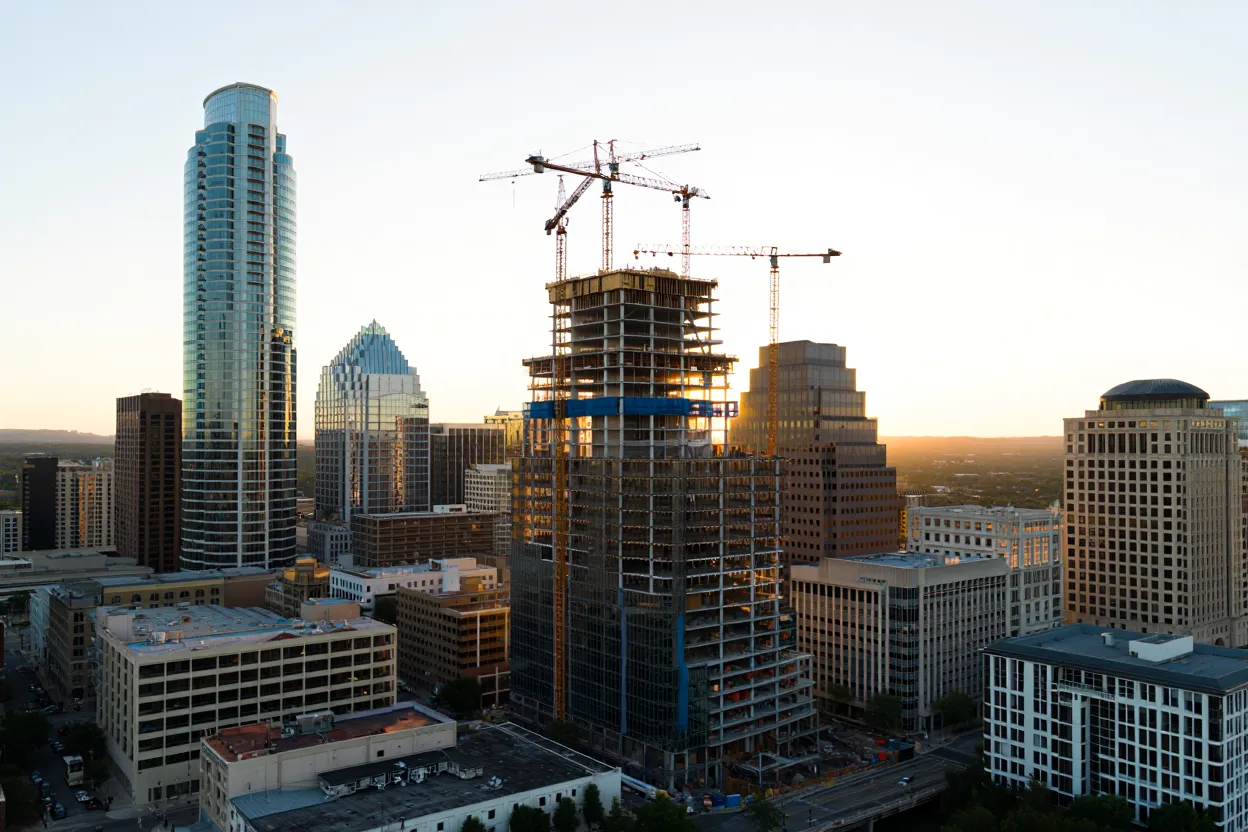

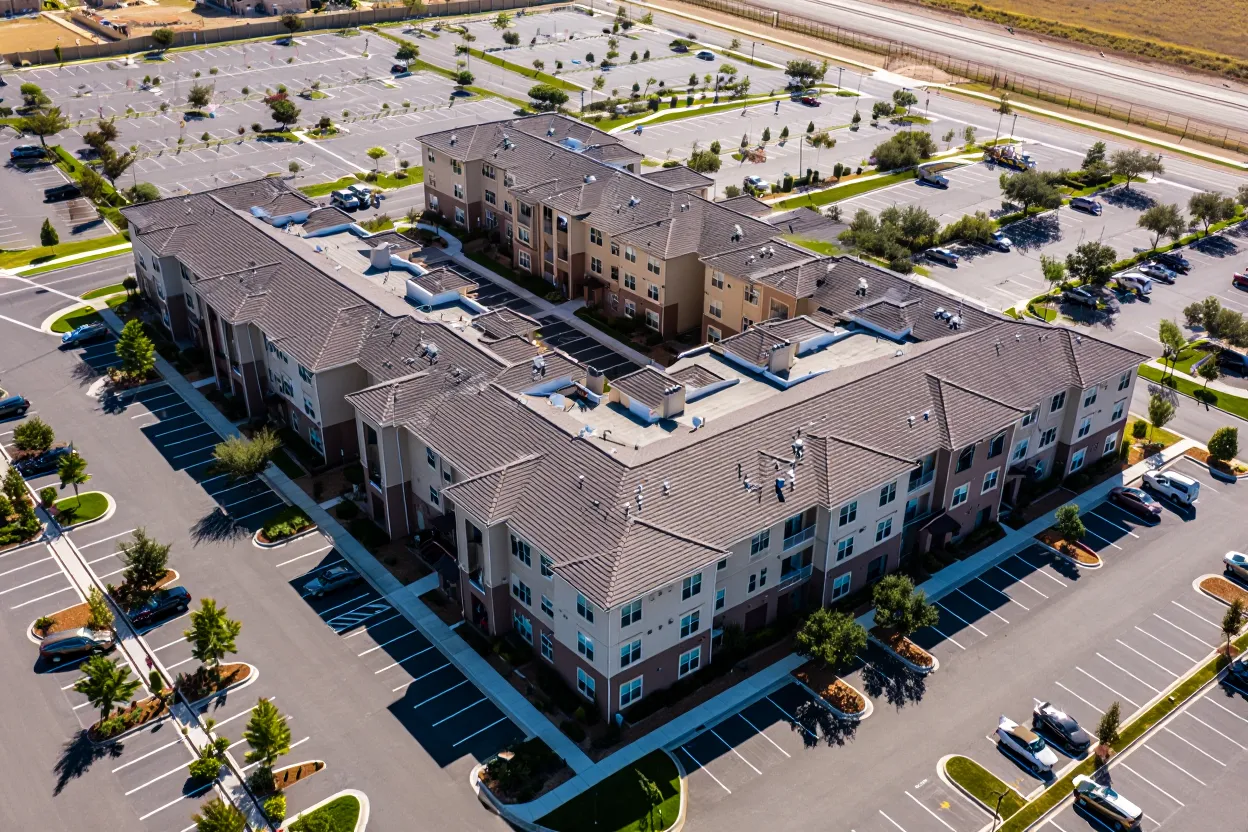
- Texas accounted for 30.8% of multifamily loans transferred to special servicing in the past year, per Morningstar Credit.
- Distress is linked to borrower issues, including bankruptcies and missed paydowns, not just geographic factors.
- Elevated distress may be temporary, but outsized capital inflows to Texas could signal structural CRE risks.
Spike in Texas Multifamily Distress Raises Questions
Globe St reports that Morningstar Credit rarely highlights multifamily when analyzing CMBS risk, but May’s numbers prompted a closer look. According to Morningstar’s June 2026 report, of the 24 multifamily loans moved to special servicing that month, Texas represented 10—more than any other state. Over the last 12 months, Texas properties accounted for 37 of the 120 multifamily loans transferred, making up nearly a third of all recent distress in this asset class. The majority of Texas transfers—29 loans—occurred in just the past six months, signaling an acceleration in local challenges.
Get Smarter About What Matters in Texas
Subscribe to our free newsletter covering the biggest commercial real estate stories across Texas — delivered in just 5 minutes.
Borrower Failures Drive Distress, Not Location Alone
Morningstar’s analysis emphasizes that the Texas distress cluster stems primarily from property sponsors’ financial troubles rather than local real estate fundamentals. At least five loan transfers resulted from a bankruptcy tied to Rao Polavarapu, while another five originated from failing to secure tax exemptions and to pay down loan principal as required. Several troubled assets also faced servicing pressure after disputes tied to tax exemption requirements, showing how administrative and capital challenges can quickly compound loan risk. Meanwhile, S2 Capital found itself at the center of another wave of distress, with seven linked loans tied to capital shortfalls as the company sought to recapitalize its REIT. S2 managed to raise only $30M of its $70M fundraising target, raising the risk of asset sales or further loan issues.
Texas Multifamily vs. National Distress Patterns
While multifamily has generally flown below the radar compared to troubled office and retail portfolios, the recent spike in Texas points to unique local volatility. For example, 13 properties connected to S2 Capital (several outside the state) all consistently underperformed original underwriting by net cash flow—unlike peer deals in the same period. Nationally, multifamily delinquency remains elevated but does not typically shift overall CMBS distress in the way office and retail do, according to Morningstar. Texas’ outsized share of transfers, however, highlights a local outlier—at least for now.
Why It Matters
The surge in distressed Texas multifamily loans comes amid broader conversations about the resilience of the sector, which has benefited from strong rent growth and demographic tailwinds in recent years. Morningstar’s breakdown makes clear that borrower-level weaknesses—like overleveraged balance sheets or failed fundraises—can quickly push otherwise stable properties into trouble, especially in a capital-intensive market. S2 Capital’s experience is instructive: of the 13 multifamily assets it sent to special servicing, none have met underwritten cash flow expectations during any reporting period. This stands in stark contrast to similar loans outside S2 that have performed as modeled, per Morningstar’s analysis.
Industry observers are watching whether this Texas distress is structural—driven by rapid capital inflows and speculative activity—or merely a temporary spike from a small set of sponsors. Either way, the numbers underscore how local market dynamics and sponsor-specific failures can ripple through broader CMBS performance, even in asset classes not typically flagged as high risk.
What’s Next
Market watchers will look for signs whether this Texas multifamily distress wave abates or spreads further. If additional large sponsors face liquidity crunches or loan maturities, other debt-laden assets could follow the same path to special servicing. Alternatively, a correction in capital flows or property valuations could reset the market equilibrium. Morningstar suggests the unusual concentration warrants close monitoring, since continued population growth and investment in Texas may attract both new capital—and new risks—to the state’s multifamily sector.