







- A Dallas suburb is fast-tracking seven data centers, sparking community opposition over quality of life and transparency.
- City officials project $13B in investment could quadruple taxable land value, touting jobs and infrastructure upgrades.
- Broader tension reflects Texas’ larger struggle with hyperscale data growth, resource demands, and new regulatory calls.
Red Oak Transitions From Bedroom Community to Data Center Hub
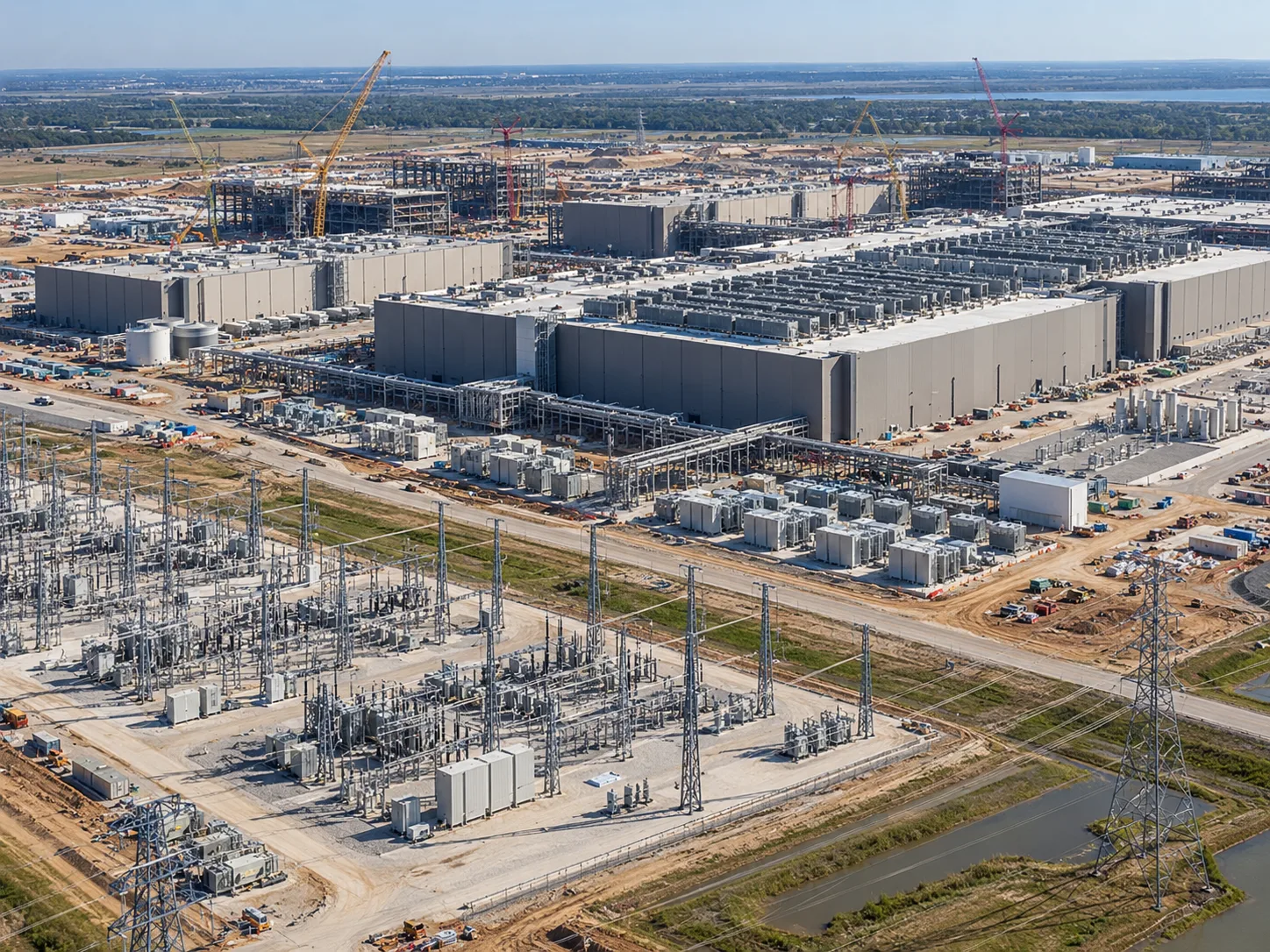
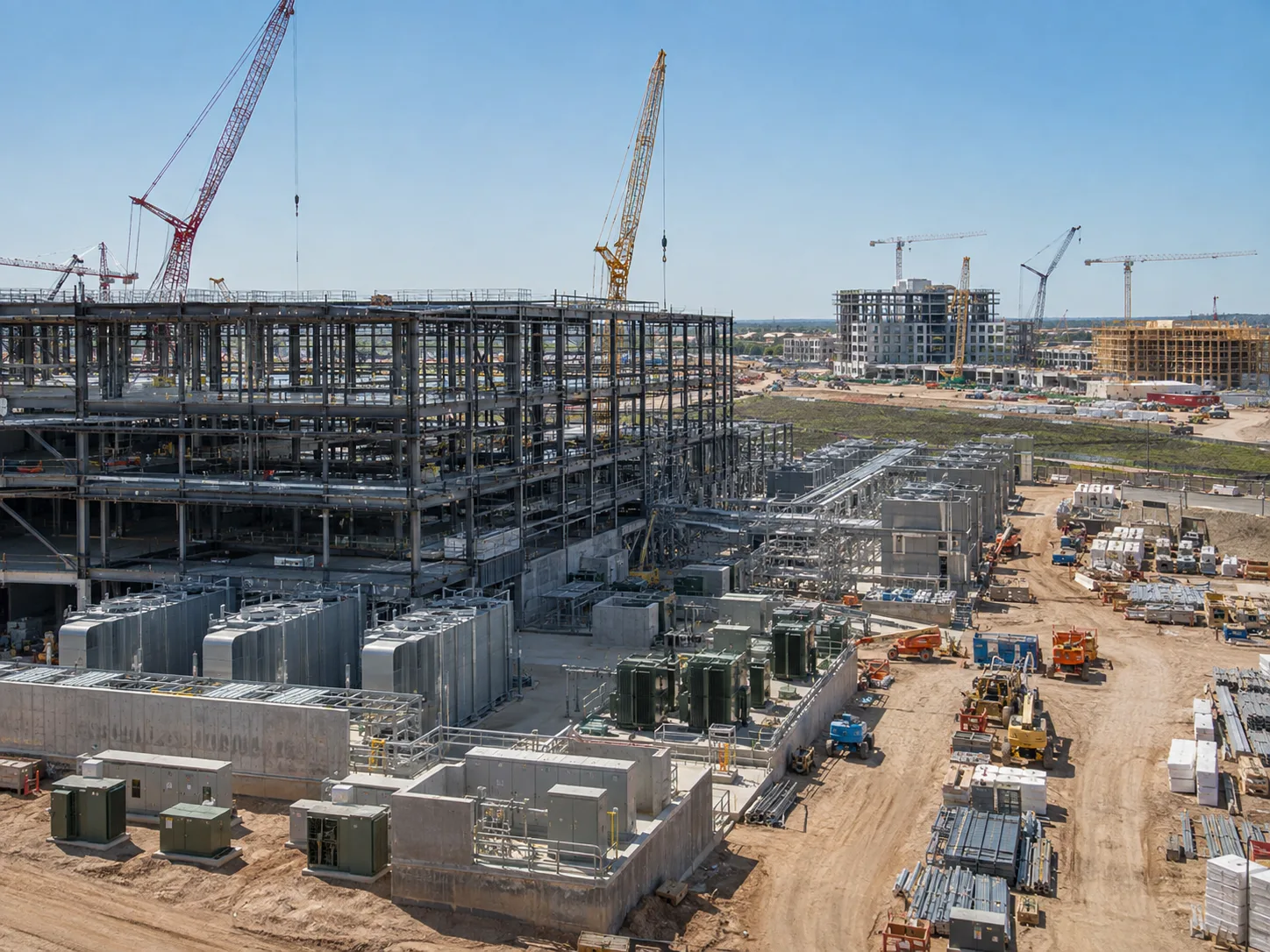
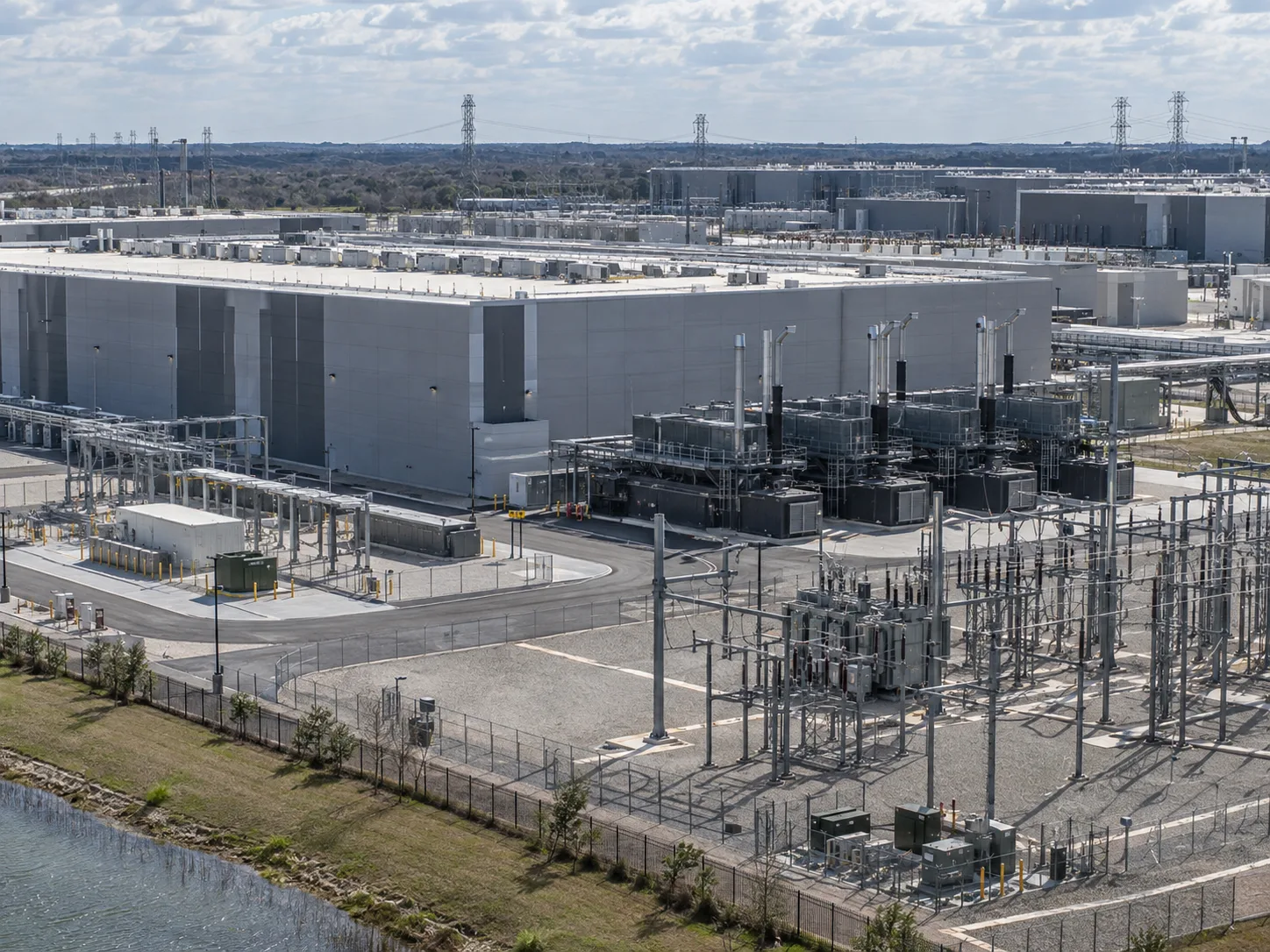
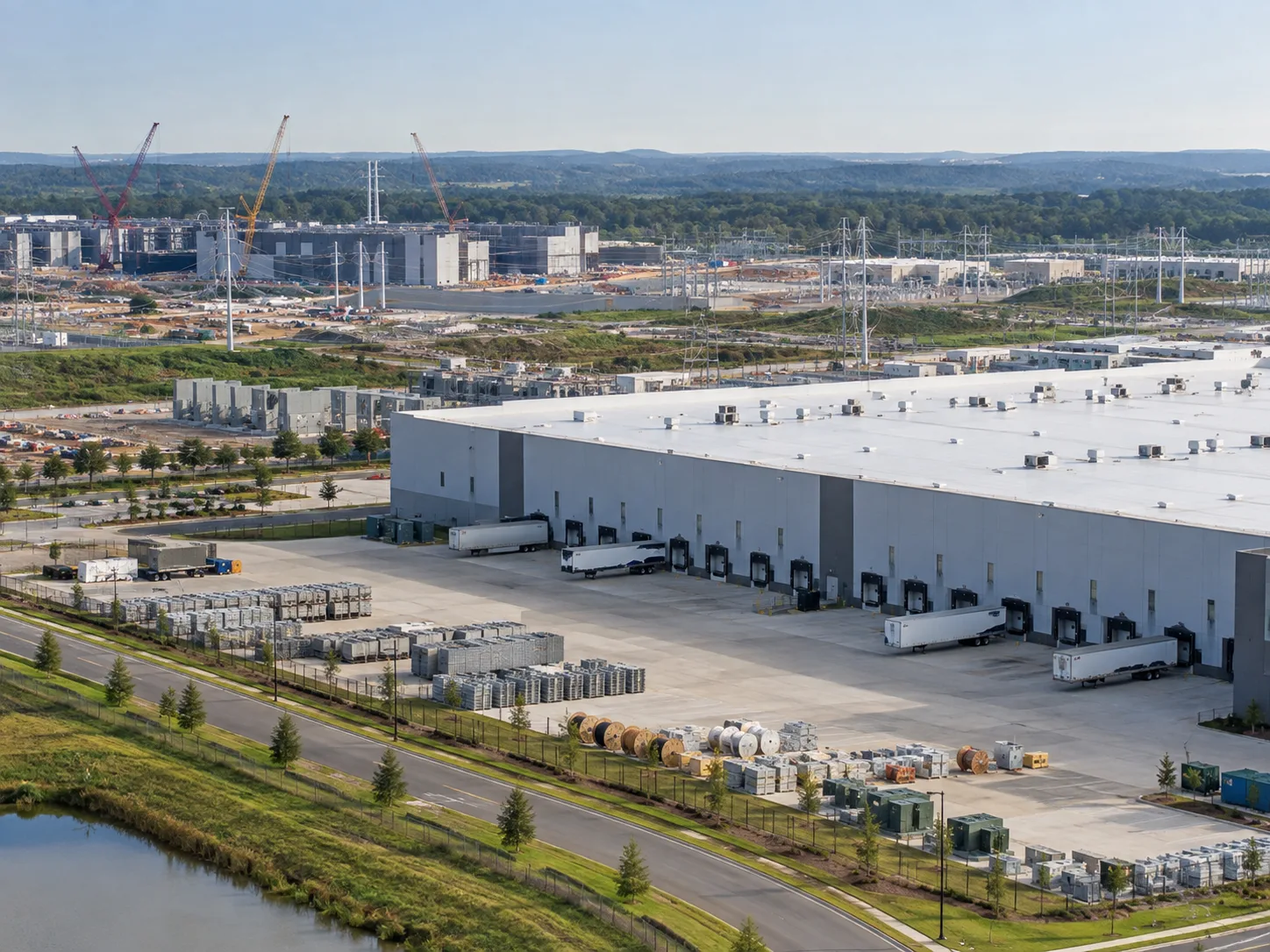
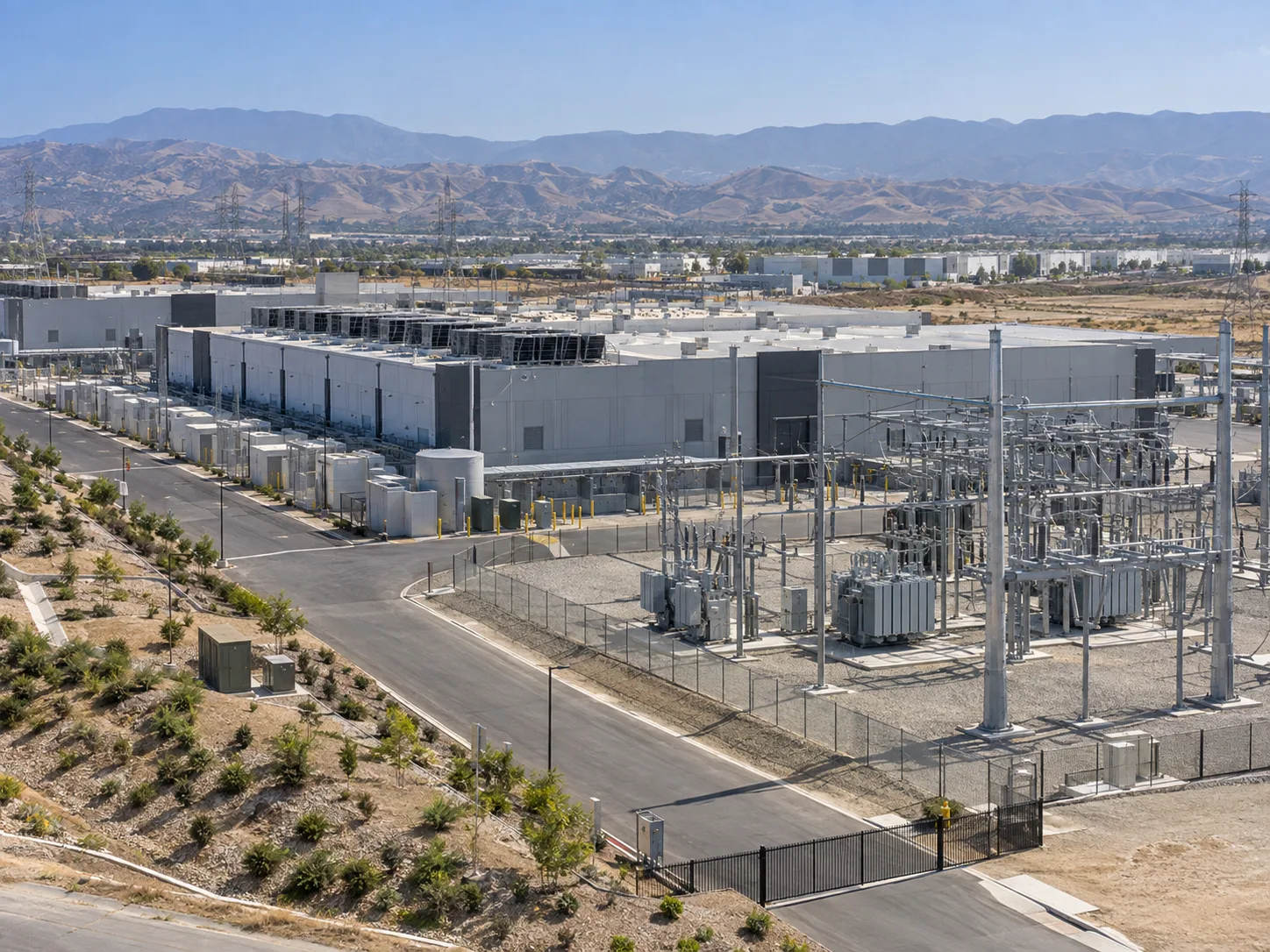
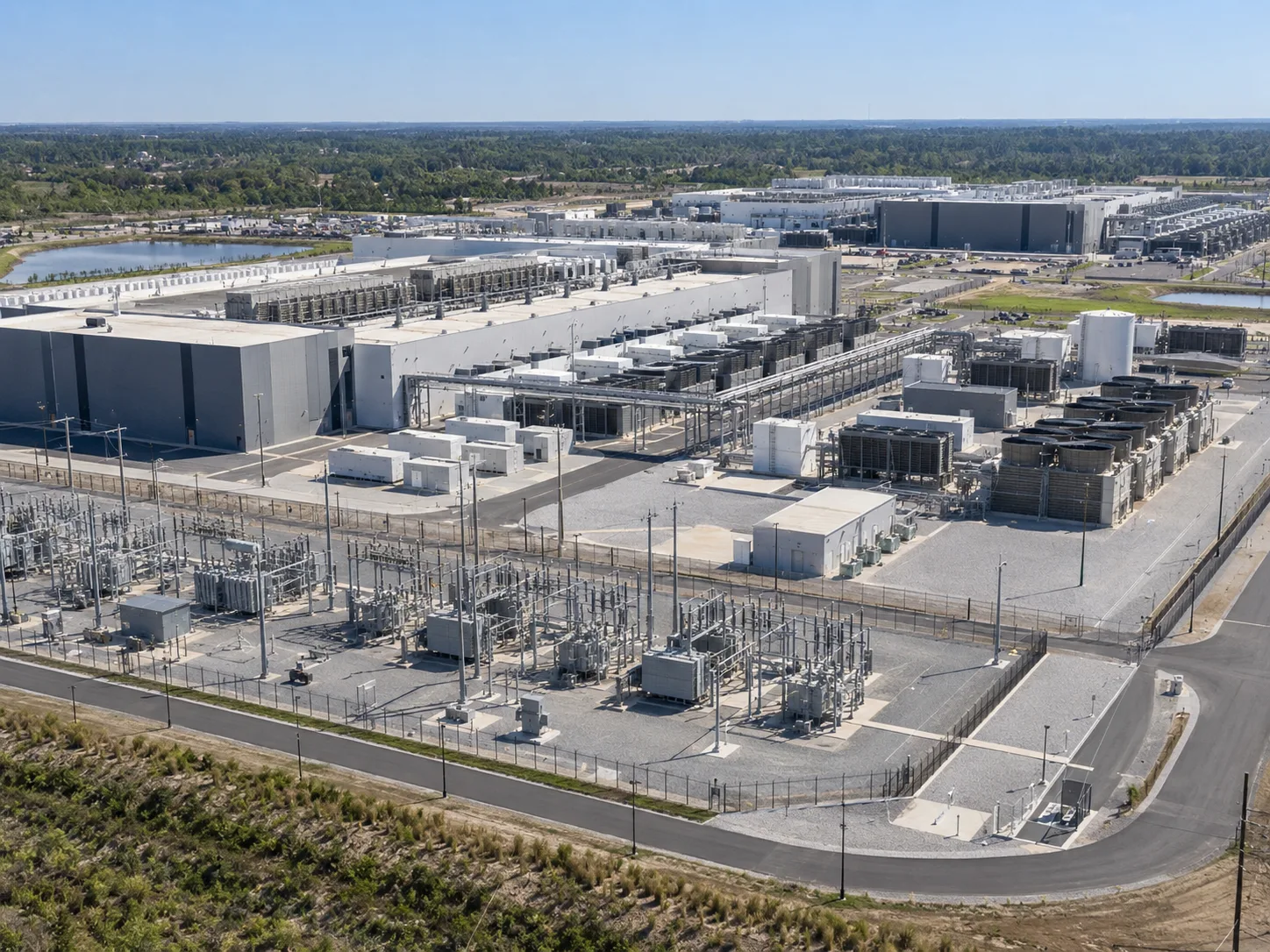
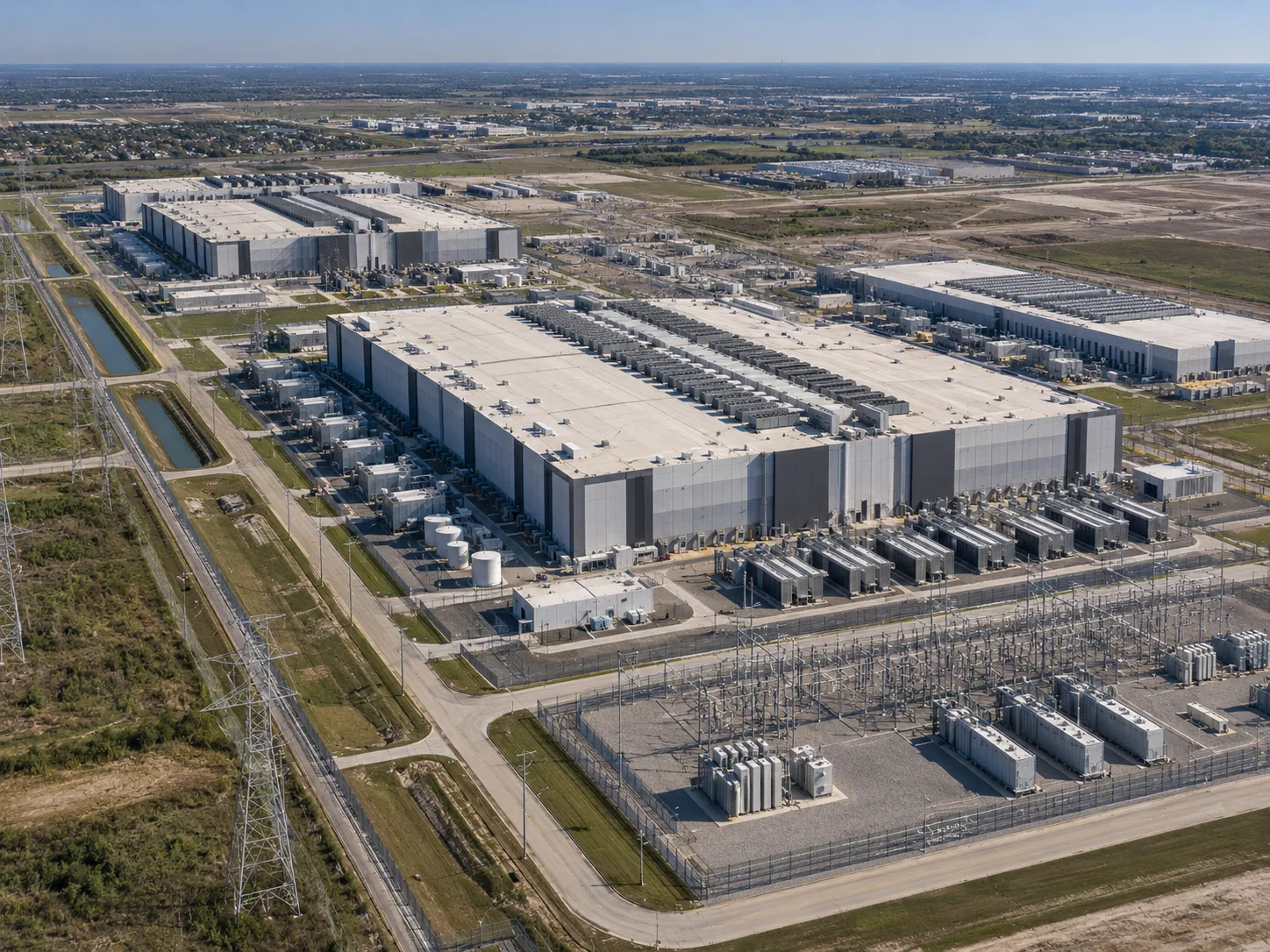
Dallas News reports that Red Oak, a small city 20 miles south of Dallas, is undergoing a rapid transformation. Officials have approved a wave of hyperscale data center projects. Two facilities operate today, one remains under construction, and four more sit in the pipeline. Together, they are reshaping Red Oak’s landscape and local politics.
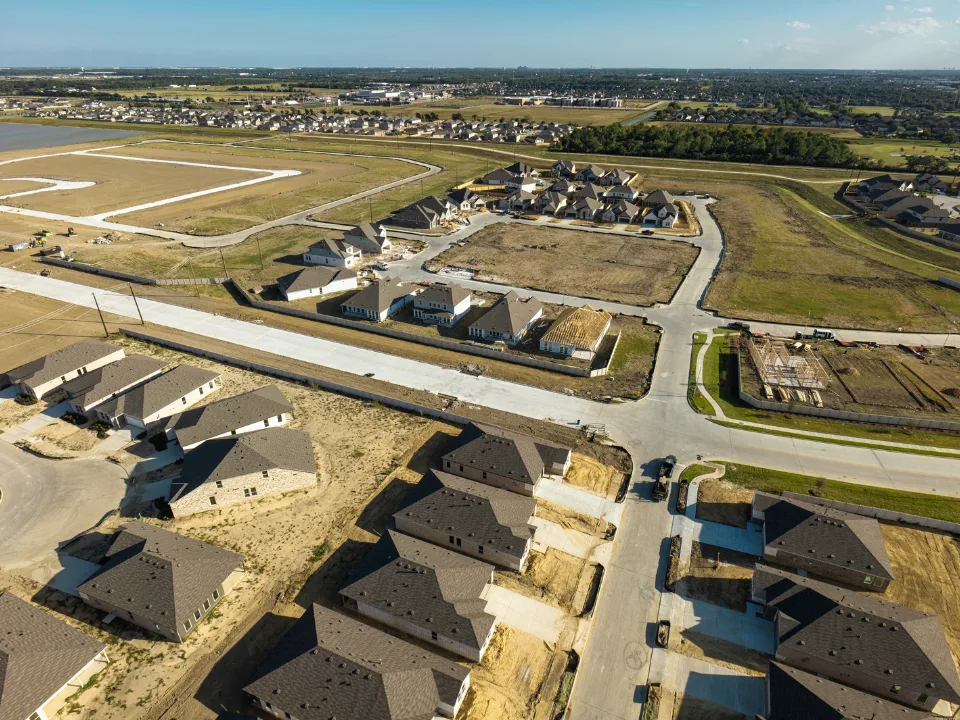
Officials recently rezoned 830 acres of farmland for another data center campus. The decision drew residents to grassroots meetings and public protests. Pew Research Center reports that 67% of planned data centers nationally target rural areas. Red Oak now reflects a broader Texas challenge of balancing economic development with community character and quality of life.
Get Smarter About What Matters in Texas
Subscribe to our free newsletter covering the biggest commercial real estate stories across Texas — delivered in just 5 minutes.
Legacy of Intentional Growth
Red Oak’s population more than doubled to 20,000 between 2018 and 2025. Industrial recruitment and infrastructure improvements helped drive that expansion. Mayor Mark Stanfill says the city intentionally cultivated its position as a regional gateway and business hub.
Years before data centers became contentious, Red Oak partnered with major developers. Google, Compass Datacenters, and DataBank each received similar 10-year tax breaks. DataBank also raised $1.45B to support further data center expansion across the DFW market. Officials expect $13B in data center investment to quadruple the city’s taxable land value. Red Oak also permitted over $1.2B in new industrial, commercial, and residential projects during 2025.
The Details
Red Oak spans only 16 square miles but now hosts seven data center sites at various development stages. The largest recent deal involved rezoning 830 acres for Compass Datacenters. The city council approved the proposal 4-1 in May 2026 after extensive public opposition. Compass plans eight two-story buildings, each containing 200,000 SF of server space.
Google, Compass, and DataBank lead the local buildout, with each receiving long-term tax abatements. Officials say these projects created thousands of construction jobs and dozens of high-paying technical positions. The latest abatement-backed campus represents a $9.45B investment. Officials expect it to add $405M to the tax base during abatements. Still, city hall meetings have drawn more than 130 opponents.
Texas Data Center Expansion Spurs Local Tensions
Data centers have long formed part of Dallas’ office and industrial landscape. However, Texas’ hyperscale expansion has brought greater scrutiny. Texas ranks second behind Virginia for total data centers. Cheap land, lower power costs, and business-friendly policies continue attracting developers. The Dallas-Fort Worth region has become a national magnet for new campuses.
However, large industrial footprints and heavy resource requirements have fueled public resistance. Red Oak residents cite noise, light pollution, water contamination risks, traffic, and concerns about property values. Hill County and Fort Worth have considered moratoriums or tighter regulations. Pew estimates that 38% of Americans now live within 5 miles of a data center.
Why It Matters
Red Oak captures a larger debate facing fast-growing Texas communities. Municipalities want new tax revenue and jobs from hyperscale technology infrastructure. However, residents increasingly question the environmental, lifestyle, and transparency costs. Stanfill argues that additional revenue could eventually lower residential tax rates and support infrastructure improvements.
Organized resistance also creates greater costs and reputational risks for developers. Residents have pursued legal representation, public campaigns, and FOIA-driven oversight. Companies have responded with school grants and facility donations, but environmental concerns remain. Water use, pollution, and disappearing rural character continue driving opposition.
Critics also warn about overbuilding if AI-driven demand weakens. For CRE stakeholders, Red Oak provides an important signal. Even rural data center projects increasingly require stronger community engagement, regulatory planning, and detailed risk assessments.
What’s Next
Despite protests and legal challenges, Red Oak’s data center pipeline shows little sign of slowing. City leaders continue pursuing business recruitment and additional development. Officials cite tax revenue and job creation when defending rezoning decisions and incentives.
Meanwhile, Texas lawmakers and nearby municipalities are considering tougher rules. Officials have discussed moratoriums, stricter regulations, and state-level inquiries. Developers must now navigate greater regulatory scrutiny and increasingly organized community opposition.
Red Oak’s struggle between growth and preservation could influence similar communities statewide. Its experience may shape how future hyperscale developments secure local support.