


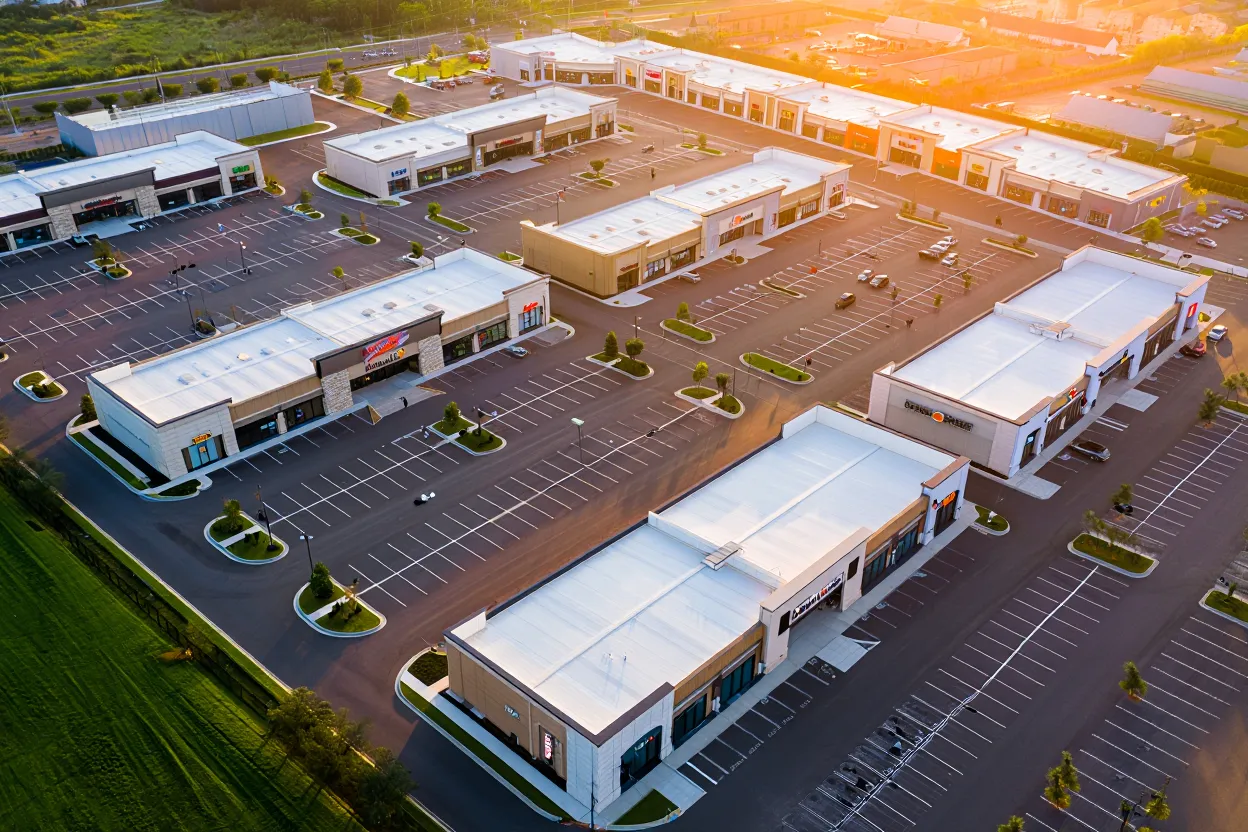

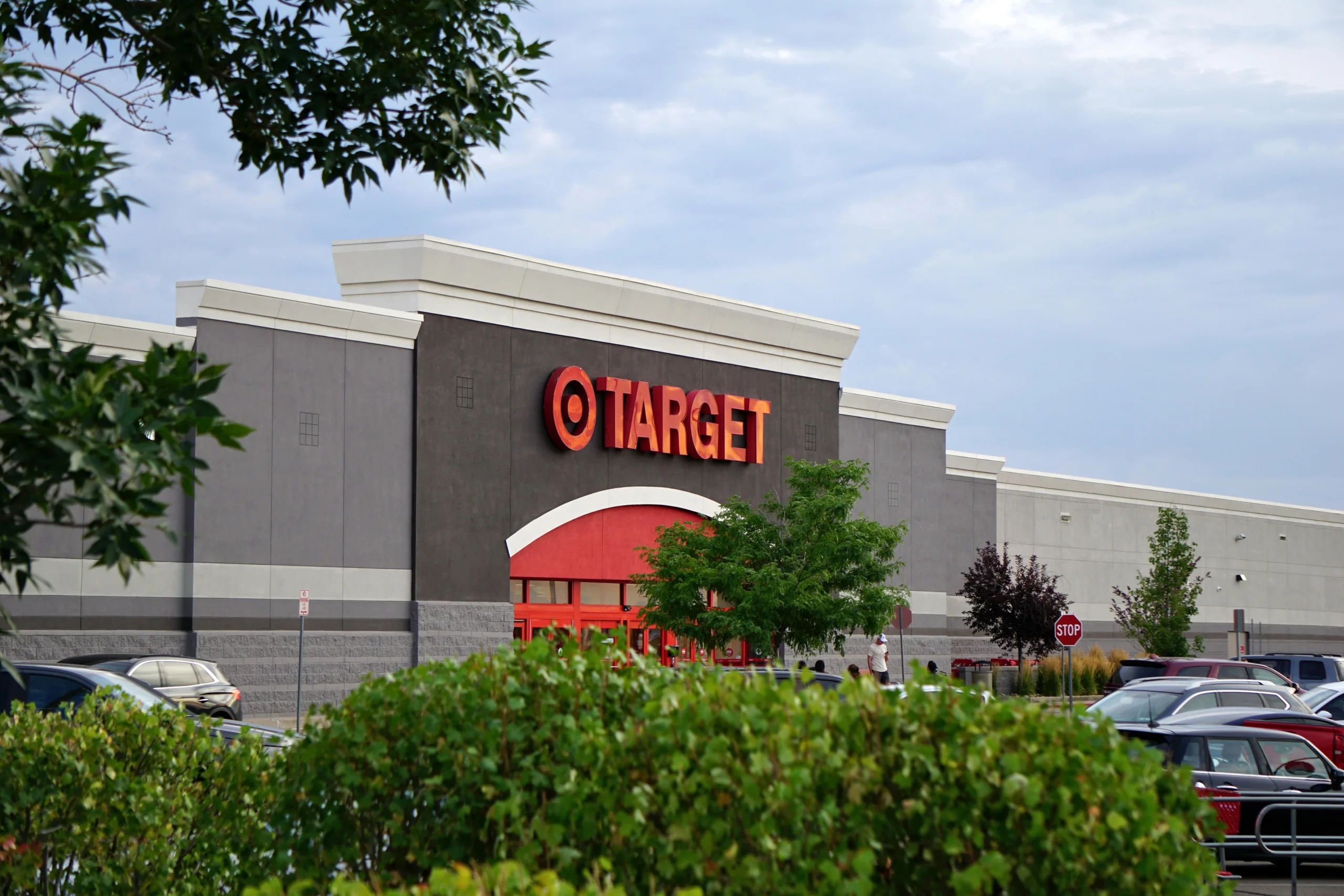
- Target opened its largest food distribution center nationwide in Thornton, Denver, as part of its expanding supply chain investment.
- The 529K SF facility, valued at $367M, adds consolidation capabilities and will support 130 stores across 11 states.
- The move reflects broader trends in the US cold storage market, which faced a 20-year high in vacancy at the end of 2025.
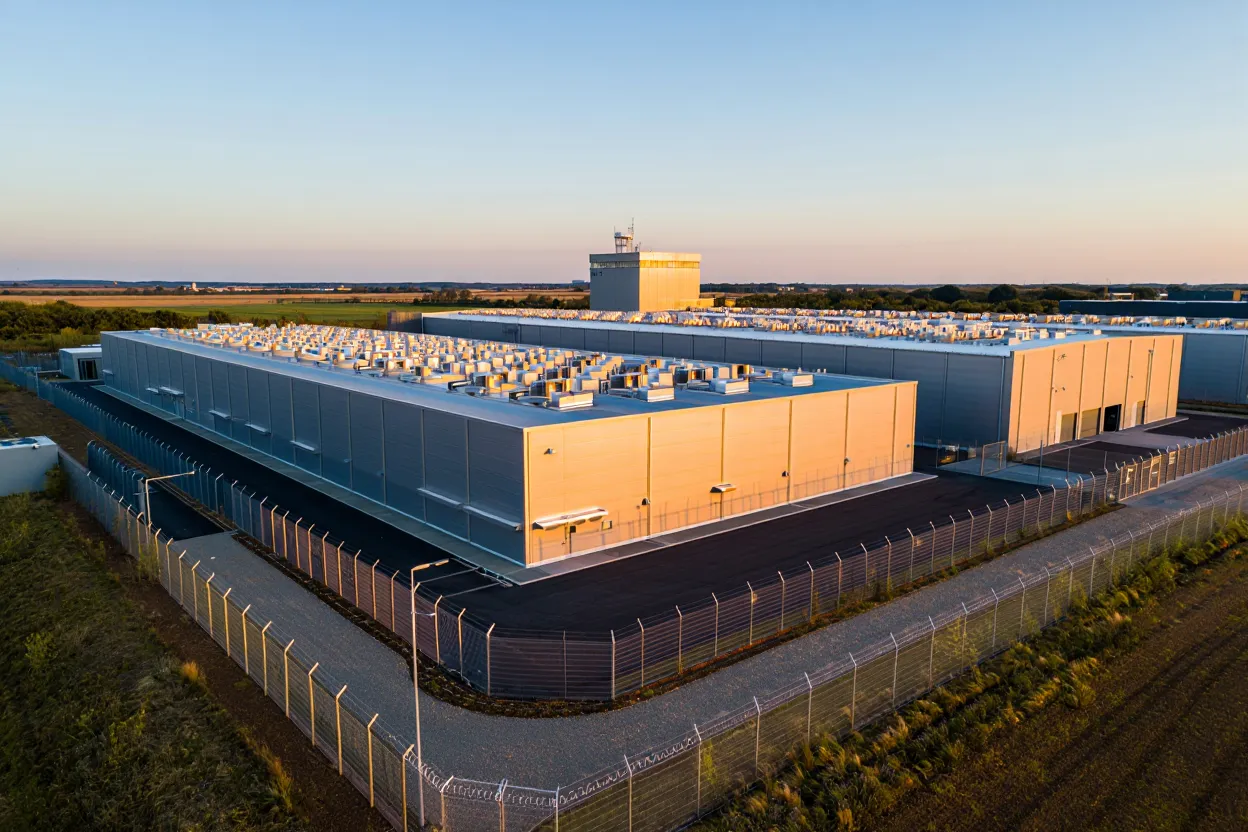
Target has launched its most ambitious food distribution center to date, putting its newest—and largest—facility into operation in Thornton, a northern Denver suburb, per Bisnow. The $367M complex marks a key investment in the retailer’s strategy to boost its food and beverage business while responding to shifting market demands.
Cold Storage Market Faces New Pressures
The project comes as the US cold storage sector navigates a period of record supply and rising vacancy. According to a Newmark report, cold storage vacancy reached a two-decade high at the end of 2025, as deliveries outpaced demand—even with 3.5M SF of net absorption. Against this backdrop, retailers like Target are rethinking supply chains to control costs and meet tighter margins as consumer habits and inventory levels fluctuate.
Get Smarter about what matters in CRE
Stay ahead of trends in commercial real estate with CRE Daily – the free newsletter delivering everything you need to start your day in just 5-minutes
The Details
The new Thornton center is Target’s ninth dedicated food facility and the first with consolidation capabilities, aiming to streamline transportation, reduce costs, and shave one to two days off the supply chain. It sits on a 96-acre site at 15450 Washington St., totaling 529K SF, and will employ 383 people. The center services nearly 130 stores across 11 states including Colorado, Nebraska, New Mexico, and Utah. Target acquired the property for $231M in 2025 and invested a further $367M into facility upgrades.
Retail Distribution Trends in Denver and Beyond
This opening follows Target’s earlier moves in Colorado, including a 142K SF sortation facility in north Denver. Target’s food and beverage revenues have added $9B since 2019, and grew 6% year-over-year in the latest quarter, even as net sales slipped 6.7%. The chain’s local expansion will continue, with two new Colorado stores planned for 2027 and ongoing investment in the Denver industrial corridor, underscoring the region’s role as a logistics hub.
Why It Matters
The Thornton facility positions Target to compete aggressively in the fresh and grocery segment, where lead-time and supply chain reliability are increasingly critical. As cold storage fundamentals fluctuate, national retailers are doubling down on new logistics infrastructure to stay ahead—an approach likely to shape industrial demand even as vacancy lingers above historic norms.
What’s Next
Target’s local footprint will expand with new stores in Firestone and Denver’s Green Valley Ranch neighborhood. Analysts will be watching how the company’s supply chain investments ripple across store performance, as cold storage operators and investors recalibrate strategies in a market still absorbing new capacity.