



- Self-storage deliveries are projected to decline 19.6% year over year in 2026, according to Trepp.
- New supply from 2026 through 2030 is expected to average 1.9% of inventory annually, down from 3.9% between 2020 and 2025.
- Extra Space Storage posted stronger same-store revenue and NOI, while Public Storage and CubeSmart reported mixed operating results.
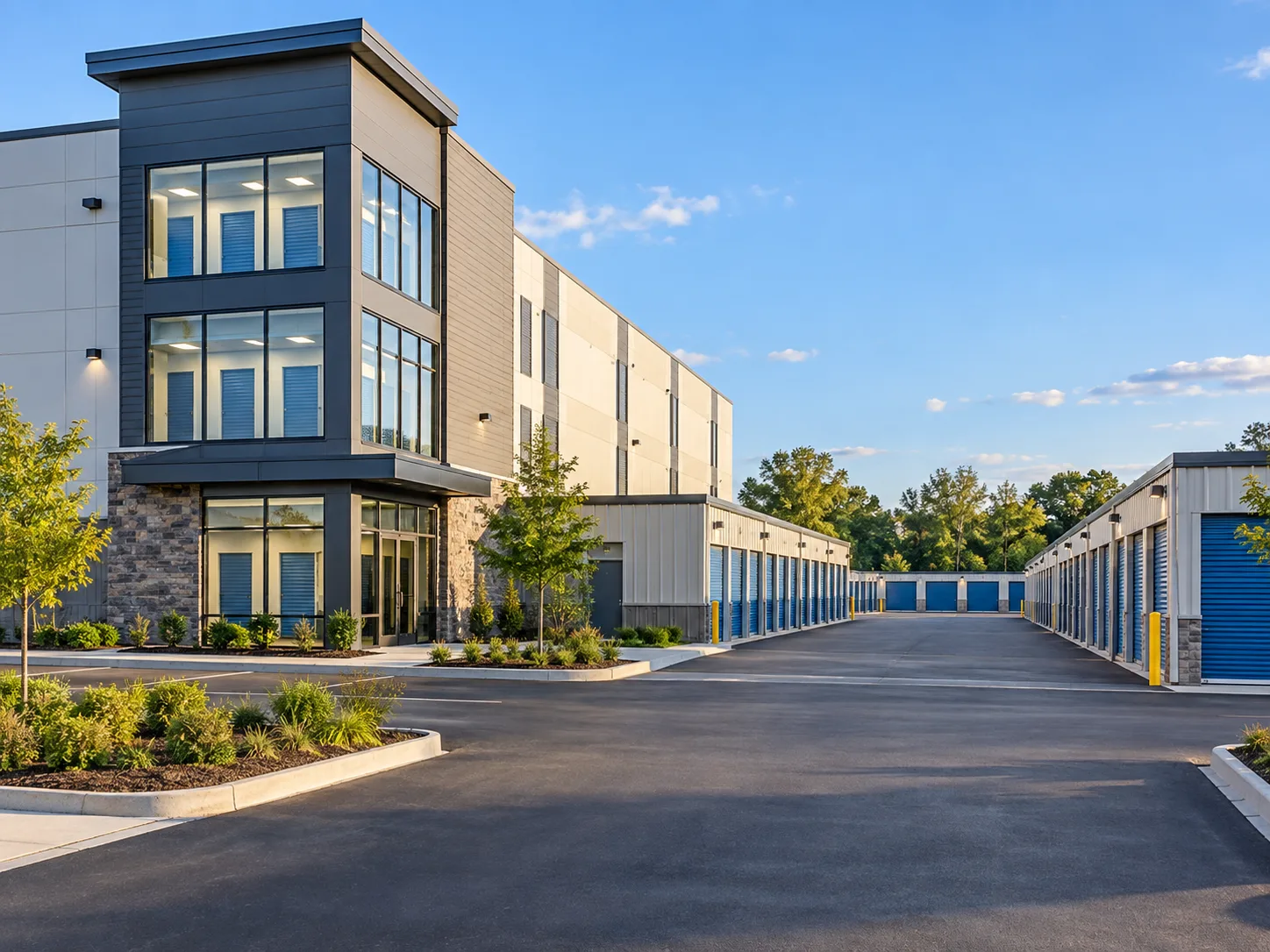
GlobeSt.com reports that self-storage development is slowing across the US as the sector starts working through pandemic-era oversupply. Trepp’s second-quarter report projects deliveries will decline 19.6% year over year in 2026. From 2026 through 2030, annual deliveries are expected to average 1.9% of existing inventory, less than half the 3.9% average from 2020 through 2025.
Get Smarter about what matters in CRE
Stay ahead of trends in commercial real estate with CRE Daily – the free newsletter delivering everything you need to start your day in just 5-minutes
Pandemic-Era Supply Begins to Recede
Trepp described the lower development pace as an early sign of recovery from oversupply. Its REIT IQ platform found that unit deliveries declined in nearly every metro it examined. Some Sun Belt markets still face excess inventory, but the national pipeline is expected to contract materially through the end of the decade.
The buildup was substantial. The US had about 1.84B SF of self-storage space in 2019. Inventory grew 3.9% that year, then 3.3% in 2020 and 3.2% in 2021. Annual growth stayed above 3% in later years, and roughly 57.3M SF was completed in 2025.
The Details
Trepp linked much of the development wave to pandemic-era migration. Households moving from higher-cost gateway markets to lower-cost Sun Belt markets supported new storage demand. More time at home and increased consumer purchases also contributed.
Developers followed that movement with new facilities, leaving some destination markets with too much supply. The projected pullback in new supply could help operators work through pandemic-era excess inventory. The slower pipeline is therefore central to the sector’s recovery case.
Operator Results Remain Mixed
Recent public-company results show improvement, but not a uniform rebound. Extra Space Storage reported second-quarter same-store revenue growth of 2.4% and same-store NOI growth of 3.5%. Quarter-end occupancy was 94.2%, slightly below 94.4% a year earlier.
Public Storage posted average occupancy of 92.5%, up from 92.3%, while same-store NOI fell 2.2%. CubeSmart reported a 0.8% same-store revenue increase and 90.4% average occupancy. However, a 4.4% increase in operating expenses contributed to a 0.7% decline in same-store NOI.
Why It Matters
Self-storage fundamentals are entering a different supply environment after several years of elevated additions. A lower delivery rate reduces the amount of new space operators must lease while existing properties compete for demand. That shift can improve occupancy and pricing conditions if demand holds.
The REIT results also show why the recovery may be uneven. Revenue and occupancy measures are stabilizing at several large operators, but NOI remains under pressure at others because of expenses or weaker property-level performance.
What’s Next
The most important change is the development pipeline. Trepp expects annual deliveries from 2026 through 2030 to average only 1.9% of inventory. If that forecast holds, fewer completions should give oversupplied markets more time to absorb existing space. Sun Belt metros with heavier inventories may take longer to normalize than the national average.