







- Twelve state attorneys general have sued to block Paramount’s $111B acquisition of Warner Bros. Discovery due to antitrust concerns.
- The legal challenge freezes $30B in planned spending and affects nearly 100M SF of global studio and office real estate.
- The outcome could reshape investment decisions, studio real estate use, and industry competition well beyond California.
Attorneys General Draw a Legal Line
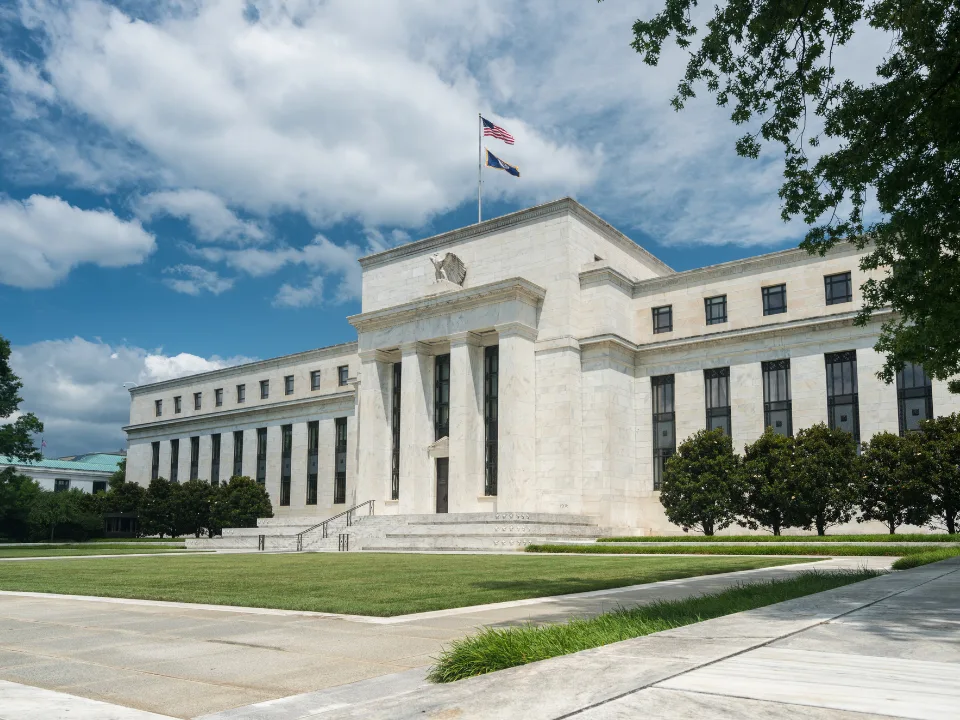
Twelve attorneys general joined forces this week to block Paramount’s $111B merger with Warner Bros. Discovery, according to Bisnow. Their lawsuit, filed in federal court, alleges the combination would violate antitrust statutes by creating an entertainment giant able to squeeze competitors, distributors, and ultimately US consumers. The coalition—led by California’s AG Rob Bonta and joined by New York, New Jersey, and nine other states—contends the union would drive up prices, degrade content quality, and shrink distribution options across film and TV.
This elevated legal scrutiny arrives as the entertainment landscape undergoes its most transformative phase in decades, with legacy players racing to consolidate against big tech and streaming-first competitors. The attorneys general argue that ceding further ground to consolidation would hurt not only audiences, but also movie theaters, local distributors, and the broader CRE underpinning the industry.
Get Smarter about what matters in CRE
Stay ahead of trends in commercial real estate with CRE Daily – the free newsletter delivering everything you need to start your day in just 5-minutes
The Details
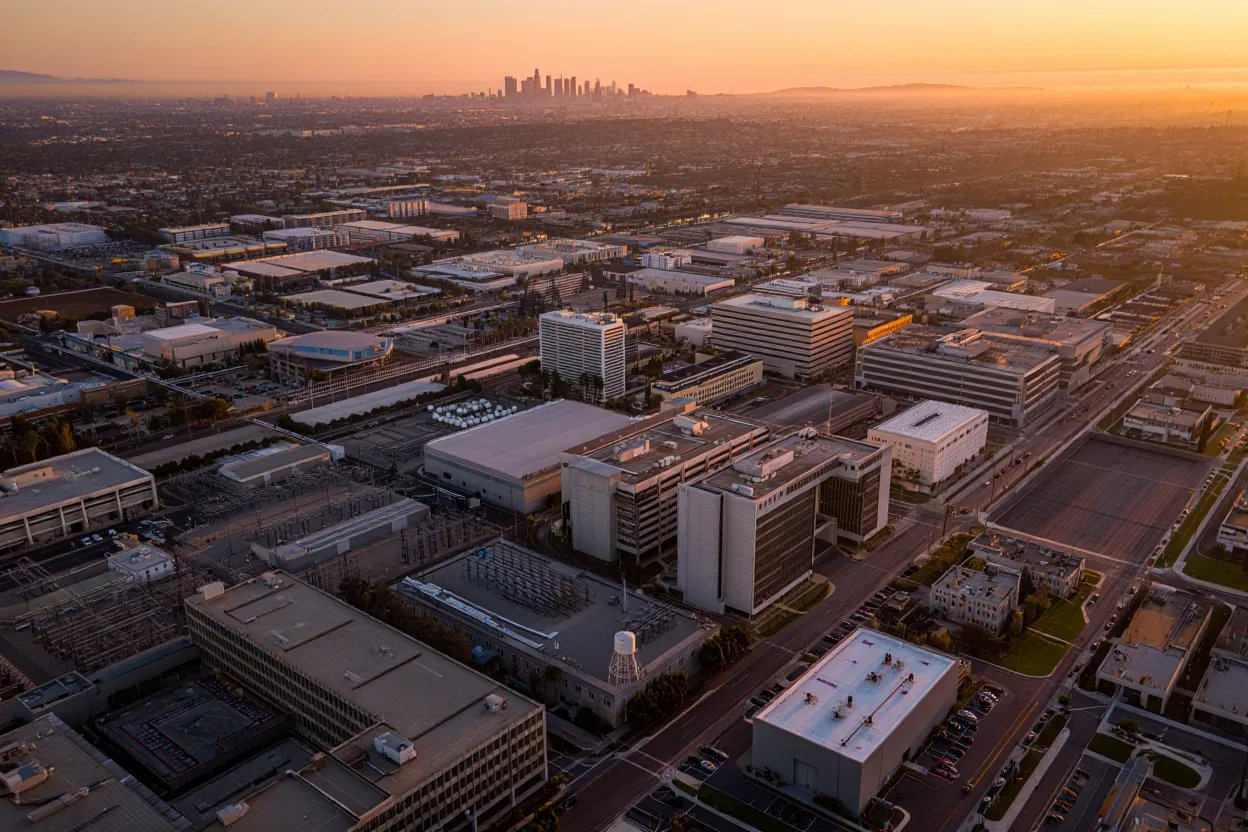
The lawsuit halts a deal that could see Paramount reallocate up to $30B in planned spending—much of it now at risk of leaving California, per Bisnow. The implications reach deep into the real estate arena: nearly 100M SF of studio, office, and industrial space worldwide would come under combined control. Warner Bros. alone owns a 2.6M SF Burbank studio lot, another nearby television campus singled out as the 2028 Olympics production hub, and a 1.3M SF UK complex with 350K SF of soundstages and extensive back lot. Their LA footprint, including office and industrial space, nears 3M SF. Paramount’s CEO Larry Ellison is reportedly weighing HQ relocation and new allocation routes amid the regulatory overhang.
CRE and Hollywood in the Crosshairs
This antitrust wall comes as major Hollywood studios shift their strategies around real estate, headcount, and capital deployment in a streaming-dominated era. While regulators from 24 other jurisdictions have reportedly greenlit the merger, US officials—especially from states with significant entertainment infrastructure—have taken a tougher stance. The result: billions in investment and the fate of prize studio campuses hang in the balance, as parties await legal resolution. Notably, Warner Bros.’ Burbank facilities are unique assets: the main campus totals 31 soundstages, 11 sets, and 110 acres, making them among the region’s most strategic studio properties.
Why It Matters
The battle over this merger is a high-stakes proxy for the future landscape of both entertainment and commercial real estate. According to a 2025 CBRE report, Southern California maintains over 15M SF of purpose-built soundstage space, with industry demand clustering around irreplaceable legacy campuses like those owned by Warner Bros. and Paramount. If the merger proceeds or falls through, it will send a strong market signal about consolidation limits and the risks facing CRE assets tied to volatile content production cycles. Warehoused investment and operational shake-ups also mean pipeline delays for everything from soundstage upgrades to ancillary development.
The stakes also ripple far beyond property lines. The attorneys general warn of shrinking job opportunities, a core concern after recent industry layoffs and strikes. Interest in marquee studio assets has already extended beyond media buyers to major office landlords and investors. Meanwhile, Paramount asserts that regulatory delay deepens industry pain, fueling uncertainty for workers and cities tied to film production. With content providers under immense pressure to compete with tech-driven platforms like Netflix and Amazon, market watchers see this legal standoff as a major test of how much consolidation federal and state officials will tolerate.
What’s Next
The legal timeline remains in flux. Attorneys general have asked Warner Bros. and Paramount not to close before judicial review, or face a motion for a temporary restraining order. As the courts weigh in, Paramount’s $30B investment, potential HQ move, and global facilities strategy all hang in limbo. Beyond the courtroom, landlords, developers, and municipal partners connected to nearly 100M SF of studio and office space will be tracking the outcome closely, with implications for Southern California’s CRE pipeline and the future shape of Hollywood itself.