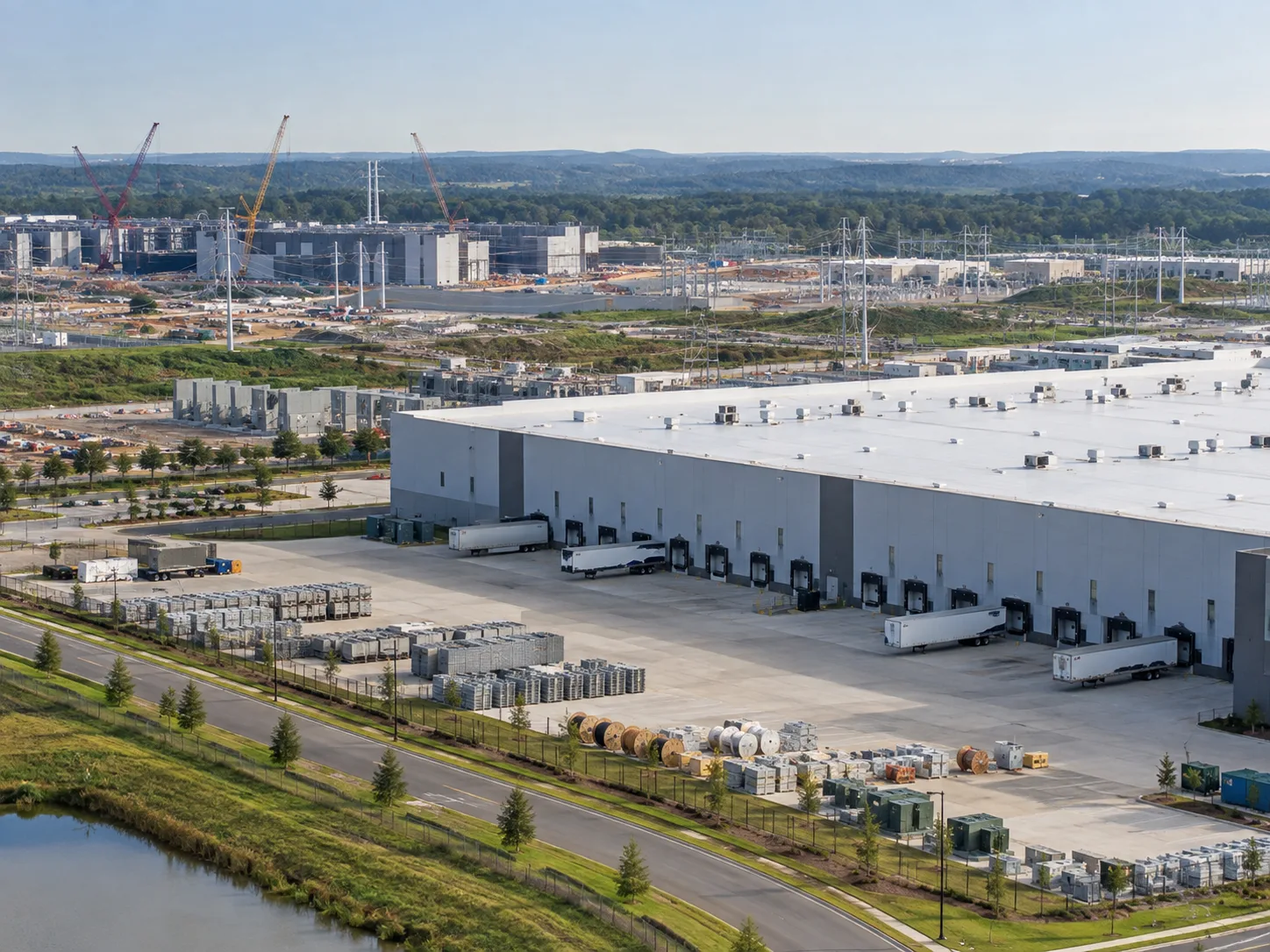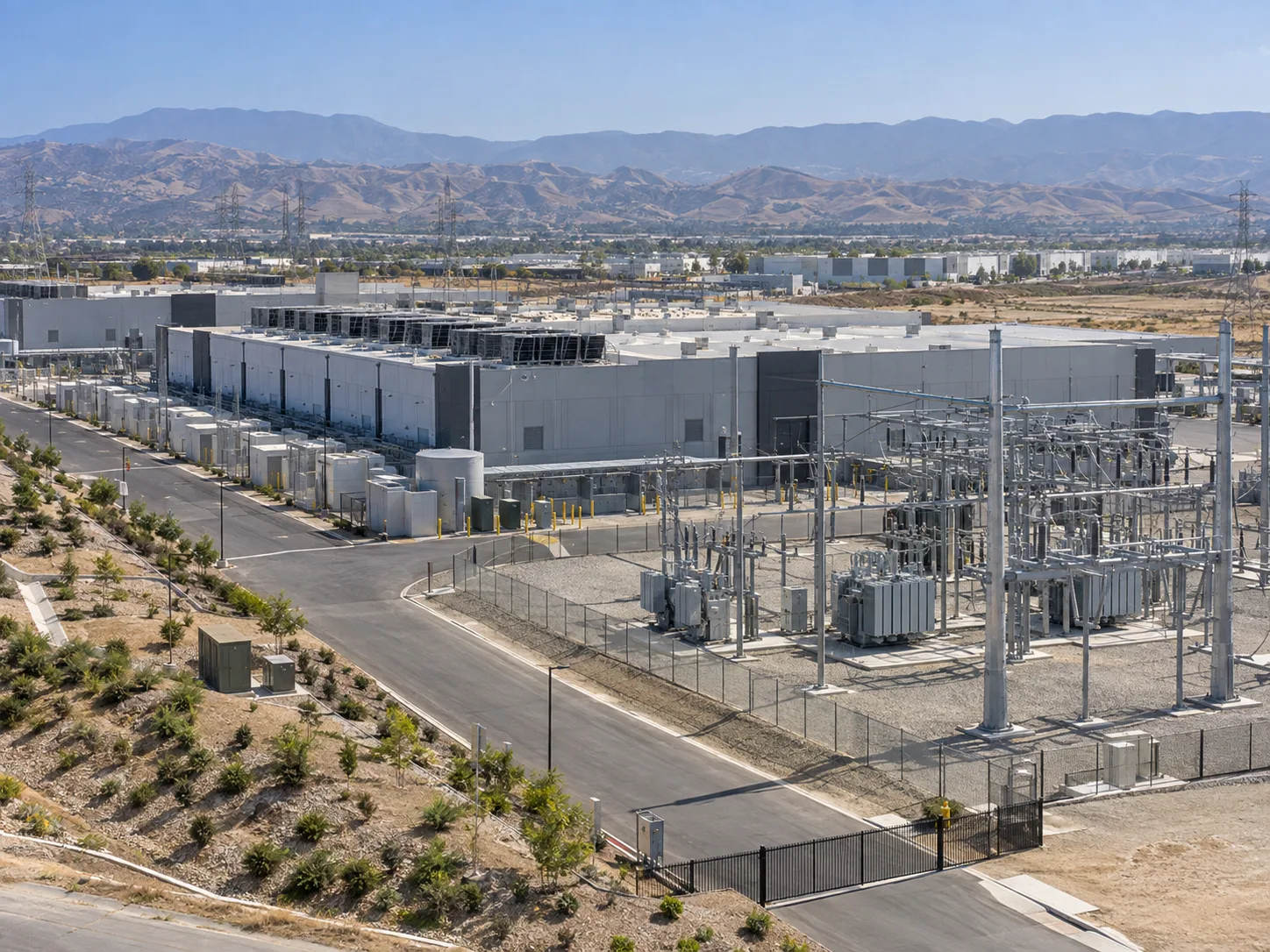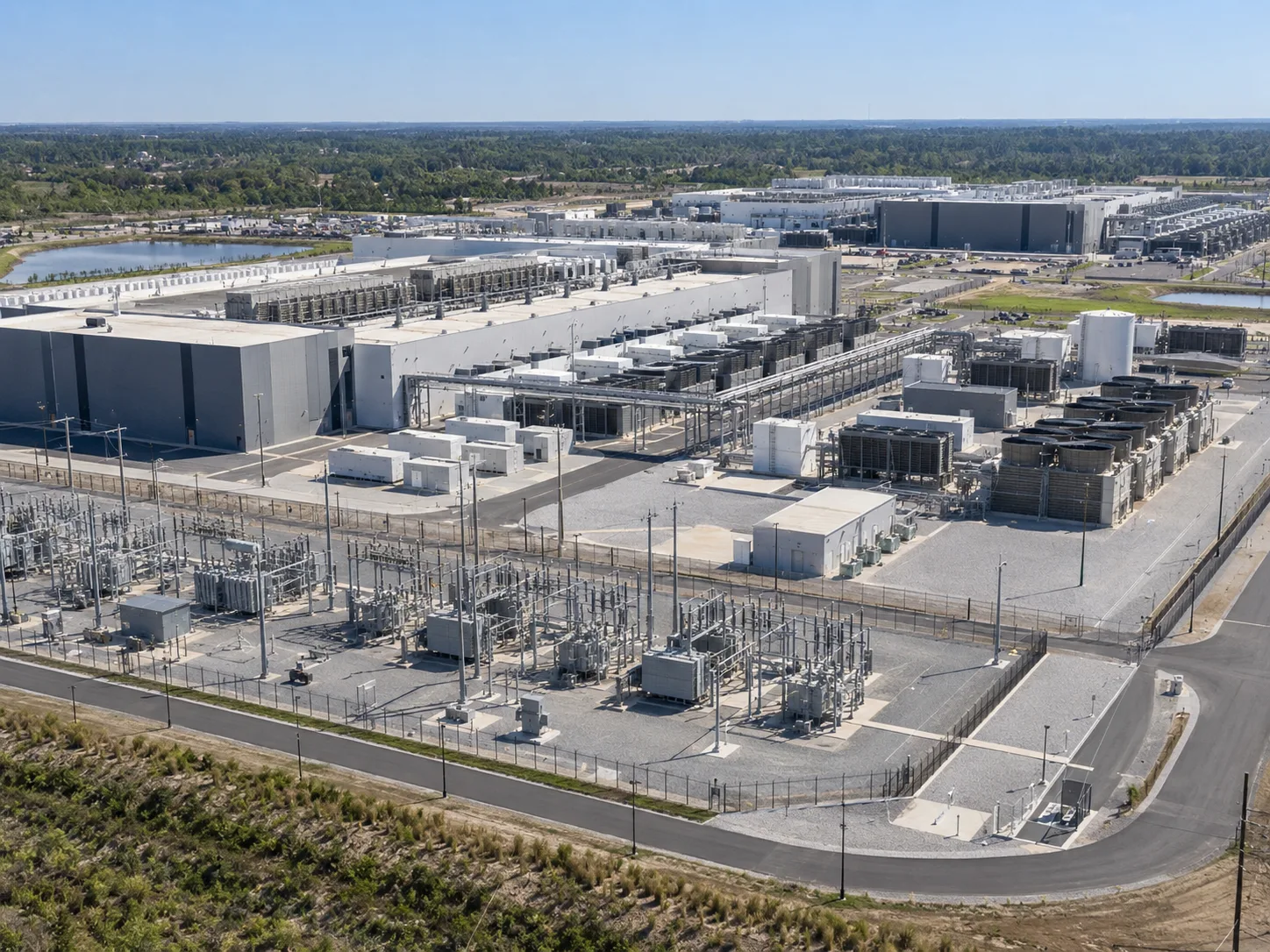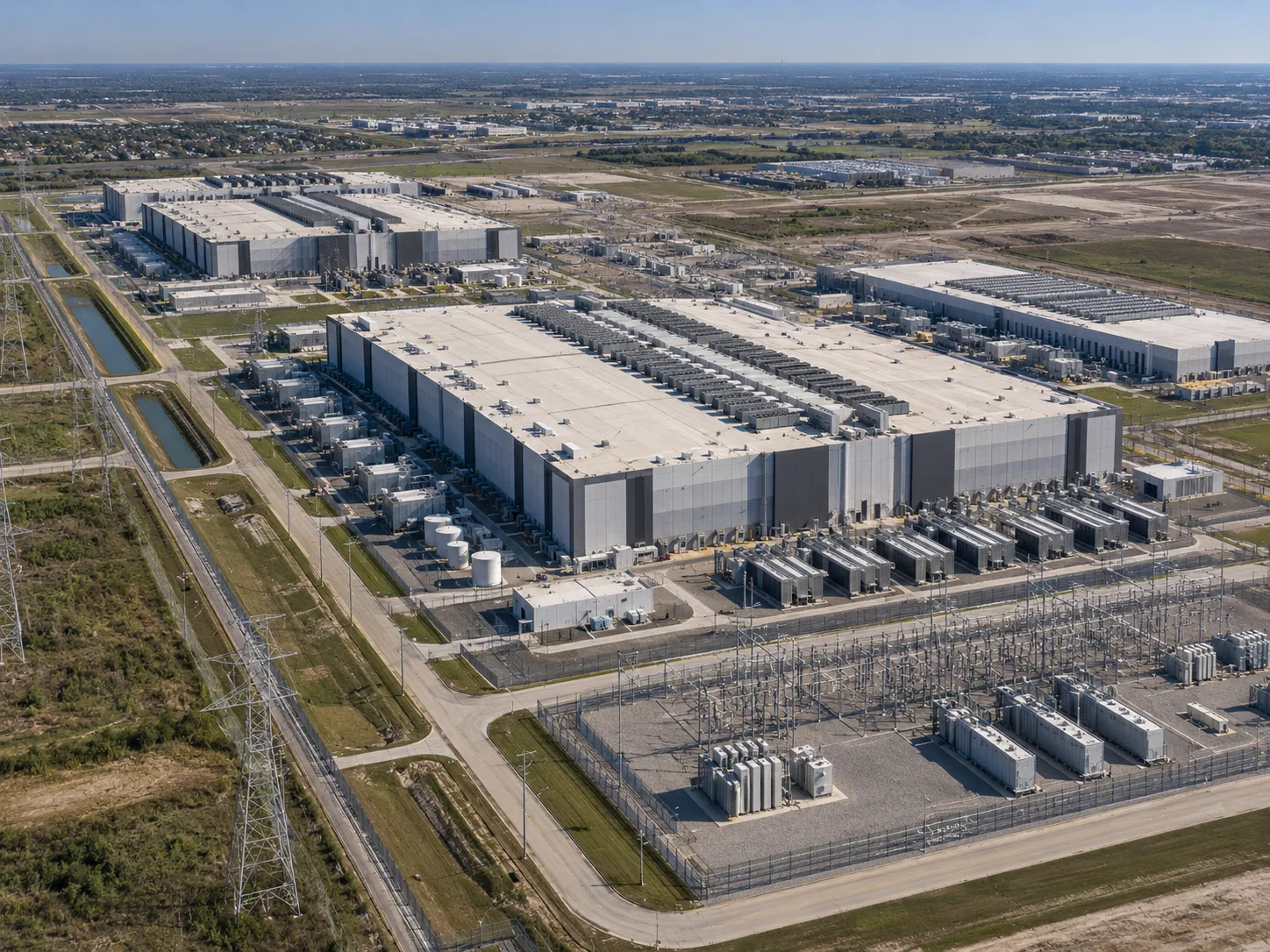




- Meta will invest $50B in its Hyperion data center campus in Richland Parish, Louisiana, up from the original $10B plan.
- The campus, expected to reach 5 GW of computing capacity, is now Meta’s largest AI-focused data center project.
- The expansion reflects accelerating demand for AI infrastructure and signals heightened competition among hyperscalers.
AI Infrastructure Surge in Rural Louisiana
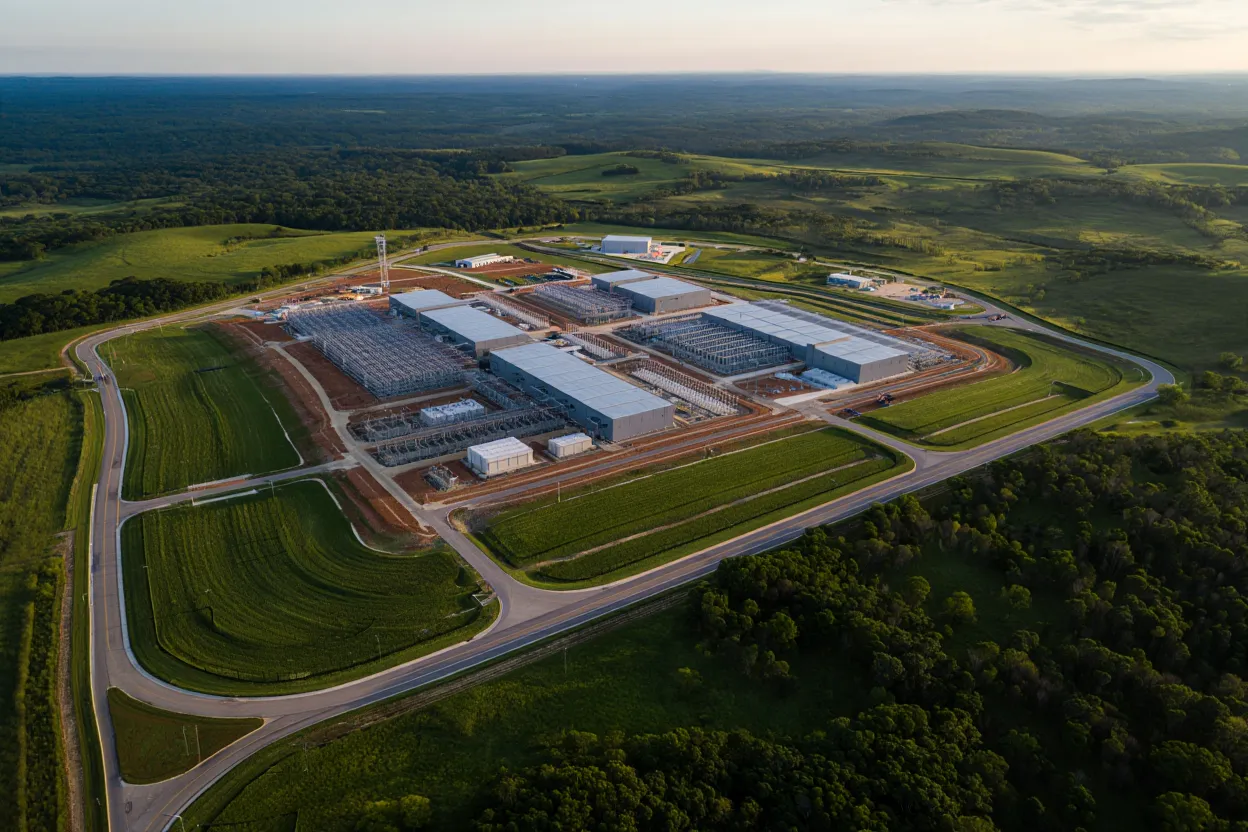
Meta is ramping up its commitment to data center development with a massive new investment in Louisiana. According to Bisnow, the company is boosting funding for its Hyperion data center campus in Richland Parish to $50B, making it both Meta’s largest artificial intelligence data center cluster and one of the biggest globally.
The move underscores how rural markets are drawing tech giants as they race to build the complex infrastructure required for generative AI and machine learning, tapping new regions for cost, power, and tax advantages.
This investment comes against the backdrop of Meta’s November 2025 pledge to invest $600B in US infrastructure and jobs by 2029, reinforcing how data center developments are driving local economies and public revenues—which, by Meta’s own account, have already meant a 400% increase in annual teacher bonus checks in Richland Parish.
Get Smarter about what matters in CRE
Stay ahead of trends in commercial real estate with CRE Daily – the free newsletter delivering everything you need to start your day in just 5-minutes
The Details
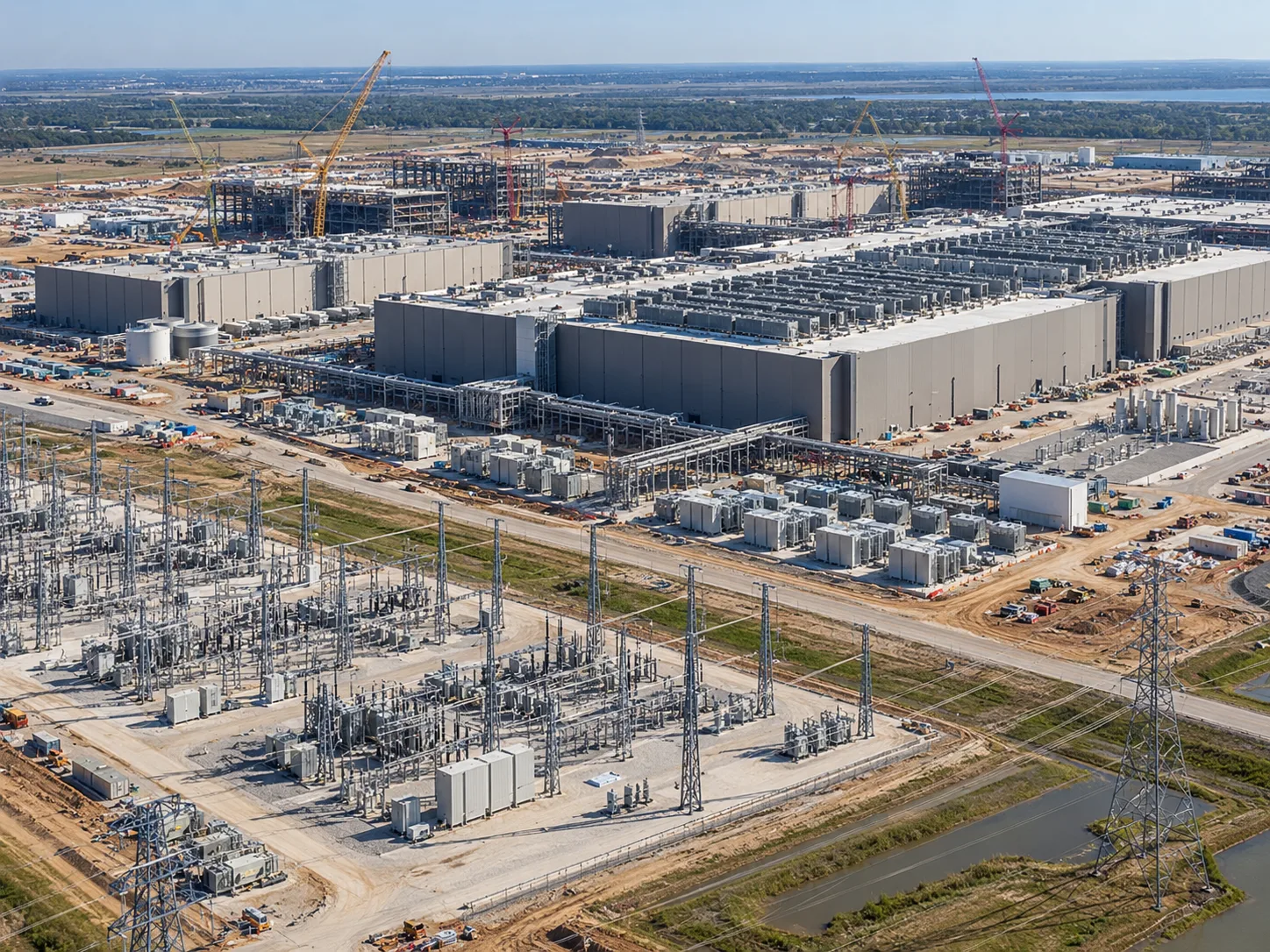
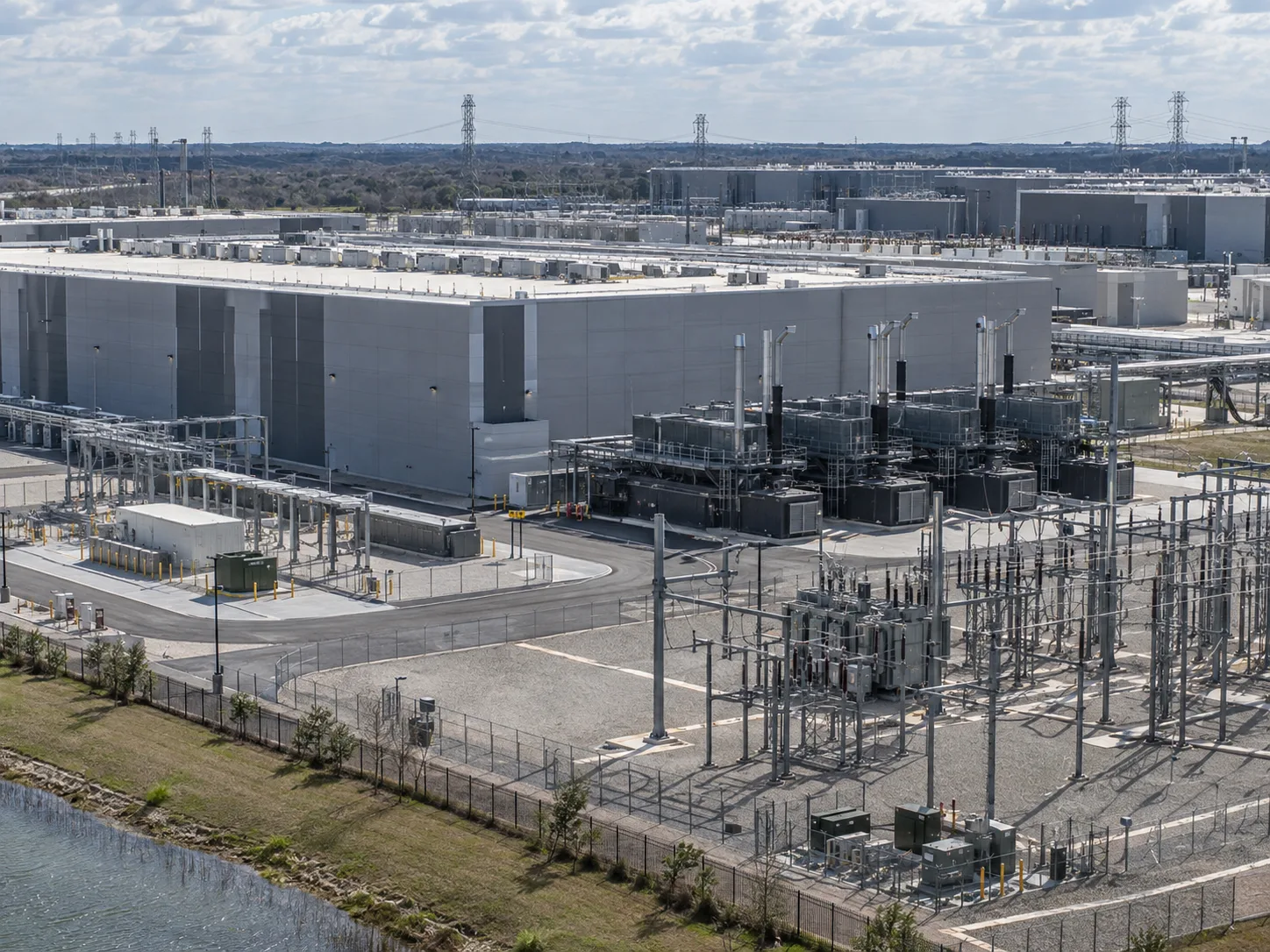
Hyperion spans 4,000 acres in Northeast Louisiana and will eventually deliver 5 GW of computing capacity. That figure is more than double the original 2 GW plan. More than 2 GW will power the campus itself and support broader electrical needs.
Bloomberg reports total project costs could exceed $250B once hardware enters the equation. That estimate includes computing chips and other equipment. Blue Owl Capital holds an 80% ownership stake and has raised billions from Wall Street investors.
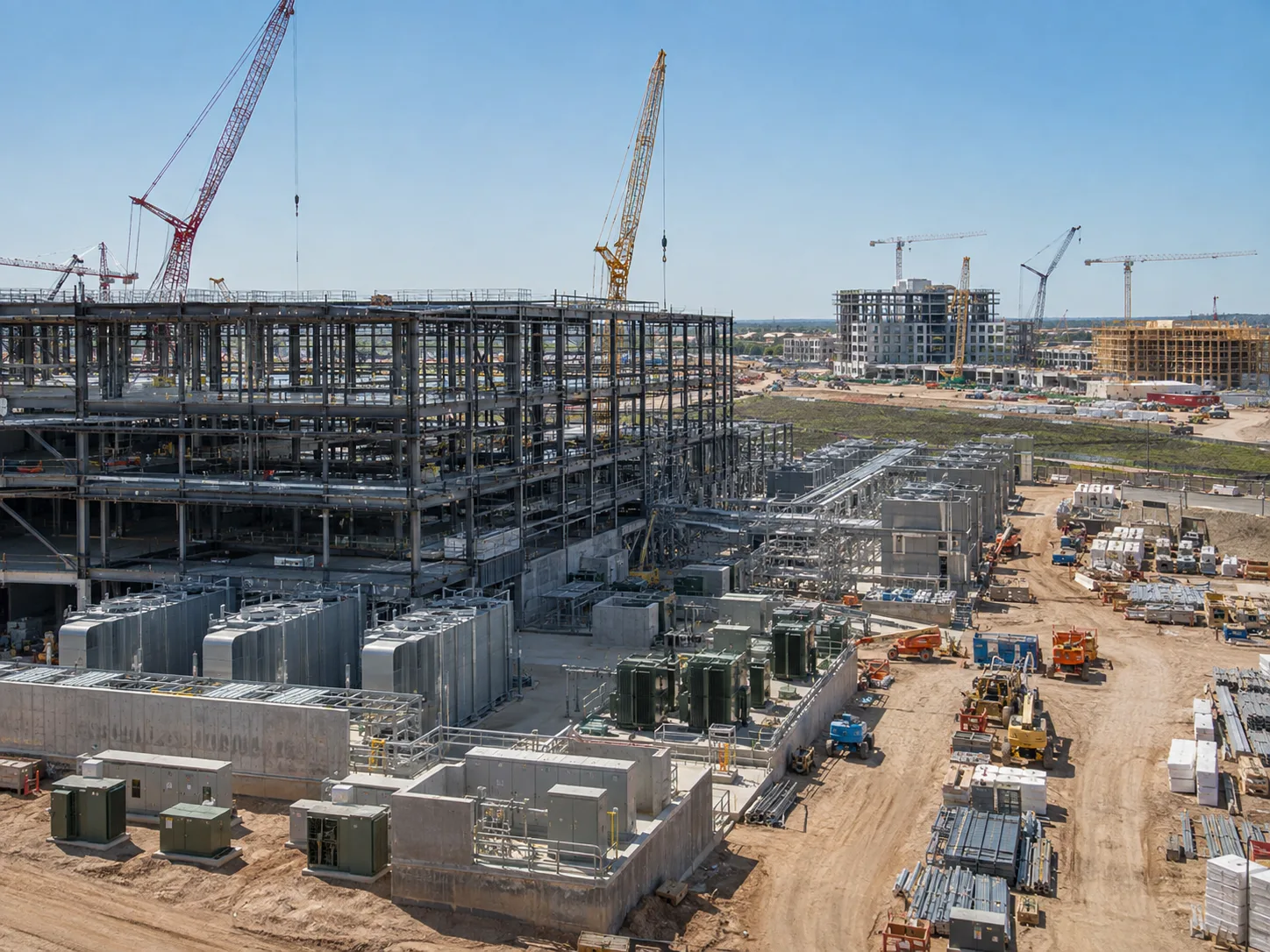
Meta has already signed more than $1.6B in contracts with Louisiana companies since December 2024. Construction began that same month. The project should support 7,500 construction jobs at peak activity and create 1,000 permanent positions after completion.
Hyperscaler Competition Drives Record Investment
The Hyperion campus reflects a broader hyperscaler arms race. Amazon, Microsoft, Google, and Meta continue expanding data center footprints aggressively. They need more computing power and electricity to support AI models and services.
CNBC reports the campus should deliver 2 GW of computing capacity by 2030. However, Meta has not finalized a timeline for the full 5 GW buildout. As of July 2026, Meta operated or developed 33 data centers globally. Hyperion alone represents a tenfold increase over many earlier campuses.
Why It Matters
For CRE professionals, Meta’s $50B investment marks a sharp escalation in data center spending. The project’s scale stands out in both dollar volume and physical footprint. Its 5 GW capacity exceeds previous developments by a wide margin.
The investment also highlights how AI demand reshapes site selection decisions. Developers now place greater weight on power access, land availability, and labor supply. Meta also structured a unique agreement with local utilities.
According to the company, Entergy Louisiana customers will save $2.65B in electricity costs over 20 years. The agreement shows how hyperscaler projects can benefit surrounding communities directly.
Local economic impacts have already emerged. Louisiana businesses have secured more than $1.6B in contracts tied to the project. A Meta representative said higher tax revenues helped fund larger teacher bonuses in Richland Parish. The trend mirrors similar AI projects that are reshaping rural communities through jobs, infrastructure spending, and new tax revenue streams. The project also highlights growing scrutiny around large AI developments.
The project also highlights growing scrutiny around large AI developments. Meta’s Cheyenne, Wyoming, data center remains under investigation. A contractor allegedly discharged contaminated wastewater at the site.
As competitors announce larger and more remote projects, Hyperion could become the industry’s benchmark. The project may also serve as a case study for future regulatory, labor, and community challenges tied to AI infrastructure.
What’s Next
Meta expects Hyperion to reach 2 GW of computing capacity by 2030. However, the company has not announced a target date for the full 5 GW buildout.
Industry analysts expect Meta’s investment to influence rival strategies quickly. Communities may also rethink approaches to data center recruitment, power allocation, and workforce development.
Future milestones will shape public opinion and regulatory responses. Any setbacks, including incidents like the Wyoming wastewater case, could influence future approvals. Demand for AI infrastructure should continue rising through the end of the decade.