



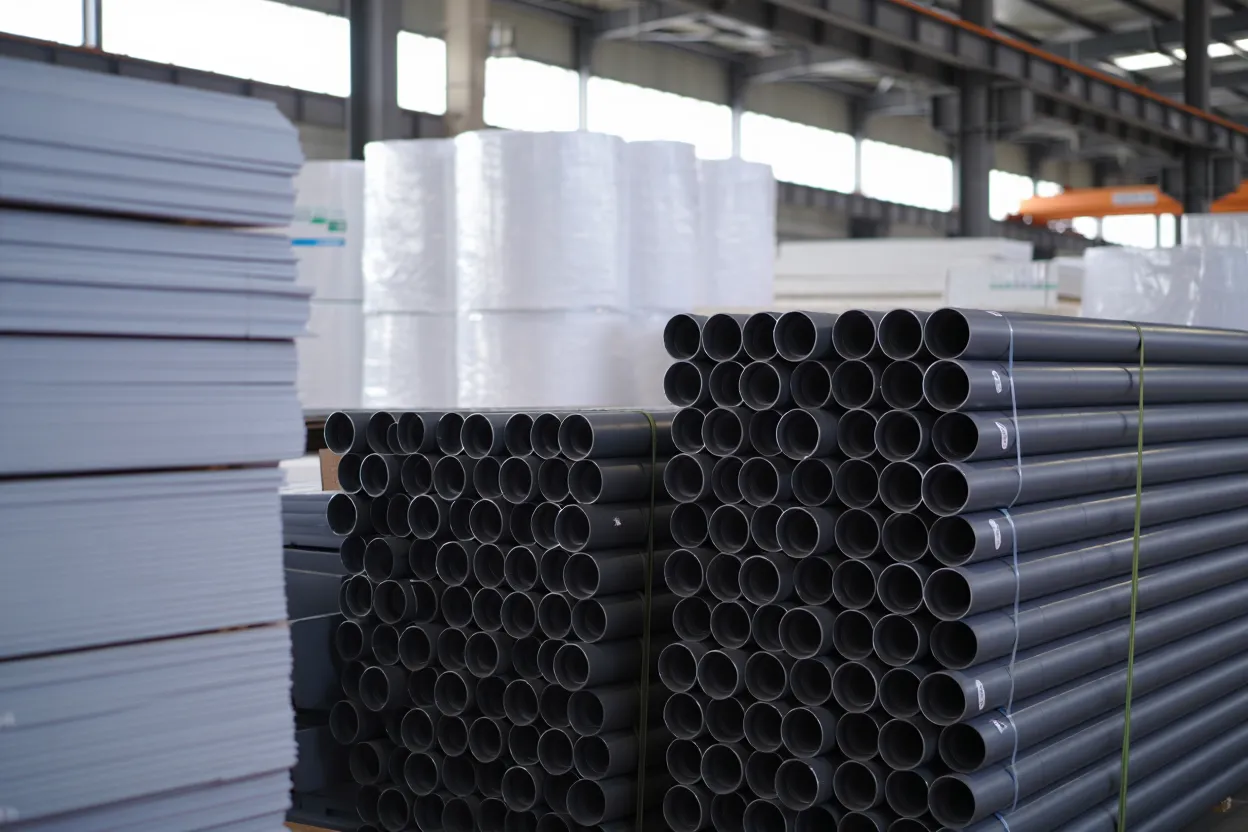
- Middle East oil disruptions have caused the prices of construction plastics like PVC and polypropylene to spike in 2026.
- Builders are facing 10–15% cost increases for certain plastic-based products, while overall construction plastic prices are up 3.5% year-over-year.
- Plastics’ role in construction is expanding, amplifying exposure to oil market volatility that could intensify with continued geopolitical turmoil.
Petroleum Price Spikes Raise Construction Costs
The ongoing conflict in the Middle East is reverberating through global construction, pushing up costs for petroleum-based plastics that have become essential to the built environment. Bisnow reports that according to National Construction & Development data, as international oil supplies tighten, nearly 20% of worldwide annual plastic production now goes into construction—spanning everything from PVC piping and roofing membranes to paints and flooring. With oil prices surging, the ripple effect is being felt across building materials, leaving general contractors and developers to reassess budgets and construction timelines.
This dependence on oil-derived plastics has created a newly exposed linkage between geopolitical events and project bottom lines. Pricing data from Ferguson Supply shows a rapid escalation in the cost of key inputs, notably PVC, which is nearly omnipresent in commercial and multifamily building systems. For construction industry leaders, it is a fresh reminder that cost structures remain at the mercy of global oil market dynamics—a risk that is unlikely to wane as plastics gain share in new construction and retrofits.
Get Smarter about what matters in CRE
Stay ahead of trends in commercial real estate with CRE Daily – the free newsletter delivering everything you need to start your day in just 5-minutes
Feedstock Volatility Resets Expectations
Historic reliance on petroleum as a feedstock for the plastics integral to construction operations is under renewed scrutiny. In 2026, raw PVC prices nearly doubled—from 30 cents per pound in January to just under 55 cents in April, only settling back to around 42 cents in May, Ferguson Supply reports. Polypropylene and polyethylene, similarly critical for weatherproofing and moisture barriers, have mirrored this trend. According to Skanska’s Robert Cantando, specialized products like PVC membrane roofs—often used atop apartment buildings—have already seen price hikes between 10% and 15% this year, while broader construction plastics are up 3.5% year-over-year, per the Federal Reserve.
Despite these cost pressures, the overall construction market has avoided crisis conditions for now, thanks in part to subdued US residential building and sluggish domestic construction activity. Federal data shows that while plastics prices are up modestly, overall construction material costs jumped nearly 10% year-over-year—suggesting the possibility of further volatility should residential demand recover. If oil remains elevated or the geopolitical situation intensifies, analysts warn builders could quickly feel the pinch.
PVC, Polypropylene, and Market Exposure Deepen
Higher plastic feedstock costs reflect a broader materials inflation trend. Copper prices rose more than 30% last year. Steel and lumber prices also increased. Meanwhile, plastics account for a growing share of building materials. That leaves construction more exposed to oil price swings.
Habitable, formerly the Healthy Buildings Network, found plastics are common in many products, especially affordable housing. In the US, 70% of PVC production goes into construction materials. That highlights builders’ reliance on petroleum-linked products.
Some analysts say plastic price hikes have a limited impact on projects. Complex supply chains and spending on metals, equipment, and fuel help offset costs. Christine Bernard of Linesight said plastics are important components but rarely drive total construction costs. Still, resin prices have jumped 60%, while oil remains near $90 per barrel. As a result, suppliers and developers expect more price swings.
Why It Matters
Oil volatility and construction’s growing use of plastics create a major risk. Habitable expects plastic use in buildings to double by 2050. That would make construction a key growth market for plastics. It would also increase exposure to supply and pricing shocks. Similar cost pressures have already forced some developers to delay projects as energy prices climbed.
Plastic prices rose just 3.5% year over year, according to Federal Reserve data. However, resin and feedstock costs suggest greater volatility ahead. If disruptions in the Strait of Hormuz continue, buyers may stockpile materials. Suppliers could also ration products. That would threaten project schedules and budgets for developments using membranes, pipes, and weatherproofing products. Skanska’s Cantando and ABC’s Zack Fritz warn plastics prices could rise another 7% within months.
Builders faced similar challenges with steel, lumber, and copper. However, plastics remain an overlooked cost center. Oil affects transportation, diesel, and many building materials. Higher plastics prices could hurt project economics, especially for multifamily, data centers, and PVC-heavy developments.
What’s Next
CRE players will need to monitor geopolitical developments and oil pricing closely, as the current deal with Iran remains highly uncertain and transit through the Strait of Hormuz is still at risk. If supply constraints escalate, builders could face additional spikes in plastics pricing and the knock-on effect of panic buying, especially should residential construction rebound. Habitable projects plastic use in buildings will double by 2050, likely binding construction costs even tighter to oil’s fortunes. With plastics now essential and price swings increasingly frequent, risk management and supplier relationships around petroleum-derived materials will be critical for cost control in the years ahead.