








- Office loan delinquencies hit a record 12.34% in January 2026, impacting deal flow.
- Investor confidence hinges on rate outlook and predictability instead of rate cuts.
- Distressed office sales and recapitalizations are set to rise, driven by pricing realism and persistent vacancies.
- Data center and multifamily sectors face evolving transaction structures as fundamentals and policy drive activity.
Distress Accelerates Deal Activity
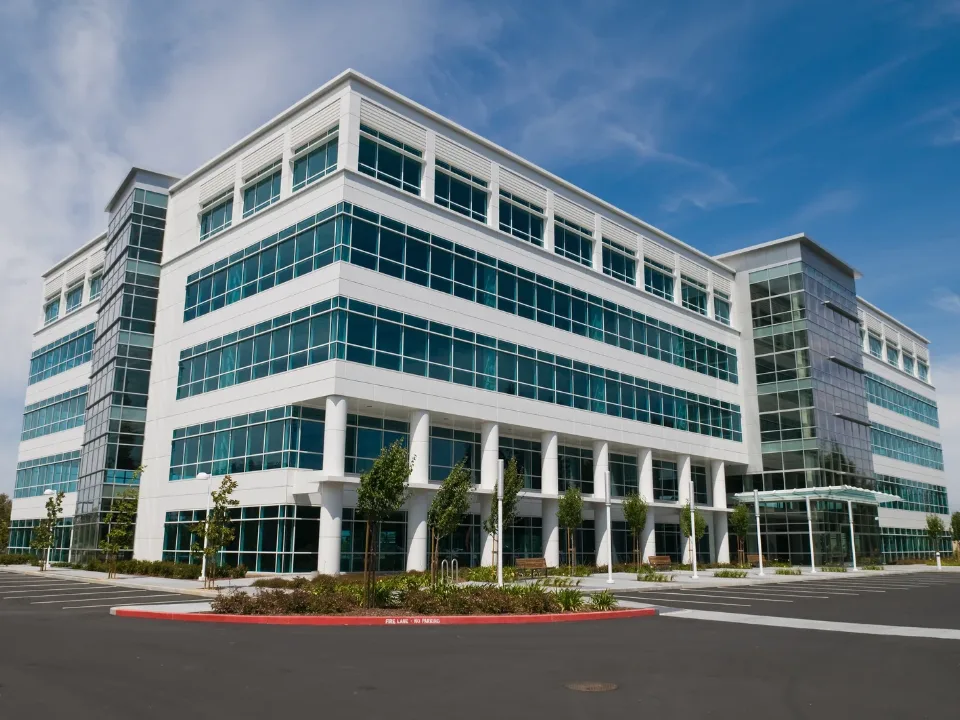
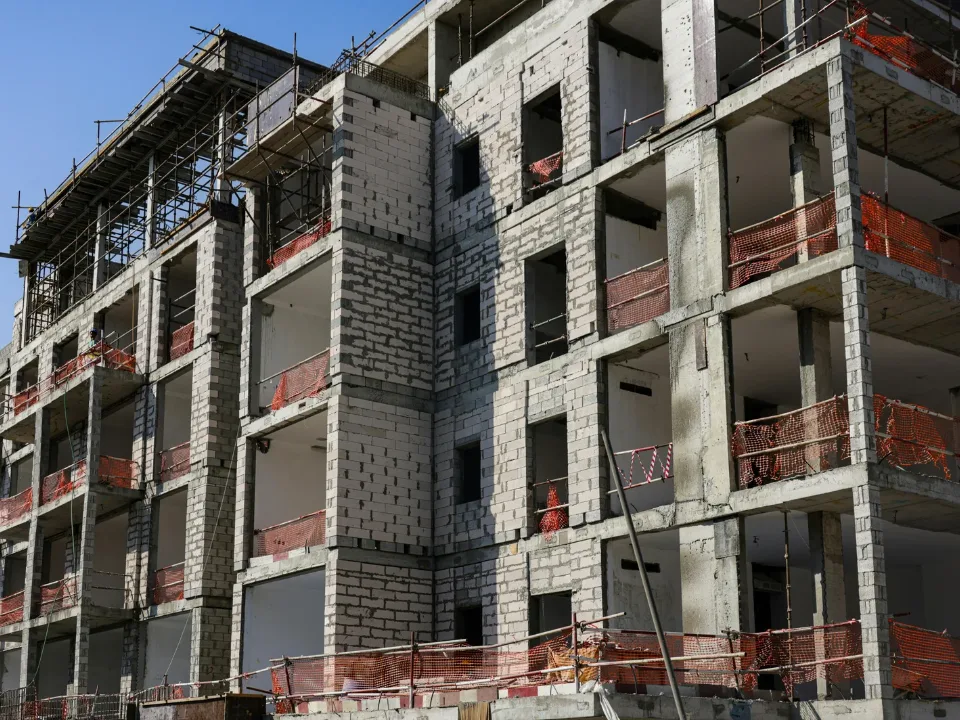
Office distress is at the forefront in 2026, with commercial mortgage-backed securities showing record-high loan delinquencies, reports Globe St. Deloitte reports that the current environment could fuel more forced asset sales, recapitalizations, and mergers as investors respond to both distressed opportunities and shifting capital sources. Firms may consolidate for scale and expertise, while niche operators could see renewed demand as larger players seek to diversify.
Interest Rate Outlook Remains Key
Uncertainty from leadership changes at the Federal Reserve and unclear monetary policy have delayed dealmaking in recent years. Predictability in rates—not necessarily reductions—could unlock a backlog of recapitalizations and portfolio sales, as both buyers and sellers gain confidence in pricing assumptions. At the same time, rising loan stress across the sector has added another layer of caution, with delinquency levels climbing to cycle highs and forcing lenders and investors to reassess risk.
Get Smarter about what matters in CRE
Stay ahead of trends in commercial real estate with CRE Daily – the free newsletter delivering everything you need to start your day in just 5-minutes
Sector Shifts and Transaction Trends
While office properties—especially Class B and C—remain challenged, high-quality buildings in major US markets are seeing pockets of investor interest tied to returning tenant demand. Pricing realism, rather than asset type alone, is enabling transactions, as seen in Los Angeles with the recent discounted sale of the “Graffiti Towers.” Data center investment is still strong, but deal structures may shift towards joint ventures or campus expansions instead of platform acquisitions as competition for assets intensifies and power constraints grow more important.
Outlook for Multifamily and SFR
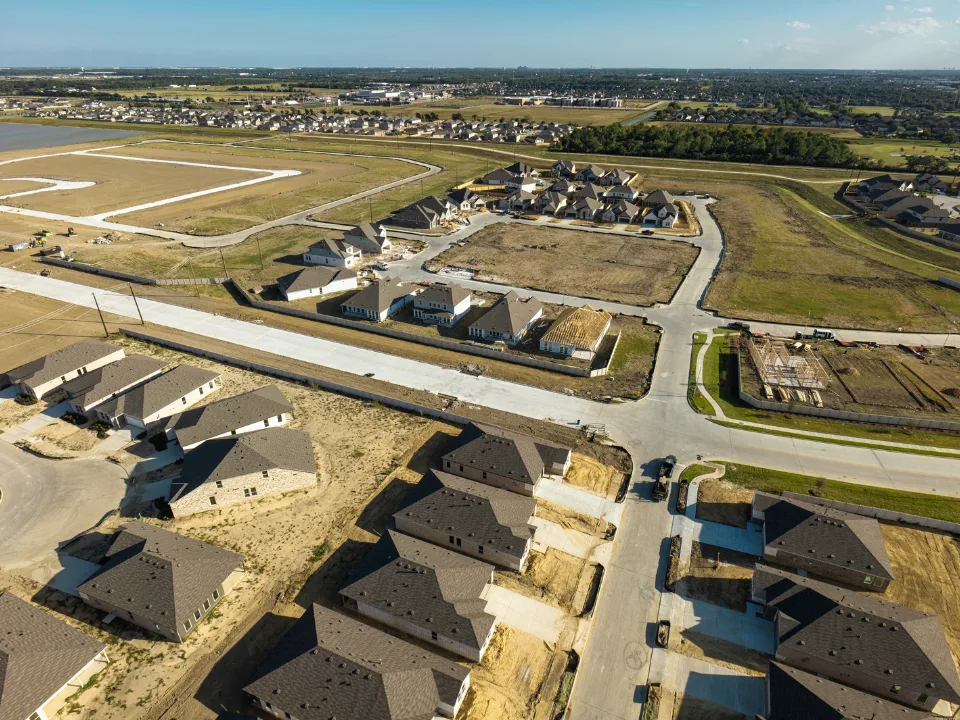
Multifamily deals hinge on local supply-demand dynamics, with more recapitalizations likely for newly delivered product in oversupplied markets. In the single-family rental sector, policy debates and possible regulations mean that transaction drivers will remain highly location-specific. Broader economic and political developments, from state incentives for office conversions to energy partnerships for data centers, may also influence the pace and structure of deals throughout 2026.
What’s Next
Deloitte recommends investors refine their sector outlooks, stress-test their financing strategies, and prepare operationally for mergers or acquisitions early—particularly in capital-intense segments like digital infrastructure and office redevelopment. Discipline and timing will be critical as the market navigates ongoing volatility in both office distress and rate outlook in the months ahead.